What a Mining Belt Conveyor Pulley Does
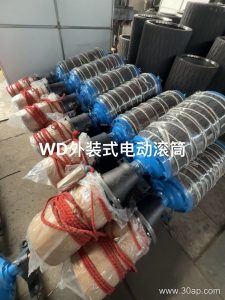
A mining belt conveyor pulley is the rotating cylindrical component that supports and drives the conveyor belt in heavy-duty bulk handling. In a quarry, limestone mine, or iron ore operation, these pulleys transmit power, maintain belt tension, and guide the belt along its path. Unlike an idler roller that merely supports the belt, the pulley is a key structural element often subjected to high torque and impact. The term covers several distinct positions: drive pulley, tail pulley, and bend pulley are not interchangeable, each serving a specific role in the conveyor system.
Construction and Surface Options
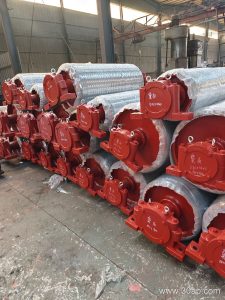
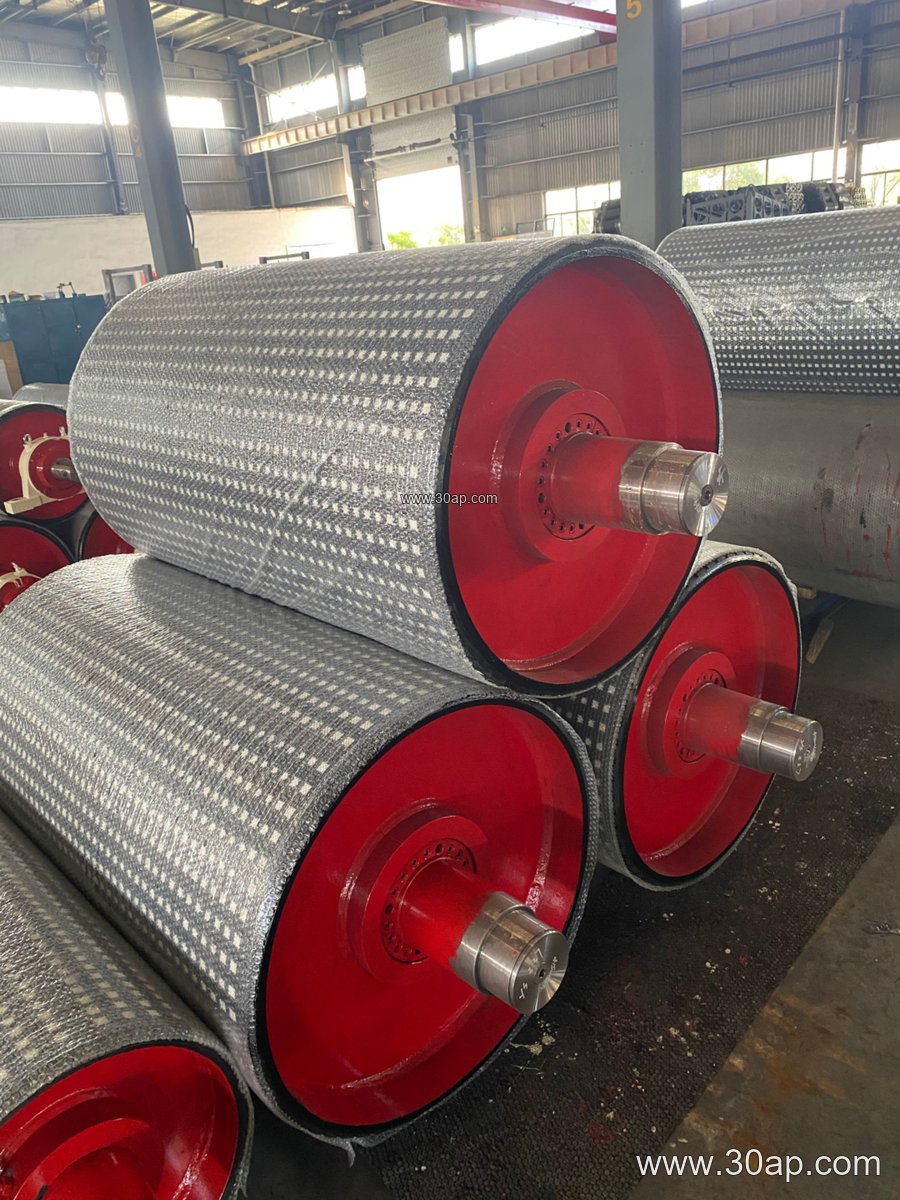
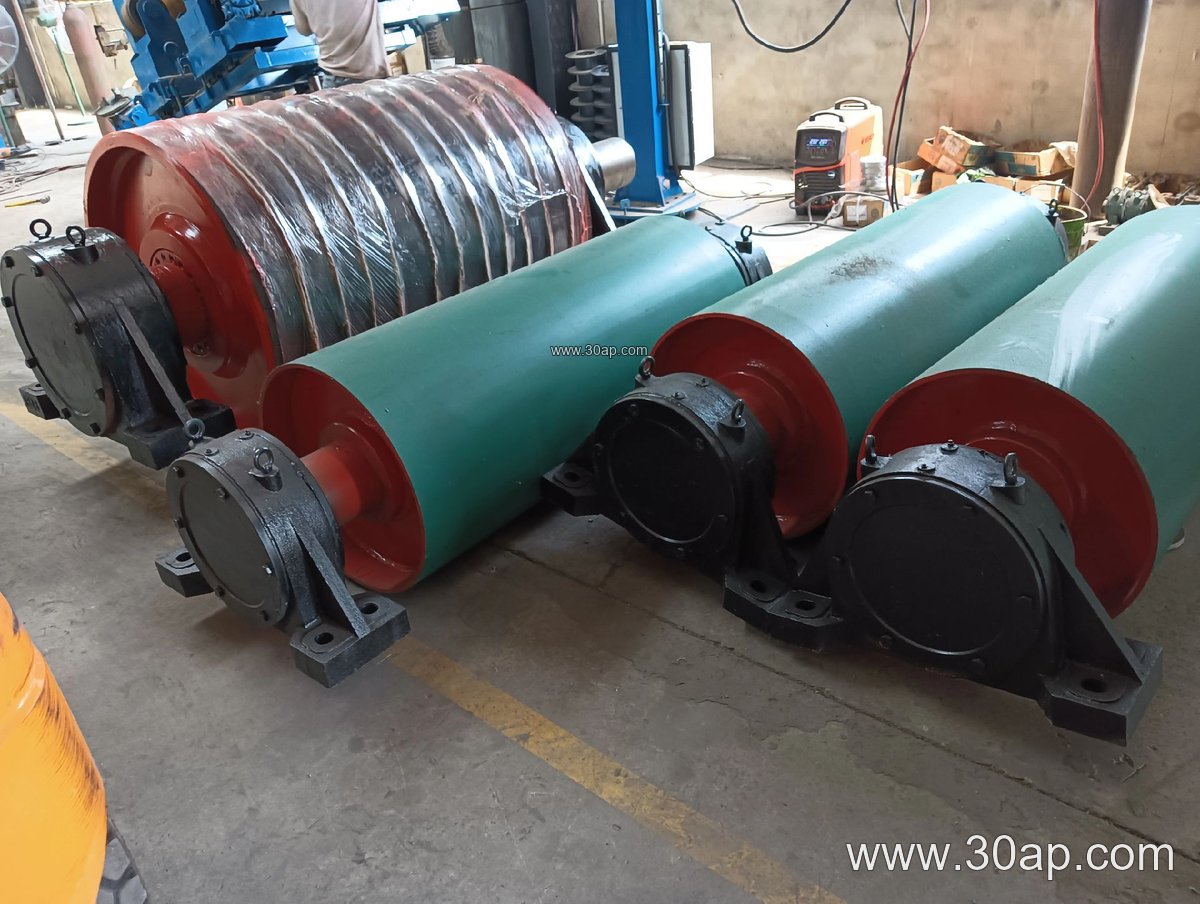
Most mining belt conveyor pulleys are built from a welded steel shell with shafts, hubs, and bearing housings. The surface may be plain, or covered with rubber, ceramic, or grooved lagging to improve grip and protect the belt. Common lagging thicknesses are 8, 10, 12, 15, and 20 mm. For high-traction drives, diamond or herringbone patterns are used. A drive pulley often receives cast rubber or hot-vulcanized lagging, while a bend pulley may use plain or lightly lagged surface. The conveyor bracket and bearing assembly must match the shaft diameter, which is determined by torque and load rather than belt width alone.
Typical Mining and Processing Applications
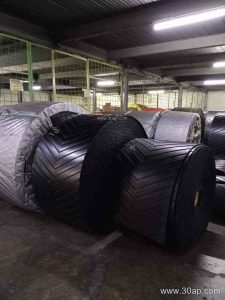
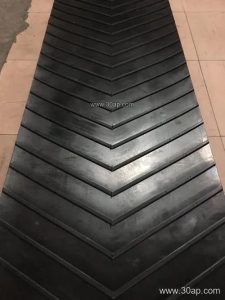
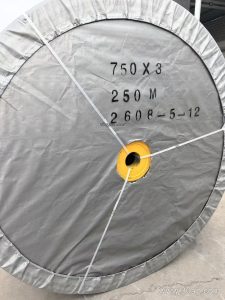
These pulleys appear in coal preparation plants, cement clinker lines, power station coal yards, and sand and gravel plants. In a typical quarry conveyor, the head pulley discharges crushed rock onto a stockpile, while the tail pulley keeps the belt aligned. A bend pulley redirects the belt around a curve or tensioning device. Because the environment is abrasive and often wet, the pulley lagging must resist wear and prevent material buildup. The conveyor belt itself may be a heavy-duty mining conveyor belt, an abrasion resistant conveyor belt, or a flame retardant conveyor belt for underground coal mining. Matching the pulley surface to the belt type helps avoid slip and premature wear.
Matching Pulley Dimensions to Belt Width
Pulley face width is usually slightly larger than the belt width to allow for misalignment. For reference, common combinations include B800 × Ø500, B1200 × Ø1000, and B1400 × Ø800. These are examples, not fixed rules: a B1200 belt can work with different pulley diameters depending on tension and space. The table below lists typical belt widths and a corresponding pulley face width range for general guidance.
| Belt Width (mm) | Typical Pulley Face Width (mm) |
|---|---|
| B400 | 500 |
| B500 | 600 |
| B650 | 750 |
| B800 | 950 |
| B1000 | 1150 |
| B1200 | 1400 |
| B1400 | 1600 |
| B1600 | 1800 |
| B1800 | 2000 |
| B2000 | 2200 |
Shaft diameters commonly range from Ø50 to Ø200 mm, selected by the designer based on torque, radial load, and bearing life. Do not assume a fixed shaft size from belt width alone; a heavy-duty mining conveyor pulley on a long incline may need a larger shaft than a short transfer point.
Drive, Tail, and Bend Pulley Differences
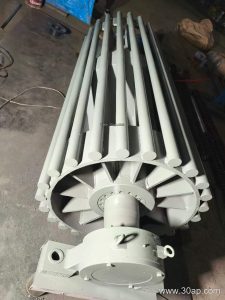
The drive pulley transmits motor power to the belt and usually has the largest diameter and the most aggressive lagging. The tail pulley at the loading end often has a smaller diameter and may be self-cleaning. A bend pulley changes belt direction without driving; it may be smooth or lightly lagged. A tension pulley takes up slack, while a snub pulley increases wrap angle on the drive. These roles are not interchangeable: specifying a tail pulley where a drive pulley is needed will cause slip and belt damage. For a conveyor transfer point, a wing pulley may be used to shed sticky material, but it is a different subtype and not a substitute for a standard drive or tail pulley in most mining duty.
Buyer Checklist
- Confirm the pulley position (drive, tail, bend, take-up) and expected belt tension.
- Check belt width and required face width; verify shaft diameter against torque and load.
- Select lagging type and thickness for the material and environment (abrasive, wet, oily, or hot).
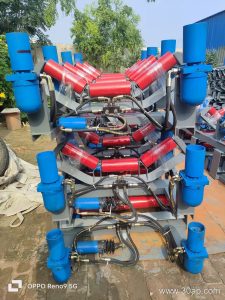
- Ensure compatibility with the conveyor belt, idler roller spacing, and conveyor bracket dimensions.
- Review bearing type, sealing, and lubrication access for maintenance in dusty or wet conditions.
For more information on matching pulleys with conveyor belts and rollers, visit our site at www.example.com/conveyor-pulley or www.example.com/mining-conveyor-pulley. A correctly specified mining belt conveyor pulley reduces downtime and extends belt life in the toughest bulk handling operations.