Understanding the EP1250 1800mm Conveyor Belt
The EP1250 1800mm conveyor belt is a heavy-duty fabric core belt built around a polyester-polyamide carcass with a nominal tensile strength of 1250 N/mm and a full 1800 mm width. In practice, buyers will also see it described as an EP1250 1800mm wide conveyor belt or an EP fabric core belt in 1800 mm width. These are simply different ways of naming the same product. This is not a steel cord belt and not an NN belt; the EP carcass is the defining feature.
Because of the combination of high strength and generous width, this belt is often chosen for main haulage lines where a single wide belt replaces two narrower ones. It fits bulk material conveyor systems in mining, coal preparation, cement plants, power stations, quarries, sand and gravel yards, ports, and steel works.
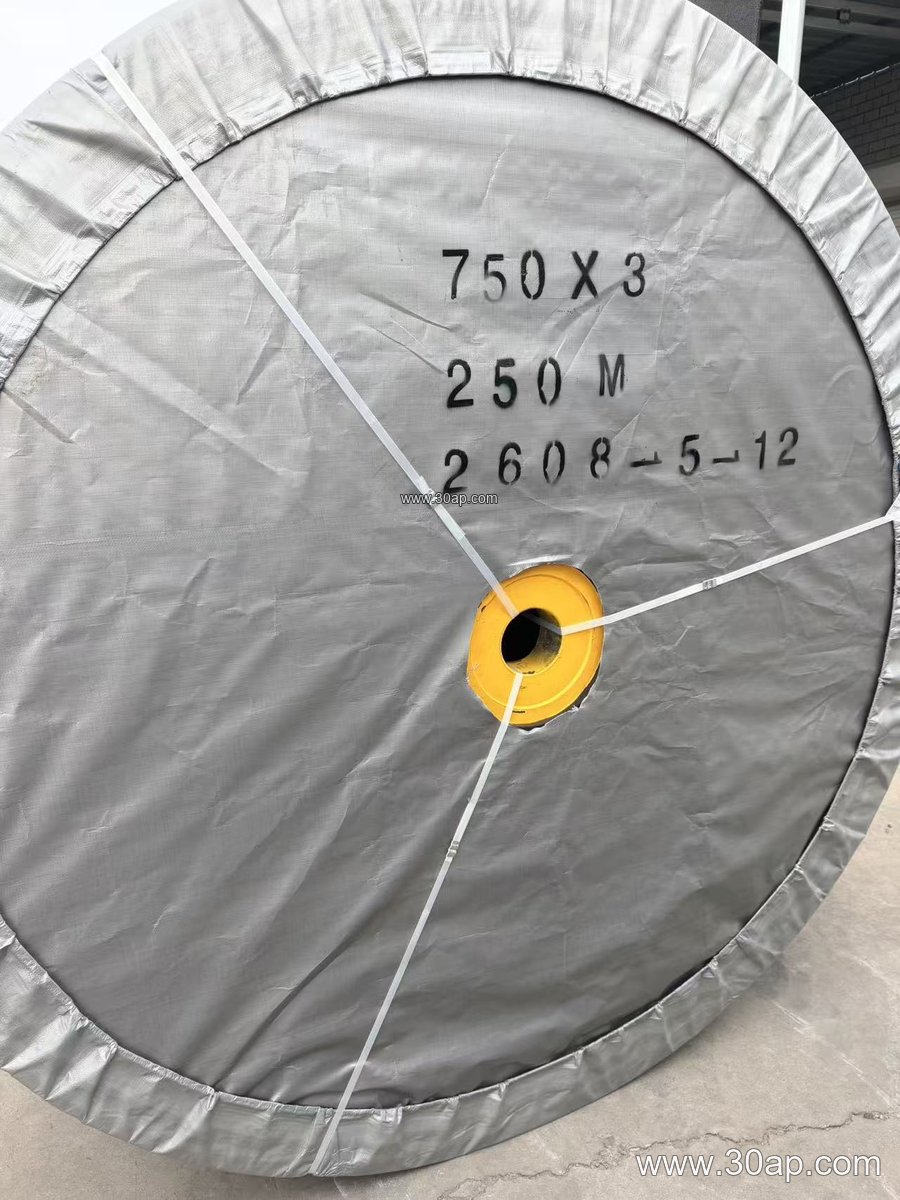
Construction and Build
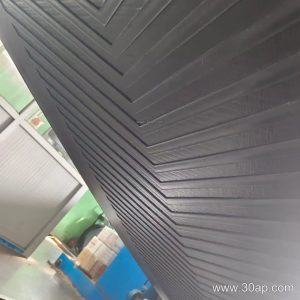
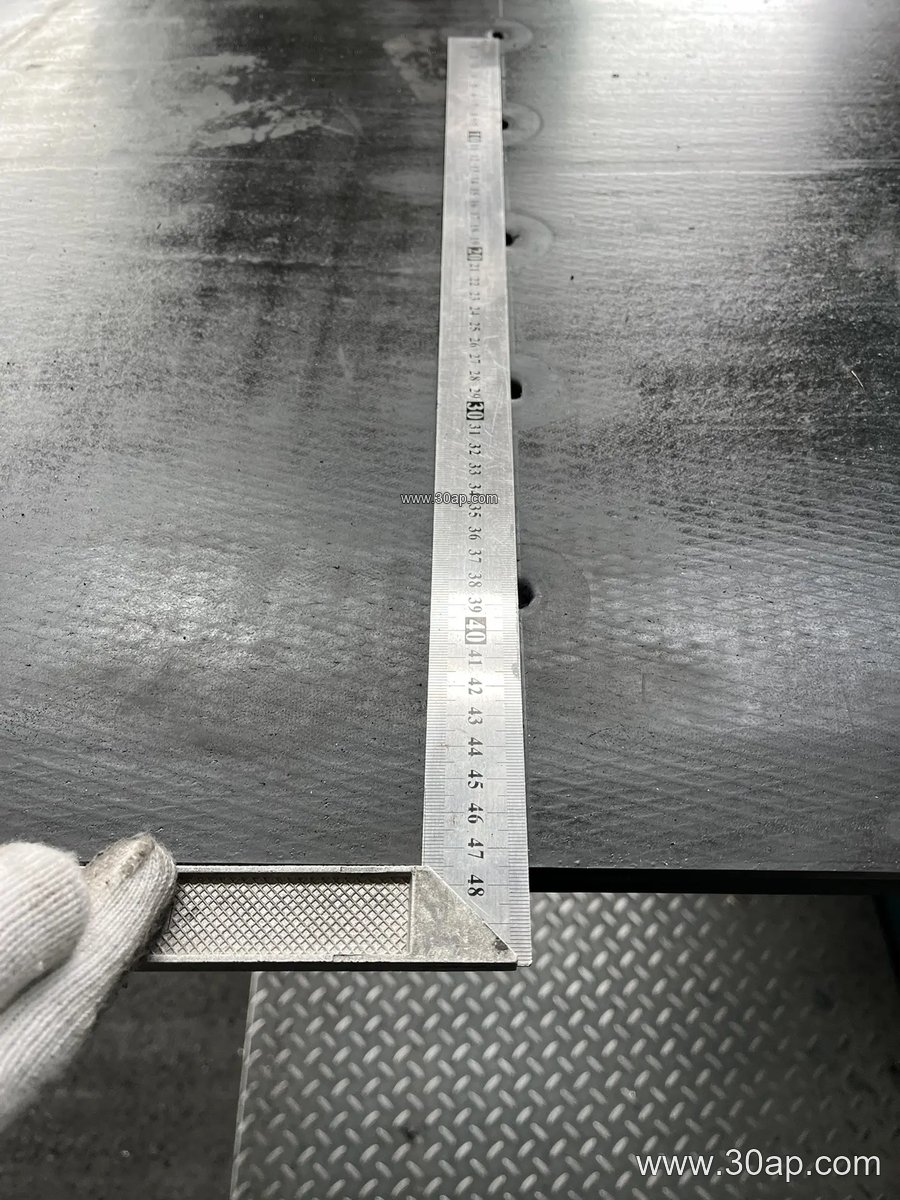
An EP1250 belt uses multiple plies of polyester warp and polyamide weft fabric, bonded with rubber and protected by top and bottom cover compounds. A typical build for this strength class uses several plies, with the exact number set by the manufacturer’s design. Cover thickness is usually quoted as a top plus bottom figure, for example 6+2 mm or 8+3 mm for abrasive duty; 4+2 mm and 5+2 mm are also common where wear is moderate.
- Carcass: multi-ply EP fabric, low elongation, good troughability at 1800 mm width
- Covers: abrasion resistant, heat resistant, oil resistant, flame retardant, or anti-static grades as required
- Edges: cut edge or moulded edge depending on the splice method
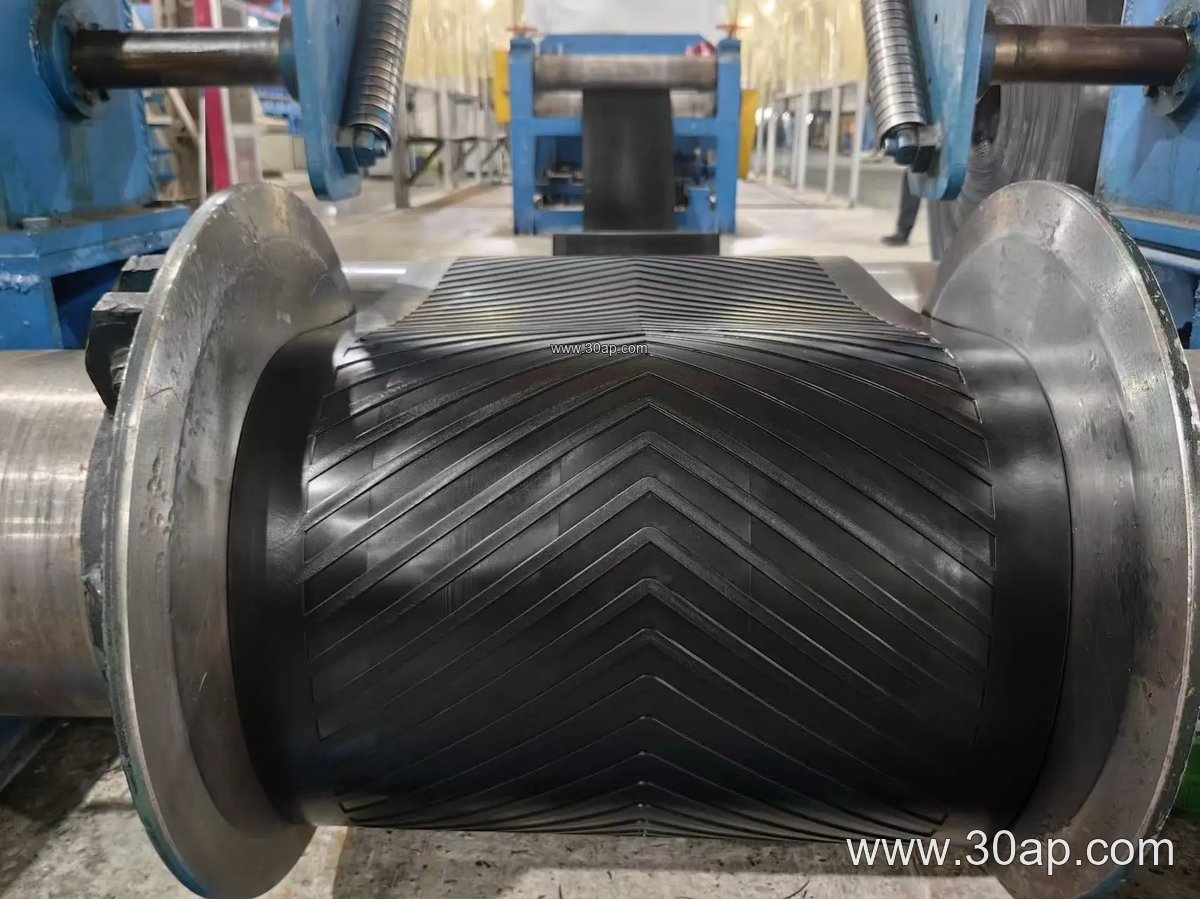
- Options: chevron or corrugated sidewall versions only where the application calls for them
The wide format puts extra demand on transverse rigidity, so the fabric lay-up and cover gauge should be confirmed with the belt maker rather than assumed from strength alone.
Where This Width and Strength Fit
At 1800 mm, the belt can carry high tonnages at moderate belt speed, which suits primary crushing discharge, plant-to-stockpile lines, and long overland runs. It appears in iron ore, copper ore, and gold mining operations, in cement clinker transport, and in power plant coal handling. In coal mining, a flame retardant or fire resistant grade with anti-static properties is normally specified; underground coal mining conveyors usually require those properties by regulation, which the buyer should verify locally.
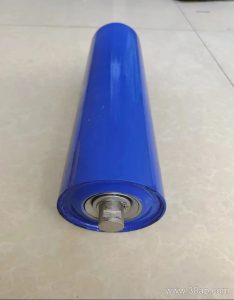
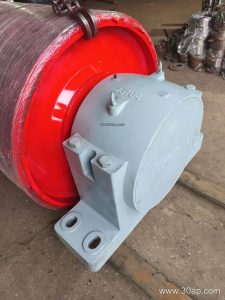
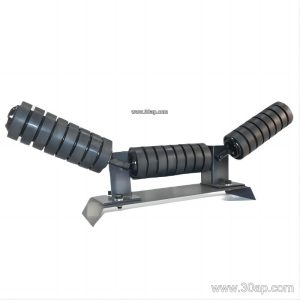
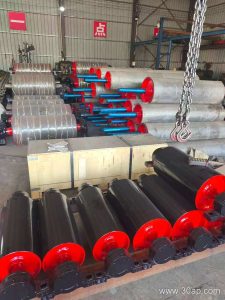
For very sharp, hot, or oily cargo, a heat resistant or oil resistant cover may be needed. Where material is dropped from height, an impact resistant cover and well-spaced idler rollers reduce damage. Belt cleaners, skirt rubber, and a properly aligned conveyor pulley set all extend service life.
Specification Reference
The table below gives common reference values. They are typical ranges, not fixed universal specifications or a supply promise.
| Parameter | Common Reference |
|---|---|
| Belt type | EP1250, EP fabric core |
| Nominal strength | 1250 N/mm |
| Belt width | 1800 mm |
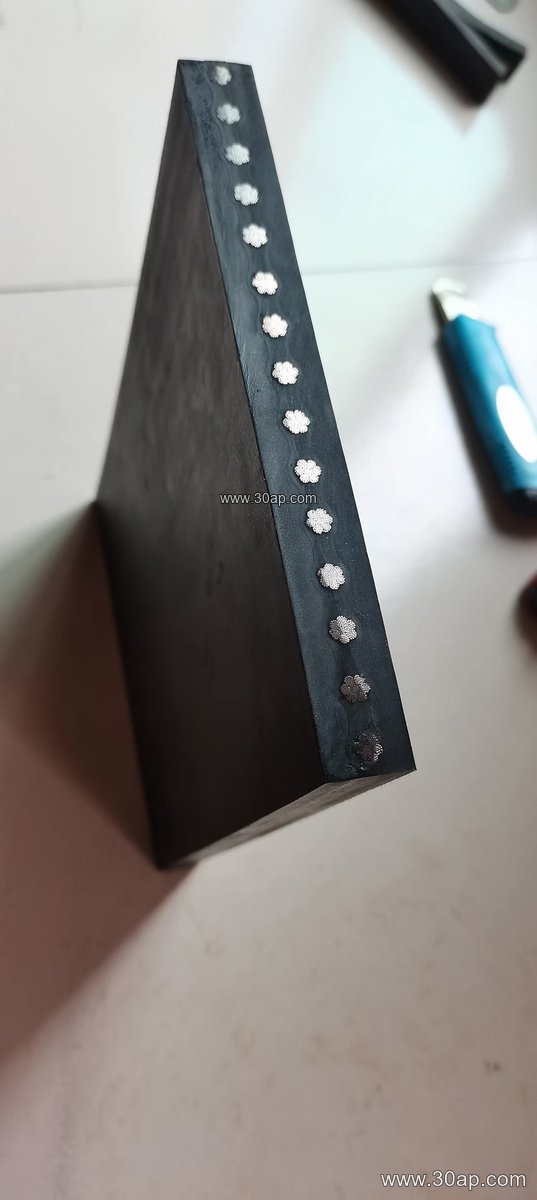
| Carcass | Multi-ply EP fabric, typically 3 to 6 plies |
| Cover thickness | 4+2, 5+2, 6+2, 8+3 mm common |
| Cover grades | Abrasion resistant, heat resistant, oil resistant, flame retardant, anti-static, cold resistant |
| Related widths in range | B1600, B1800, B2000 |
| Related strength grades | EP1000, EP1250, EP1600 |
Similar belts in the same family include the EP1000 1200mm conveyor belt for narrower lines and the EP1600 grade for higher tension duties. A steel cord conveyor belt is a different product class and is considered only when EP capacity is insufficient.
Selection and Maintenance Notes
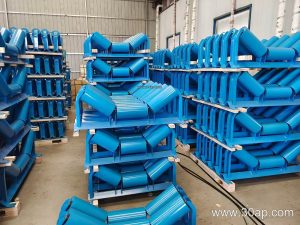
Match the belt to the calculated tension, not to width alone. Belt width and pulley diameter are separate design decisions; a wide belt does not dictate one fixed pulley size, and shaft diameter must come from the conveyor designer. Confirm troughing idler angles, transition distances, and take-up travel before ordering.
- Check cover grade against material temperature, oil content, and flammability risk
- Specify splice type and edge style with the belt supplier
- Inspect idler roller rotation and pulley lagging regularly to prevent edge damage
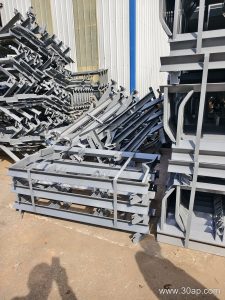
- Keep conveyor bracket alignment true so the 1800 mm belt tracks centrally
- Store rolls on a clean, dry surface and avoid tight bends during installation
For heavy-duty mining conveyor belt duty, request test reports for tensile strength, elongation, and cover abrasion, and confirm the delivered dimensions before splicing.
Buyer Checklist
Ask for the carcass ply count, cover compound grade, total belt thickness, and mass per square metre in writing. Clarify whether the belt is supplied endless or in rolls, and state the ambient and material temperatures. Where a flame retardant conveyor belt or fire resistant conveyor belt is required, request the relevant test evidence. A clear specification avoids surprises when the belt reaches the conveyor pulley and idler roller installation on site.