What Is a Ø89 Rubber Disc Idler?
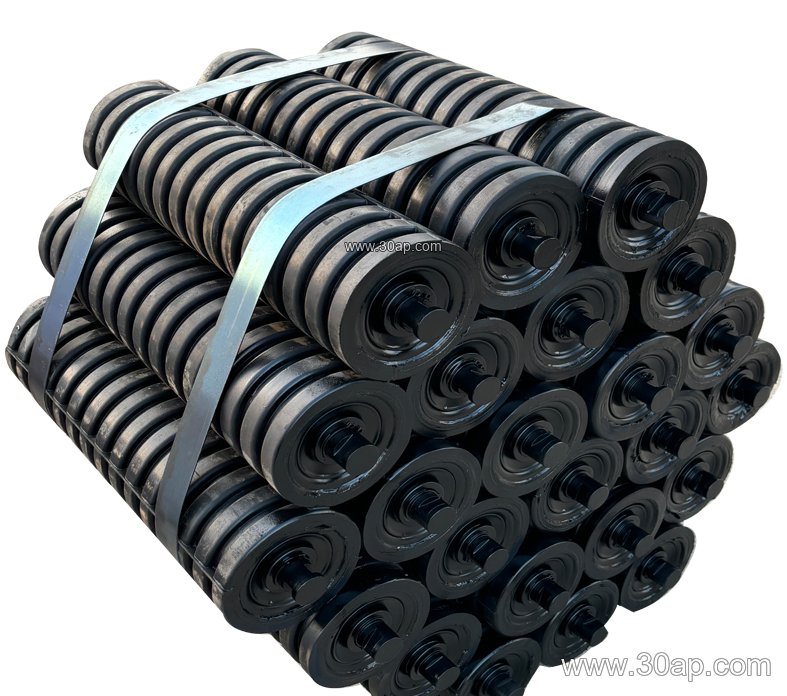
The Ø89 rubber disc idler is a type of carrying idler roller used on belt conveyors to support the conveyor belt and absorb impact at loading points. The “Ø89” refers to the nominal roller diameter of 89 mm, while the rubber discs are resilient rings fitted around the roller shell. This idler roller is often chosen for material handling lines where the belt receives lumps or sharp-edged material, such as in a quarry, a limestone mine, or a crushing and screening plant.
Unlike a standard steel roll, the rubber disc idler combines a steel core with a series of rubber discs that cushion the belt. The design helps reduce shock loads on the belt and the idler frame, and it can also assist in keeping the belt centered when the discs are arranged in a troughing set. The same product is also called an Ø89 rubber ring impact idler or rubber disc carrying idler, depending on the supplier’s naming convention.
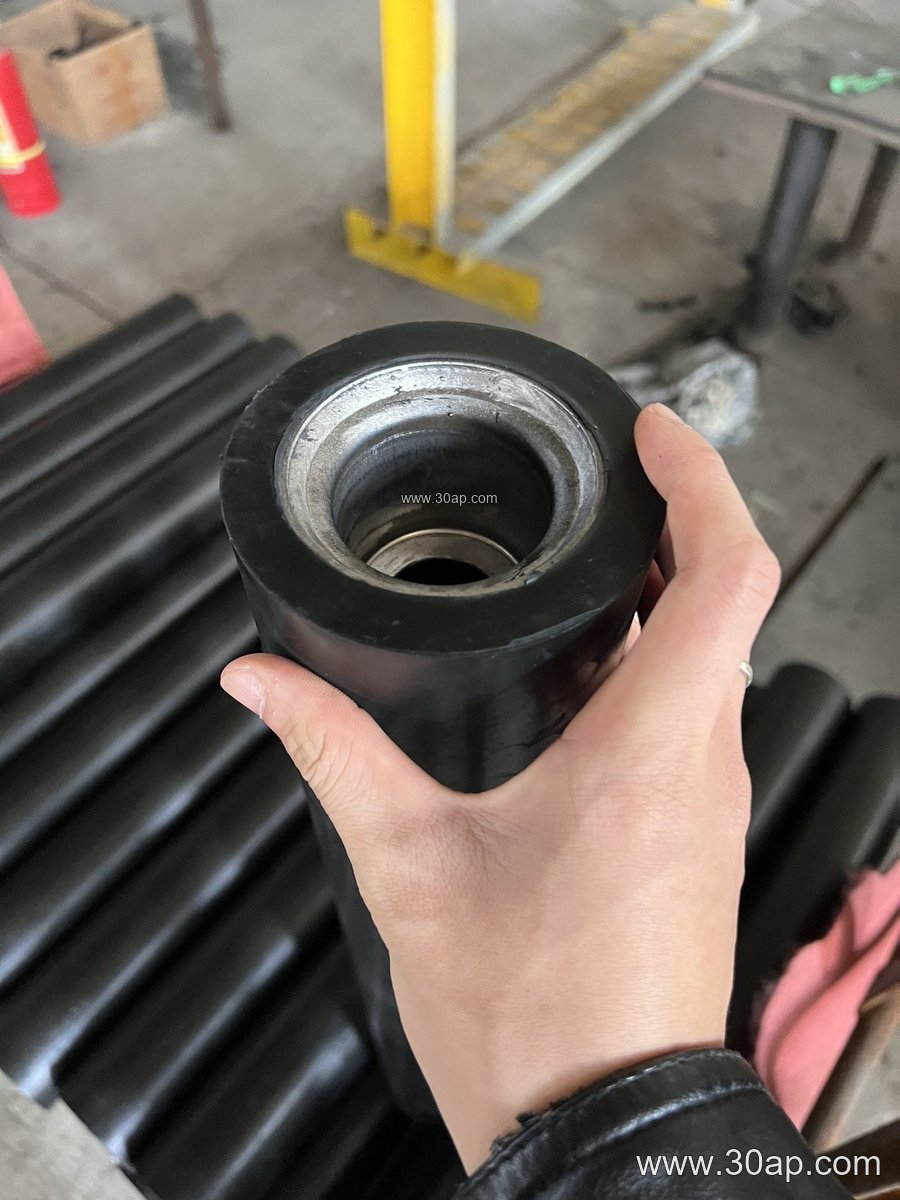
Construction and Key Components
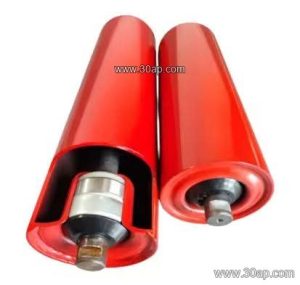
A typical Ø89 rubber disc idler consists of a steel tube body, a shaft, bearing housings, and a set of rubber discs pressed or vulcanized onto the shell. The bearings are usually sealed for life, and common bearing sizes for this diameter range include 6204 or 6205, though the final choice depends on the load and the manufacturer’s design. The rubber discs are made from abrasion-resistant rubber compounds that resist cutting and gouging from sharp material.
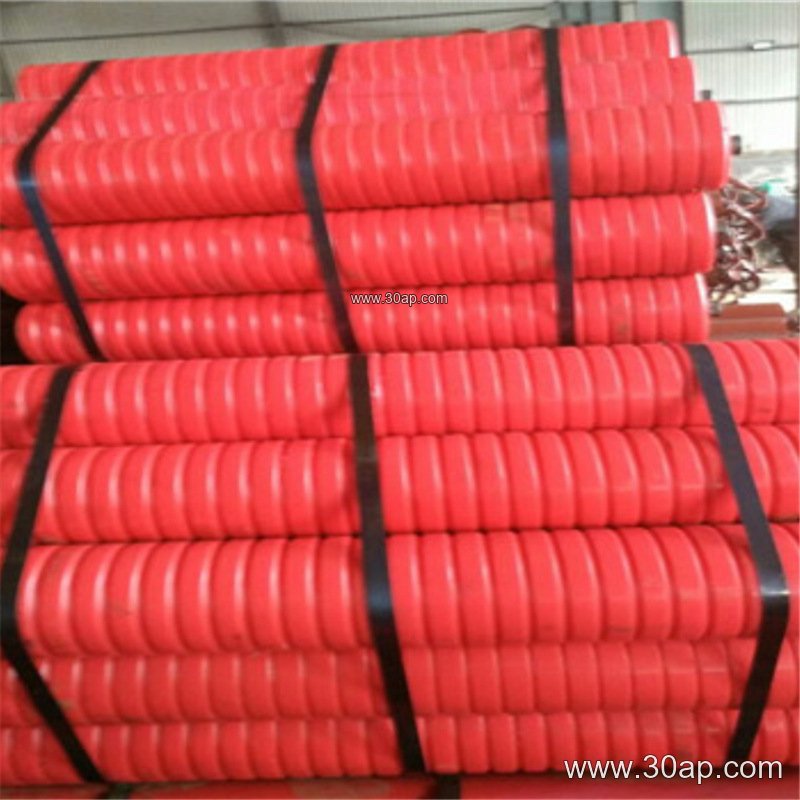
The roller length is not fixed by the 89 mm diameter alone. For a three-roll troughing set, the roll length is usually matched to the belt width and the trough angle. For example, a B800 belt may use rolls around 315 mm long, while a B1000 belt may use rolls around 380 mm. These are common references, not universal rules, and the middle roll and side rolls can differ. The trough angle commonly ranges from 20 to 45 degrees, and the idler set may be a single-roll, two-roll, or three-roll arrangement.
Where It Fits on the Conveyor
The Ø89 rubber disc idler is most often installed in the impact zone under the loading chute, where the conveyor belt receives material from a crusher, screen, or feeder. In a sand and gravel line or a cement plant, this position helps protect the belt from punctures and reduces bounce. It can also be used as a carrying idler in the middle of the conveyor, especially where the belt is relatively narrow and the material is abrasive.
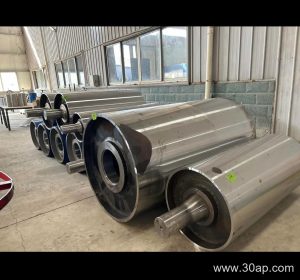
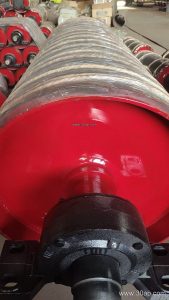
It is not a substitute for a drive pulley, tail pulley, or bend pulley. Those are conveyor pulleys that transmit power or change belt direction, while the rubber disc idler is a free-rotating support roller. For comparison, a return idler or a V-type return idler is used on the return strand, and a training idler is used to correct belt misalignment. The rubber disc idler can be part of a training set when the discs are arranged to guide the belt, but its main role remains load support and impact absorption.
Applications Across Industries
Because of its shock-absorbing rubber discs, the Ø89 rubber disc idler is frequently found in primary and secondary crushing circuits. In a quarry or aggregate plant, it supports the belt under the crusher discharge. In a coal washing plant or a power plant coal handling system, it helps manage lumpy coal and reduces wear on the belt. Other suitable locations include iron ore and copper ore transfer points, as well as tunnel muck removal and fertilizer handling lines where moderate belt widths are used.
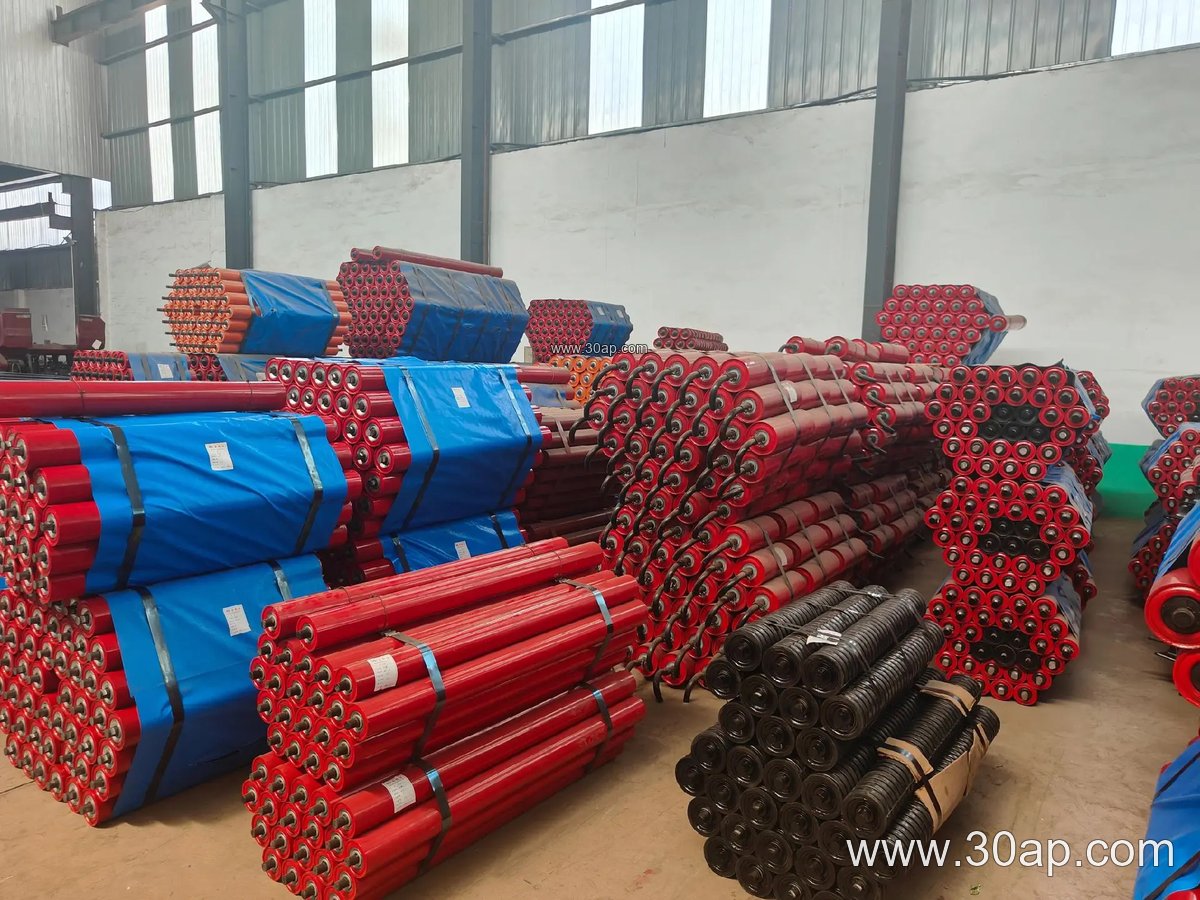
The idler works together with the conveyor belt, the conveyor bracket, and the conveyor pulley to keep the system running. A heavy-duty mining conveyor belt or an abrasion resistant conveyor belt may be paired with rubber disc idlers to extend service life in demanding conditions. In dusty or wet environments, sealed bearings and quality rubber compounds matter more than the nominal diameter alone.
Selection and Maintenance Notes
When selecting a Ø89 rubber disc idler, buyers should confirm the belt width, the trough angle, the roll length, the bearing size, and the mounting dimensions. A common three-roll troughing set for a B650 belt may use rolls around 250 mm long, while a B1200 belt may use rolls around 465 mm. These values are examples and should be checked against the actual conveyor design. The shaft diameter should be confirmed from the idler frame or bracket drawing, not assumed from the belt width.
- Check that the rubber discs are firmly bonded and free from cracks or excessive wear.
- Verify that the bearings rotate freely and that the seals are intact.
- Confirm the roll length and shaft end dimensions match the existing conveyor bracket.
- Inspect the idler after the first weeks of operation, especially in impact zones.
For buyers sourcing idlers alongside belts, it is useful to review the conveyor belt specification at the same time. A fabric core conveyor belt such as an EP conveyor belt or NN conveyor belt may require different idler spacing than a steel cord conveyor belt. The Ø89 rubber disc idler is one component in a broader system, and its performance depends on correct matching with the belt, the pulley, and the frame.