What an Impact Resistant Conveyor Belt Is
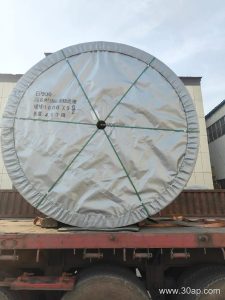
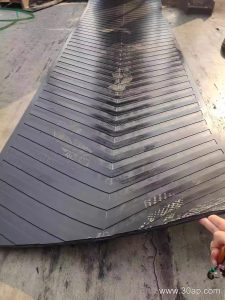
An impact resistant conveyor belt is a heavy-duty rubber belt engineered to absorb the shock of large, sharp, or heavy lumps at the loading point. Unlike a standard fabric belt that may cut or delaminate under repeated drop impacts, this belt uses reinforced breaker layers and tough cover compounds to spread point loads across a wider area. It is a familiar sight in mines, quarries, cement plants, power stations, and sand and gravel yards where crusher feed and screened rock arrive with high kinetic energy.
Buyers sometimes refer to it as a shock-absorbing belt or a high-impact conveyor belt. Those names describe the same product family; the core idea is always extra protection where material first lands on the conveyor.
How the Belt Is Built
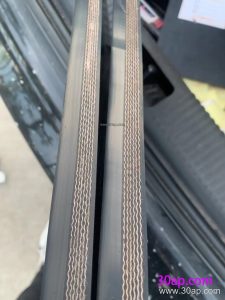
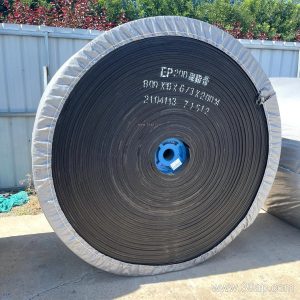
The construction usually combines a strong carcass with an impact-damping layer beneath the top cover. Common carcass options include EP conveyor belt fabric (polyester warp, nylon weft) and NN conveyor belt fabric (nylon warp and weft). For very high tension and long lifts, a steel cord conveyor belt may be chosen, but the impact-resistant design is most often seen in multi-ply fabric core conveyor belt constructions. A typical build includes:
- Top cover rubber, often 6+2 mm or 8+3 mm for severe duty, formulated for abrasion resistance
- A breaker layer of special fabric or steel mesh that resists cutting and puncture
- Two to six plies of EP or NN fabric, depending on belt width and load
- Bottom cover of 1.5 mm to 3 mm to protect the pulley side
The rubber compound is usually a high abrasion resistant conveyor belt grade. In coal mines, a flame retardant conveyor belt or fire resistant conveyor belt version may be required, and anti-static conveyor belt properties are often specified for underground coal mining conveyor belt service.
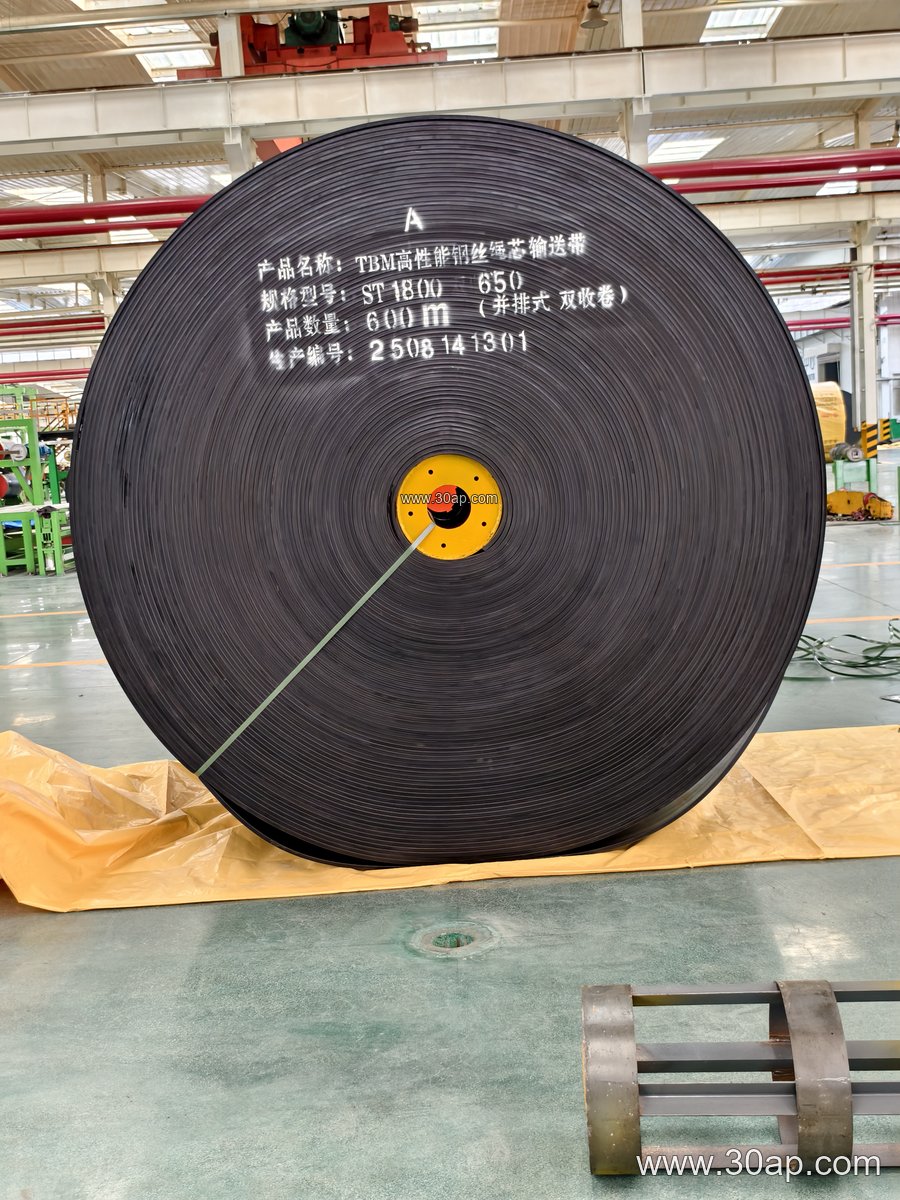
Where It Is Used
The belt earns its place at transfer points, crusher discharges, and truck or shovel loading stations. In a quarry conveyor belt line, rock conveyor belt sections after the primary crusher see sharp granite and limestone. In iron ore conveyor belt and copper ore conveyor belt circuits, heavy lump ore can punch through ordinary covers. Cement plant conveyor belt systems use it under clinker coolers and crusher outlets. Power plant conveyor belt routes handling coal benefit from a fire resistant conveyor belt grade with impact protection. Sand making plant conveyor belt and stone crushing conveyor belt layouts also rely on it where feed is coarse and drop heights are significant.
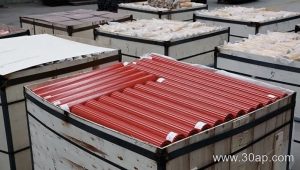
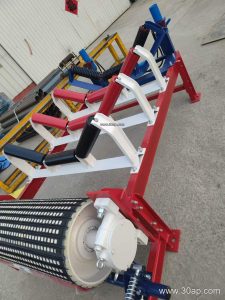
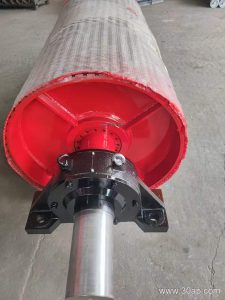
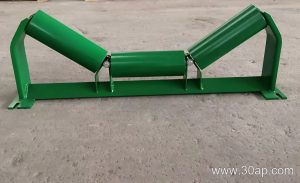
Supporting equipment matters too. A well-aligned idler roller set and properly sized conveyor pulley reduce edge damage, while a sturdy conveyor bracket keeps the whole frame stable at the loading zone. Impact idlers or cushion rollers under the belt at the chute are often used together with an impact resistant carcass.
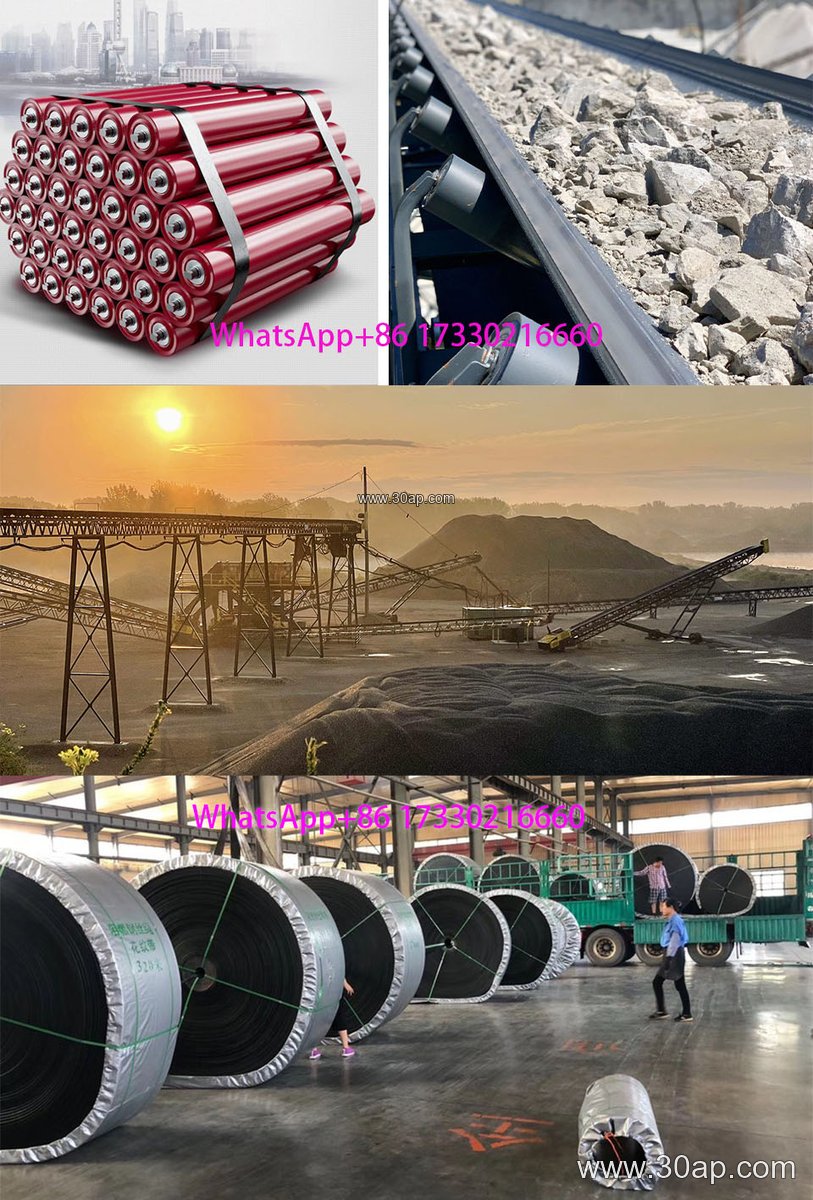
Specifications a Buyer Should Check
Widths commonly run from 500 mm to 2000 mm, with 800 mm, 1000 mm, 1200 mm, and 1400 mm being frequent choices in aggregate and mining duty. Strength grades for EP belts often fall between EP200 and EP1000, though heavier EP1250 or EP1600 may appear on long overland lines. The table below shows representative reference data, not a fixed supply promise.
| Parameter | Common Reference Range |
|---|---|
| Belt width | B500 to B2000 (e.g., 800 mm, 1000 mm, 1200 mm) |
| Fabric strength | EP200 to EP1000, occasionally higher |
| Number of plies | 2 to 6 |
| Top cover thickness | 4 mm to 8 mm |
| Bottom cover thickness | 1.5 mm to 3 mm |
| Cover grade | Abrasion resistant, flame retardant, anti-static, oil resistant |
Ask for the impact energy the belt is expected to absorb, the lump size and drop height, and the pulley diameters at drive and tail positions. A belt width does not dictate one pulley diameter; the conveyor designer matches them to tension and belt thickness.
Selection and Maintenance Notes
Match the cover grade to the environment. A cold resistant conveyor belt may be needed in freezing climates, while a heat resistant conveyor belt is appropriate near hot clinker or sinter. Keep loading chutes centered so material lands on the belt midline, and check that impact idlers are positioned directly under the load. Inspect the top cover for cuts and exposed fabric, especially after the first weeks of service. An endless conveyor belt splice made properly will preserve the impact protection across the joint.
For more information on matching belts with rollers and pulleys, visit www.example.com/conveyor-belt and www.example.com/idler-roller. A balanced conveyor system, from the conveyor pulley to the smallest idler roller, extends the life of every impact resistant belt in the line.