What an Assembled Pulley Is
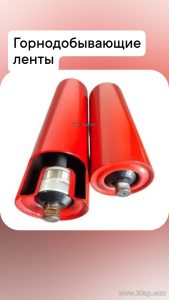
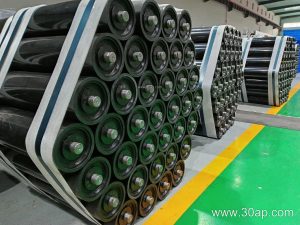
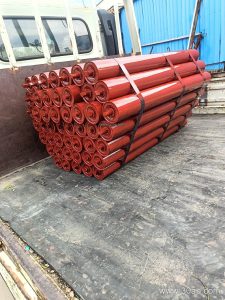
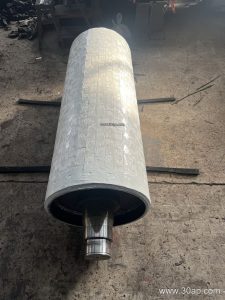
An assembled pulley is a complete, ready-to-install conveyor pulley that combines the shell, shaft, hub, bearings, and locking elements into one unit. Unlike a bare shell that requires on-site assembly, this pre-assembled component arrives as a single piece, reducing installation time and alignment errors. In bulk handling operations—from a limestone quarry to a coal washing plant—the assembled pulley serves as the driving, tail, or bend point that keeps the conveyor belt moving efficiently.
Construction and Key Components
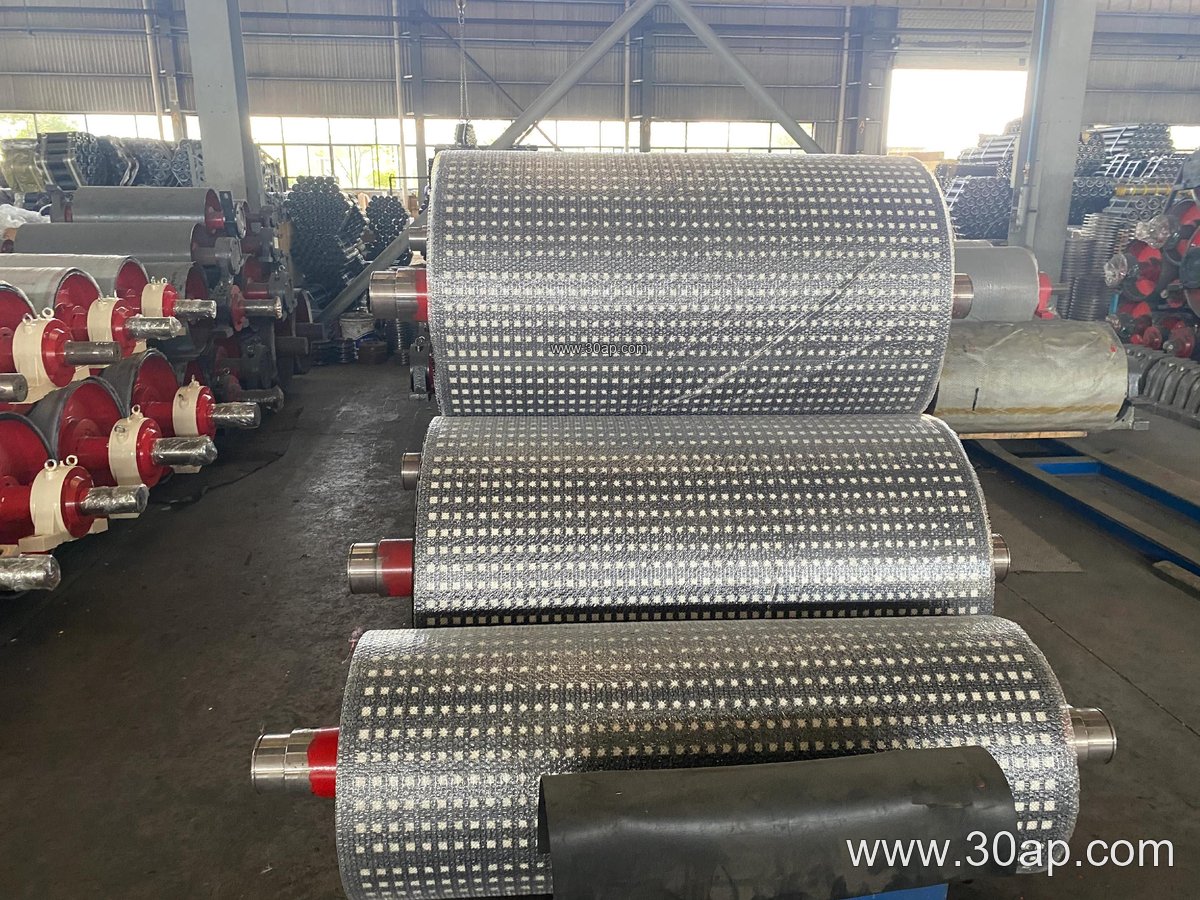
The typical assembled pulley consists of a cylindrical shell, often made from steel pipe or rolled plate, welded to end discs or hubs. The shaft is fitted through the hubs and secured with keyless locking assemblies or shrink discs. Bearings are mounted in bearing housings that bolt to the conveyor bracket. Surface options include plain finish, rubber lagging (cold-bonded or hot-vulcanized), diamond grooving, herringbone pattern, or ceramic tiles. Lagging thickness commonly ranges from 8 mm to 20 mm, depending on the duty. The pulley face width usually exceeds the belt width by 50–200 mm; for example, a B800 belt often pairs with a 950 mm face, while a B1200 belt may use a 1400 mm face.
Where It Fits in the Conveyor Line
Assembled pulleys appear at several critical positions. The drive pulley, also called the head pulley, transmits power to the belt and is often lagged for grip. The tail pulley at the loading end guides the belt’s return. Bend pulleys change the belt path, and take-up pulleys maintain tension. Each position imposes different loads, so shaft diameter is selected by torque and radial load—not simply by belt width. Common shaft sizes include Ø80, Ø100, Ø120, and Ø160, but the final choice depends on the conveyor’s design calculations. In a typical stone crushing plant, an assembled pulley with a Ø500 mm diameter and 950 mm face might work with an EP conveyor belt, while a heavier iron ore application could require a Ø800 mm pulley and a steel cord conveyor belt.
Matching the Pulley to the Belt and Duty
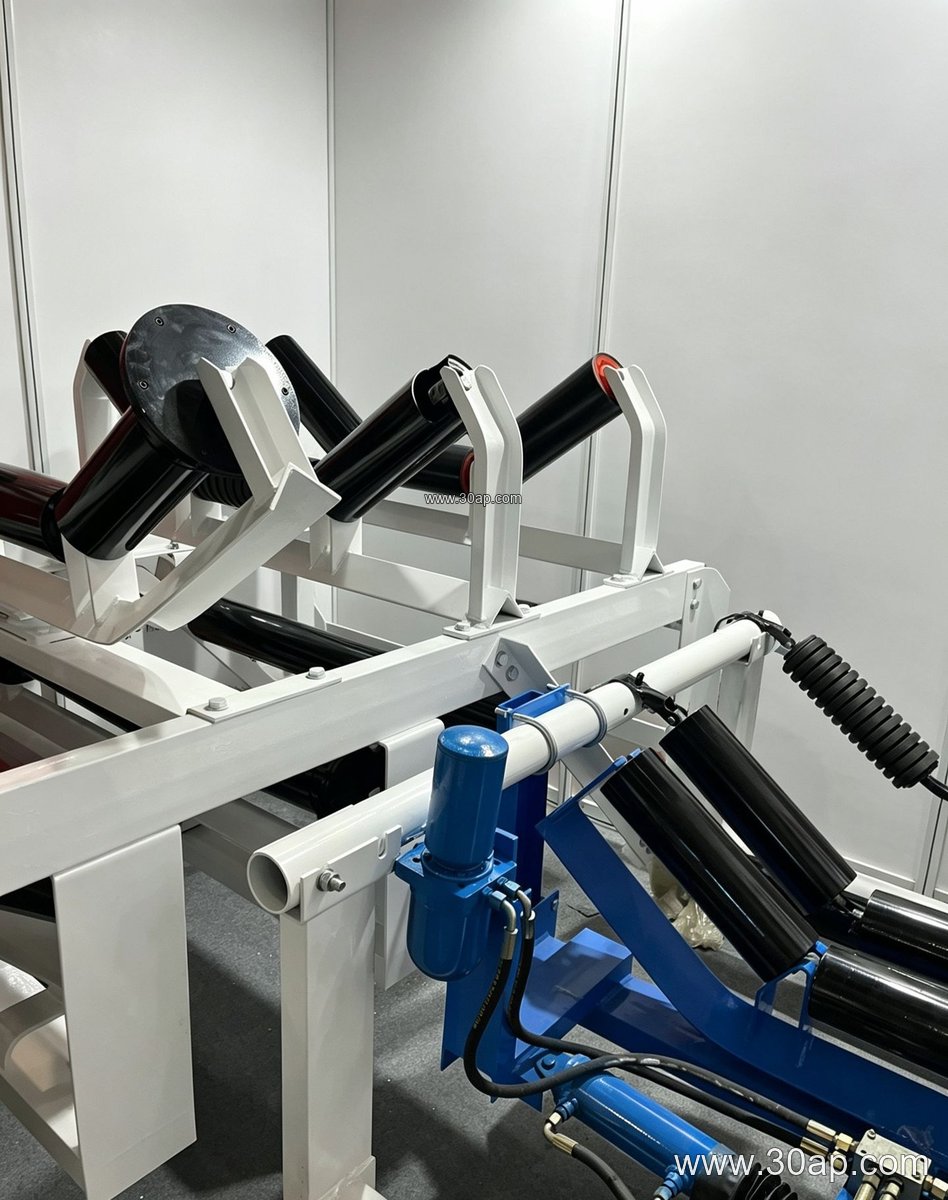
Although the assembled pulley is the focus here, its performance depends on harmony with the belt. A rubber conveyor belt with high abrasion resistance suits abrasive granite or slag, while a heat resistant conveyor belt is needed near clinker coolers or sinter plants. In underground coal mining, a flame retardant conveyor belt (PVG or PVC) is mandatory, and the pulley lagging should be anti-static to avoid spark risks. The pulley diameter must be large enough to limit belt bending stress; too small a diameter shortens belt life, especially with thick, multi-ply fabric core or steel cord belts. A general rule is to follow the belt manufacturer’s minimum pulley diameter recommendation, which varies by belt type and tension rating.
Specification Examples for Reference
Buyers often ask for common combinations. The table below shows illustrative sizes—not fixed rules. Always confirm with the conveyor designer.
| Belt Width (B) | Typical Pulley Face | Common Diameter Range | Common Shaft Diameter |
|---|---|---|---|
| B500 | 600 mm | Ø250–Ø400 | Ø60–Ø80 |
| B650 | 750 mm | Ø315–Ø500 | Ø70–Ø100 |
| B800 | 950 mm | Ø400–Ø630 | Ø80–Ø120 |
| B1000 | 1150 mm | Ø500–Ø800 | Ø100–Ø140 |
| B1200 | 1400 mm | Ø630–Ø1000 | Ø120–Ø160 |
| B1400 | 1600 mm | Ø800–Ø1250 | Ø140–Ø180 |
These ranges are indicative; a B1200 belt can pair with a Ø1000 pulley in one plant and a Ø800 pulley in another, depending on belt tension and space. Similarly, shaft diameter is never derived from belt width alone—it follows torque and bearing load calculations.
Buyer Checklist
- Confirm the pulley’s position (drive, tail, bend, take-up) and whether lagging is needed for traction.
- Check the belt type: an EP conveyor belt, NN conveyor belt, or steel cord conveyor belt each has different minimum pulley diameter requirements.
- Specify face width, diameter, shaft size, bearing type, and locking method.
- Consider environmental factors: heat, oil, flame, or cold—choose lagging and belt accordingly (e.g., heat resistant conveyor belt, oil resistant conveyor belt, flame retardant conveyor belt).
- Verify that the pulley bracket and conveyor bracket interfaces match the existing structure.
- For abrasive materials like iron ore or cement clinker, specify adequate lagging thickness (10–15 mm is common) and consider ceramic lagging for extended wear life.
An assembled pulley simplifies maintenance and reduces downtime, but only when its specifications align with the belt and the conveyor’s duty. Whether the application is a quarry, a power plant coal yard, or a port bulk terminal, selecting the right combination of shell, shaft, lagging, and bearing makes the difference between smooth operation and frequent stoppages.