What a Conveyor Leg Does on the Frame
A conveyor leg is the vertical support that carries the frame and the load above it. On a typical installation, the leg rises from a base plate or concrete foundation to meet the stringer, and the stringer in turn carries the idler roller stations. The leg does not touch the belt directly, yet its stiffness and alignment decide whether the conveyor belt tracks smoothly or wanders. In a quarry or a cement plant, a weak or badly set leg shows up quickly as a chute-side spill or a frayed belt edge.
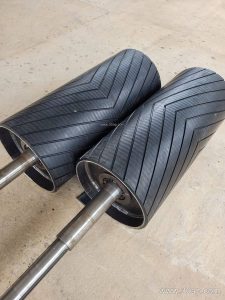
In everyday site language, the same component is called a conveyor support leg or a conveyor stand leg. It is a structural part, not a rotating part, so it should never be confused with a conveyor pulley. Drive pulleys, tail pulleys and bend pulleys each do a different job at the ends or along the return run, and none of them replaces a leg.
Construction and Common Materials
Most legs are fabricated from angle steel, channel steel, or folded steel plate. Light frames often use angle; heavier frames in a crusher circuit or a power plant coal yard tend toward channel or folded plate with gussets at the joint. Height adjustment is usually built in through slotted holes or a telescopic section, which helps when a foundation is slightly out of level.
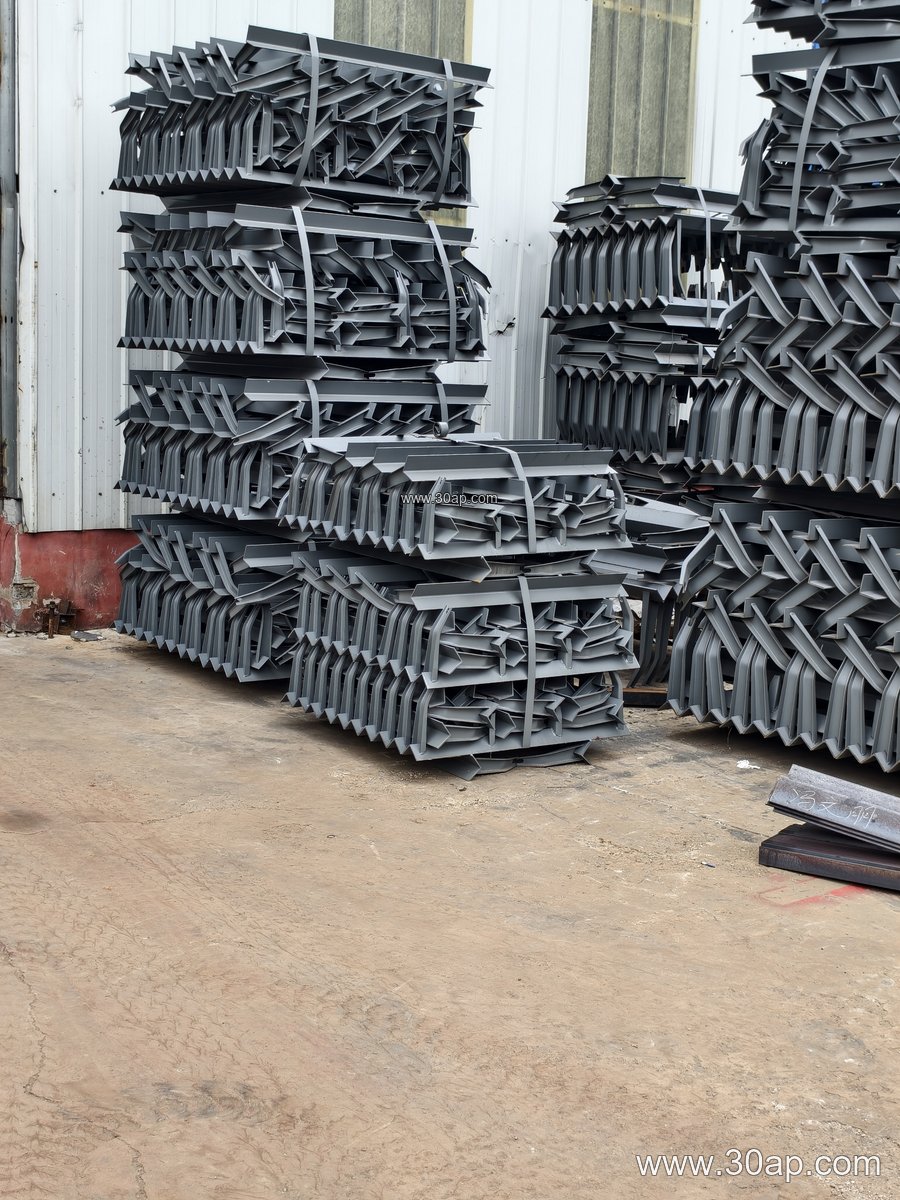
A leg is normally bolted to a conveyor bracket at the top and anchored at the base. H-type and T-type stands are common shapes, and cross bracing is added where the frame is tall or exposed to wind. Hot-dip galvanizing or a shop primer is often specified for outdoor lines, but the actual coating should be confirmed with the supplier rather than assumed.
Where Conveyor Legs Are Used
These supports appear wherever a belt runs above grade. Two typical settings:
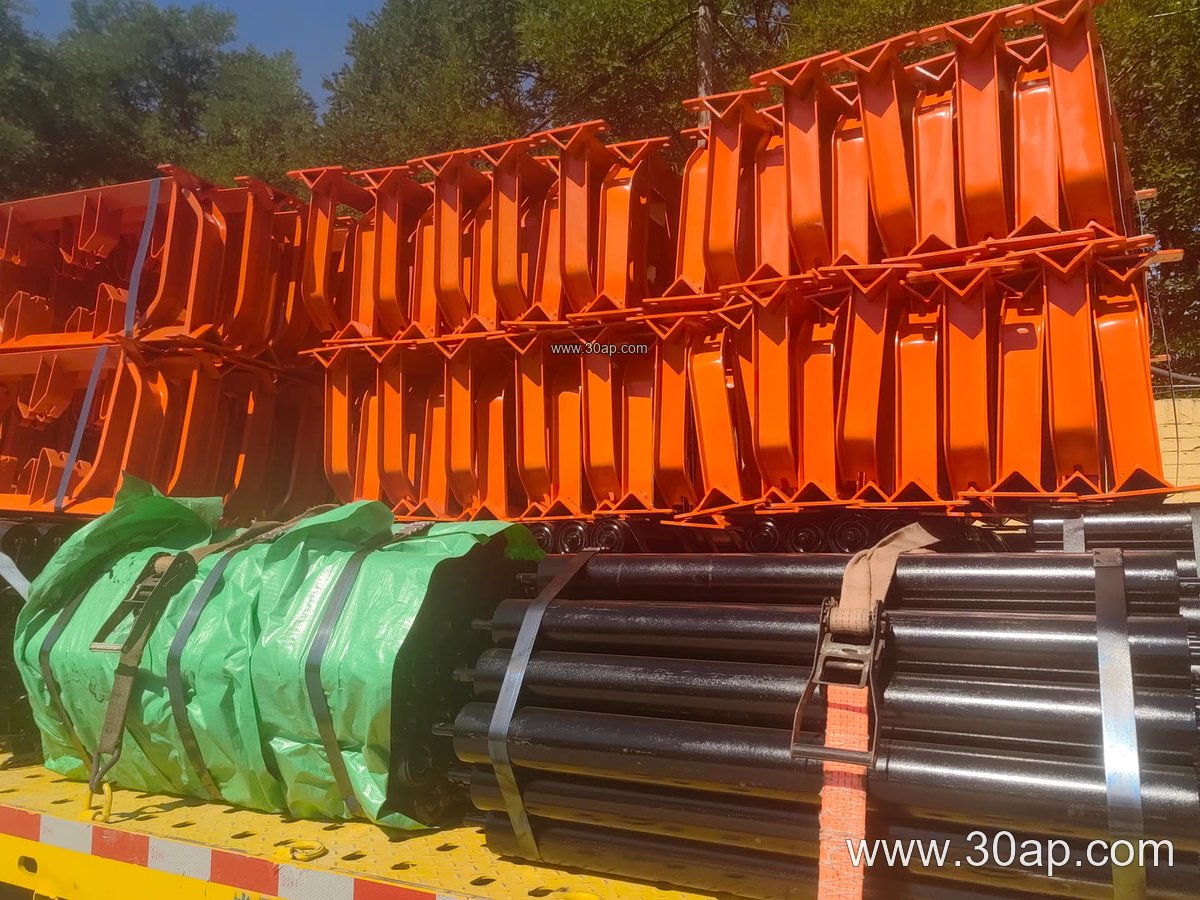
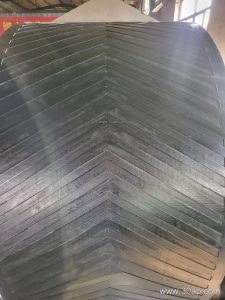
- Crushing and screening lines. Legs hold the transfer and discharge frames that carry an abrasion resistant conveyor belt away from the jaw or cone crusher, where impact and dust are constant.
- Power plant coal handling. Long trestle runs use repeated leg frames to keep the belt clear of the ground and to allow walkways underneath.
The same part is equally at home in a sand and gravel yard, a steel plant sinter line, or a port shiploading gallery. The demands differ mainly in load, span and corrosion exposure.
Matching the Leg to Belt Width and Idler Size
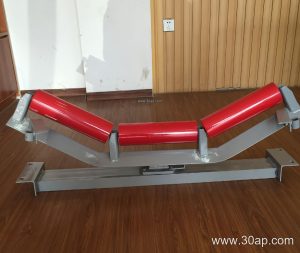
Frame geometry follows the belt and the trough. A narrow frame might be built around B650 at a 30 degree trough with Ø89 idlers, while a wider primary line may use B1200 at 35 degrees with Ø133 rollers, or B1400 at 45 degrees with Ø159. These are examples of common combinations, not fixed rules. A given belt width can be paired with more than one trough angle or roller diameter depending on capacity and material.
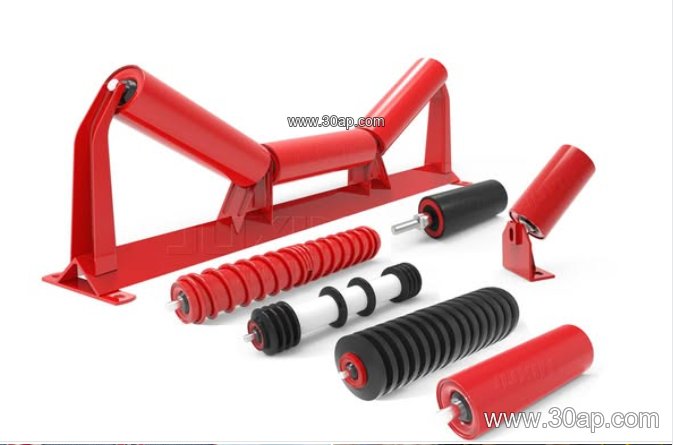
Installation hole spacing and crossbeam length change with belt width and trough angle, so they are determined by design rather than taken from a standard table. When the frame is adjustable, the trough angle can usually be set anywhere between about 20 and 45 degrees to suit the material. Forward-leaning idler frames, often around 1.5 to 2 degrees, are a separate detail that affects training and should not be confused with the leg itself.
Adjustable Versus Fixed Stands
A fixed leg is simple and rigid, and it suits a line whose elevation will not change. An adjustable leg costs a little more but simplifies leveling and lets maintenance crews correct minor height differences after foundation settlement. On a tunnel spoil line or a temporary stockpile conveyor, that flexibility is often worth the extra hardware.
Whatever the type, the leg must be square to the stringer. A twisted frame loads the idler roller unevenly, and the belt will drift toward the low side.
Buyer Checklist
- Confirm belt width, trough angle and idler diameter before ordering, for example B800, 35 degrees, Ø108.
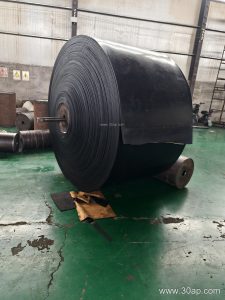
- State the load: a heavy-duty mining conveyor belt carrying wet ore needs a stiffer frame than a light aggregate line.
- Ask for the base plate hole pattern and the top bracket hole spacing as drawings, since both vary with design.
- Check whether the leg is fixed or adjustable, and confirm the adjustment range.
- Match the coating to the site, especially in a wash plant or a coastal port.
Order legs together with the stringers, brackets and pulley assemblies so the hole patterns line up on arrival. A small mismatch at the joint can cost a full day of site fitting.