What Conveyor Bracket Fabrication Involves
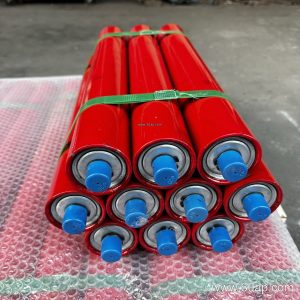
Conveyor bracket fabrication is the process of cutting, forming, and assembling the structural supports that hold idler rollers and shape the conveyor belt. These brackets, often called idler frames or stands, are the backbone of any conveyor system. A well-fabricated bracket ensures proper belt alignment, reduces wear on the conveyor belt, and keeps material moving smoothly in industries such as mining, cement plants, power stations, and quarries.
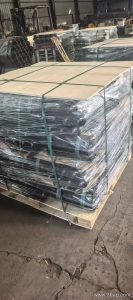
The fabrication starts with raw steel. Common materials include angle iron, channel steel, and bent steel plate. Each bracket type is designed for a specific location along the conveyor: carrying side, return side, transition zones, or impact areas. The choice of material and design depends on the load, belt width, and environmental conditions.
Key Types and Their Fabrication Details
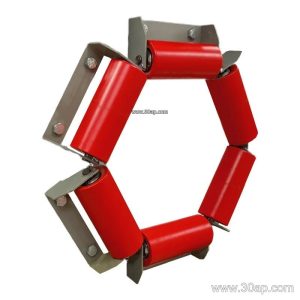
Different bracket designs serve different functions. Troughing brackets, also known as carrying idler frames, support the belt on the load side and create the trough shape that keeps bulk material centered. Return brackets hold the belt on the return run. Transition brackets guide the belt from flat to troughed profile near pulleys. Impact brackets are reinforced to absorb shock at loading points. Self-aligning brackets help correct belt misalignment.
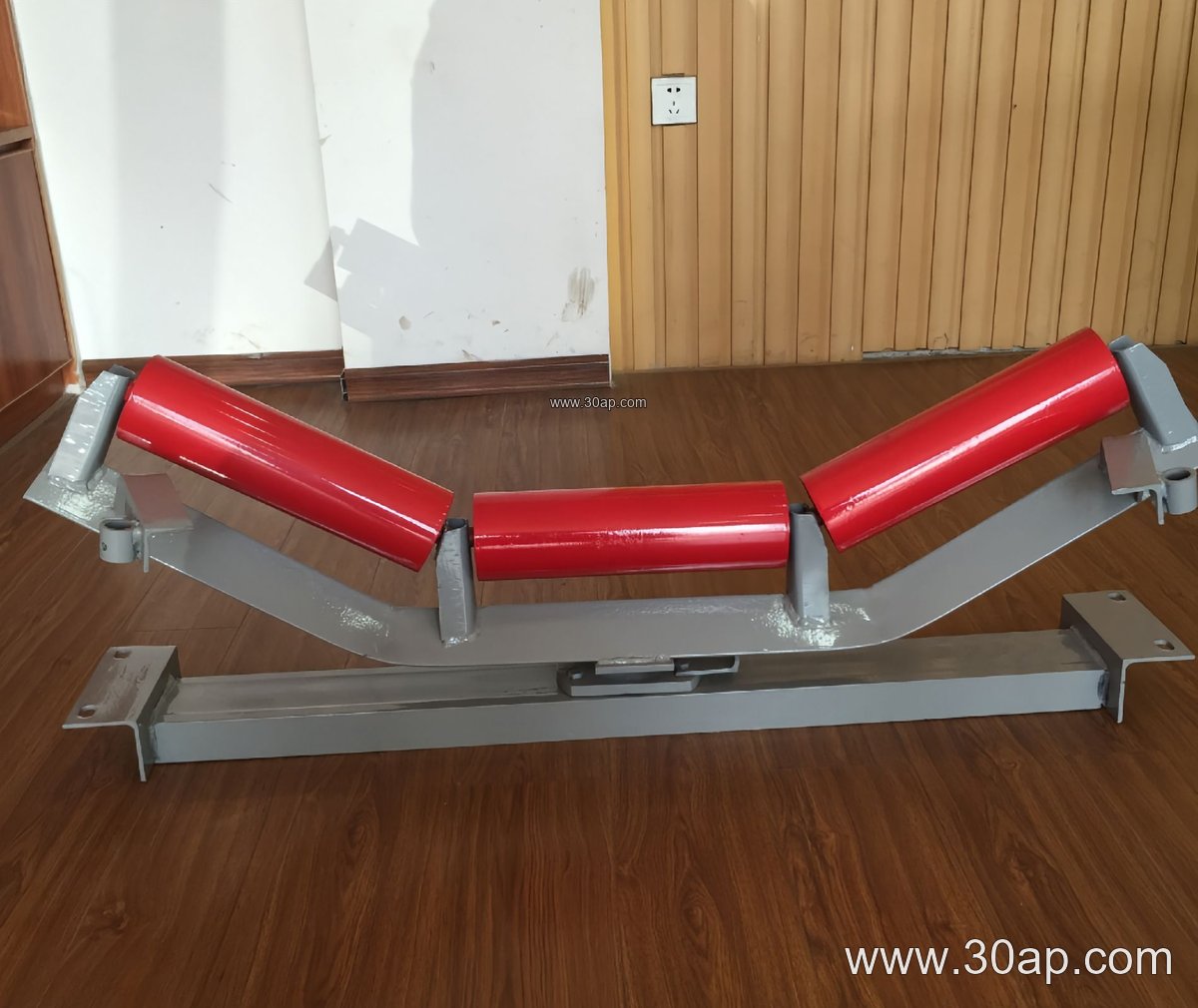
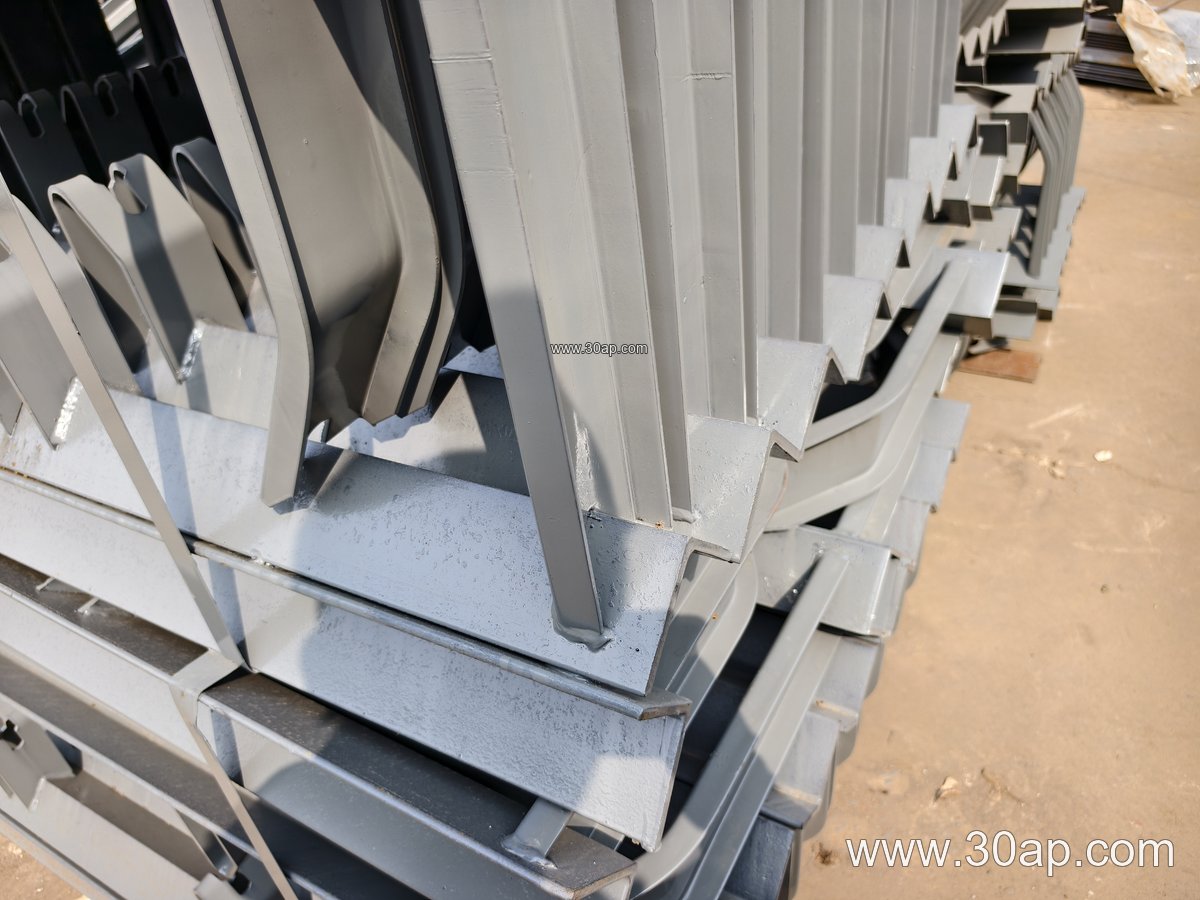
Fabrication tolerances matter. Weld quality, hole spacing, and overall squareness affect how well the idler rollers sit and how evenly the belt runs. A poorly fabricated bracket can cause premature wear on the conveyor belt, increased power consumption, and frequent downtime.
Typical Dimensions and Configurations
Bracket dimensions are matched to belt width and roller diameter. Common belt widths include B500, B650, B800, B1000, B1200, B1400, B1600, B1800, B2000, B2200. Trough angles are usually 20, 30, 35, or 45 degrees. Roller diameters often range from Ø89 to Ø194. Below is a reference table showing typical combinations; actual values should be confirmed by design requirements.
| Belt Width | Trough Angle | Roller Diameter | Common Bracket Type |
|---|---|---|---|
| B500 | 30° | Ø89 | Troughing bracket |
| B650 | 35° | Ø89 | Troughing bracket |
| B800 | 35° | Ø108 | Troughing bracket |
| B1000 | 35° | Ø108 | Troughing bracket |
| B1200 | 45° | Ø133 | Troughing bracket |
| B1400 | 45° | Ø133 | Troughing bracket |
| B1600 | 45° | Ø159 | Troughing bracket |
| B1800 | 45° | Ø159 | Troughing bracket |
| B2000 | 45° | Ø194 | Troughing bracket |
| B2200 | 45° | Ø194 | Troughing bracket |
These are reference values, not fixed rules. A bracket for B800 can be designed for 20° or 45° depending on the application. Hole spacing and beam length are always determined by the specific belt width, trough angle, and roller diameter.
Where These Brackets Are Used
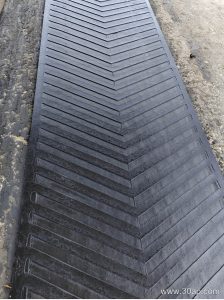
Fabricated brackets are found in nearly every bulk handling operation. In a coal washing plant, troughing brackets support the conveyor belt that carries raw coal to the wash box. In a limestone quarry, heavy-duty brackets with impact rollers handle large lumps at the crusher discharge. In a power plant coal yard, self-aligning brackets keep the belt centered on long overland conveyors. Each environment places different demands on the bracket: corrosion resistance, impact strength, or adjustability.
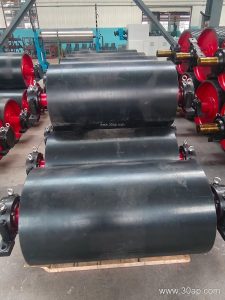
For example, a cement plant might use brackets with a 35-degree trough angle and Ø108 rollers on a B800 belt for clinker transport. A port facility handling iron ore may specify 45-degree troughing brackets with Ø159 rollers on a B1600 belt to maximize capacity. The bracket must match the conveyor pulley arrangement and the belt’s flexibility.
Buyer Checklist for Conveyor Bracket Fabrication
When sourcing fabricated brackets, buyers should consider several factors. First, confirm the belt width and trough angle required for the application. Second, specify the roller diameter and the mounting hole pattern. Third, decide between fixed and adjustable brackets; adjustable types allow trough angle changes and are useful when material characteristics vary. Fourth, check the material and finish: painted or galvanized steel for corrosive environments, or heavier sections for high-impact zones.
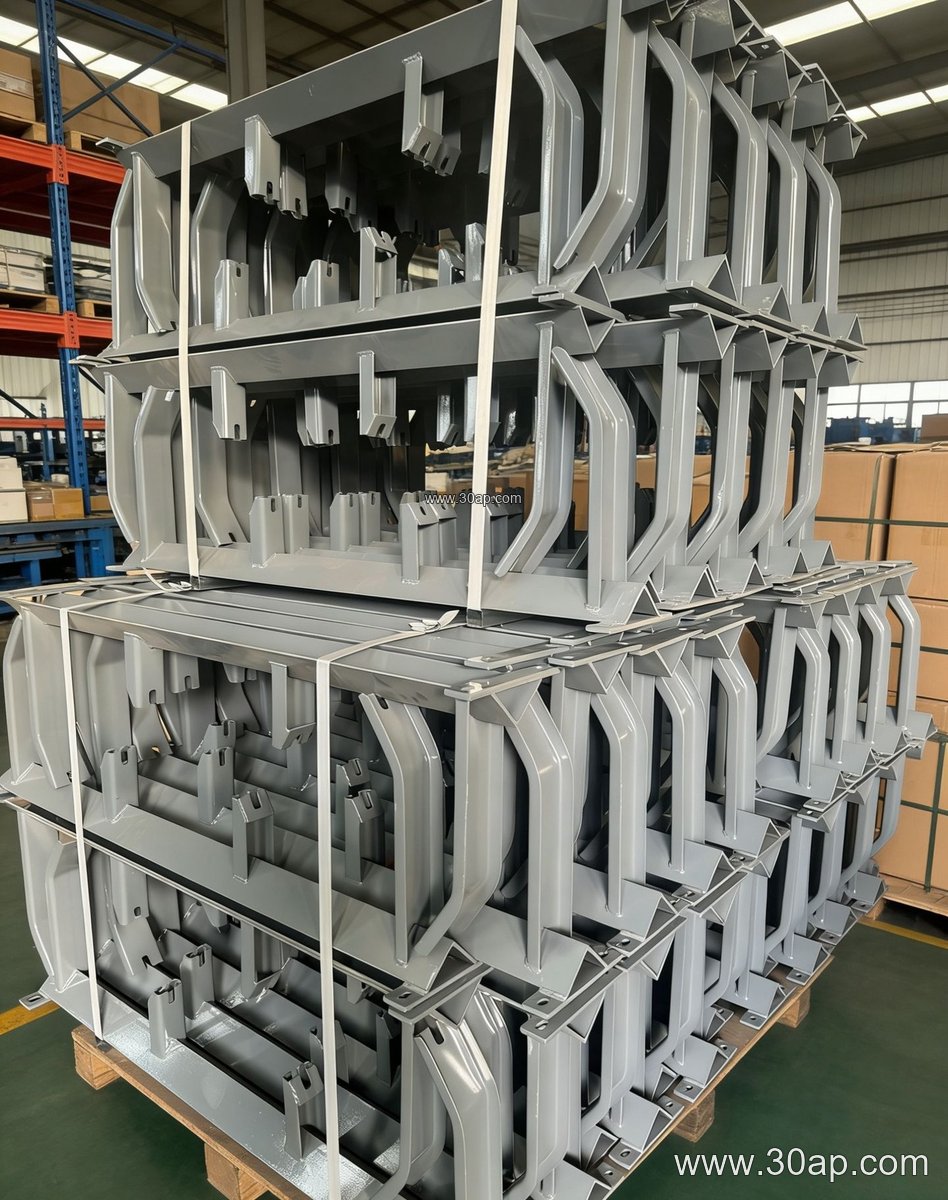
Also, verify that the bracket design accommodates the conveyor belt’s edge distance and the pulley dimensions. A bracket that is too narrow or too wide can cause belt tracking problems. Finally, ask for fabrication drawings or samples to ensure weld quality and dimensional accuracy.
Maintenance and Long-Term Reliability
Even well-fabricated brackets need periodic inspection. Check for loose bolts, bent frames, or worn idler rollers. Replace damaged brackets promptly to avoid belt damage. Keeping brackets aligned and tight extends the life of the entire conveyor system, from the conveyor belt to the pulleys.
For more information on conveyor components and fabrication options, visit our site at www.example.com/conveyor-bracket. Our team can help you specify the right brackets for your mining, quarry, or cement operation.