What the NN100 Conveyor Belt Is
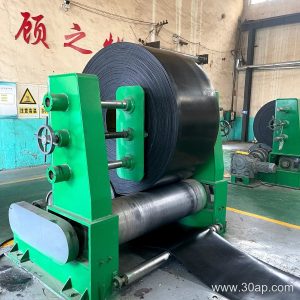
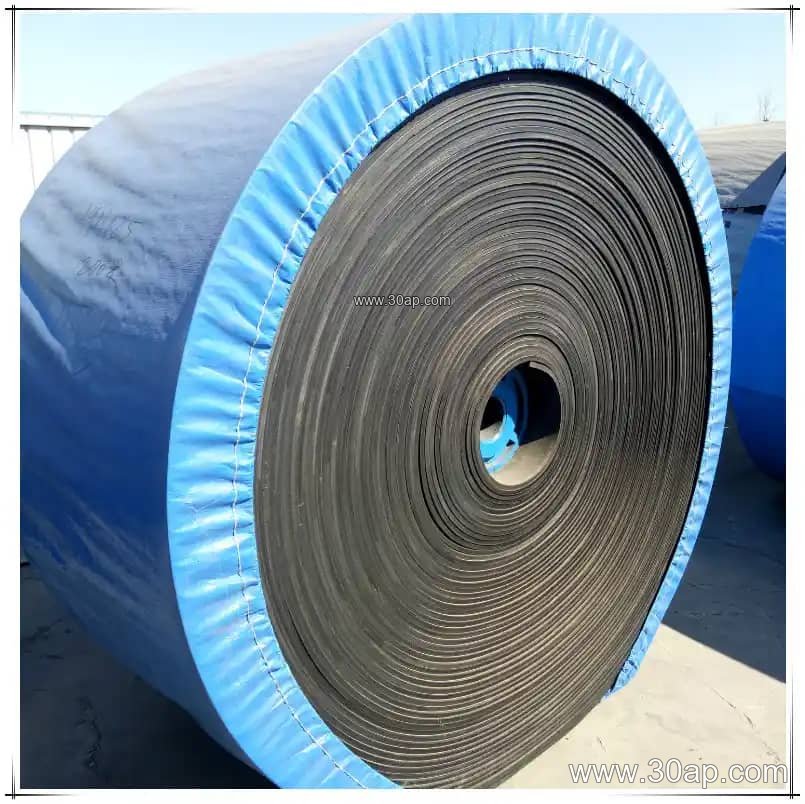
The NN100 Conveyor Belt is a fabric core conveyor belt built on nylon (NN) canvas. In this designation, the number 100 refers to the nominal tensile strength of the belt: 100 N/mm per ply. The carcass is made from multiple layers of nylon fabric, bonded with rubber and protected by top and bottom cover compounds. This construction gives the belt good flexibility, low elongation under load, and solid resistance to fatigue, which makes it a practical choice for many bulk material handling circuits.
As a member of the fabric core conveyor belt family, the NN100 sits at the lighter end of the nylon belt range. Higher grades such as NN200, NN300, and NN400 are available when the duty calls for more strength. For very high tensions and long overland routes, a steel cord conveyor belt may be the better fit, but for medium-duty conveying the NN100 often delivers a good balance of performance and cost.
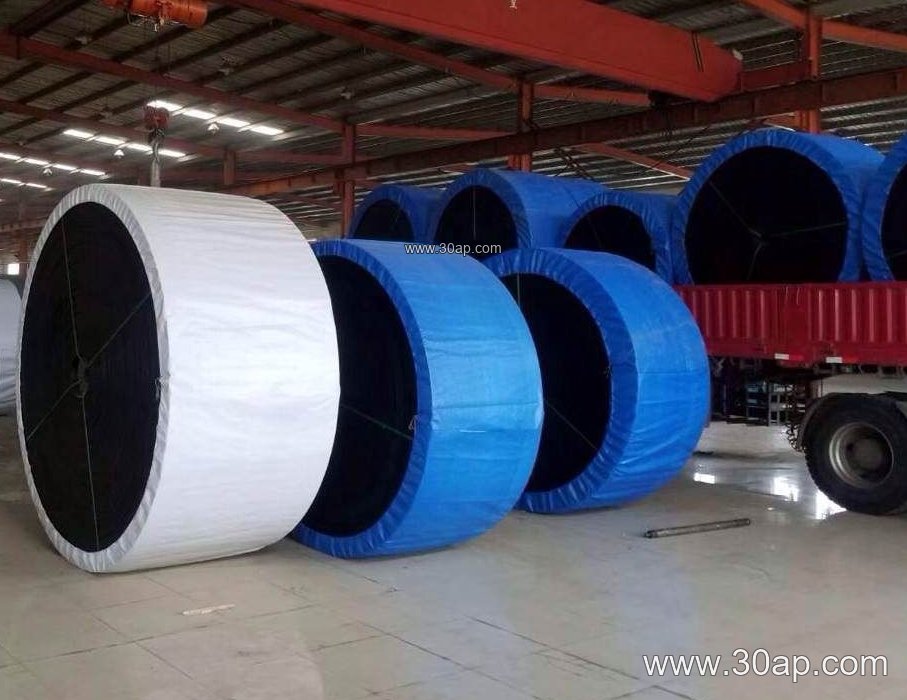
Construction and Typical Specifications
The belt is usually built with 2 to 6 plies of nylon fabric, depending on the required strength and the number of plies chosen by the designer. Cover rubber grades are selected to suit the cargo and the environment. Common cover thickness combinations include 3+1.5 mm, 4+2 mm, 5+2 mm, 6+2 mm, and 8+3 mm. A buyer can specify abrasion resistant, heat resistant, oil resistant, flame retardant, anti-static, or cold resistant covers as needed.
Widths are normally quoted in millimeters or in the shorthand form B500, B650, B800, B1000, B1200, and so on. The table below shows reference values that are often seen in catalogs and project specifications. These are common examples, not a fixed supply list, and actual dimensions should be confirmed with the manufacturer for each order.
| Item | Common reference values |
|---|---|
| Belt type | NN100 nylon fabric core |
| Nominal strength | 100 N/mm per ply |
| Number of plies | 2 to 6 |
| Belt width | B500, B650, B800, B1000, B1200, B1400 |
| Cover thickness | 3+1.5, 4+2, 5+2, 6+2, 8+3 mm |
Where It Fits in the Plant
Because the NN100 is flexible and easy to train, it is widely used in cement plants, power plants, sand and gravel yards, and general bulk material conveyor lines. It can move crushed stone, clinker, limestone, fertilizers, and similar materials at moderate loads. In a coal mining conveyor system, a flame retardant and anti-static version may be required by local safety rules, and the NN100 can be supplied with those covers. For heavier ores and very abrasive rock, a high abrasion resistant conveyor belt or a heavier NN grade may last longer.
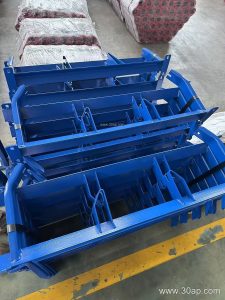
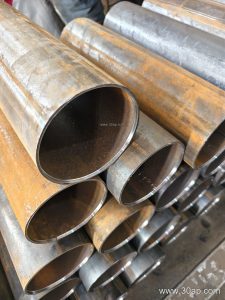
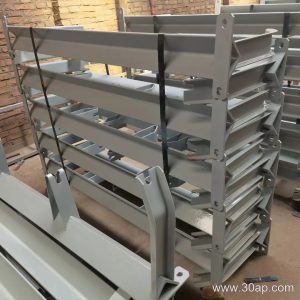
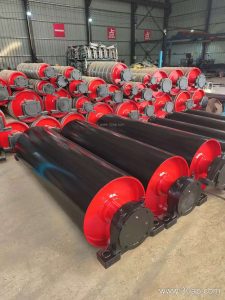
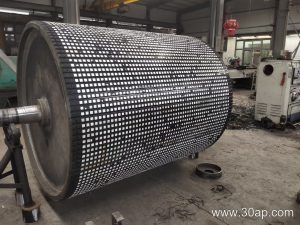
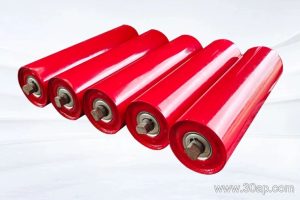
The belt does not work alone. It runs over conveyor pulleys, idler rollers, and a supporting conveyor bracket frame. The drive pulley, tail pulley, and bend pulleys each have a distinct role and are not interchangeable. A properly sized pulley and idler set helps the NN100 run straight and reduces edge damage. When the route includes an incline, a chevron conveyor belt or a corrugated sidewall conveyor belt can be considered for the same job, but those are different belt types and should not be treated as a direct substitute for the NN100.
Selection and Use Notes
- Check the actual working tension and take-up travel before choosing the ply count. The NN100 is rated at 100 N/mm per ply, so the total belt strength depends on the number of plies.
- Match the cover grade to the material. Hot clinker calls for a heat resistant cover, oily scrap calls for oil resistant rubber, and outdoor cold service may need a cold resistant grade.
- Confirm belt width against the conveyor frame and the pulley face. Belt width and pulley diameter are separate design choices; a given width does not dictate one fixed pulley diameter.
- Keep the belt tracking well. Misalignment wears the edges and can damage the fabric core.
- Store belts in a dry, shaded place and avoid sharp bends before installation.
For buyers comparing options, the NN100 conveyor belt is a sensible starting point for medium-duty fabric core conveying. It can be supplied with different cover compounds to handle abrasion, heat, oil, or fire risk, and it works with standard conveyor pulleys, idler rollers, and brackets. For larger projects, a supplier can review the duty and recommend whether an NN200 or an EP conveyor belt would be more suitable.