What a Five-Roll Idler Bracket Does
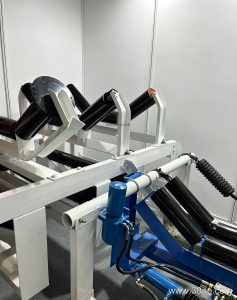
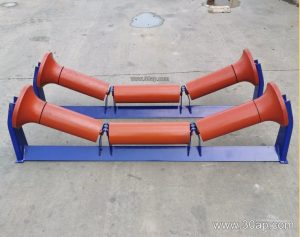
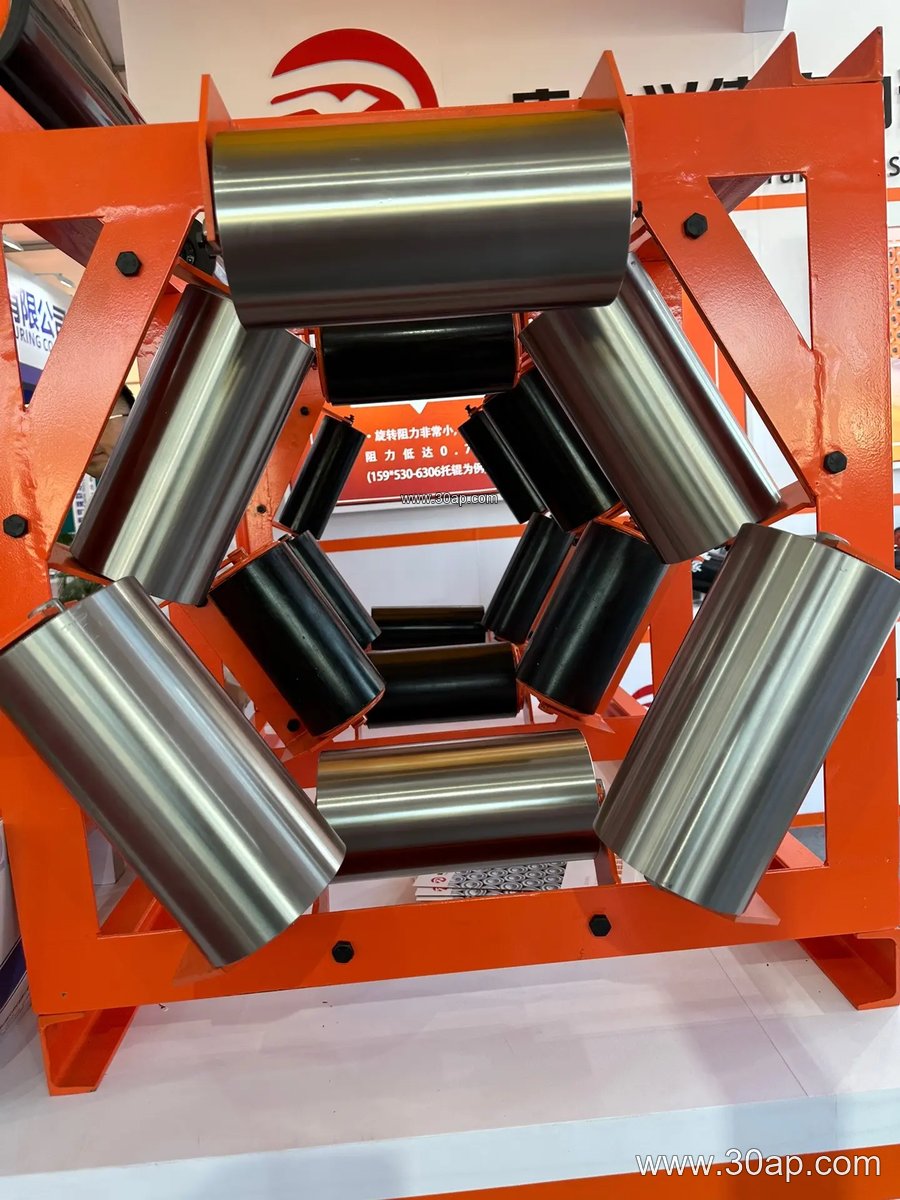
A five-roll idler bracket is the support frame that holds five idler rollers in a single carrying station, usually with two outer rollers set at a steeper angle and three inner rollers forming a shallow cradle. It is a troughing bracket family member, often called a five-roller idler frame or five-roll troughing bracket, and its job is to spread a wide conveyor belt into a deeper, more stable trough than a three-roll station can manage. On high-capacity lines in a limestone quarry, a coal washing plant or a power plant coal yard, the extra contact points reduce belt sag between rollers and keep bulk material centered on the belt.
How the Bracket Is Built
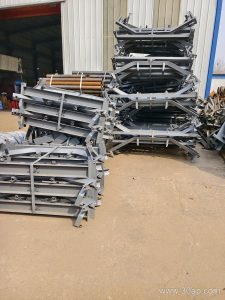
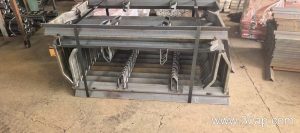
Most five-roll idler brackets are fabricated from angle steel, channel steel or folded steel plate, then welded into a rigid crossbeam with five mounting positions. The end supports are angled to create the trough, while the center section stays flatter. Roller shafts sit in slots or bolted brackets, and the frame is fixed to the conveyor stringer with mounting holes whose spacing follows belt width and trough angle. A welded or bolted design may be supplied as a fixed bracket or as an adjustable bracket that lets maintenance staff tune the trough angle.
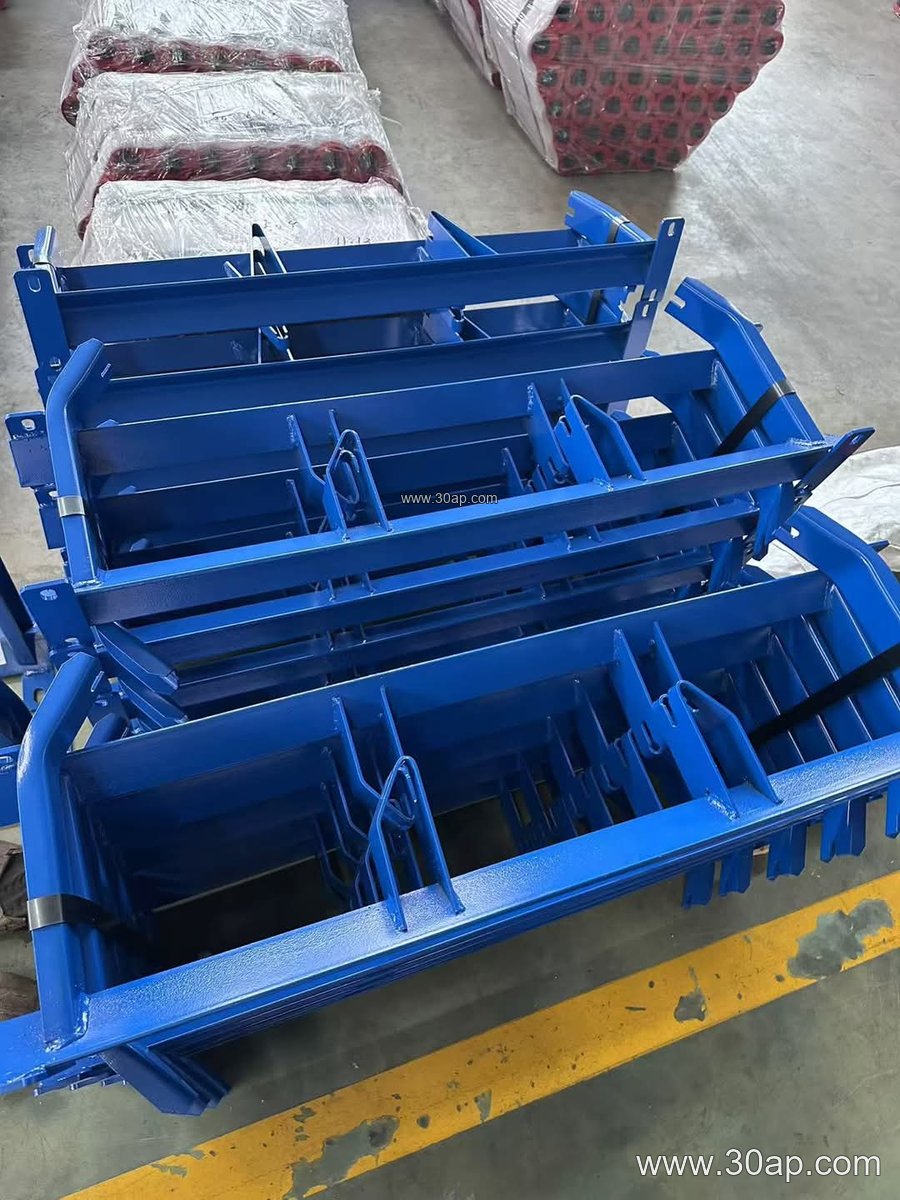
- Frame material: angle steel, channel steel or bent plate
- Trough angles commonly available: 20, 30, 35 and 45 degrees
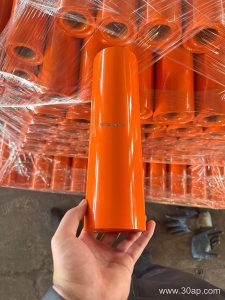
- Roller diameters often used: Ø89, Ø108, Ø133, Ø159 and Ø194
- Belt widths covered in practice: B500 up to B2200, with B1000, B1200 and B1400 common in bulk plants
Mounting hole spacing and crossbeam length are not fixed figures; they are determined by belt width, trough angle and the roller diameter chosen for the duty.
Trough Angle and Belt Width Selection
The five-roll layout is usually chosen when a standard three-roll trough cannot give enough belt support, for example on very wide belts or where material is coarse and heavy. A wider belt such as B1400 or B1600 may use a 35-degree or 45-degree arrangement to hold a deep load, while a moderate B800 line may stay around 30 degrees. A five-roll bracket does not force one roller size on one belt width; the same B1200 frame can be built for Ø133 or Ø159 rollers depending on load and belt stiffness.
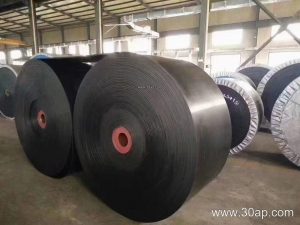
When the conveyor carries abrasive rock or ore, the bracket should be matched with a durable belt such as an abrasion resistant conveyor belt or a heavy-duty mining conveyor belt. For coal and underground work, a flame retardant conveyor belt or PVG800S conveyor belt is often specified, and the roller frame must be positioned to suit the belt’s stiffness and training behavior.
Where It Fits on the Conveyor
This bracket belongs to the carrying side, not to the drive, tail or bend pulleys. It is mounted on the load-carrying stringers of a conveyor and works with the troughing idler roller set to shape the belt. On a long overland line at a cement plant, several five-roll stations may be spaced along the load zone, while transition and impact brackets handle the feed area. A V-return bracket or flat return bracket is a different subtype and is used on the return strand, so it is not a substitute for a five-roll carrying bracket. The drive pulley, tail pulley and bend pulley remain separate components with their own support structures.
Buyer Checklist
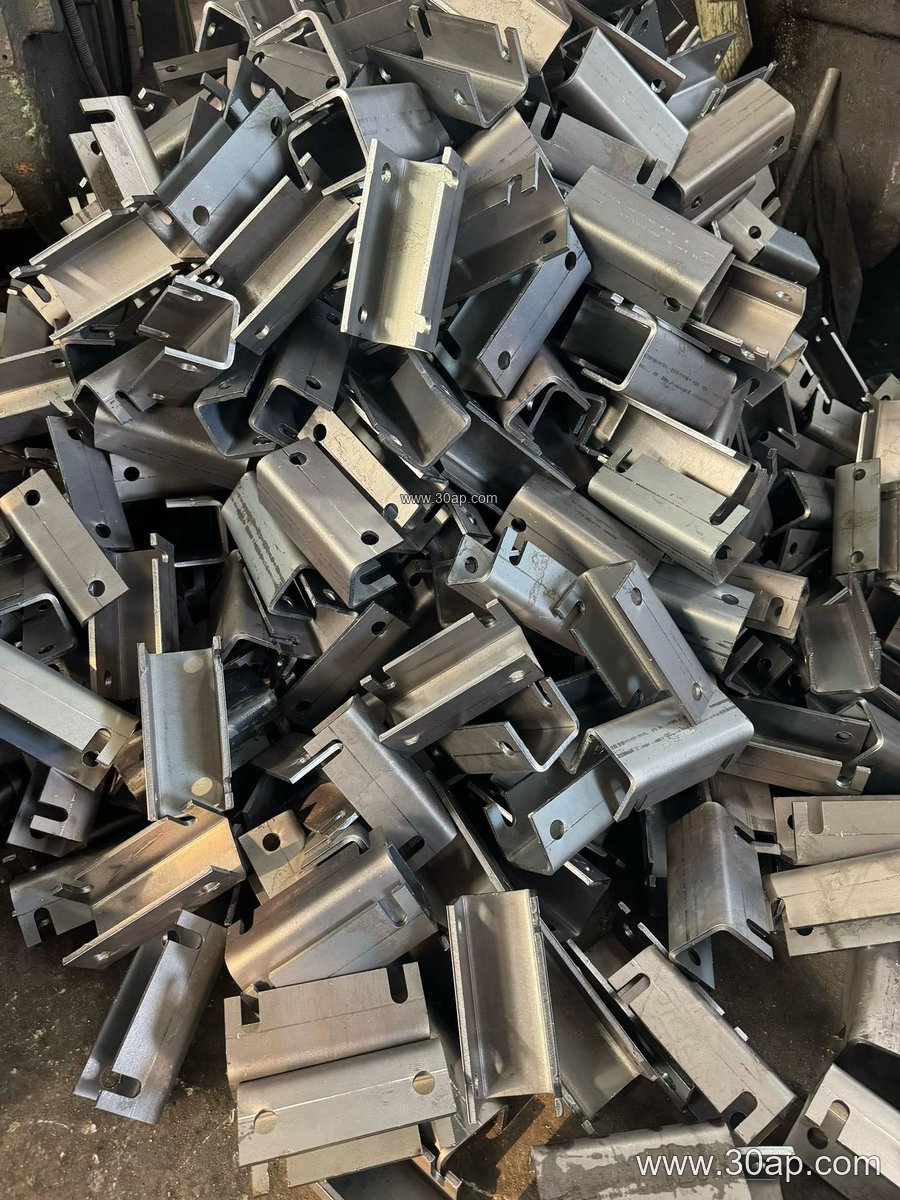
Before ordering, confirm the belt width, the required trough angle, the roller diameter, the shaft end type and the mounting hole pattern. Ask whether a fixed or adjustable frame suits the maintenance plan, and check that the frame material matches the environment, especially in wet or corrosive service. For a quarry conveyor belt line, a mine conveyor belt line or a port conveyor belt system, the five-roll bracket should be reviewed together with the conveyor belt, the idler roller grade and the pulley arrangement so the whole station works as one unit.
Buyers often compare suppliers of conveyor bracket and idler roller assemblies at sites such as www.xn--fiqs8s-conveyorbelt.com, where specification sheets help confirm the frame dimensions against the belt and roller data. The same review applies whether the plant runs an EP conveyor belt, a steel cord conveyor belt or a fabric core conveyor belt.