What Is a Parallel Idler Bracket?
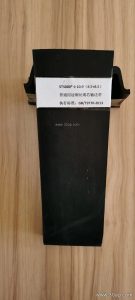
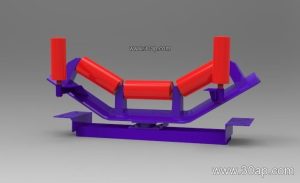
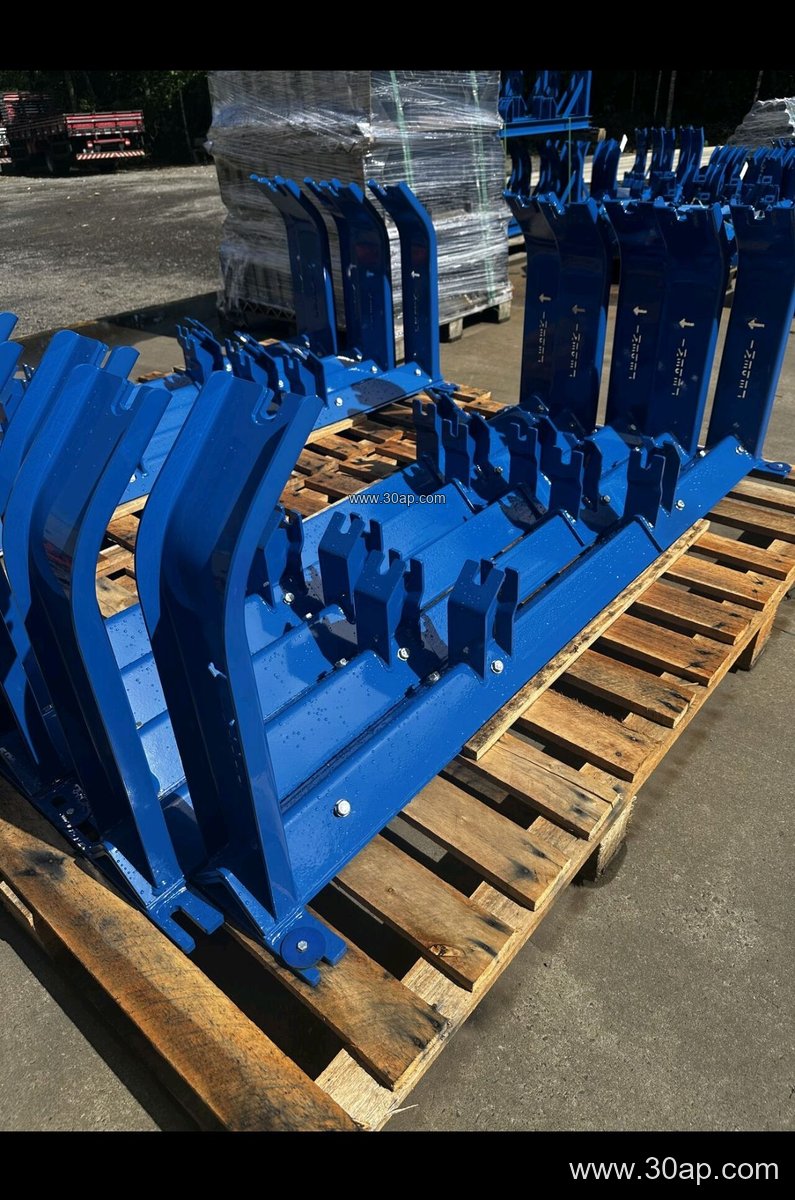
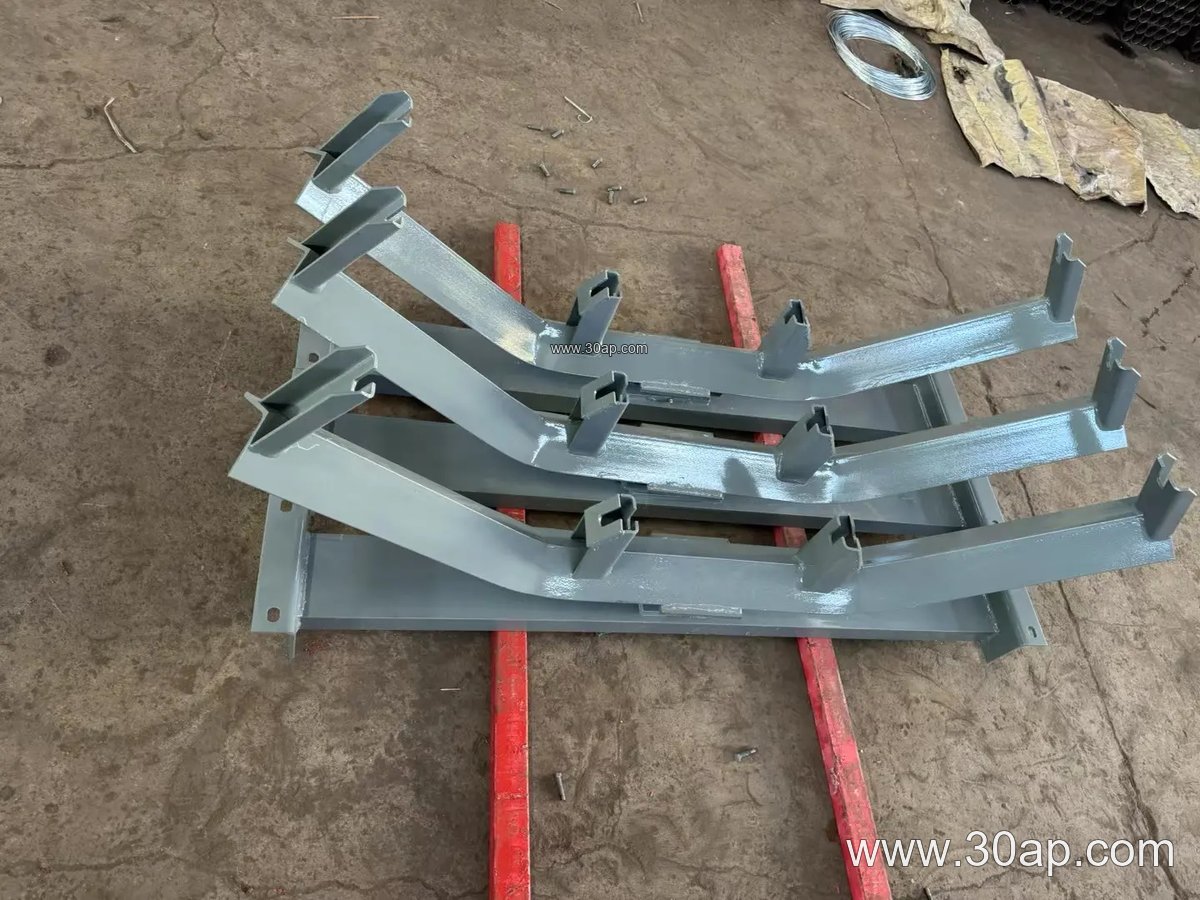
A parallel idler bracket is a structural component that supports and positions idler rollers in a conveyor system, keeping them parallel to the belt line. It is typically used on the return side or in applications where a flat belt profile is required, such as in certain mining, cement, and power plant conveyor circuits. Unlike troughing brackets that angle the rollers to form a trough, this bracket holds the idler roller in a horizontal or parallel orientation relative to the conveyor frame.
Construction and Materials
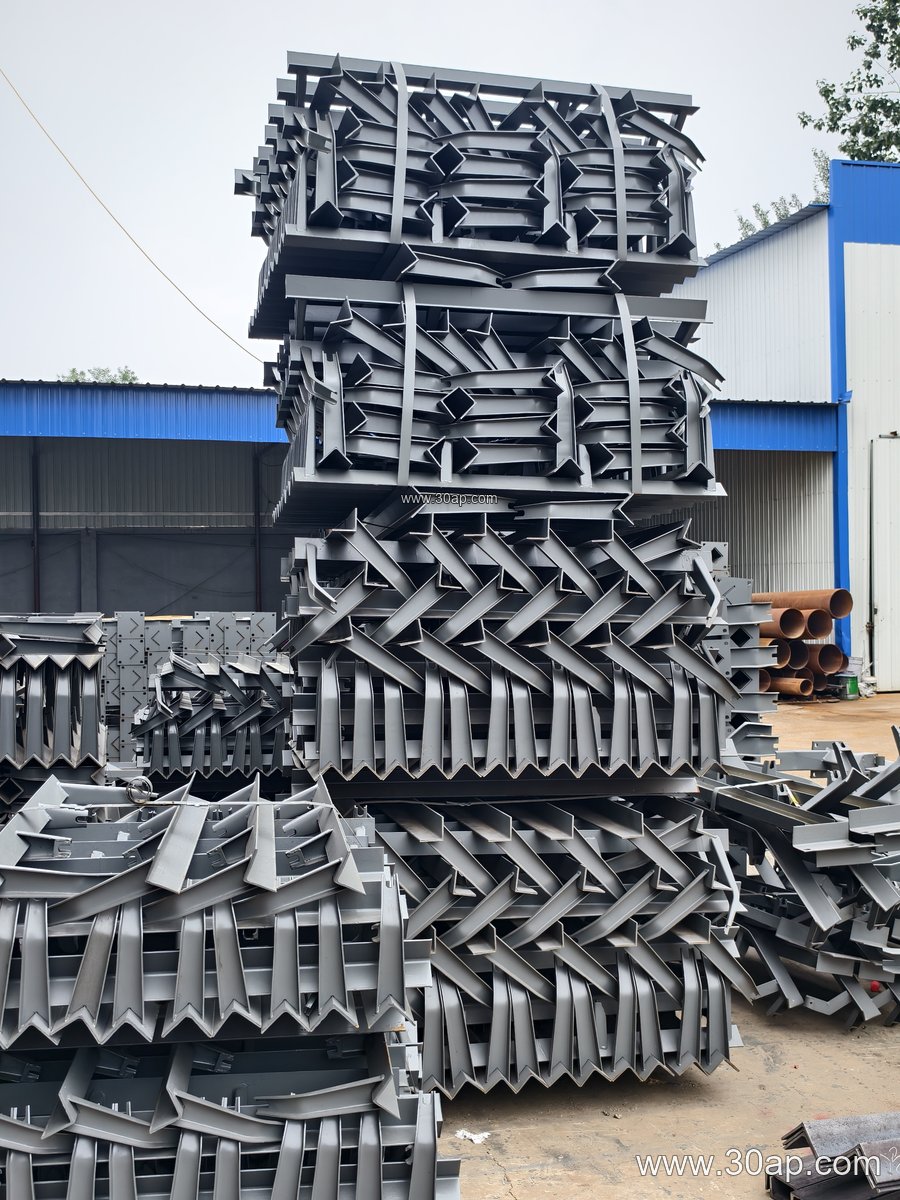
These brackets are usually fabricated from angle steel, channel steel, or bent steel plate. The choice of material depends on the load and environmental conditions. For heavy-duty applications in quarry or iron ore operations, thicker channel steel may be used to withstand impact and vibration. The bracket includes mounting holes or slots that align with the conveyor frame, and the hole spacing and beam length are determined by the belt width and the specific idler roller diameter.
Where It Is Used
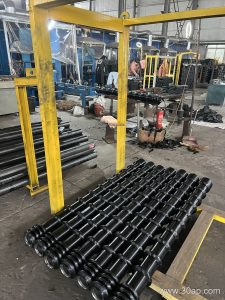
Parallel idler brackets are common in the return run of belt conveyors, where they support the empty belt and help maintain proper belt tracking. They are also found in flat belt conveyors, such as those used in aggregate plants or recycling facilities, where a trough is not necessary. In underground coal mining, they may be used in transfer points or where space constraints require a compact support arrangement. The bracket works together with the conveyor belt, idler roller, and conveyor pulley to ensure smooth material flow.
Key Selection Factors
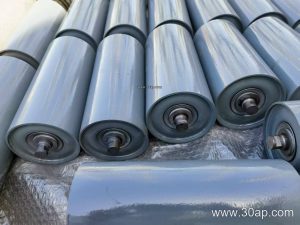
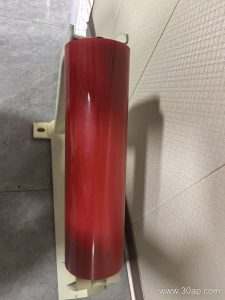
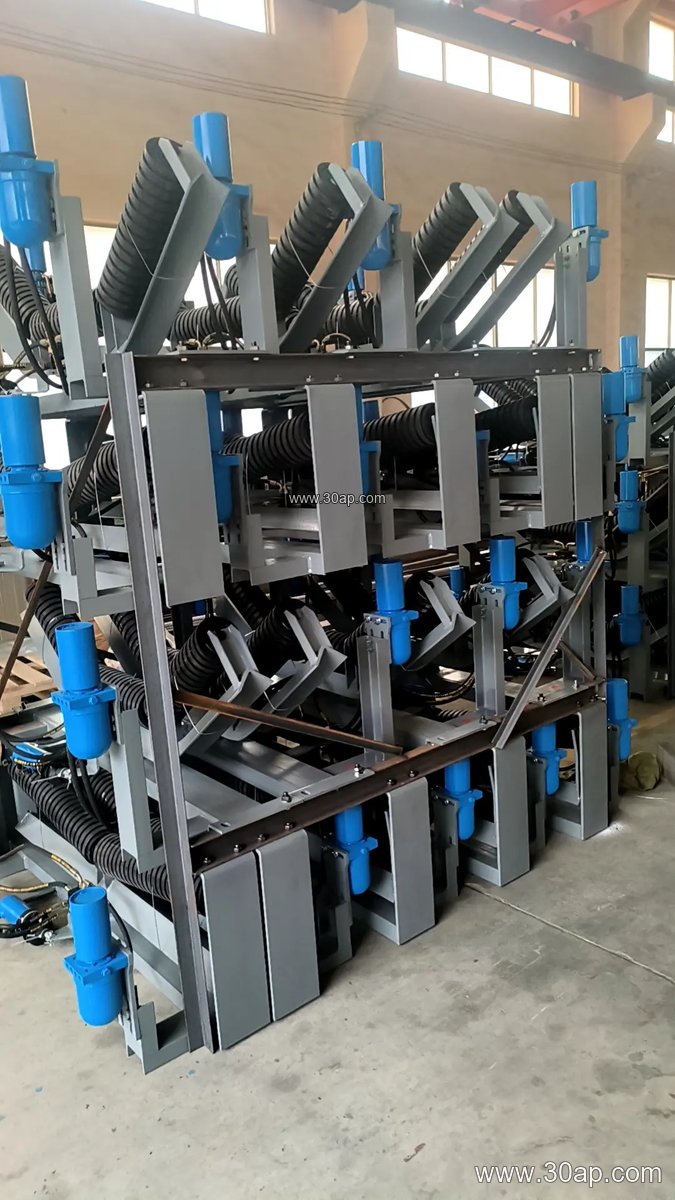
When selecting a parallel idler bracket, buyers should consider the belt width, idler roller diameter, and the required mounting configuration. Common belt widths include B500, B650, B800, B1000, B1200, B1400, B1600, B1800, B2000, and B2200. Idler roller diameters often range from Ø89 to Ø194, depending on the load and belt speed. The bracket must match the frame hole pattern and provide adequate clearance for the roller. For adjustable versions, the bracket may allow fine-tuning of the roller position to optimize belt contact.
Installation and Maintenance Tips
Proper alignment is critical. The bracket should be installed so that the idler roller is parallel to the pulley axis and perpendicular to the belt travel direction. Regular inspection for loose bolts, bent brackets, or worn rollers helps prevent belt misalignment and premature wear. In dusty environments such as cement plants or coal handling facilities, keeping the bracket area clean reduces the risk of material buildup that can affect roller rotation.
Related Conveyor Components
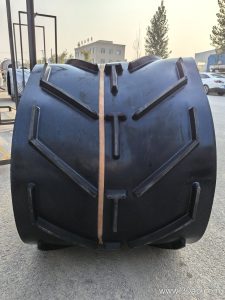
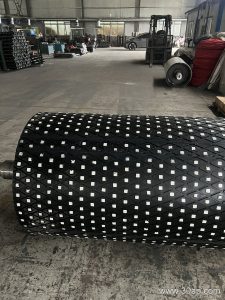
A parallel idler bracket is just one part of the conveyor system. It interacts with the conveyor belt, idler roller, and conveyor pulley. For high-abrasion applications, an abrasion resistant conveyor belt may be used, while heat resistant conveyor belt is suitable for elevated temperatures. Flame retardant conveyor belt is often required in underground mining. The bracket itself must be compatible with the selected roller and frame, ensuring reliable performance in industries such as mining, cement, power generation, and ports.