What an Automatic Self-Aligning Idler Does
An automatic self-aligning idler is a specialized conveyor component designed to keep the belt centered on its path. Unlike fixed troughing or return idlers, this idler pivots or shifts in response to belt misalignment, gently guiding the belt back to the correct tracking position. It is a common sight in bulk material handling systems where belt wander can cause spillage, edge damage, or increased wear on the conveyor belt and pulleys. By correcting misalignment automatically, these idlers reduce maintenance and downtime in industries such as mining, coal preparation, cement production, and power plant coal handling.
Construction and Working Principle
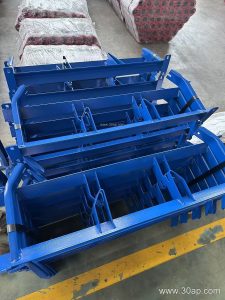
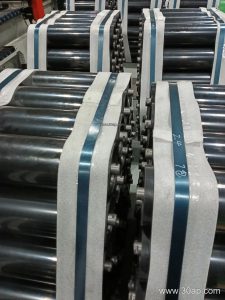
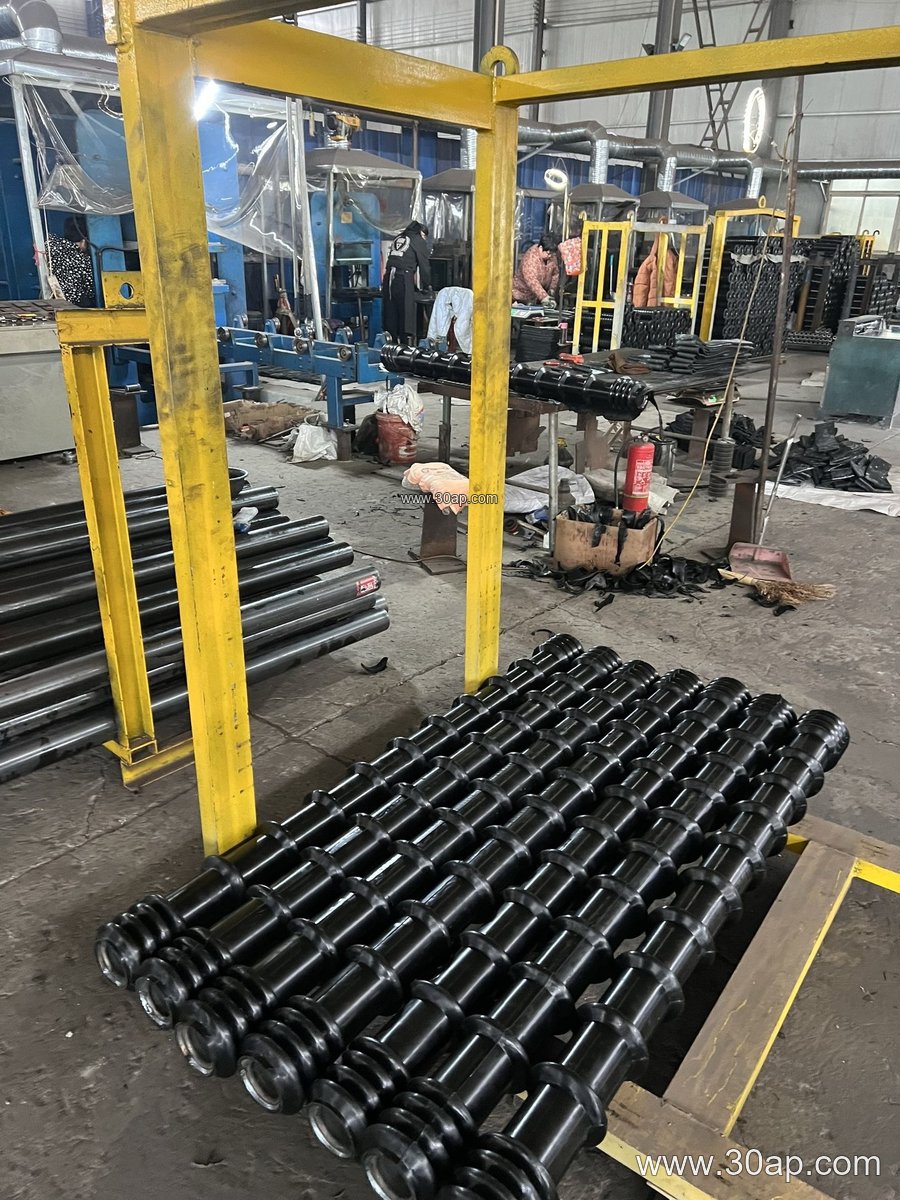
The automatic self-aligning idler usually consists of a set of rollers mounted on a pivoting frame or a bracket that allows lateral movement. The idler roller itself may be a standard steel tube, or it can be fitted with rubber discs for cushioning. The key feature is the self-aligning mechanism: when the belt drifts to one side, it contacts a vertical guide roller or applies uneven pressure on the idler, causing the frame to rotate slightly. This rotation creates a small steering effect that nudges the belt back toward the center. Some designs use a friction-based system, while others rely on tapered rollers that naturally center the belt. The bearings are typically sealed for dusty environments, and common sizes include 6204, 6205, 6305, and 6306, matched to the roller diameter and load requirements.
Where It Fits on the Conveyor
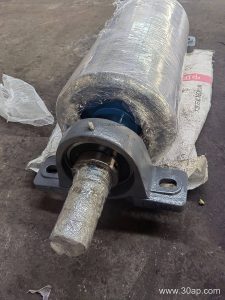
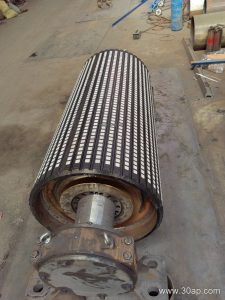
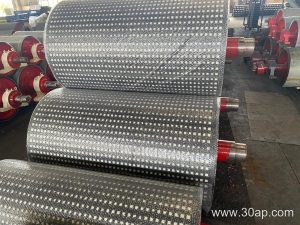
Automatic self-aligning idlers are often installed on the carrying side, especially after the loading point where material impact can cause the belt to shift. They are also used on the return side to prevent the belt from rubbing against the structure. In a typical conveyor system, you will find them between the drive pulley and the tail pulley, and they work alongside standard troughing idlers, impact idlers, and return rollers. While a conveyor pulley such as a drive pulley or bend pulley changes the belt direction, the self-aligning idler focuses solely on tracking. The idler is mounted on a conveyor bracket or frame that allows the required pivoting action. Proper spacing and alignment during installation are critical for effective operation.
Typical Applications and Industry Use
These idlers are widely used in quarry and aggregate operations, where uneven loading from crushers and screens can cause belt misalignment. In coal mining, both underground and surface operations rely on self-aligning idlers to keep coal conveyor belts on track, especially in dusty and wet conditions. Cement plants use them on clinker and raw material conveyors, while power plants depend on them for coal handling systems. Other applications include iron ore and copper ore transport, port ship loading, and steel plant sinter lines. The automatic self-aligning idler is compatible with various conveyor belt types, including EP conveyor belt, steel cord conveyor belt, and heat resistant conveyor belt, making it a versatile choice for diverse bulk material handling needs.
Key Parameters and Selection Considerations
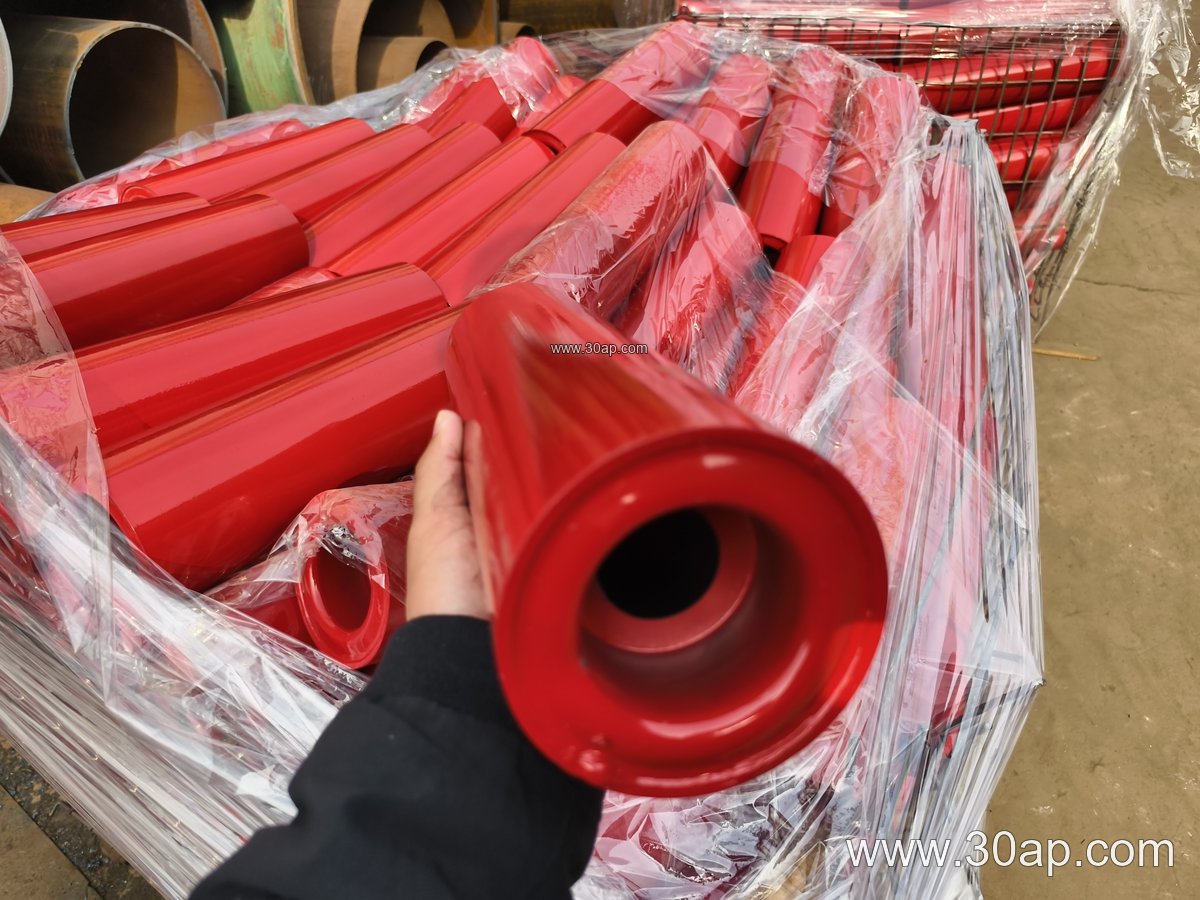
When specifying an automatic self-aligning idler, several parameters must be considered. Roller diameter is commonly available in sizes such as Ø89, Ø102, Ø108, Ø127, Ø133, and Ø159, with larger diameters for heavy-duty applications. Belt width influences the idler length and the frame size; for example, a 1000mm wide conveyor belt typically requires an idler with a roller length around 380 mm for a three-roll troughing set, but this can vary with trough angle and design. Trough angles of 20, 30, 35, and 45 degrees are common, and the self-aligning function must be compatible with the chosen trough angle. The idler surface can be plain steel, nylon, ceramic, or rubber-disc covered, depending on the material being conveyed and the need for impact absorption. Bearings should be selected based on load and speed, with common sizes including 6204 to 6310. It is important to note that no single size fits all conveyors; selection should be based on actual belt width, material characteristics, and operating conditions.
Common Idler Diameters and Belt Width Ranges
| Idler Diameter (mm) | Typical Belt Width Range (mm) |
|---|---|
| Ø89 | B500 – B800 |
| Ø102 | B650 – B1000 |
| Ø108 | B800 – B1200 |
| Ø127 | B1000 – B1400 |
| Ø133 | B1200 – B1600 |
| Ø159 | B1400 – B2000 |
These ranges are indicative and should be confirmed with the conveyor design. The idler length also depends on the number of rolls and the trough angle. For a three-roll troughing set, common roll lengths for different belt widths include approximately 200 mm for B500, 250 mm for B650, 315 mm for B800, 380 mm for B1000, 465 mm for B1200, 530 mm for B1400, 600 mm for B1600, 670 mm for B1800, and 750 mm for B2000. Side rolls may differ from the center roll.
Buying Advice and Maintenance Tips
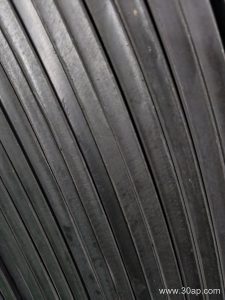
When purchasing automatic self-aligning idlers, consider the environment: dusty, wet, or corrosive conditions call for sealed bearings and corrosion-resistant finishes. For high-impact areas, rubber-disc or impact idlers may be better suited, but the self-aligning function is the primary requirement. Ensure the idler is compatible with your conveyor belt type, whether it is an abrasion resistant conveyor belt, flame retardant conveyor belt, or oil resistant conveyor belt. Regular inspection of the idler’s pivot mechanism and bearings is essential; accumulated material can hinder movement. Lubricate bearings according to the manufacturer’s schedule, and replace any idler that shows excessive wear or binding. Properly installed and maintained automatic self-aligning idlers will extend the service life of your conveyor belt and reduce tracking issues.
For more information on conveyor components and belt selection, visit https://www.example.com/conveyor-idler and https://www.example.com/conveyor-belt.