What a Conveyor Bracket Assembly Does on the Line
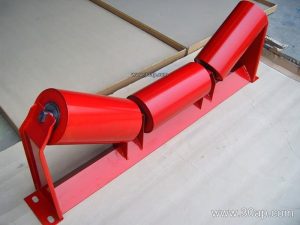
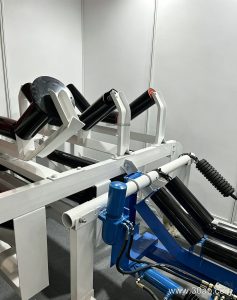
A conveyor bracket assembly is the structural interface between the conveyor frame and the rotating components that carry the belt. In practice, it is the bolted or welded group of brackets, cross beams and mounting plates that holds idler rollers, and sometimes pulleys, at the correct position and angle along the conveyor. The assembly does not move material itself, but it decides whether the belt runs centred, whether the trough keeps its shape, and how quickly rollers can be replaced during maintenance.
On a quarry conveyor belt line or a power plant coal handling system, a poorly aligned bracket set shows up quickly as edge wear, spillage and tracking problems. That is why the bracket assembly is usually treated as an engineered part of the conveyor, not as a generic steel fitting.
How the Assembly Is Built
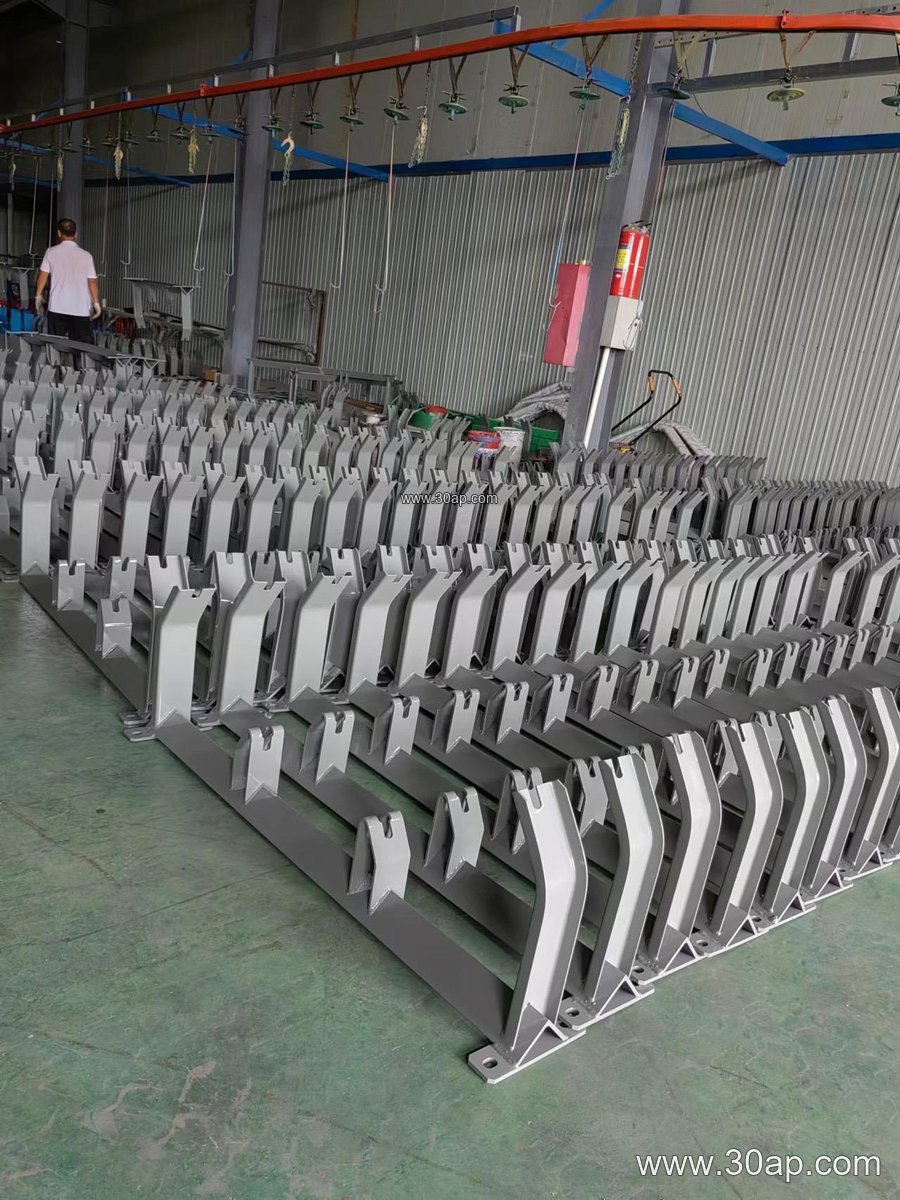
Most assemblies are fabricated from angle steel, channel steel or folded steel plate. The bracket legs are cut and punched, then joined by a cross beam whose length follows the belt width and trough angle. Mounting slots are usually elongated so that the roller frame can be adjusted during commissioning.
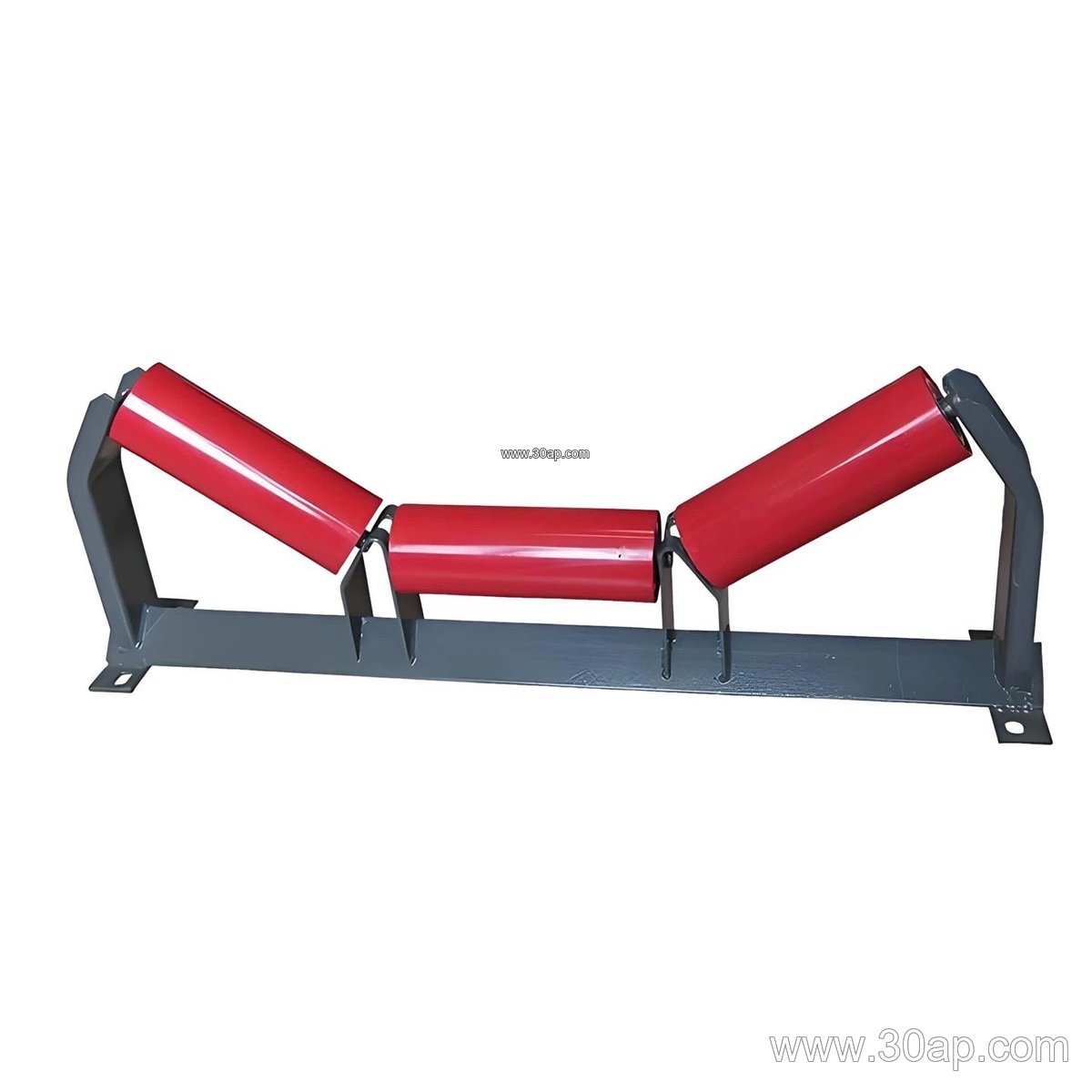
Key elements of a typical assembly include:
- Support legs or stands that transfer load to the conveyor stringer
- A cross beam carrying the idler roller frame
- Angle plates that set the trough angle, commonly 20, 30, 35 or 45 degrees
- Bolted clamps or hook slots for quick roller changes
- Optional forward tilt of about 1.5 to 2 degrees for self-aligning behaviour
Finishing matters as much as geometry. Painted or galvanised surfaces resist corrosion in wet washing plants, while heavy-duty assemblies in iron ore or cement plants may use thicker plate to absorb impact and vibration.
Common Configurations and Where They Fit
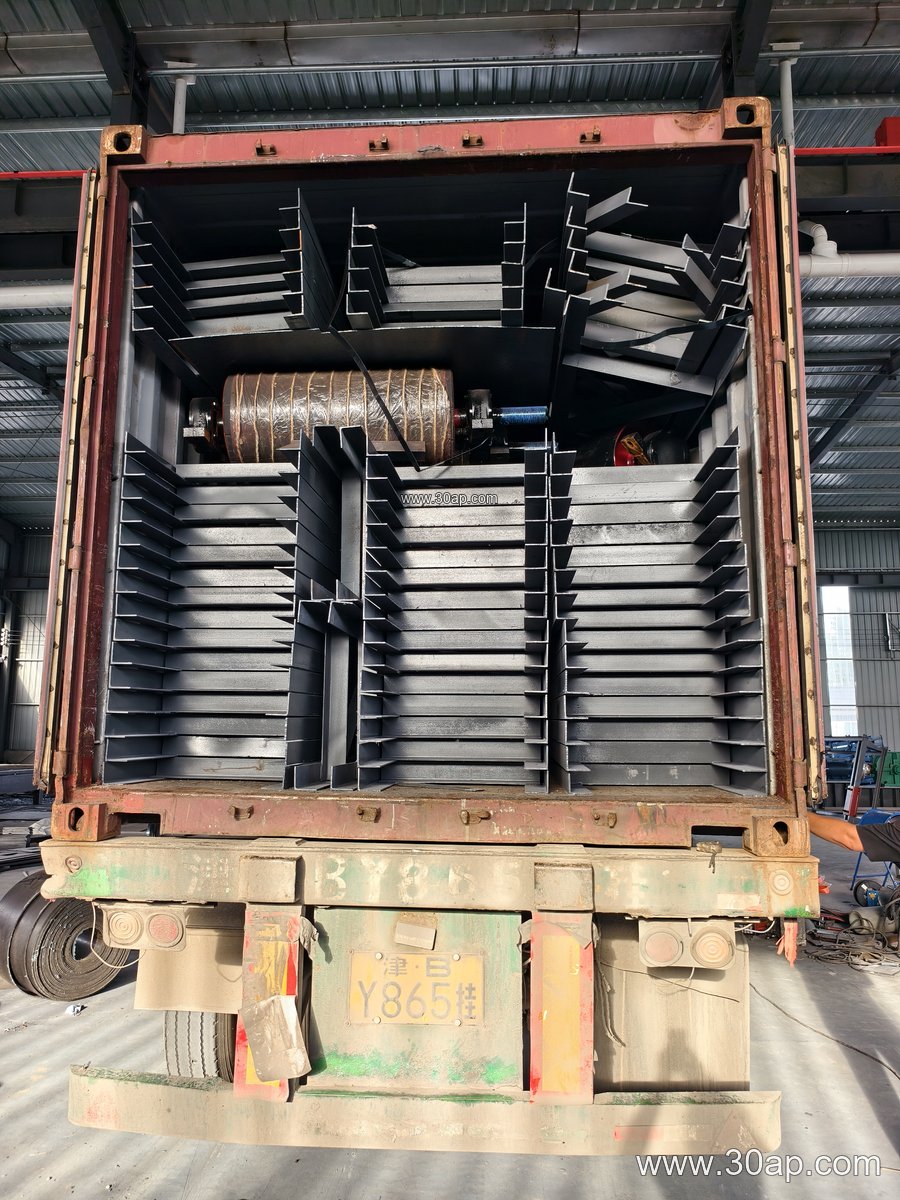
The same assembly family covers several positions along the conveyor. Carrying side brackets hold troughing idlers, transition brackets ease the belt from flat to troughed profile near pulleys, and return brackets support the empty strand. V-return brackets are used where belt training on the return run needs extra help. Impact brackets with resilient mounts are placed under loading points on a crusher conveyor belt or a transfer chute.
Adjustable versions allow the trough angle to be changed on site, which is useful when a line handles both fine material and lumpy rock. Fixed versions are simpler and stiffer, and suit long straight runs where the profile never changes.
Typical Reference Dimensions
The table below gives common reference values. Actual mounting hole spacing and beam length are determined by belt width, trough angle and roller diameter together, so these are starting points rather than fixed rules.
Bracket and Roller Reference Data
- Belt width range: B500, B650, B800, B1000, B1200, B1400, B1600, B1800, B2000, B2200
- Trough angles: 20, 30, 35, 45 degrees
- Roller diameters: Ø89, Ø108, Ø133, Ø159, Ø194
- Example combinations: B800 / 35 degrees / Ø108; B1200 / 45 degrees / Ø133; B650 / 30 degrees / Ø89
- Material options: angle steel, channel steel, folded plate
- Common types: carrying, transition, return, V-return, impact, self-aligning, adjustable
A 1200mm wide conveyor belt with a heavy load may use a wider beam and larger roller diameter, while a 650mm belt on a short transfer may be perfectly served by a lighter assembly. Matching the bracket to the belt and the load, rather than to a single number, is the practical approach.
Where These Assemblies Are Used
In a limestone quarry, troughing bracket assemblies keep the belt profile stable through the primary crushing stage, where impact loads are high. In a coal washing plant, return and self-aligning brackets help control belt wander caused by uneven loading and wet fines.
The choice of belt also affects bracket design. A heavy-duty mining conveyor belt or a steel cord conveyor belt carries more tension and weight, so the frame and bracket set must be stiffer. Where a skirted conveyor belt or corrugated sidewall conveyor belt is used, the bracket layout must leave clearance for the cleats and sidewalls. Heat resistant conveyor belt and flame retardant conveyor belt installations in power plants and underground coal mining conveyors often require brackets that tolerate higher temperatures and dusty conditions.
What Buyers Should Check Before Ordering
- Belt width and trough angle, confirmed against the existing frame
- Roller diameter and the matching mounting slot or clamp type
- Stringer spacing and hole centres on the conveyor structure
- Load conditions, especially at transfer points where impact brackets are needed
- Surface treatment suitable for the site, such as painting or galvanising
- Whether adjustable or fixed geometry is preferred for future changes
It also helps to confirm how the assembly connects to the conveyor pulley and idler roller positions, since small offsets there can cause tracking issues that no amount of belt tensioning will fix. Buying a bracket assembly that matches the existing roller frame and beam dimensions saves considerable installation time.