What a High Abrasion Resistant Conveyor Belt Is
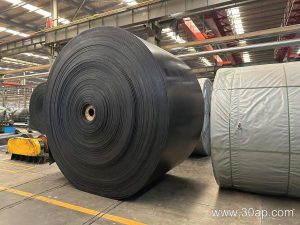
A High Abrasion Resistant Conveyor Belt is a rubber conveyor belt built to survive the constant scraping, gouging and cutting that comes with moving sharp, hard bulk materials. In a quarry, a coal preparation plant, a cement works or a power plant coal yard, the belt surface meets stone, clinker, coke and ore every minute of the shift. The cover compound on an abrasion resistant conveyor belt is formulated to lose material slowly under that attack, so the belt keeps its thickness and its grip for longer than a standard general-purpose belt.
It is still a fabric or steel reinforced belt at heart. The abrasion resistance sits in the cover rubber, while the carcass carries the tension. That is why buyers should read the cover grade and the carcass strength together rather than treating wear resistance as a single number.
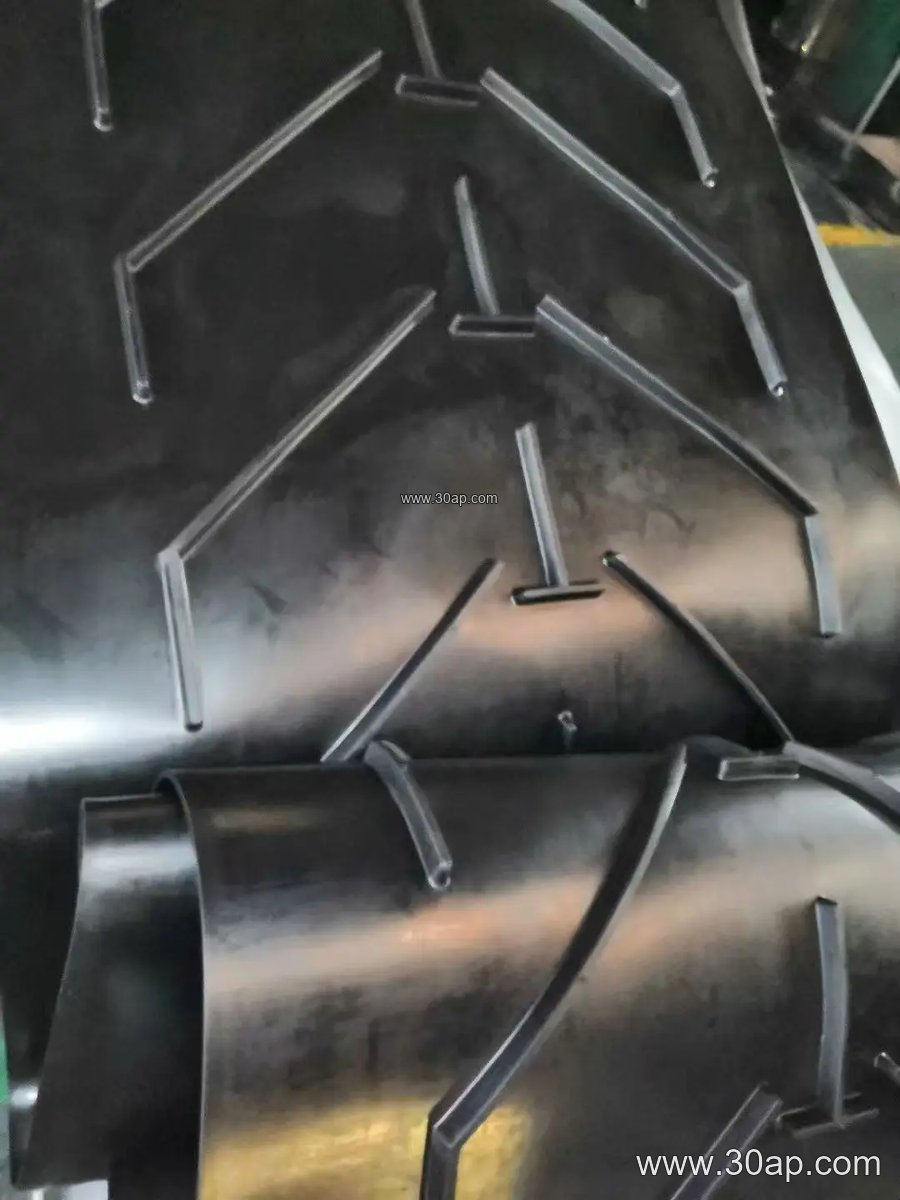
How the Belt Is Built
The construction usually starts with a fabric core, either an EP Conveyor Belt carcass with polyester warp and nylon weft, or an NN Conveyor Belt carcass with nylon in both directions. Heavier duties may call for a Steel Cord Conveyor Belt, where steel wires replace the fabric plies. On top and bottom, abrasion resistant rubber covers are applied and vulcanized.
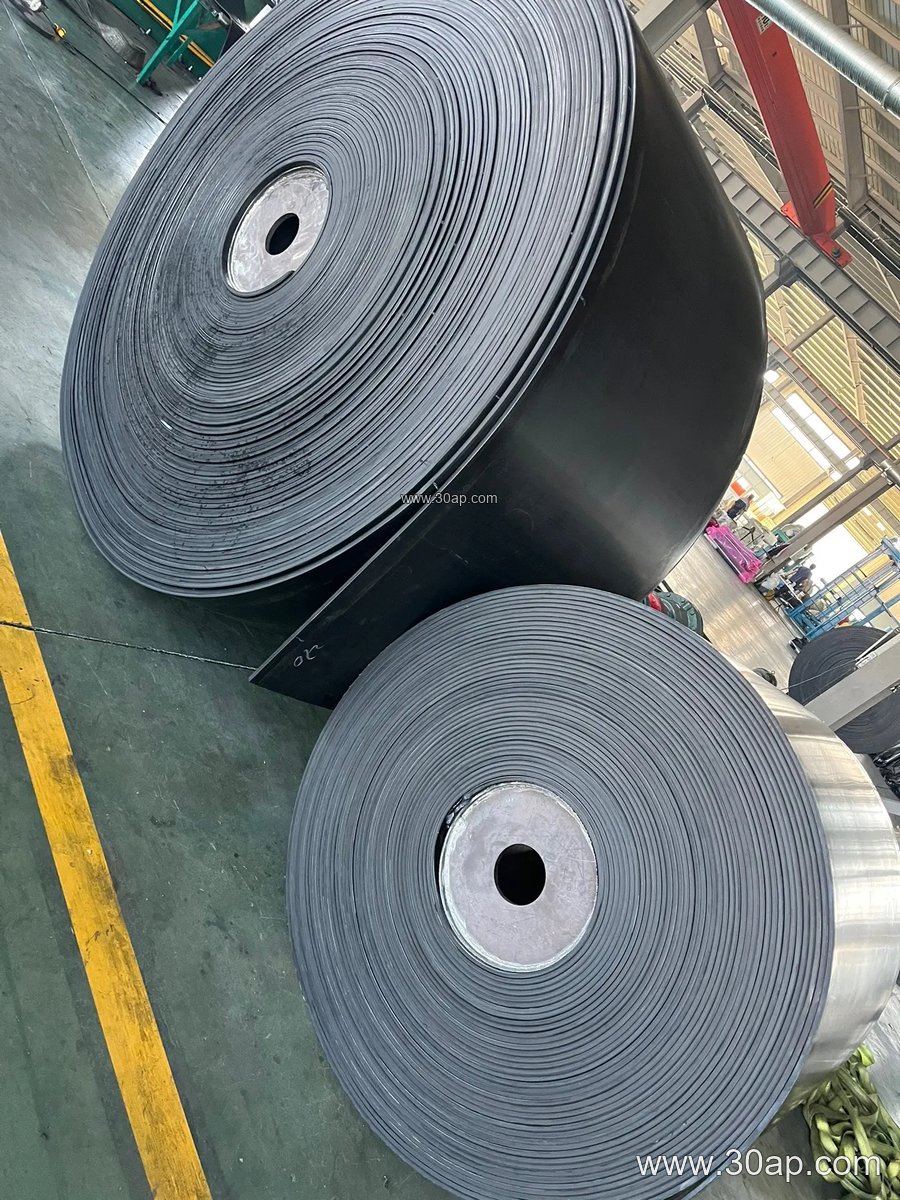
Cover thickness is stated as top plus bottom, for example 4+2 mm, 5+2 mm, 6+2 mm or 8+3 mm. The top cover does the wearing, so a thick top cover is common on crusher discharge and transfer points. Carcass plies commonly run from 2 to 6 layers depending on the load. A Multi-Ply Fabric Core Conveyor Belt gives good puncture resistance where lumps are large and unpredictable.
Common strength and width references
| Parameter | Typical reference values |
|---|---|
| EP carcass strength | EP200, EP315, EP400, EP500, EP630, EP800, EP1000, EP1250, EP1600 |
| NN carcass strength | NN100, NN200, NN300, NN400 |
| Steel cord strength | ST1000, ST1250, ST1600, ST2000 |
| Belt width | B500, B650, B800, B1000, B1200, B1400, B1600, B1800, B2000 |
| Cover thickness | 3+1.5, 4+2, 5+2, 6+2, 8+3 mm |
These are common references, not fixed rules. The final combination is set by the conveyor design, the material and the duty cycle.
Where It Earns Its Keep
Hard rock and mineral handling is the natural home. A Quarry Conveyor Belt moving blasted stone, an Aggregate Conveyor Belt under a primary screen, a Crusher Conveyor Belt at the discharge chute and an Ore Conveyor Belt on an iron ore or copper ore line all benefit from a wear-focused cover. In coal mining, a Coal Mining Conveyor Belt or Underground Coal Mining Conveyor Belt may combine abrasion resistance with flame retardant properties, and those requirements should be specified together.
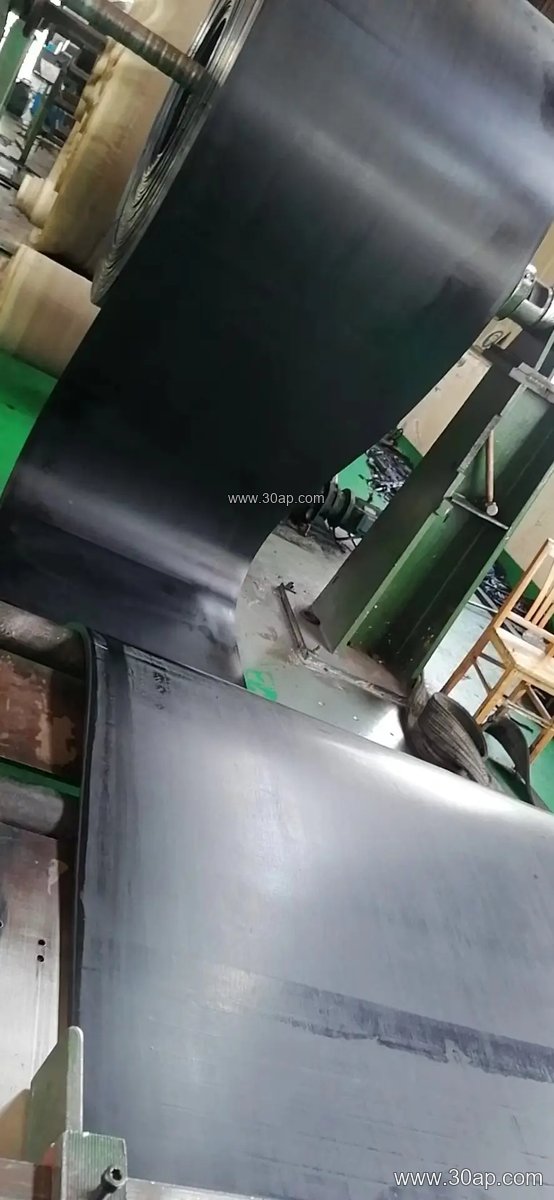
Cement plants use these belts on clinker and limestone lines. Power plants use them on coal and ash handling. Sand and gravel yards, recycling lines and port ship loading systems also see the same wear pattern. On long overland routes, a Pipe Conveyor Belt or a Corrugated Sidewall Conveyor Belt may be chosen for the route, but the cover grade still needs to match the material’s abrasiveness.
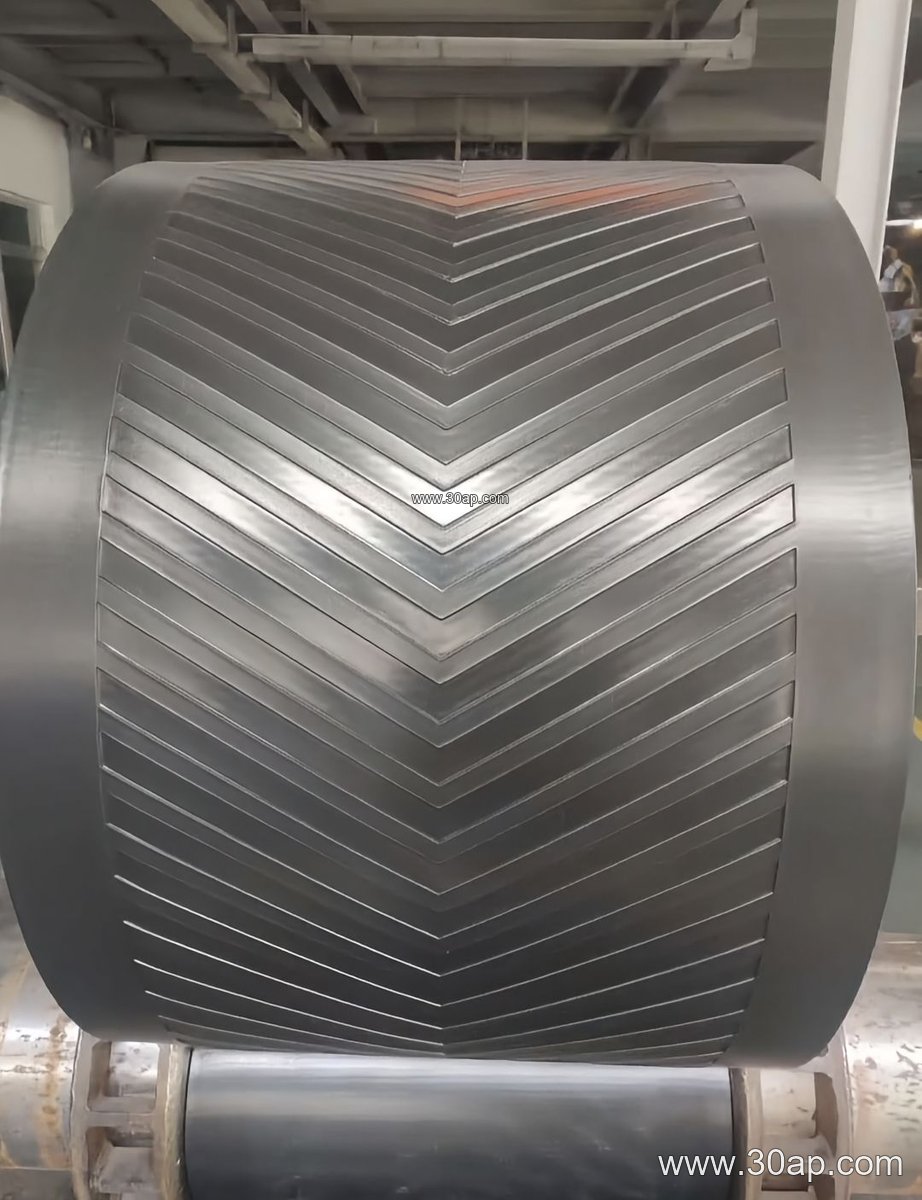
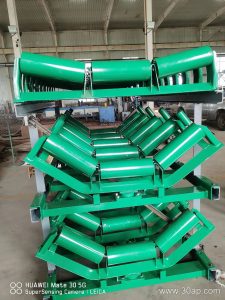
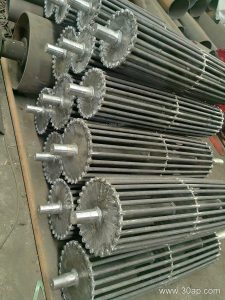
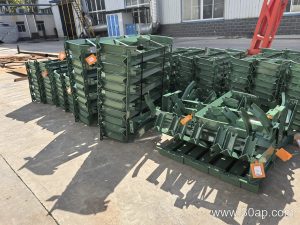
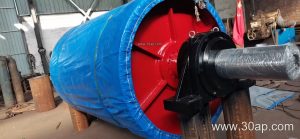
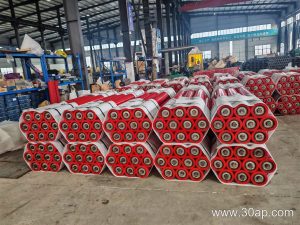
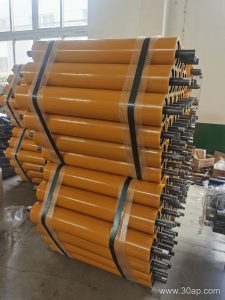
Supporting equipment matters too. A well-aligned conveyor pulley, free-running idler roller and rigid conveyor bracket keep the belt tracking straight and reduce edge wear. Misalignment concentrates abrasion on one edge and shortens belt life no matter how good the rubber is.
Selection Points for Buyers
- Match cover grade to the material. Sharp, hard rock needs a more wear-resistant cover than soft grain or sand.
- Check impact at transfer points. Large lumps may call for an Impact Resistant Conveyor Belt or a thicker top cover.
- Confirm the environment. Heat, oil, cold or fire risk may require a Heat Resistant Conveyor Belt, Oil Resistant Conveyor Belt, Cold Resistant Conveyor Belt or Flame Retardant Conveyor Belt in addition to wear resistance.
- Size the carcass for tension. Belt width and strength are separate decisions, and a given width does not dictate one pulley diameter or shaft size.
- Consider splice type. An Endless Conveyor Belt or a properly vulcanized splice runs smoother and wears more evenly.
Ask for the cover grade, carcass type, ply count, cover thickness and belt width in writing. A supplier who can explain how those values were chosen for your conveyor is more useful than one who only quotes a price per meter.
Keeping It Running
Inspect the top cover at the load point and the edges for cuts and gouges. Check that skirt rubber does not press too hard on the belt. Verify pulley lagging and idler roller condition, and re-tension or re-align if the belt wanders. Small cover damage can be repaired before the carcass is exposed, which is far cheaper than replacing the belt. For more on matching belts to conveyors, visit www.example.com/conveyor-belt and compare options such as an Abrasion Resistant Conveyor Belt for your own duty.