What a Nylon Idler Is and Where It Fits
A nylon idler is a conveyor idler roller whose outer shell is made from nylon rather than steel, rubber or ceramic. In a belt conveyor, the idlers carry the belt and the material load, and they are grouped into troughing sets on the carrying side and return sets underneath. The nylon idler belongs to that same family of rotating components, but its non-metallic shell gives it a distinct place in dusty, wet or mildly corrosive service where a steel shell may wear faster or build up material.
It is important to keep the terms straight. A nylon idler is not a drive pulley, a tail pulley or a bend pulley. Those are conveyor pulleys that transmit power or change belt direction, and they are not interchangeable with idlers. A nylon idler is also not a replacement for a buffer idler or a self-aligning idler unless the application actually calls for it. This article focuses on the nylon-shelled idler roller and the choices around it.
How the Roller Is Built
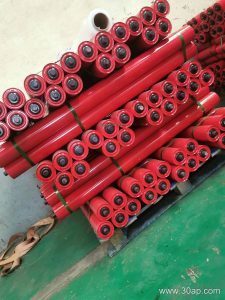
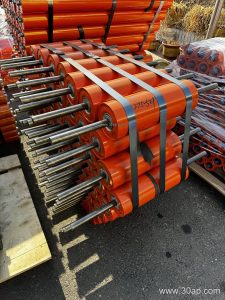
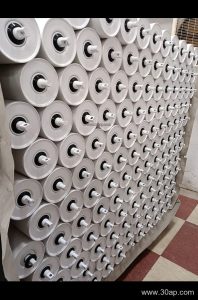
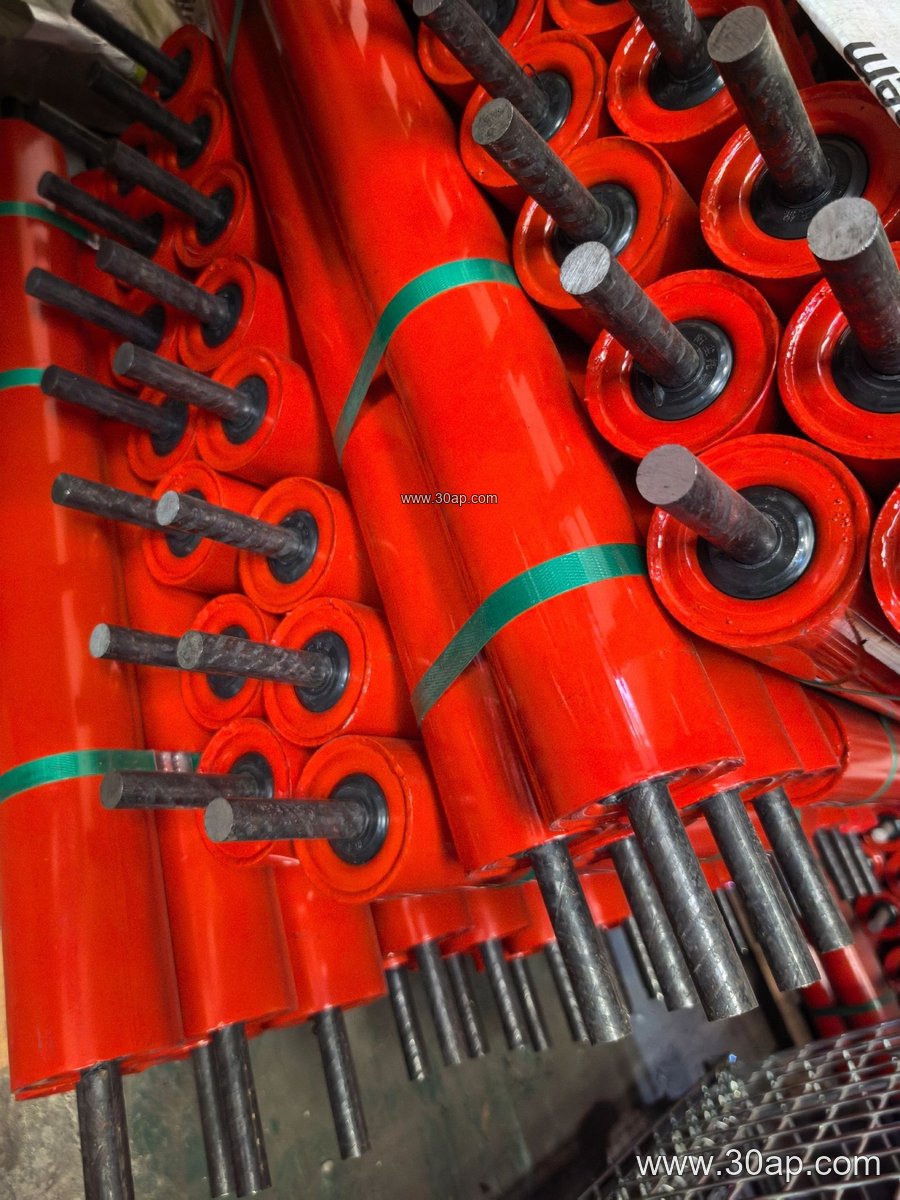
A typical nylon idler combines a nylon outer tube with a steel shaft, bearing housings and a sealing arrangement. The nylon shell is lightweight compared with a steel tube of similar dimensions, which reduces rotating mass and can ease manual handling during installation. The bearing seat and end caps are usually designed to keep dust and fine grit away from the bearing, because in a quarry or a cement plant the fine fraction is what shortens roller life.
Common bearing sizes for this class of idler include 6204, 6205, 6305, 6306, 6308 and 6310. These are reference ranges, not fixed pairings; the bearing is selected against the actual load, shaft and speed of the conveyor. Shaft diameter should be confirmed from the idler drawing or the conveyor design, never assumed from belt width alone.
Where Nylon Idlers Are Used
Nylon idlers appear in bulk handling lines where the belt is moderate in width and the material is abrasive but not extremely hot. Two settings where they are often considered are sand and aggregate plants and cement plants. In an aggregate line, a nylon idler on the return side can resist the fine dust that clings to the belt after crushing and screening. In a cement plant, the same roller may be chosen for conveying clinker dust or raw meal on smaller belts, provided the temperature is within the nylon’s limit.
They are also seen in light and medium-duty sections of a power plant coal handling system, and in fertilizer or grain handling where a non-sparking, lighter roller is preferred. For heavy, long-distance main lines carrying iron ore or copper ore, a steel-shell roller or a heavy-duty troughing set is usually the more suitable choice, and a nylon idler is better reserved for secondary or return positions.
Sizes, Belt Widths and Trough Angles
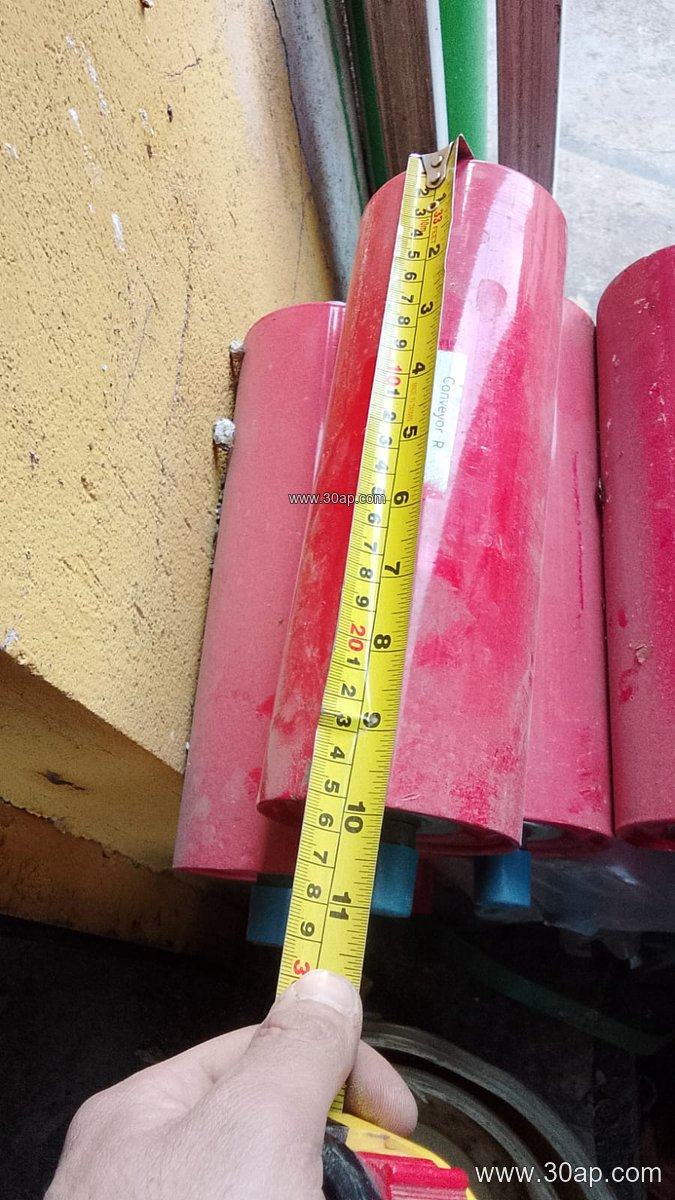
Nylon idlers follow the same dimensional logic as other idlers. Roller diameter commonly ranges from Ø63 up to Ø219, and belt width from B400 to B2400. The table below shows reference combinations that appear in idler selection work; actual roller length depends on belt width, trough angle and whether the set is two-roll or three-roll.
| Belt width | Typical three-roll troughing roller length | Common roller diameter range |
|---|---|---|
| B500 | about 200 mm | Ø63 to Ø89 |
| B650 | about 250 mm | Ø76 to Ø102 |
| B800 | about 315 mm | Ø89 to Ø108 |
| B1000 | about 380 mm | Ø102 to Ø133 |
| B1200 | about 465 mm | Ø108 to Ø159 |
| B1400 | about 530 mm | Ø127 to Ø159 |
| B1600 | about 600 mm | Ø133 to Ø178 |
| B1800 | about 670 mm | Ø159 to Ø194 |
| B2000 | about 750 mm | Ø159 to Ø219 |
Trough angles of 20, 30, 35 and 45 degrees are common, and the angle affects how the belt sits and how the side rollers are loaded. A 35-degree three-roll set is a frequent choice for aggregate and cement duties, while a 45-degree set may be used where a deeper trough is wanted. None of these is mandatory for every conveyor. Note that one belt width does not dictate a single pulley or roller diameter; the drive pulley, the tail pulley and the idlers are each sized by their own duty.
Matching the Idler to the Belt and the Duty
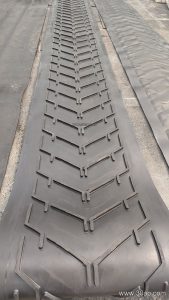
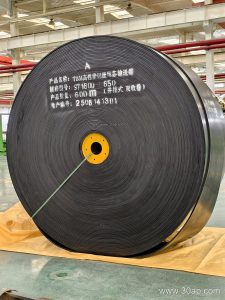
Selection starts with the belt. A rubber conveyor belt with a fabric core behaves differently from a steel cord conveyor belt, and the idler spacing and load rating should follow the belt manufacturer’s recommendation. On a line fitted with an EP conveyor belt or an NN conveyor belt, the nylon idler is usually asked to support a moderate tension and a steady load. Where the belt is a corrugated sidewall or chevron type, check that the idler profile and the cleat height do not interfere.
Environmental factors matter as much as dimensions. In a coal mining conveyor belt installation, flame retardant and anti-static properties are usually specified for the belt, and the idler should be compatible with that duty. In a food grade or grain line, cleanliness and non-contamination are the priorities. In a cold climate, a cold resistant conveyor belt may be used, and the idler bearing grease should match the low temperature.
Installation and Maintenance Notes
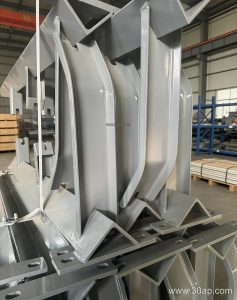
- Check that the idler shaft fits the conveyor bracket correctly and that the bracket is square to the belt line.
- Keep the return side clear of spilled material; buildup under a return idler is a common cause of belt tracking problems.
- Inspect for a seized bearing early, because a stopped nylon idler can wear a flat spot into the belt cover.
- Replace idlers in matched sets where possible, so the belt is supported evenly.
- Confirm the roller length and diameter against the drawing before ordering, especially when the belt width is at the edge of a range.
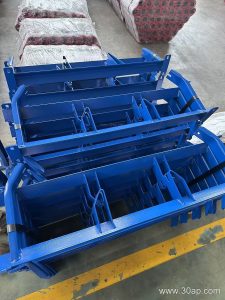
A nylon idler is a practical, lightweight component for the right position on the right conveyor. Buyers should treat it as one part of a system that includes the conveyor belt, the conveyor pulley, the idler roller set and the conveyor bracket, and should specify dimensions and bearing details from the actual conveyor design rather than from a generic list. For more information on idlers and conveyor components, visit www.example.com/nylon-idler.