Why the Conveyor Bracket Matters
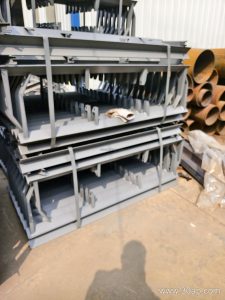
The conveyor bracket is the silent backbone of any material handling line. It anchors rollers, guides, and drives to the frame, absorbing vibration and maintaining precise alignment. A weak or mismatched bracket leads to belt drift, premature roller wear, and costly downtime.
Key Selection Criteria
- Load rating: Match the bracket’s dynamic capacity to your heaviest product plus impact factor. Never oversize by less than 25% for safety.
- Material finish: Choose galvanized steel for humid or washdown environments, stainless for food or chemical plants, and powder-coated carbon steel for dry indoor lines.
- Adjustability: Slotted or angled brackets allow fine-tuning of roller height and troughing angle—essential for belt tracking.
- Compatibility: Verify bolt hole spacing and shaft diameter against your existing frame and roller ends. Metric vs. imperial confusion is a top purchasing error.
Purchasing Advice
Buy from suppliers that offer dimensional CAD files and life-test data. Request samples for a 48-hour trial on your actual conveyor. Also, check weld integrity and edge burrs—cheap brackets often skip deburring, damaging belts quickly. For high-speed lines, opt for brackets with rubber bushings or spring-loaded designs to dampen resonance.
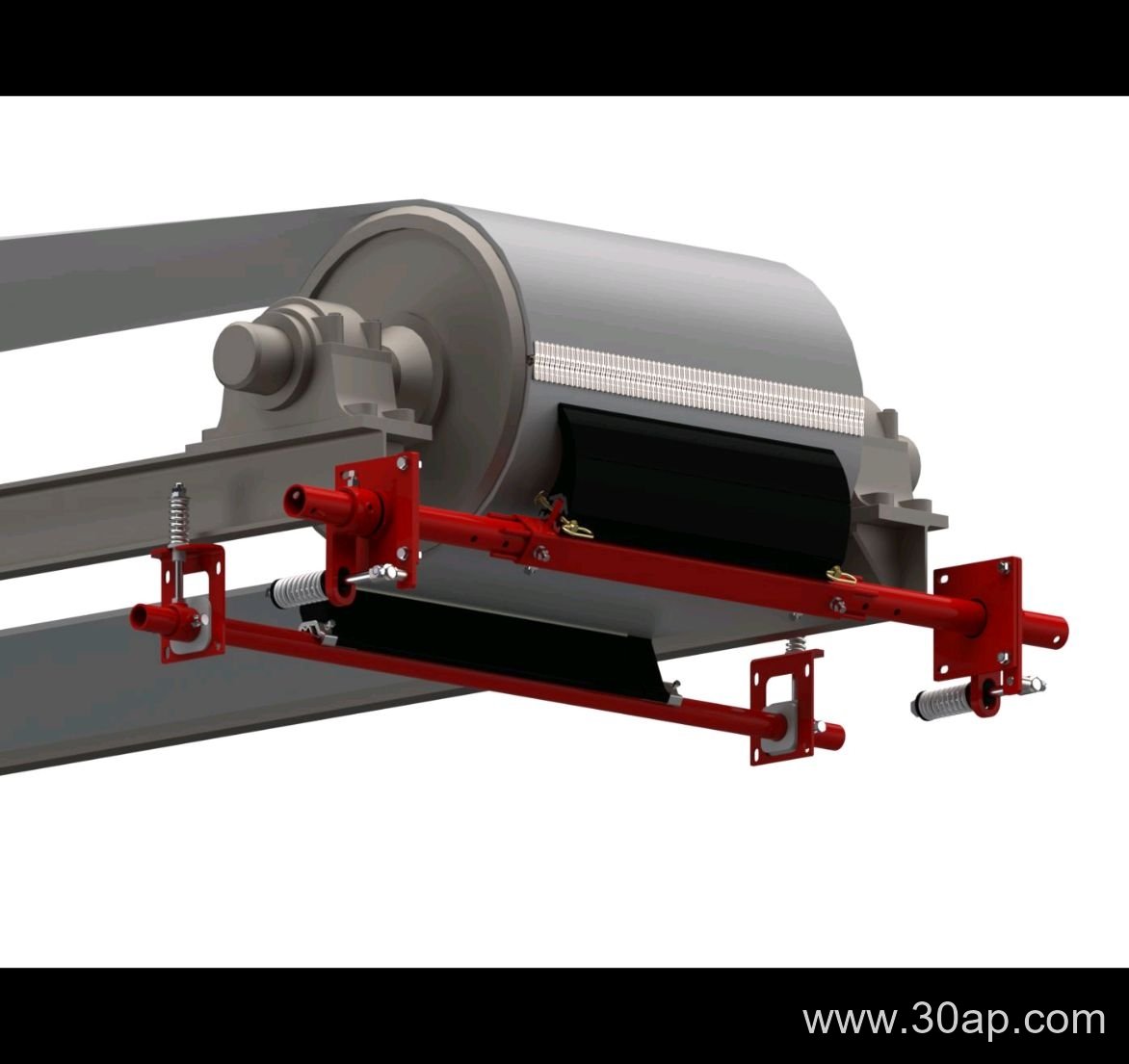
Finally, plan for spares: keep 5% of each bracket type in stock. A single failure can stop an entire sortation system, and lead times for custom brackets often exceed six weeks.
Conveyor Belt Basics for Industrial Buyers
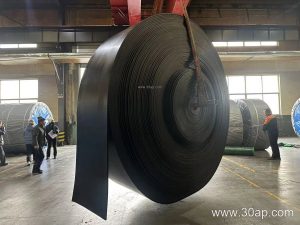
The conveyor belt is the silent workhorse of any bulk handling or assembly line. Choosing the wrong one stops production, damages product, and inflates maintenance costs. Start by defining your material: its weight, abrasiveness, temperature, and oil content.
Key Belt Construction Layers
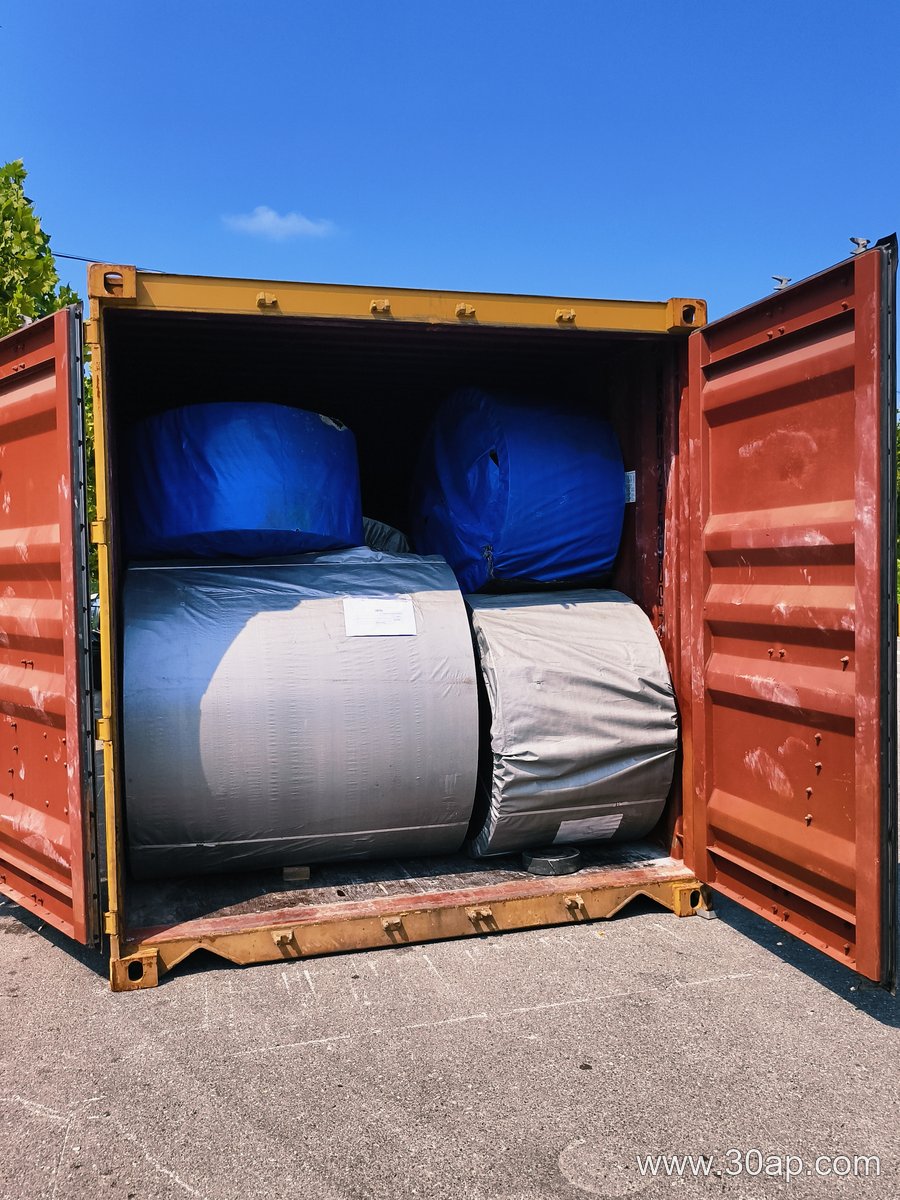
Every conveyor belt combines a top cover, carcass, and bottom cover. The carcass provides tensile strength; the covers resist wear and chemical attack. For sharp or heavy loads, opt for a multi-ply or steel-cord design.
Cover Material Matters
- Rubber (SBR) — general use, low cost, good friction.
- PVC — food handling, flame retardant, easy cleaning.
- PU (polyurethane) — high abrasion resistance, oil and grease proof.
- Silicone — high-temperature ovens or freezing lines.
Purchasing Advice
Never buy on price alone. Request a belt sample and test it with your actual product. Confirm the belt width, splice method (mechanical or vulcanized), and required belt speed. Also verify pulley diameter — too small risks carcass fatigue.
Finally, ask your supplier for a load-bearing calculation. A correctly specified conveyor belt lasts 3 to 5 times longer than a generic replacement. Document your environment, and order a spare roll for critical uptime.
Understanding the Idler Roller’s Critical Role
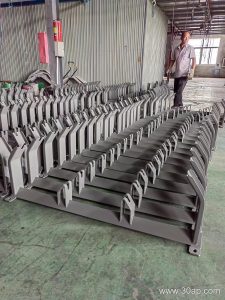
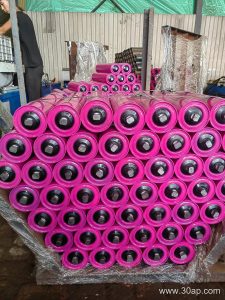
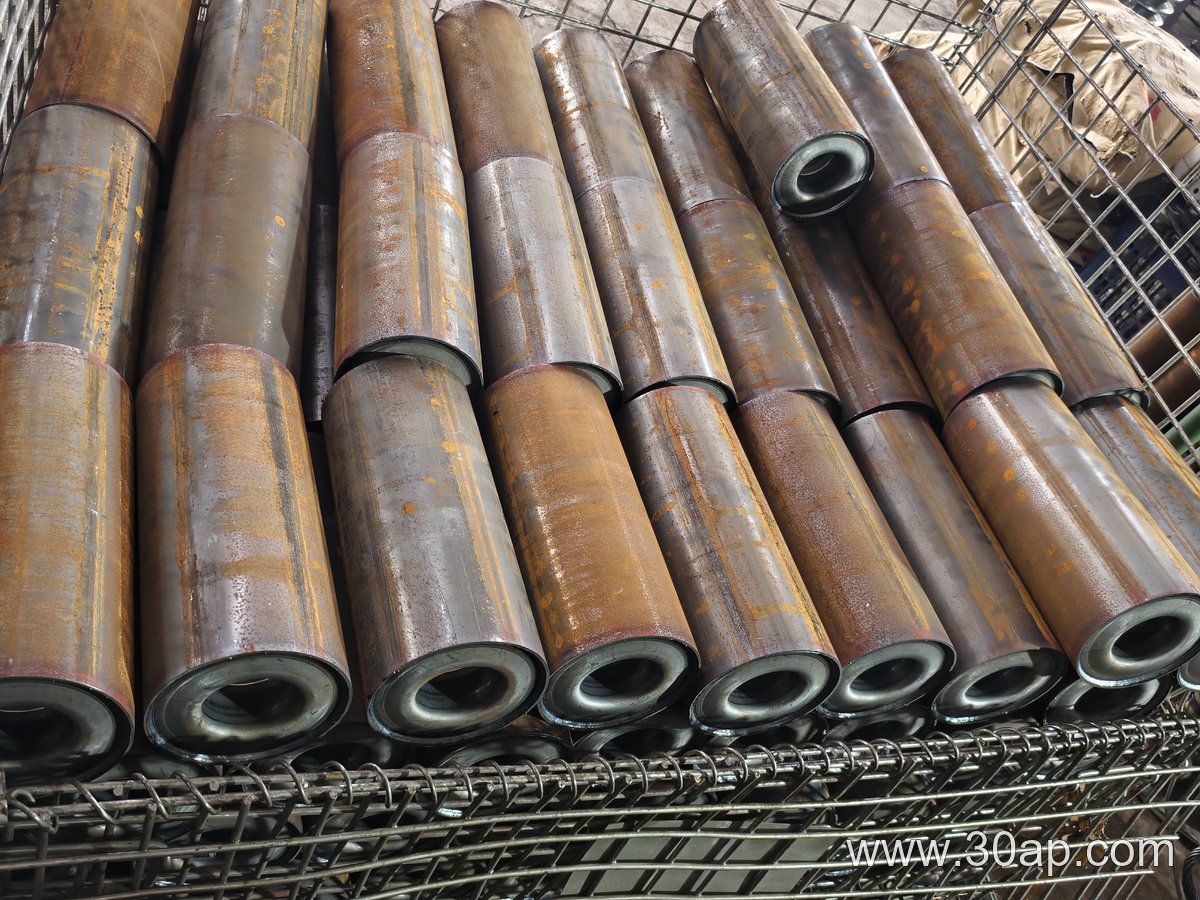
An idler roller is not just a rotating cylinder beneath a belt—it is the primary support structure that determines conveyor alignment, load distribution, and operational lifespan. Choosing the wrong idler leads to belt misalignment, premature wear, and costly downtime.
Key Specifications for Purchasing
- Diameter and wall thickness: Match to belt speed and impact load at loading zones.
- Bearing type and seal rating: Use C3 clearance with labyrinth seals for dusty or wet environments.
- Frame material: Steel for heavy duty, HDPE for corrosive or food-grade applications.
- Trough angle: 20°, 35°, or 45° depending on material repose and belt width.
Practical Advice for Buyers
Always verify the roller’s runout tolerance (≤0.7 mm) and shell thickness against your actual tonnage. Request a sample for a 48-hour test under full load. For long conveyors, opt for impact idlers at transfer points and self-aligning idlers every 50 meters to prevent edge damage. Finally, confirm that the idler roller’s shaft ends match your existing frame’s slot dimensions—standard is 25 mm, but 30 mm is common for high-capacity systems.
Why the Conveyor Pulley Is the Heart of Your Belt System
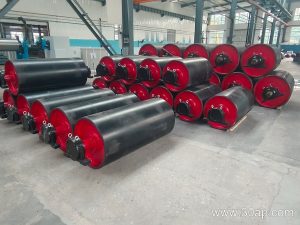
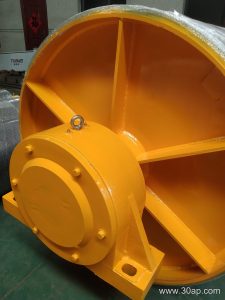
The conveyor pulley is the mechanical anchor that drives, redirects, and tensions every bulk material belt. Without a correctly engineered pulley, belt tracking fails, slippage accelerates, and downtime becomes routine. Choosing the right drum or wing pulley directly impacts system efficiency, belt life, and maintenance costs.
Drum vs. Wing: Matching Pulley Type to Application
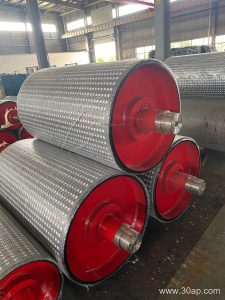
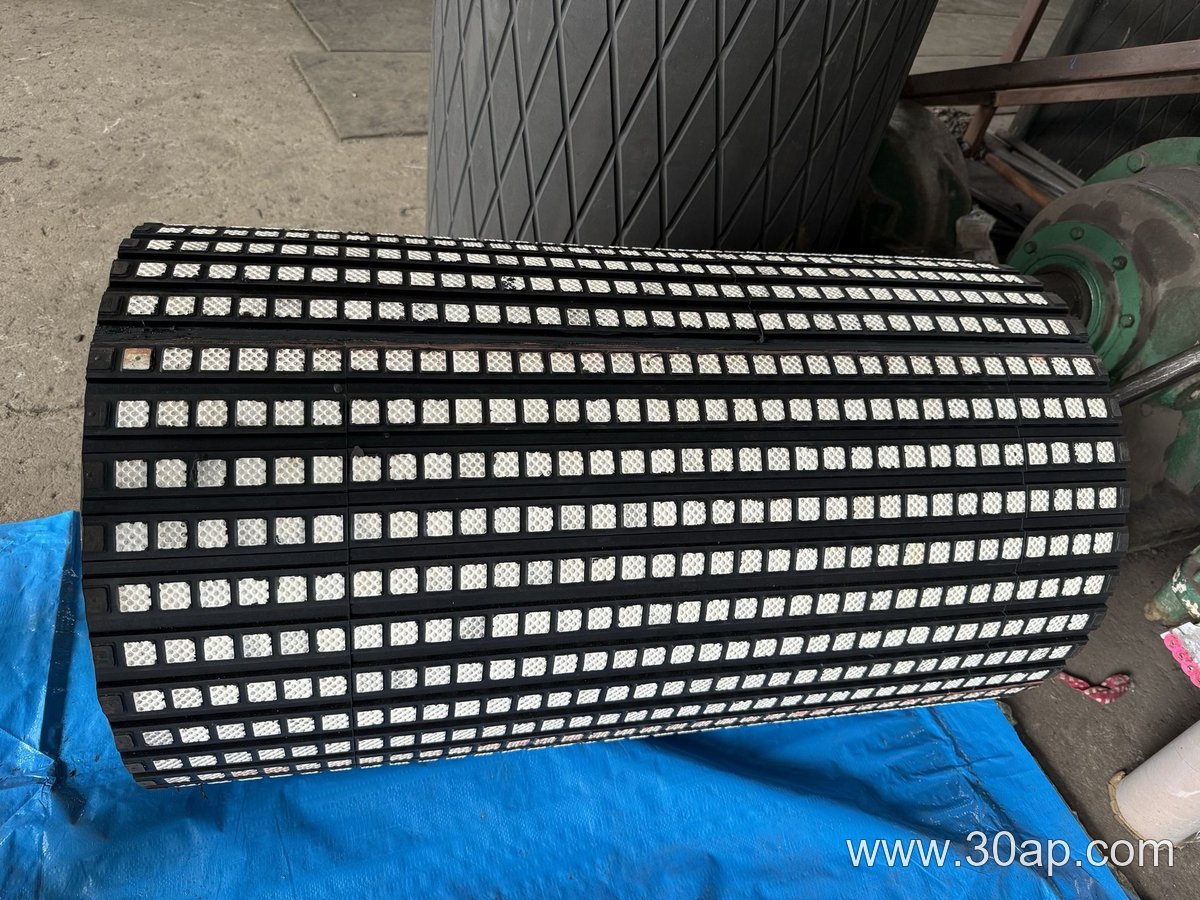
For high-tension drive and bend positions, a crowned or lagged drum pulley provides maximum traction and belt support. In contrast, a wing (or self-cleaning) pulley is ideal for the return side where material carryback can build up, because its open design sheds debris and prevents belt misalignment.
Key Selection and Purchasing Criteria
- Face width: Must exceed belt width by at least 150–200 mm to prevent edge stress.
- Shaft and hub design: Verify fatigue rating for your starting torque and continuous load.
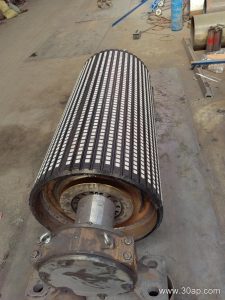
- Lagging type: Ceramic for wet or slippery conditions; rubber for general abrasive service.
- Bearing and seal quality: Choose sealed spherical roller bearings for dusty, outdoor environments.
- Manufacturing standard: Request CEMA or DIN compliance, and confirm balance grade (G6.3 or better) for high-speed lines.
Practical Purchasing Advice
Always supply the pulley’s exact shaft diameter, hub mounting style (taper bushing or keyed), and expected belt tension at the specific position. Ask for a finite element analysis (FEA) report if your pulley exceeds 1.2 m in diameter or carries over 200 kN of effective tension. Also confirm weld quality with ultrasonic testing certificates before shipment, especially for welded steel drums.
Finally, request a spare pulley for your most critical drive position—lead times for custom conveyor pulleys often stretch to 8–12 weeks, and every hour of unexpected stoppage costs far more than the pulley itself.