What the Ø108 Mining Idler Is
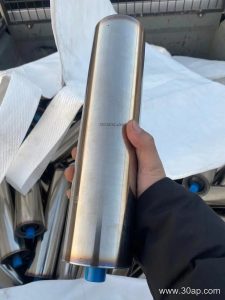
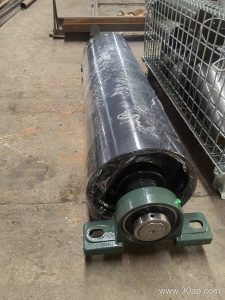
A Ø108 mining idler is a conveyor idler roller with a nominal shell diameter of 108 mm, built for the carrying and return sides of heavy bulk handling conveyors. The size sits in the middle of the common idler range, which is why it appears on many primary and secondary belts in quarries, iron ore operations and cement plants. It is a rotating support, not a drive component: the conveyor pulley at the head end pulls the belt, while the idlers beneath it keep the belt supported and the material stable.
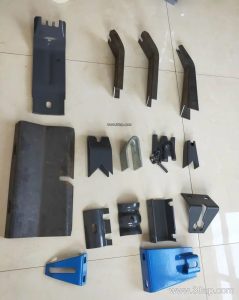
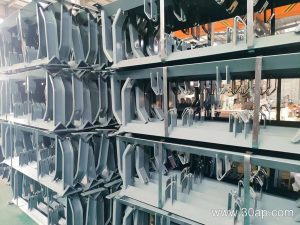
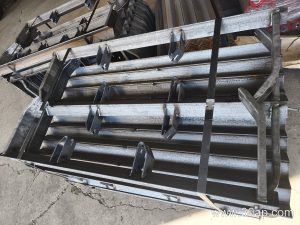
Because the roller diameter is fixed at 108 mm, the same shell can be assembled into different idler groups, such as a three-roll troughing set, a two-roll transition set, a flat return roller or a V-return roller. The diameter alone does not define the complete idler; roll length, shaft, bearing and frame all change with the belt width and the duty.
How a 108 mm Idler Roller Is Built
A typical unit combines a steel tube shell, welded end caps, a through shaft, sealed bearing housings and a protective surface where needed. The shell is usually machined for balance, since an out-of-balance roller at speed will vibrate and shorten bearing life. Bearing selection is matched to load and speed; common sizes in this class include 6204, 6205, 6305, 6306 and 6308, but no single bearing is tied to one diameter.
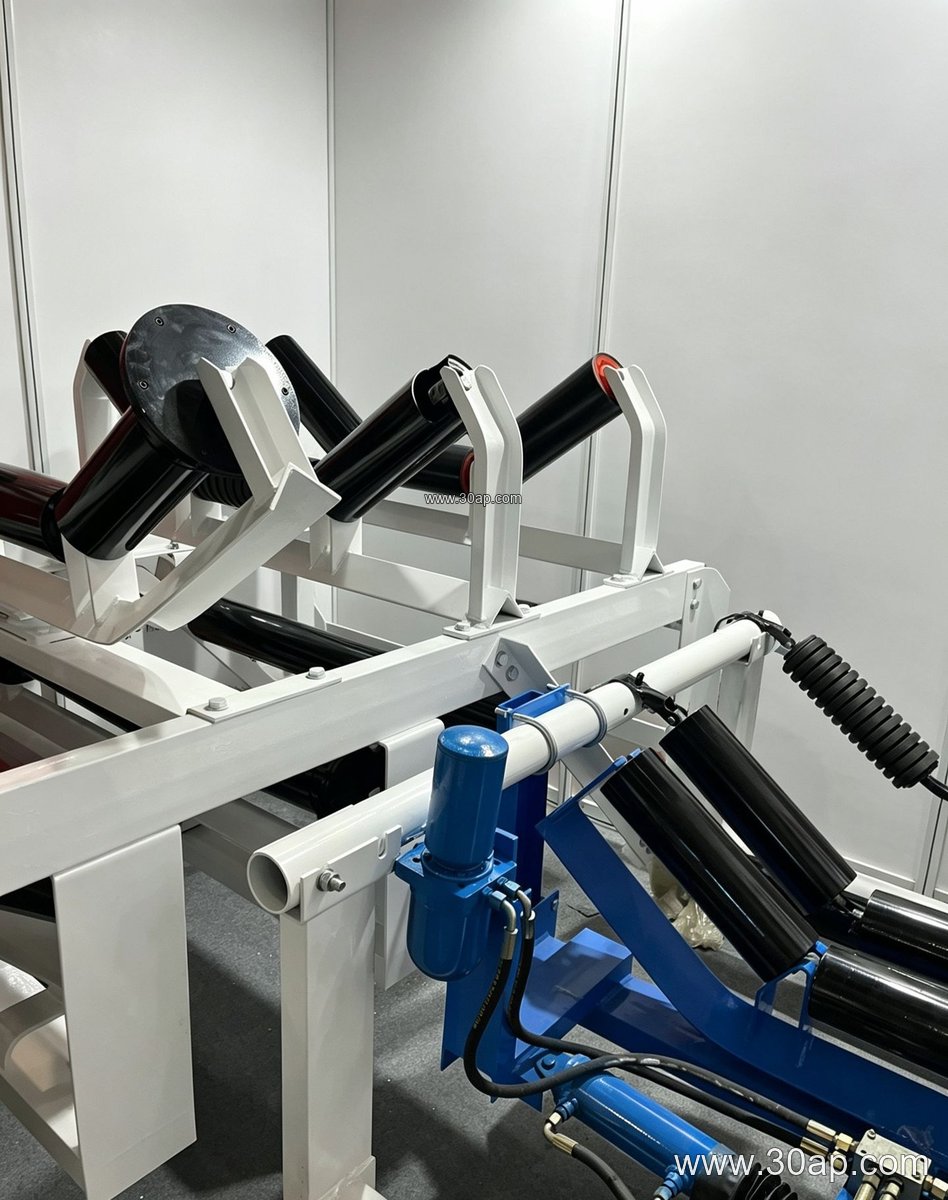
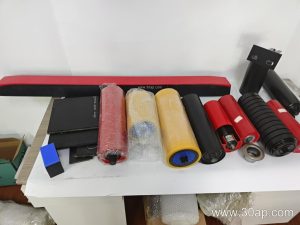
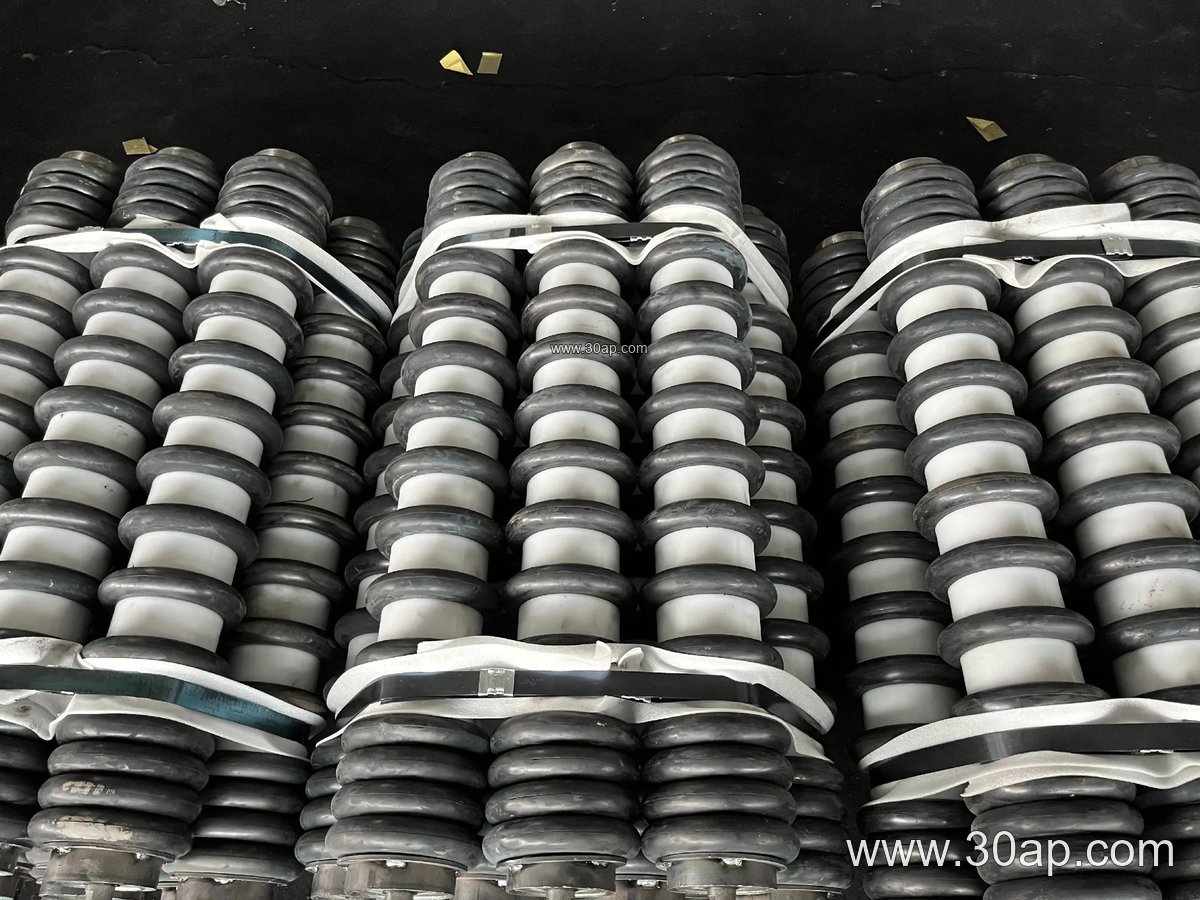
Sealing matters as much as the tube. Dust, grit and water ingress are the main reasons an idler roller fails early. Labyrinth seals, contact seals and grease retention features are the usual defences, and they deserve close attention in coal handling and other dusty circuits. Surface options include plain steel, nylon, ceramic and rubber rings; rubber rings are chosen where impact and abrasion are severe, such as under a crusher discharge.
Where It Fits in the Conveyor Line
On a three-roll troughing set, the Ø108 idler forms the trough that shapes the belt and keeps bulk material centered. Trough angles of 20, 30, 35 or 45 degrees are common, and the roll length changes with belt width and trough geometry. For example, a three-roll set on a B800 belt often uses rolls around 315 mm long, while B1000 and B1200 belts use longer rolls; these are reference figures, not fixed pairings.
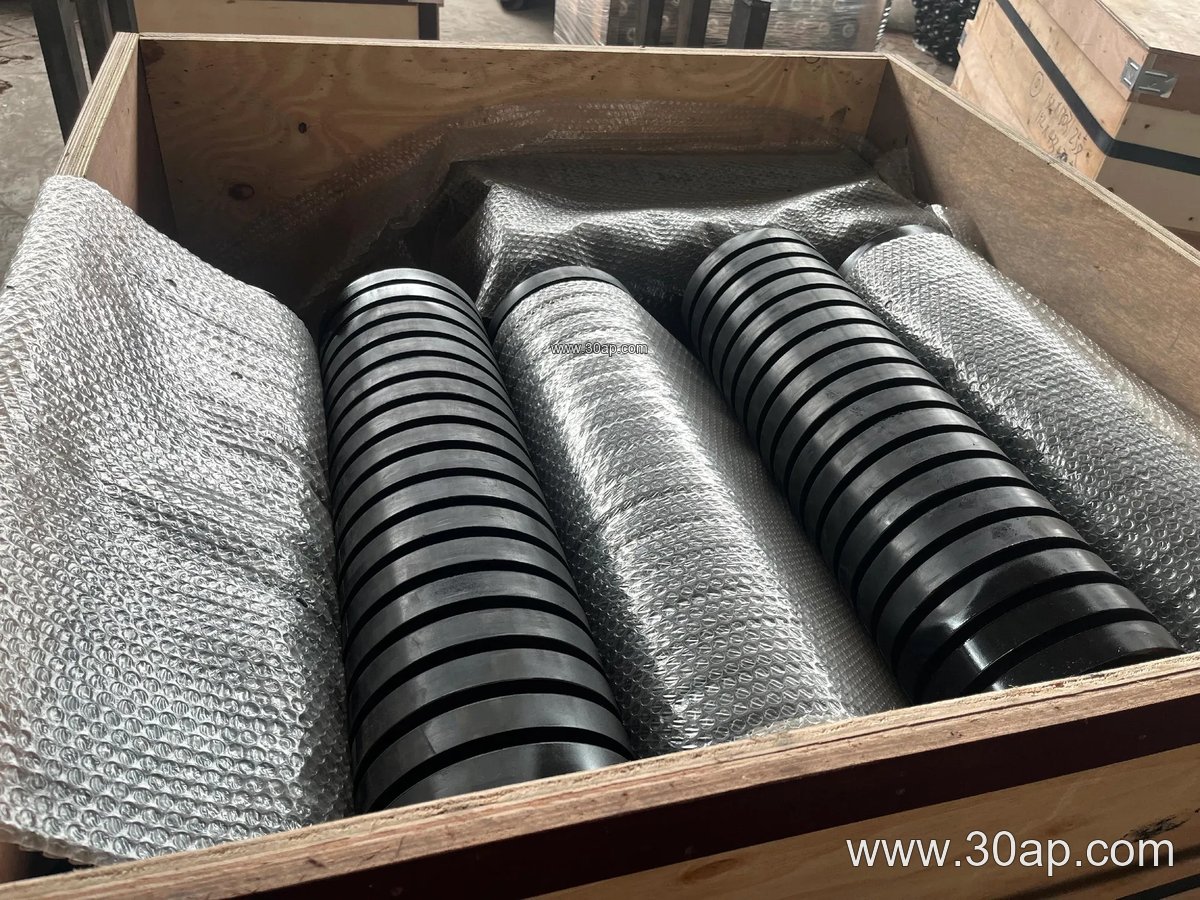
On the return side, a flat or V-shaped roller supports the empty belt. Impact idlers with rubber rings are used at transfer points, and self-aligning idlers help correct belt drift on long runs. In a quarry or aggregate line, the same 108 mm roller may appear in several of these positions, which simplifies spares planning.
Common Duty Conditions
The Ø108 mining idler is frequently specified for abrasive and moderately heavy service. In a limestone quarry or sand and gravel plant it handles crushed rock and aggregate; in a coal preparation plant it may run under a flame retardant conveyor belt and need good dust sealing; in a cement plant it carries clinker or raw meal on belts that can be hot. Where the belt itself is a heat resistant conveyor belt, the idler bearings and seals should still be rated for the surrounding temperature.
Belt construction also guides the choice. An EP conveyor belt or a multi-ply fabric core conveyor belt is common on medium-duty lines, while a steel cord conveyor belt or heavy-duty mining conveyor belt may call for larger diameter idlers and closer spacing. Whatever the belt, the idler must match the belt width, speed and load rather than being selected by diameter alone.
Reference Dimensions and Matching
The table below gives indicative figures for planning. Actual roll length, shaft and bearing are set by the conveyor design.
- Nominal roller diameter: Ø108 mm
- Common belt widths: B500 to B1800, with B650, B800, B1000 and B1200 among the most frequent
- Typical three-roll length examples: about 250 mm at B650, 315 mm at B800, 380 mm at B1000, 465 mm at B1200, 530 mm at B1400
- Trough angles: 20, 30, 35, 45 degrees
- Common bearings: 6204, 6205, 6305, 6306, 6308
- Roll surfaces: steel tube, nylon, ceramic, rubber ring
These values are illustrative. A B1000 belt does not automatically require one specific shaft diameter, and one belt width does not lock the conveyor to one pulley diameter or one idler size.
Buyer Checklist
Before ordering, confirm the belt width, trough angle and idler group type, then check the shaft end fixing and the frame or conveyor bracket dimensions. Ask how the bearing housing is sealed and whether the roller is balanced for the intended belt speed. For abrasive duties, compare shell thickness and surface options; for wet or dusty conditions, look at seal quality first.
Spare parts planning should cover the whole conveyor, not just the 108 mm rollers. Drive, tail and bend pulleys are separate items with their own specifications and are not interchangeable with idlers. Keep a small stock of the most heavily loaded positions, inspect rollers during scheduled shutdowns, and replace any unit with a seized bearing or a worn shell before it damages the belt. Used with the right belt and maintained properly, a Ø108 mining idler is a practical, long-serving component in quarry, cement, power and ore handling conveyors.