What a Heavy-Load Idler Does on a Conveyor
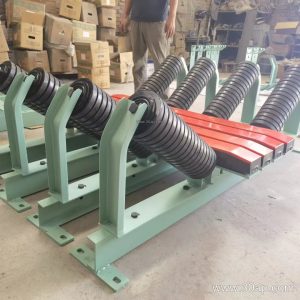
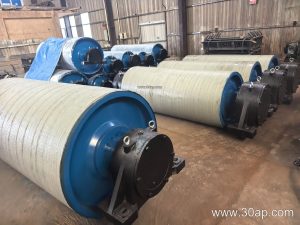
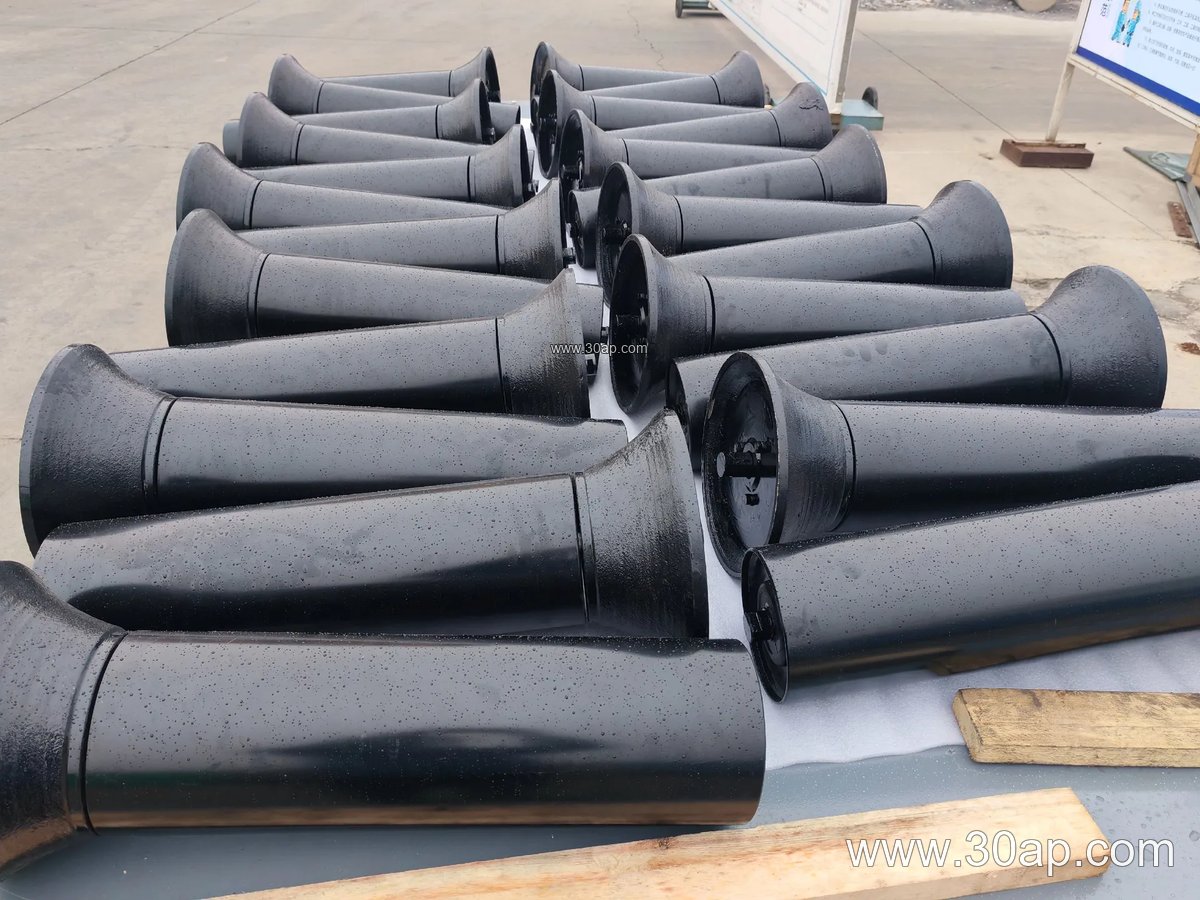
A heavy-load idler is the carrying or return roller built to survive the toughest part of a bulk handling line. Where a standard idler roller suits lighter belts and gentler material, the heavy-load version uses thicker shells, larger shafts, stronger bearing housings and better sealing to keep a loaded conveyor belt tracking smoothly under constant stress. In a quarry, a limestone mine or a crusher discharge line, one failed roller can stop the whole circuit, so choosing the right idler matters as much as choosing the belt itself.
The working principle is simple. The idler supports the conveyor belt and the material on it, reducing friction as the belt moves forward. Under heavy loads the roller must resist bending, keep the belt edge supported and protect the bearing from dust and water. This is why heavy-load idlers are usually paired with a robust conveyor bracket and a well-aligned frame. For operations that also move abrasive rock, pairing these rollers with an Abrasion Resistant Conveyor Belt helps spread wear more evenly across the whole system.
How a Heavy-Load Idler Is Built
Construction details separate a light-duty roller from a genuinely heavy-load idler. Common features include:
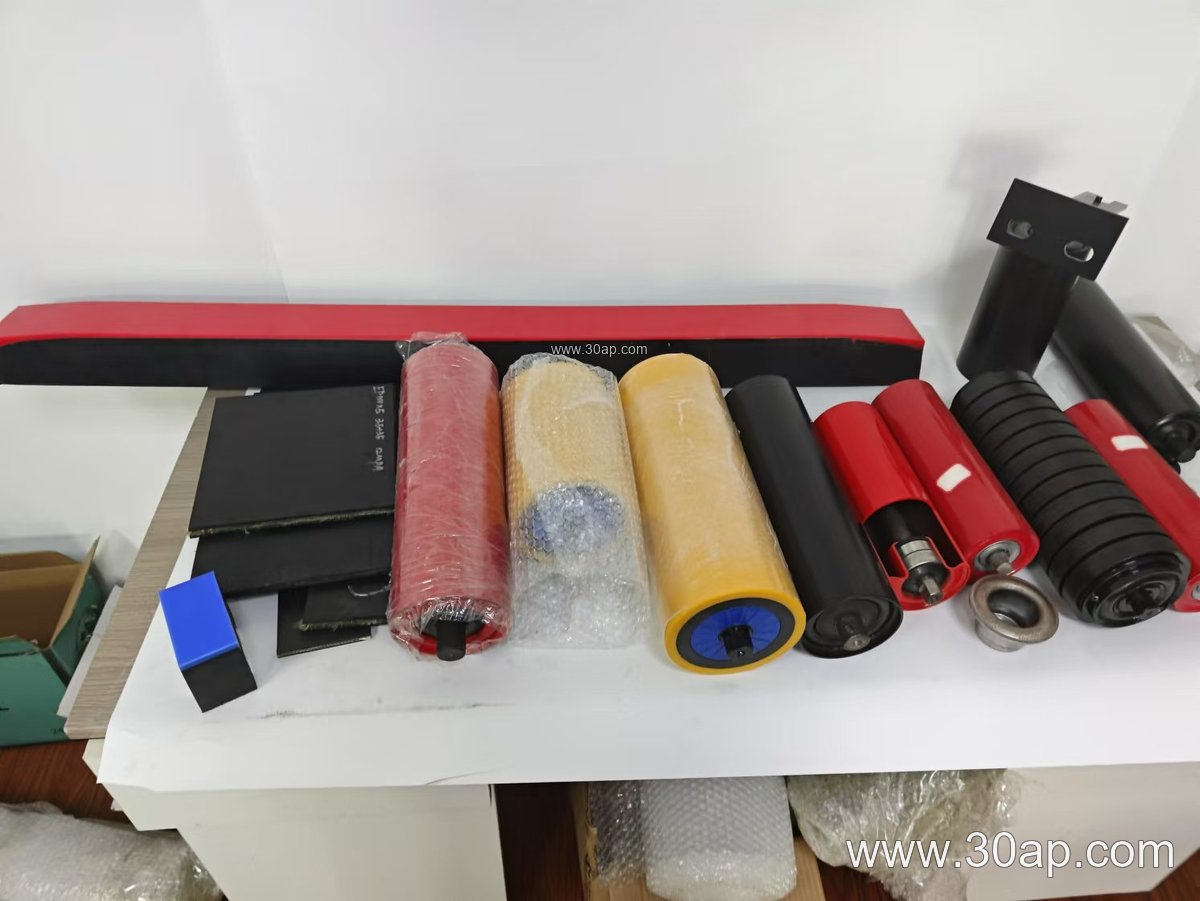
- A thick-walled steel tube shell, sometimes fitted with rubber rings for impact zones
- A shaft sized for the load and span, not simply matched to belt width
- Deep-groove ball bearings such as 6205, 6305, 6308 or 6310, selected by load and speed
- Multi-stage labyrinth seals or contact seals to keep out fine dust
- Welded end caps and a balanced shell for quiet running at speed
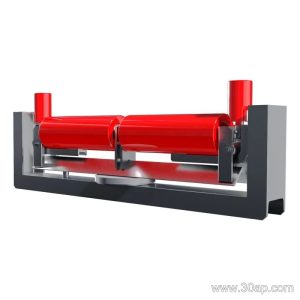
A typical heavy-load troughing set uses three rollers at a 30 or 35 degree trough angle, with 45 degrees appearing on some high-capacity lines. Roller diameter commonly ranges from Ø108 and Ø127 up to Ø159, Ø178 or Ø219 on very large installations. Roll length changes with belt width and trough form: a three-roll set might use roughly 315 mm rollers on B800, 465 mm on B1200, 600 mm on B1600 and 750 mm on B2000. These are common examples, not fixed rules, and the side rollers can differ from the centre roller.
Where Heavy-Load Idlers Are Used
Two settings show the value of this component most clearly. In a coal preparation plant, dusty and often wet conditions punish bearings, so sealed heavy-load rollers on the return side keep the line running through long shifts. In a cement plant, clinker and raw meal place a steady, heavy load on the belt, and sturdy idlers with wear-resistant shells reduce the risk of sudden stoppages between maintenance windows.
Similar demands appear in power plant coal handling, iron ore and copper ore transport, port ship loading and tunnel spoil removal. In each case the conveyor belt carries dense, often sharp material, and the idler set has to hold its shape. On lines handling hot clinker or sinter, a Heat Resistant Conveyor Belt is often specified alongside heat-tolerant rollers and frames.
Matching Rollers to Belt and Duty
Buyers should treat belt width and roller size as a design pair rather than a fixed chart. A wider belt does not automatically dictate one shaft diameter, and a given belt width can work with more than one pulley diameter or roller size depending on load, speed and spacing. The table below gives common reference values only.
| Belt width | Common roller diameter | Typical three-roll length | Typical trough angle |
|---|---|---|---|
| B800 | Ø89 to Ø108 | about 315 mm | 30 to 35 degrees |
| B1000 | Ø108 to Ø133 | about 380 mm | 30 to 35 degrees |
| B1200 | Ø127 to Ø159 | about 465 mm | 35 to 45 degrees |
| B1400 | Ø133 to Ø159 | about 530 mm | 35 to 45 degrees |
| B1600 | Ø159 to Ø178 | about 600 mm | 35 to 45 degrees |
| B1800 | Ø159 to Ø194 | about 670 mm | 35 to 45 degrees |
| B2000 | Ø178 to Ø219 | about 750 mm | 35 to 45 degrees |
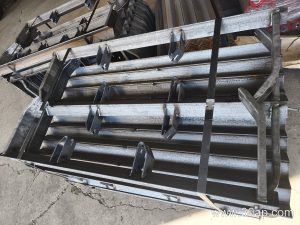
On impact zones below a crusher, a buffer or rubber-ring idler is a relevant comparison because it absorbs shock; it does not replace the heavy-load carrying roller elsewhere on the line. On the return run, a V-shaped return set can help centre the belt. Elsewhere, self-aligning rollers correct drift on long curves. A heavy-load idler remains the backbone of the main carrying section.
What to Check Before Ordering
Start with the duty: material density, lump size, belt speed and daily running hours. Confirm the roller diameter, shaft ends, bearing number and seal type. Verify the frame and conveyor bracket dimensions so the set fits without shimming. Ask how the shell is balanced and how the seal performs in dust. For long overland lines carrying abrasive ore, a Steel Cord Conveyor Belt or a high-strength fabric belt such as EP300 or EP400 may run alongside the same roller family, so the idler supplier should know the belt tension and load profile.
Finally, plan maintenance. Keep a small stock of spare rollers, check alignment after every belt change, and replace noisy or seized units early. That routine, combined with correctly specified heavy-load idlers, keeps conveyors in mines, quarries, cement works and power stations productive.