What a Ø133 Return Idler Does on the Conveyor
A Ø133 return idler is a 133 mm diameter roller that supports the empty, returning strand of a conveyor belt. After material has been discharged, the belt loops back underneath the frame, and these rollers carry its weight so the belt tracks evenly and the carcass is not dragged over the structure. In a coal mining conveyor line, a quarry conveyor, or a cement plant, the return run is long, so the choice of return roller affects power draw, belt wear, and the amount of maintenance work over a shift.
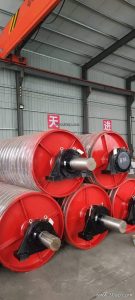
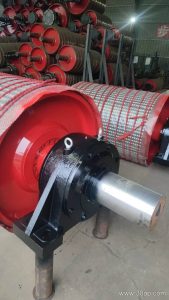
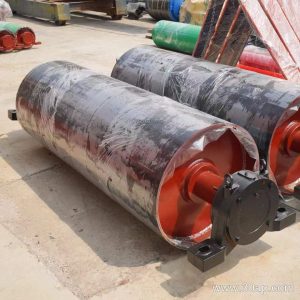
The same product is also called a 133 mm return roller or a flat return idler in 133 mm diameter. Those are accurate names for the same item; they are not the same as a drive pulley, tail pulley, or bend pulley, which are conveyor pulleys that transmit motion or change belt direction, not idlers.
Construction and Typical Materials
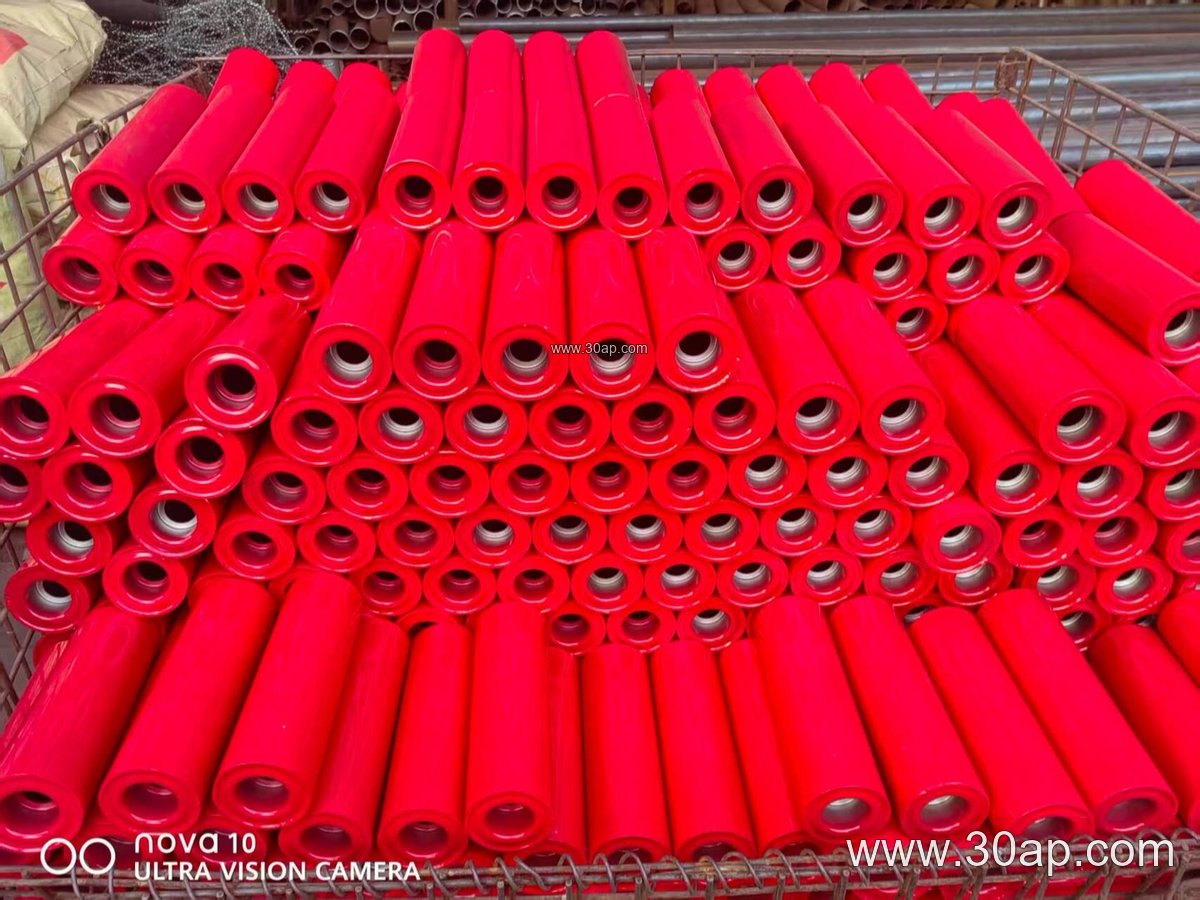
A return idler is usually built around a steel tube shell fitted with sealed bearing housings at each end. The shaft is fixed to the conveyor bracket, and the shell rotates with the belt. For a 133 mm roller, common bearing sizes include 6305, 6306, and 6308, but the correct bearing depends on load and shaft design rather than on diameter alone. Seals matter in dusty or wet conditions; good labyrinth sealing keeps grit away from the bearing and extends service life.
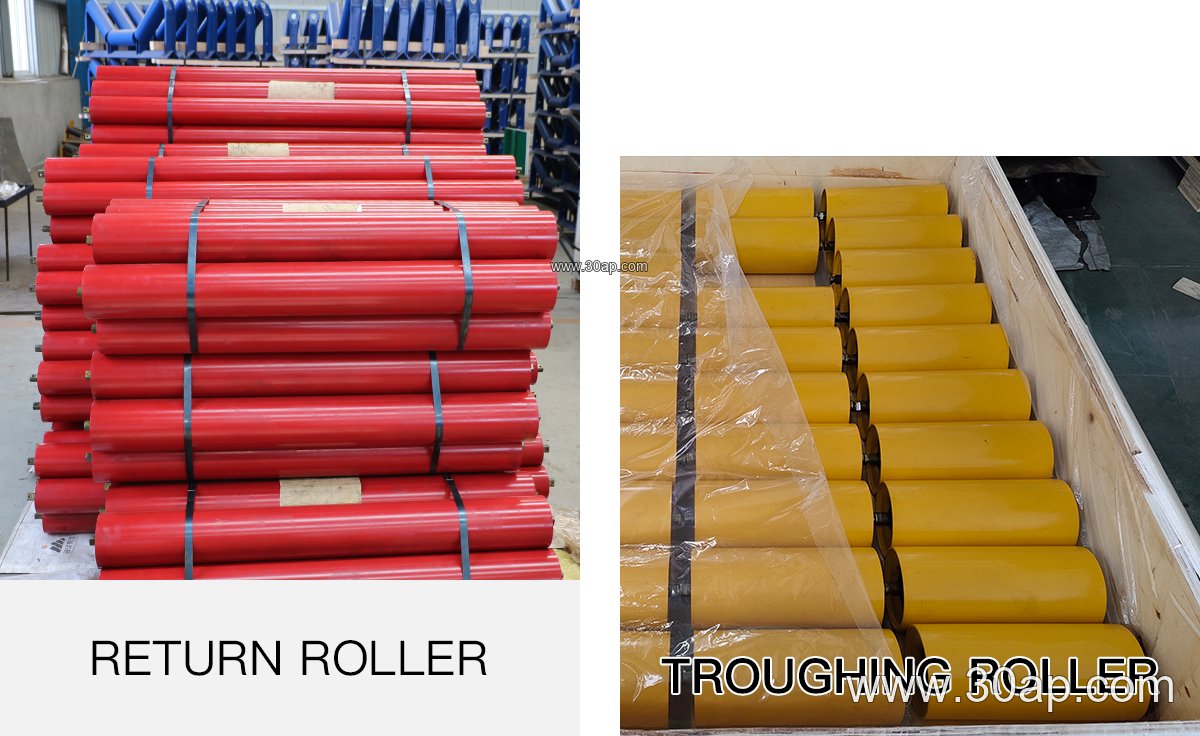
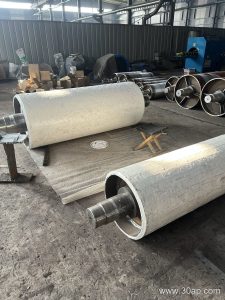
Roller surfaces vary. Plain steel is the standard choice. Rubber rings or a rubber-disc surface can reduce noise and protect the belt in some positions, while nylon or ceramic covers are used where build-up or wear is a concern. Return rollers are generally flat, and a V-type return idler may be chosen instead where belt training on the return strand is difficult.
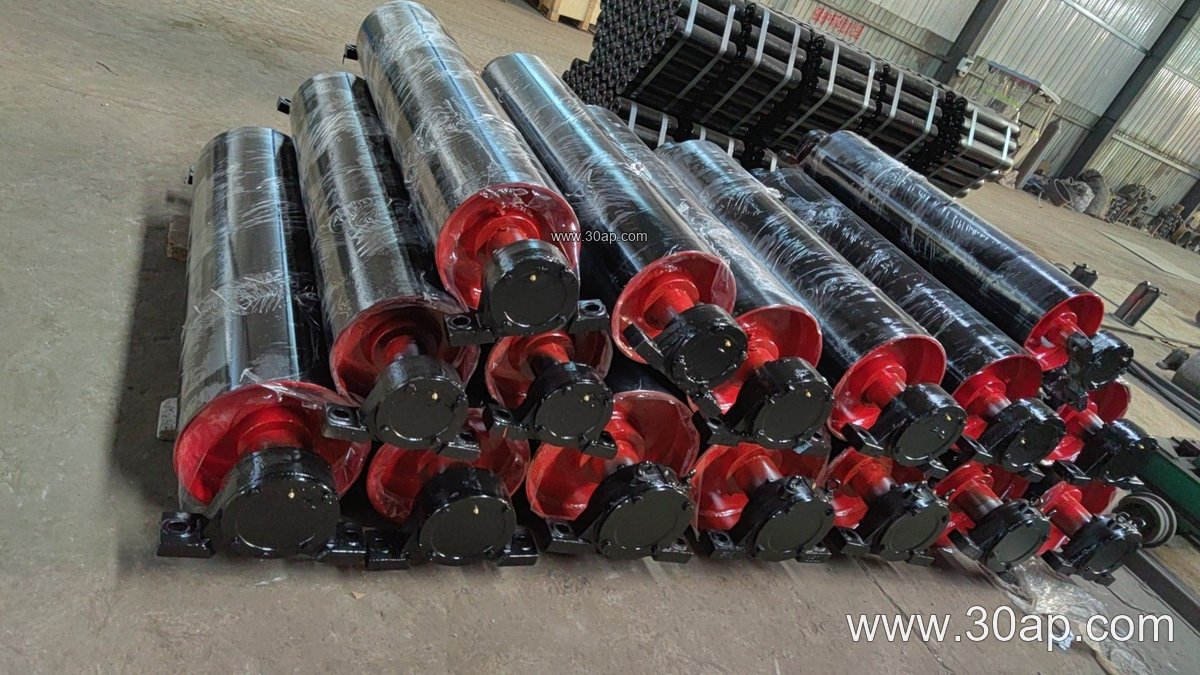
Where It Fits in the Conveyor Layout
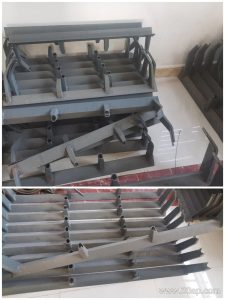
The return idler sits on the lower frame, spaced along the return strand, often at wider intervals than the carrying idlers because the load is lighter. It pairs with three-roll troughing sets on the carrying side, which use trough angles such as 20, 30, 35, or 45 degrees. In a limestone quarry or an iron ore plant, the return rollers must cope with abrasive dust; in a power plant coal handling system, flame retardant and anti-static belt grades are common, and the rollers should be selected to match the environment.
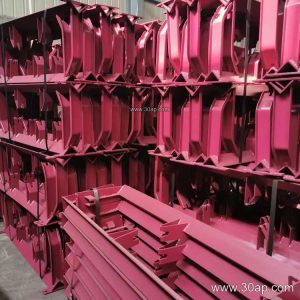
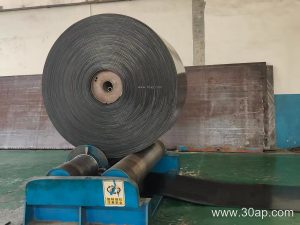
Other equipment in the same line includes the conveyor belt itself, the conveyor pulley at the head and tail, and the conveyor bracket that holds each idler. A skirted conveyor belt or a corrugated sidewall conveyor belt may need different return support because of cleats and sidewalls, so check clearance before ordering.
Size Reference and How to Read It
The following values are common reference data for idlers and belts, not fixed supply promises. Final dimensions are set by the conveyor design.
- Roller diameter series commonly includes Ø63, Ø76, Ø89, Ø102, Ø108, Ø127, Ø133, Ø159, Ø178, Ø194, and Ø219 mm.
- Belt widths commonly range from B400 to B2400, including B650, B800, B1000, B1200, B1400, and B1600.
- Trough angles commonly used are 20, 30, 35, and 45 degrees; forward tilt of about 1.5 to 2 degrees appears on training idlers.
| Item | Common Reference | Note |
|---|---|---|
| Return idler diameter | Ø133 mm | Main subject of this article |
| Belt width examples | B800, B1000, B1200, B1400 | Roller length follows belt width and frame design |
| Bearing examples | 6305, 6306, 6308 | Selected by load and shaft, not diameter alone |
| Shell options | Steel, nylon, ceramic, rubber ring | Choice depends on dust, noise, and belt protection |
Do not assume a given belt width can only match one pulley diameter, and do not derive a shaft size from belt width alone. The shaft, bearing, and frame are engineered together.
Buyer Checklist Before Ordering
- Confirm the belt width, return strand height, and bracket hole spacing.
- State the environment: coal dust, cement powder, aggregate, or port humidity, and whether a flame retardant or heat resistant belt runs on the line.
- Check seal type and lubrication approach for the bearing housing.
- Ask whether the roller is balanced for the belt speed used.
- Match roller surface to the belt: a rubber-disc return roller can help with an abrasion resistant conveyor belt carrying sharp rock, while a plain steel roller suits cleaner service.
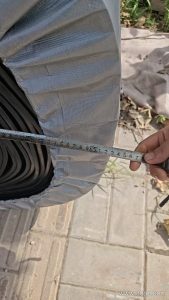
For a replacement, measure the old roller and note the mounting style. A Ø133 return idler from a different maker may look similar but differ in shaft end, bearing seat, and seal. Ordering by drawing or sample avoids a mismatch on a running line, whether the plant is a gold mining operation, a copper ore concentrator, or a sand and gravel yard.
Maintenance Notes
Inspect return rollers for seized bearings, shell wear, and material build-up. A dragging roller can rub through the belt cover and shorten belt life. Keep the return strand clear of spillage, and replace rollers in sets where alignment has shifted. On a long overland line using an EP conveyor belt or a steel cord conveyor belt, small idler faults add up quickly in energy cost, so routine checks are worth the time.