What a Mining Fire Resistant Conveyor Belt Is
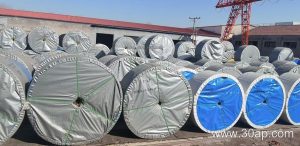
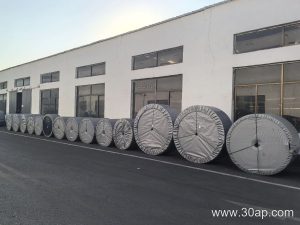
A Mining Fire Resistant Conveyor Belt is a heavy-duty rubber belt built to carry coal, ore, aggregate and other bulk materials while resisting ignition and limiting flame spread in the event of a fire. It belongs to the wider family of Fire Resistant Conveyor Belt products, but the mining version is engineered for the dust, moisture, impact and continuous load found underground and in processing plants. In practice, this belt is often specified together with a flame retardant cover compound, anti-static properties and a robust carcass so that it performs as a complete fire resistant conveyor belt system rather than a single-layer barrier.
The same product is also described as a fire resistant rubber conveyor belt or a mining flame retardant conveyor belt. These are equivalent names for the same article; the key point is that fire resistance is a designed property of the belt body and covers, not an afterthought.
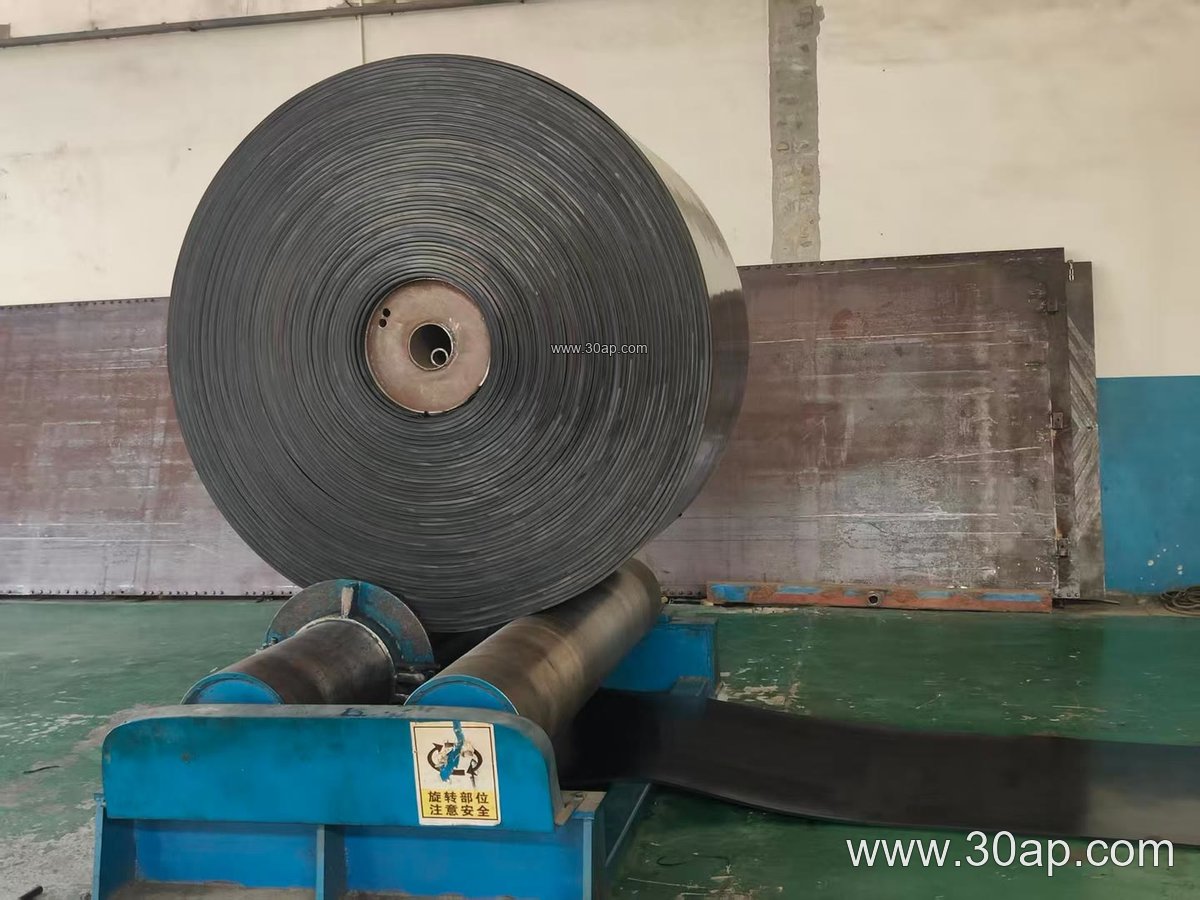
How the Belt Is Built
Most mining fire resistant belts use a fabric core or steel cord carcass. The carcass carries tension, while the rubber covers protect it from abrasion, moisture and impact. A typical construction includes:
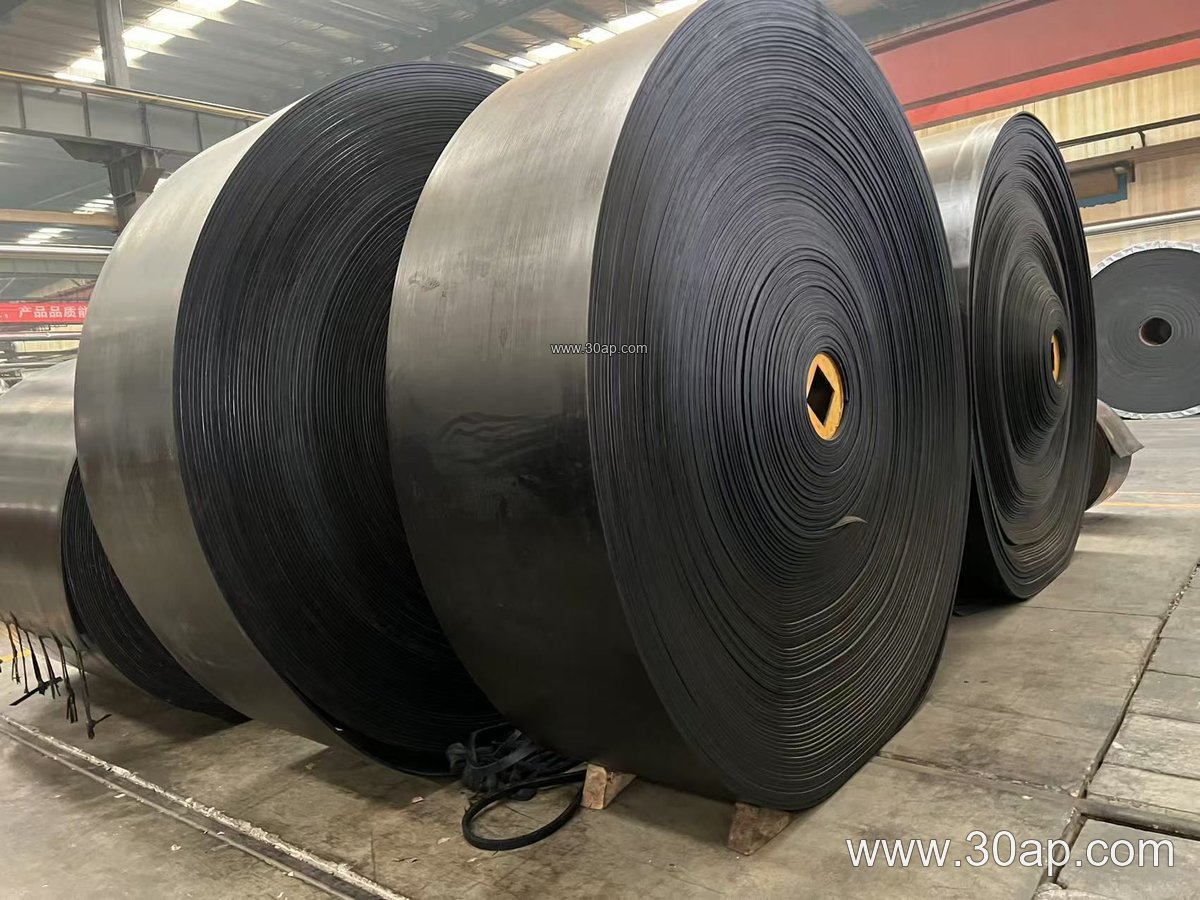
- Carcass: multi-ply fabric (EP or NN) or steel cord, selected according to load and pulley geometry.
- Cover compounds: flame retardant rubber on the top and bottom, usually with anti-static additives.
- Edge protection: reinforced edges to reduce fraying on troughing idlers and at transfer points.
Fabric core types are common in underground coal mining because they tolerate tight bends and repeated flexing. Steel cord belts suit long, high-tension runs in large mines and bulk terminals. In both cases, the fire resistant formulation must remain effective after splices and repairs, so splicing materials should match the belt’s fire performance.
Common Specifications and Reference Data
The values below are typical reference ranges, not universal guarantees. Actual construction is confirmed by the belt designer and manufacturer.
| Parameter | Typical Options |
|---|---|
| Belt type | EP fabric, NN fabric, steel cord, PVG |
| Strength grade | EP200 to EP2000; ST1000 to ST3150 |
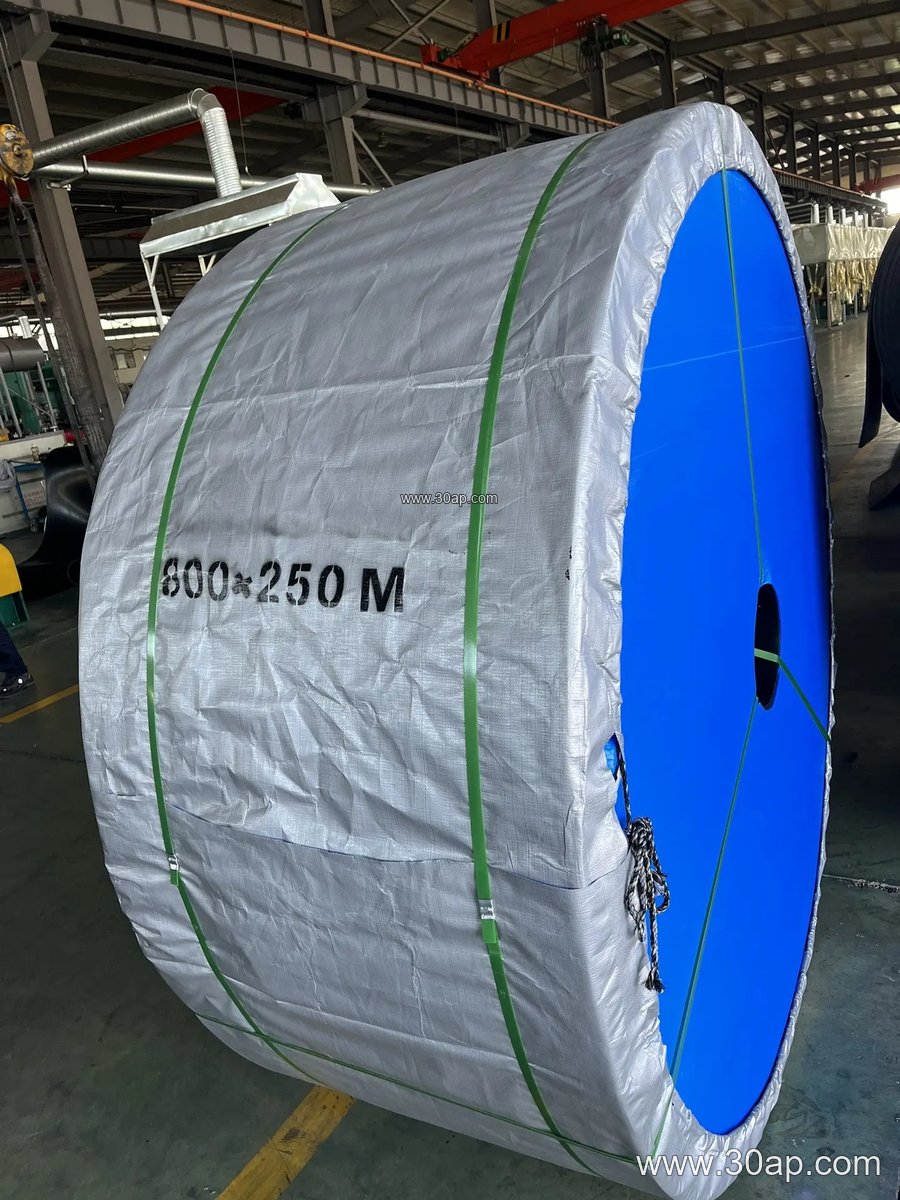
| Belt width | B500, B650, B800, B1000, B1200, B1400, B1600, B1800, B2000 |
| Cover thickness | 3+1.5, 4+2, 5+2, 6+2, 8+3 mm |
| Carcass plies | 2 to 6 layers for fabric core |
For example, an EP1000 belt at 1200 mm width may be used on a main haulage conveyor, while a wider 1800 mm belt with a thicker cover suits high-tonnage primary crushing stations. These are examples of matching belt width and strength to the conveyor design, not fixed rules. Belt width should be chosen from the required capacity and material lump size, and pulley diameters are selected from the belt’s rated tension and flex requirements, not from width alone.
Where It Is Used
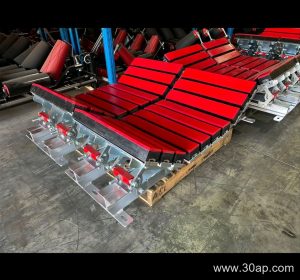
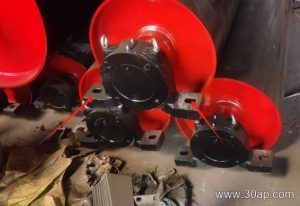
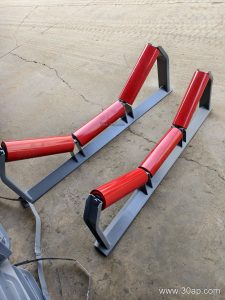
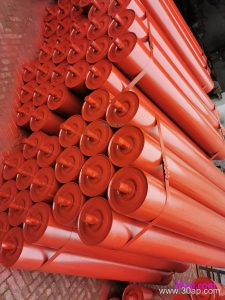
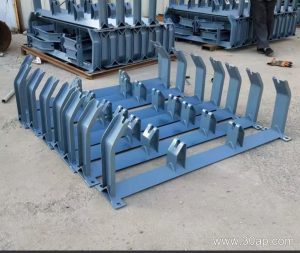
Mining fire resistant belts appear in underground coal mining, ore handling, cement plants, power plant coal yards and quarry operations. They feed crushers, stackers, ship loaders and transfer towers. A coal mining conveyor belt often runs alongside idler rollers, conveyor pulleys and conveyor brackets that must also be compatible with the fire-safety plan. In cement and aggregate plants, the same belt may carry limestone or clinker where dust and sparks are present.
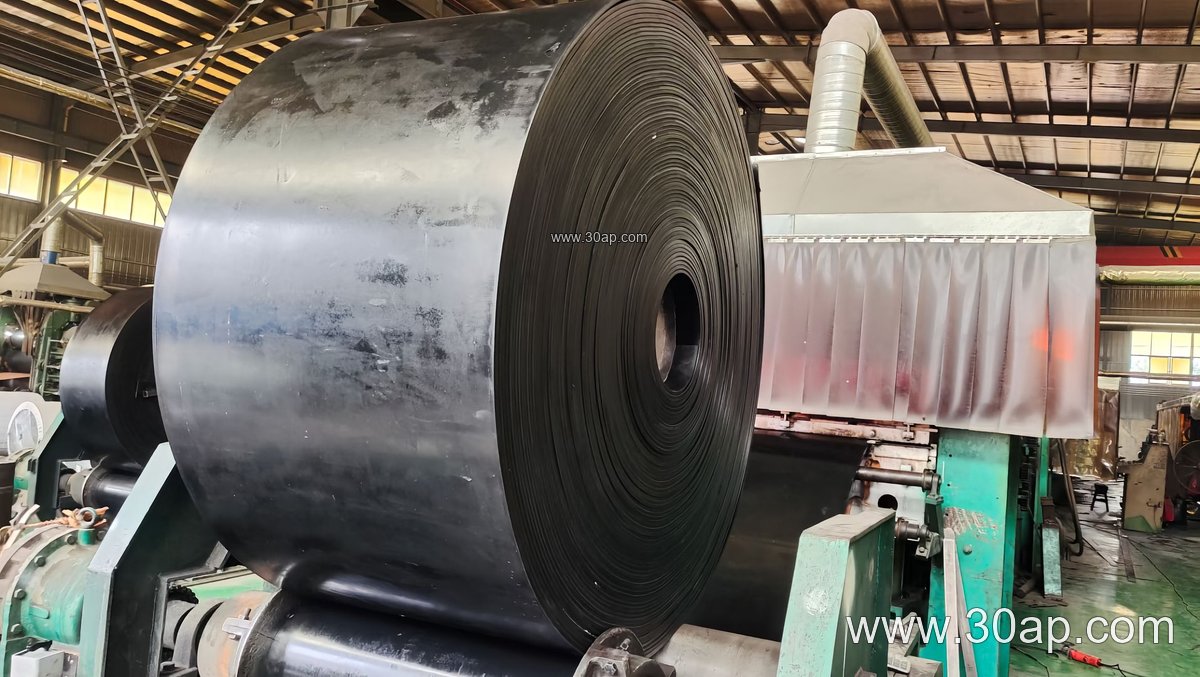
Related constructions such as a Heat Resistant Conveyor Belt or an Abrasion Resistant Conveyor Belt may be compared when the dominant risk is temperature or wear rather than ignition. Those are different subtypes and are not substitutes for fire resistance where flame spread is the governing hazard.
Buyer Checklist
- Confirm the fire performance requirement with the site safety engineer before ordering.
- Match belt strength and width to the conveyor’s calculated tension and capacity.
- Check cover thickness against impact and abrasion conditions at transfer points.
- Verify that splicing materials and repair patches have equivalent fire performance.
- Review pulley, idler roller and bracket compatibility, including trough angle and belt tracking.
- Ask for the manufacturer’s test data and handling instructions; do not assume a grade from the product name alone.
A well-chosen Mining Conveyor Belt of the fire resistant type supports safer operation, but it still depends on correct installation, tensioning and maintenance. Inspect covers, edges and splices regularly, and keep the belt clean of combustible dust and spillage.