What a Conveyor Ceramic Lagged Pulley Does
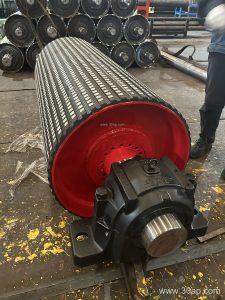
A conveyor ceramic lagged pulley is a conveyor pulley whose shell is covered with ceramic tiles set in a rubber or polymer backing. The ceramic studs sit slightly proud of the rubber, so the belt grips on many small, hard contact points instead of one smooth rubber surface. That is the practical difference between a plain rubber lagging and this ceramic lagged pulley design, and it is why the product turns up wherever the belt has to keep hold of the drum under wet, dusty or slipping conditions. The same product is often called a ceramic lagging pulley or a ceramic coated pulley; all three names describe the same item.
It is not a replacement for a drive, tail or bend pulley. It is a surface option applied to whichever conveyor pulley in the system actually needs extra grip, and the drum underneath still has to be sized for the load it carries.
How the Ceramic Surface Is Built
The shell is usually machined steel, fitted with a lagging layer that bonds the ceramic tiles into place. Thickness is commonly 8, 10, 12, 15 or 20 mm depending on the duty. The tile pattern matters more than the raw number: small square or hexagonal tiles give more edges, while ribs or grooves between tiles allow water and fines to escape so the belt does not hydroplane.
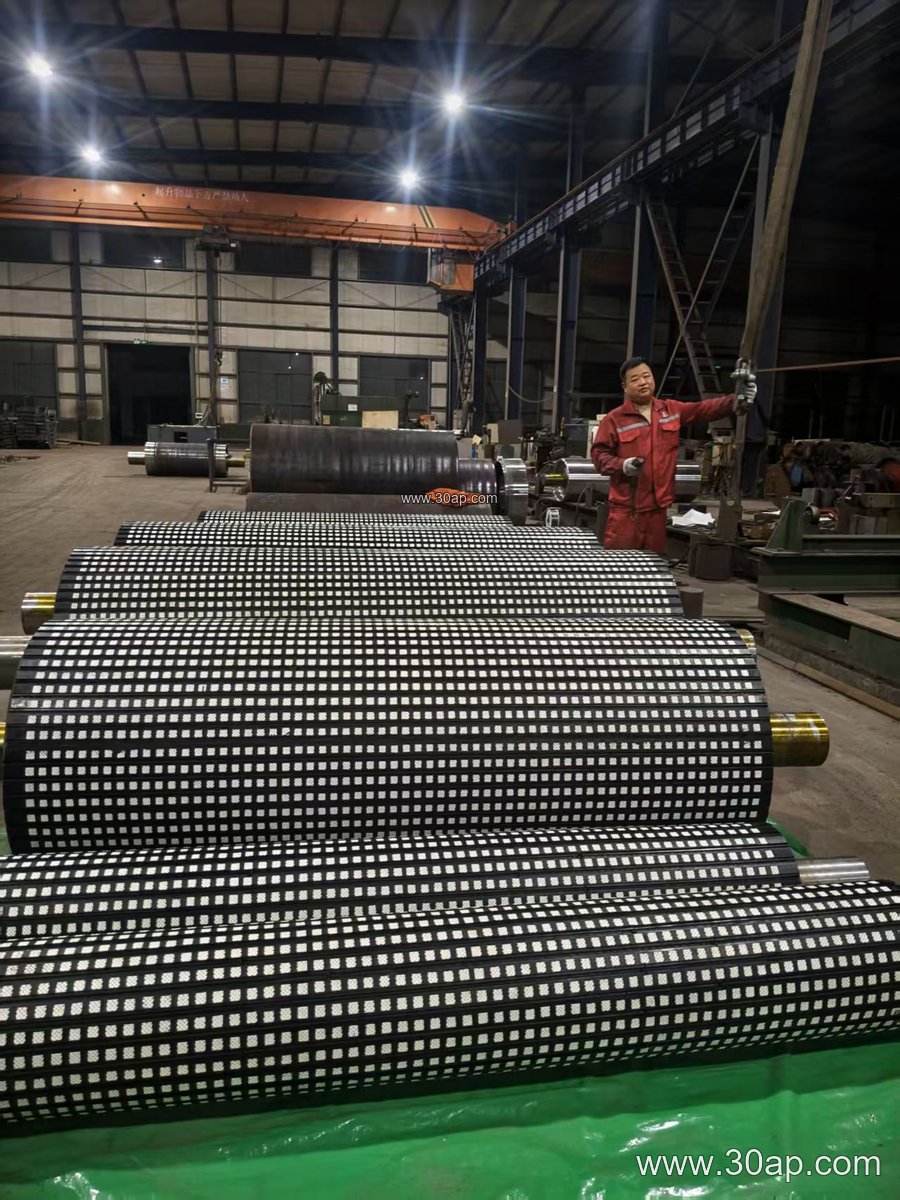
- Plain ceramic in rubber for general grip on dry or damp belts.
- Ceramic with drainage grooves where washdown water or slurry is present.
- Interlocking tile formats for higher torque and less tile loss on large drums.
The drum itself carries the usual dimensions. Common face widths follow belt width, so a B800 belt usually sits on a pulley face around 950 mm, and a B1200 belt on roughly 1400 mm. Diameters range from about Ø200 up to Ø1800 for heavy drives, with B800 × Ø500 and B1200 × Ø1000 being ordinary combinations rather than fixed rules. Shaft diameter is set by torque and bearing load, typically Ø50 to Ø200, not by belt width alone. Rough duty in a limestone quarry or an iron ore plant may call for a thicker lagging and a larger shaft than a clean cement plant transfer point.
Where It Fits on the Conveyor
The most common position is the drive pulley, where slip shortens belt life and burns rubber. A ceramic lagged pulley on the head drive keeps traction even when a Mining Conveyor Belt comes back wet from a wash box. Tail pulleys and bend pulleys can also be ceramic lagged, but the reason differs: on a tail pulley the aim is usually to stop material build-up and belt wander, while on a bend pulley it is to keep the belt tracking through a wrap.
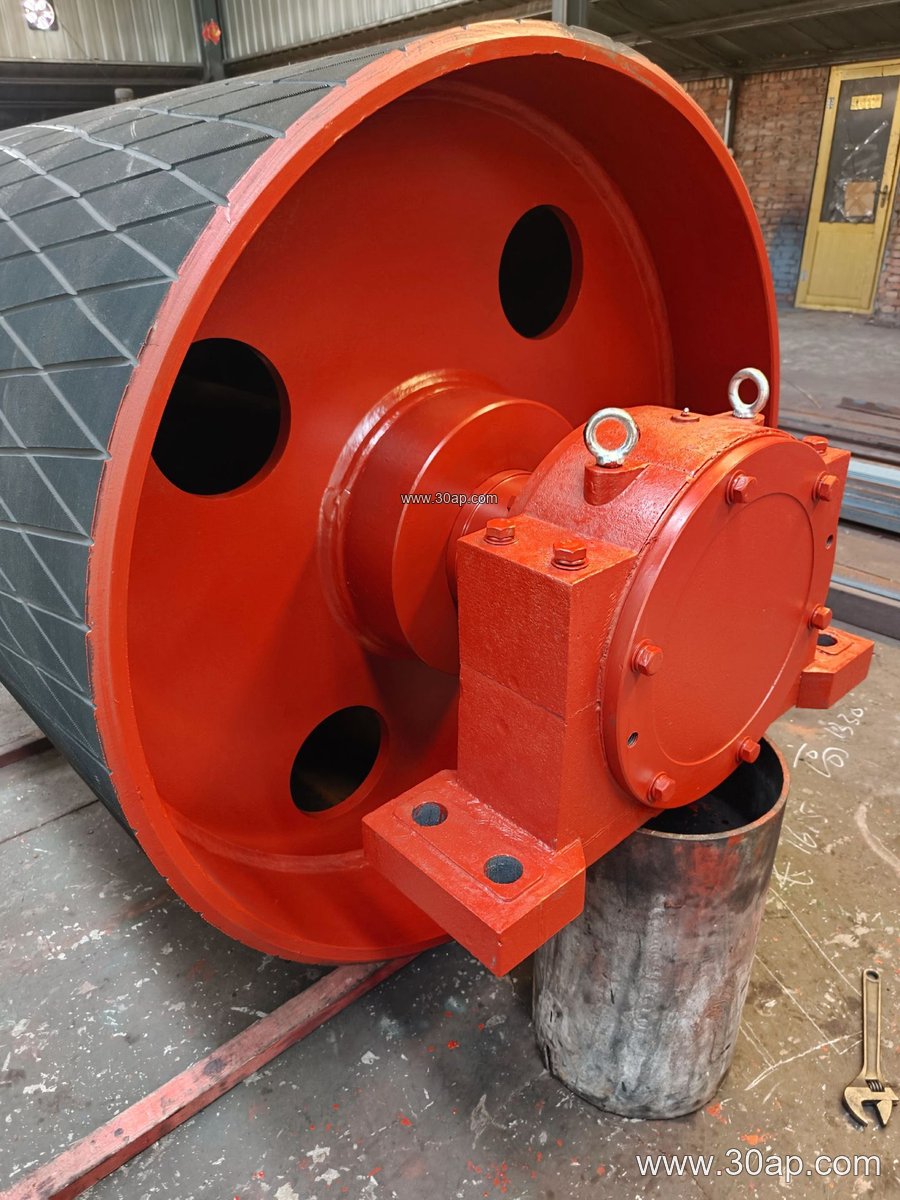
In a coal washing plant or a power plant coal yard, a Flame Retardant Conveyor Belt paired with a ceramic drive drum is a normal arrangement. In an aggregate line, a high abrasion resistant belt running over a ceramic lagged drive pulley handles the grit without the polished, slippery surface that plain rubber develops. For a long overland run using a Steel Cord Conveyor Belt, the drive drum carries far more tension, so tile bonding quality and groove design deserve close attention.
Buyer Checklist
Before ordering, confirm the pulley role, the belt width, the drum diameter and the shaft size, and say whether the pulley is a drive, tail, take-up or bend position. Give the belt type as well, because an EP Conveyor Belt, an NN Conveyor Belt and a steel cord belt load the lagging differently. Ask how the tiles are bonded and whether grooves are needed for water. Check that the face width suits the belt and that the lagging thickness matches the wear expected in your plant.
| Item | Typical reference values |
|---|---|
| Belt width | B400 to B2400 |
| Pulley diameter | Ø200 to Ø1800 |
| Lagging thickness | 8, 10, 12, 15, 20 mm |
| Shaft diameter | Ø50 to Ø200, set by torque |
| Face width example | B650 about 750 mm, B1000 about 1150 mm |
During maintenance, inspect for missing tiles, cracked ceramic and rubber undercut. A few lost tiles are not an emergency, but a growing bare patch will let the belt slip. Keep the drum clean, check the conveyor bracket and bearing alignment, and confirm the conveyor belt tension is correct before blaming the lagging. Used well, a ceramic lagged pulley outlasts plain rubber in wet and abrasive service and keeps the whole conveyor line running with less belt slip.