What a 1400mm Conveyor Belt Is
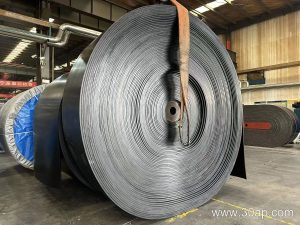
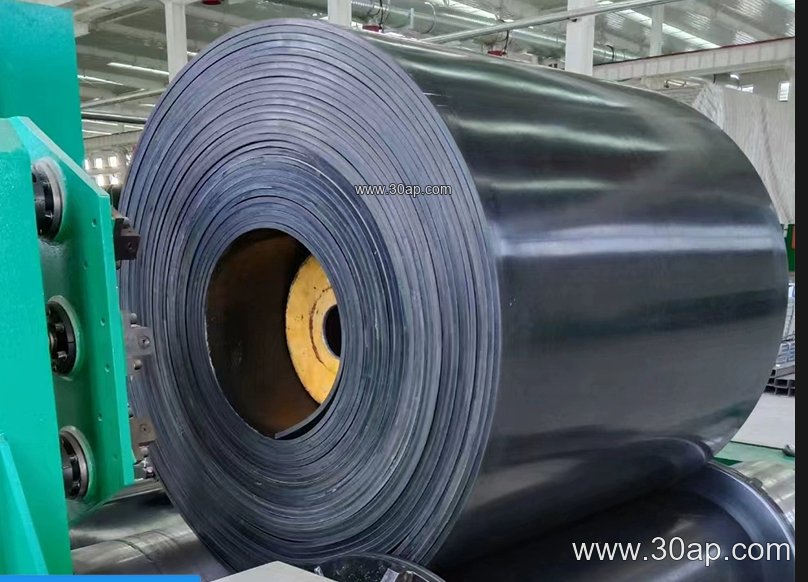
A 1400mm conveyor belt is a wide-format rubber belt with a nominal belt width of B1400. It sits between the common 1200mm and 1600mm sizes, so it can carry high tonnages without going to a full extra-wide platform. Buyers in mines, coal preparation plants, cement works, power stations, ports and large sand and gravel yards often choose this width when a narrower belt would limit throughput.
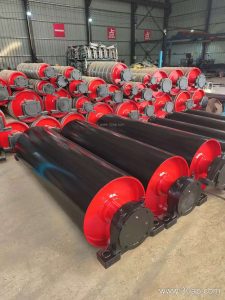
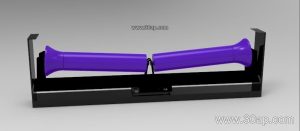
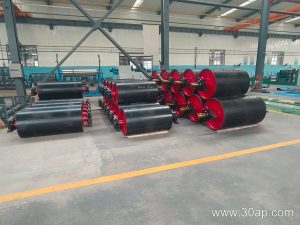
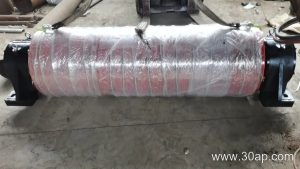
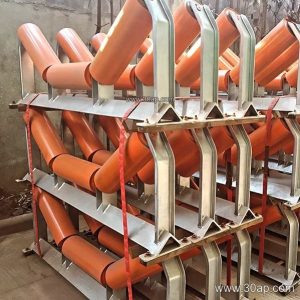
The belt is only one part of the line. It runs over a drive pulley, tail pulley and bend pulleys, and it is supported by idler rollers mounted on conveyor brackets. Each of these parts has its own role, and none should be treated as a simple substitute for another.
How the Belt Is Built
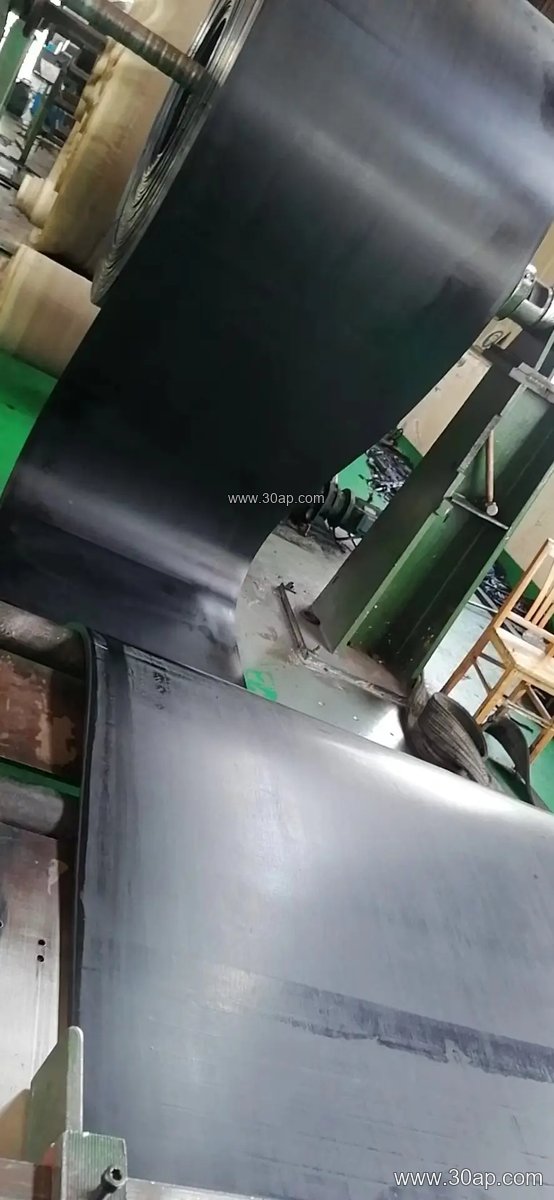
The construction is a carcass plus covers. Carcass options include EP fabric, NN fabric, multi-ply fabric core and steel cord. Cover compounds are selected for abrasion, heat, oil, flame resistance or cold service. Edge construction, ply count and cover thickness all change the mass and stiffness of the finished belt.
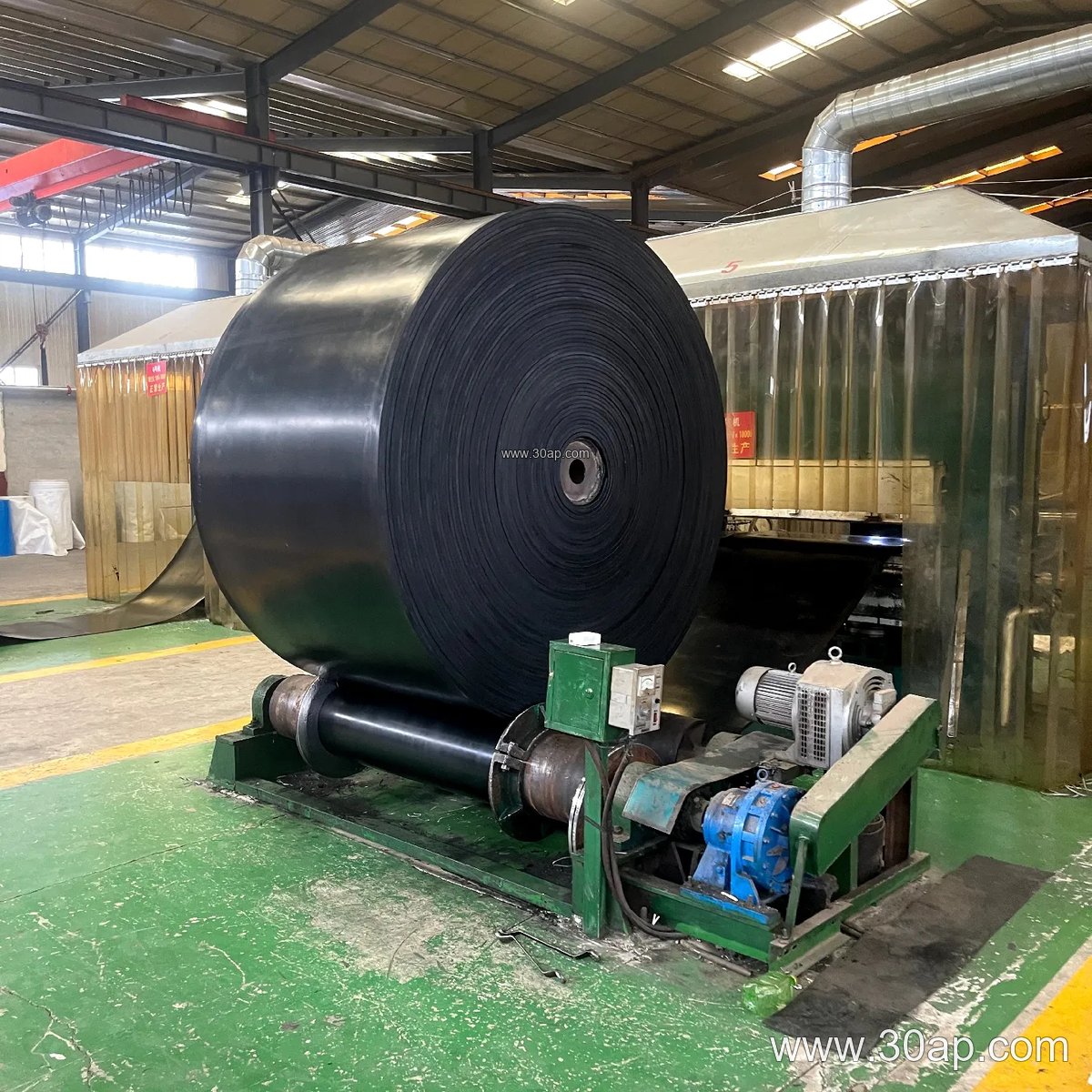
- Carcass: EP Conveyor Belt or NN Conveyor Belt with several plies, or a Steel Cord Conveyor Belt for very long, high-tension runs.
- Covers: top and bottom cover grades matched to the material and the environment.
- Edges: cut edges or moulded edges, depending on the manufacturer and the duty.
Typical cover gauges include 4+2 mm, 5+2 mm, 6+2 mm and 8+3 mm. These are common references, not fixed rules. A buyer should state the actual lump size, material temperature and loading method so the supplier can confirm the build.
Common Specifications
The table below shows reference values often seen for this width class. Final values are set by design.
| Item | Reference range |
|---|---|
| Belt width | B1400 (1400mm) |
| Strength grades | EP200, EP315, EP400, EP500, EP630, EP800, EP1000, EP1250 |
| Ply count | 2 to 6 plies, depending on grade |
| Cover thickness | 3+1.5, 4+2, 5+2, 6+2, 8+3 mm |
| Special grades | Abrasion Resistant Conveyor Belt, Heat Resistant Conveyor Belt, Flame Retardant Conveyor Belt, Oil Resistant Conveyor Belt, Cold Resistant Conveyor Belt |
Where It Fits in the Plant
In a coal mining or underground coal mining operation, a flame retardant and anti-static belt is usually required for safety. In a quarry or aggregate plant, a high abrasion resistant belt handles sharp rock and stone. In a cement plant, heat resistant grades are common near kiln discharge. In a power plant, coal and ash lines may use a Mining Conveyor Belt with flame retardant properties. Port and ship loading systems often use wide belts to move bulk material at high rates.
Where the route inclines, a Chevron Conveyor Belt or a Corrugated Sidewall Conveyor Belt may be considered instead of a standard flat belt. These are different subtypes with different profiles, so they are compared with the flat 1400mm belt rather than used as a replacement name for it.
Selection Points for Buyers
Start with the material: lump size, bulk density, moisture, temperature and whether it is oily or abrasive. Then confirm the conveyor layout, including incline angle, transition distance and pulley diameters. A wider belt does not automatically dictate one pulley size; the pulley diameter follows the belt carcass and tension rating, not the width alone.
- Check the tension rating against the actual duty, not just the width.
- Match cover grade to wear, heat, oil or fire risk.
- Confirm the idler roller spacing and trough angle for the load.
- Review the conveyor pulley and bracket dimensions with the belt supplier.
- Ask for the belt mass per square metre to check the drive design.
For a long overland route or a high-lift application, a Steel Cord Conveyor Belt may be the better fit, while a Multi-Ply Fabric Core Conveyor Belt is common for medium-duty lines. An Endless Conveyor Belt can suit short, fixed-centre machines where splicing access is limited.
Installation and Maintenance Notes
Correct storage matters. Keep rolls dry, upright and away from direct sunlight. During installation, align the belt carefully and check pulley and idler roller alignment before tensioning. Track the belt at low speed first, then bring it up to working load. Inspect edges, splices and covers regularly, and watch for material build-up on return rollers and bend pulleys, which can cause mistracking.
For harsh service, an Abrasion Resistant Conveyor Belt with a thicker top cover usually lasts longer than a thin standard cover, but it is heavier and needs more drive power. That trade-off should be checked at the design stage, not after the belt is on the frame.