What a Conveyor Bracket Quotation Covers
A conveyor bracket quotation is the priced breakdown a supplier issues for the steel supports that hold idler rollers and shape a conveyor belt along its run. Buyers often call the same item a belt conveyor support bracket or roller support frame, and a clear quote should make the scope obvious at a glance. On a quarry line or a cement plant feeding a crusher, the brackets are small compared with the pulleys and drives, yet they set the trough profile, the roller spacing, and how quickly a maintenance team can swap a worn idler roller.
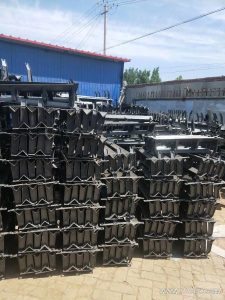
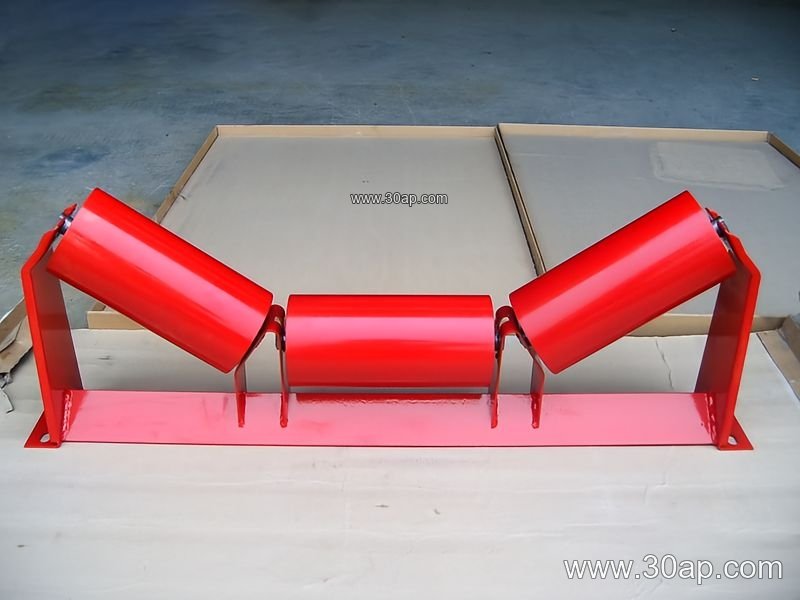
A well-prepared quotation usually separates the main support families rather than lumping them into one line item. A typical offer may cover trough brackets, return brackets, transition brackets, and self-aligning frames, each listed with its own material and finish.
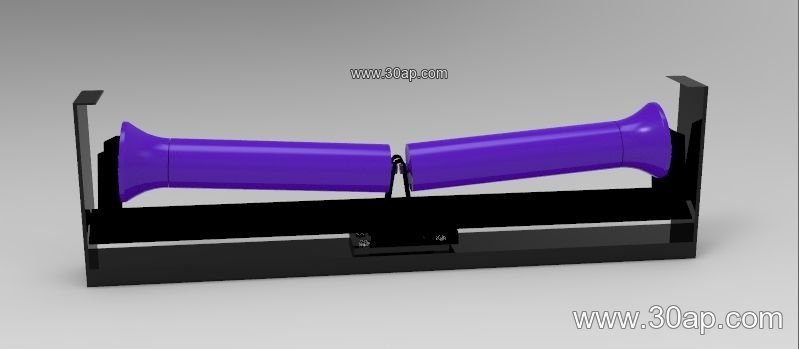
How the Brackets Are Built
Most support frames are fabricated from angle steel, channel steel, or folded steel plate. The choice affects stiffness under load and the cost of galvanizing or painting. Fabricators cut, punch, and weld the frame so the roller seats sit at the specified trough angle, then drill mounting holes to suit the conveyor stringer spacing.
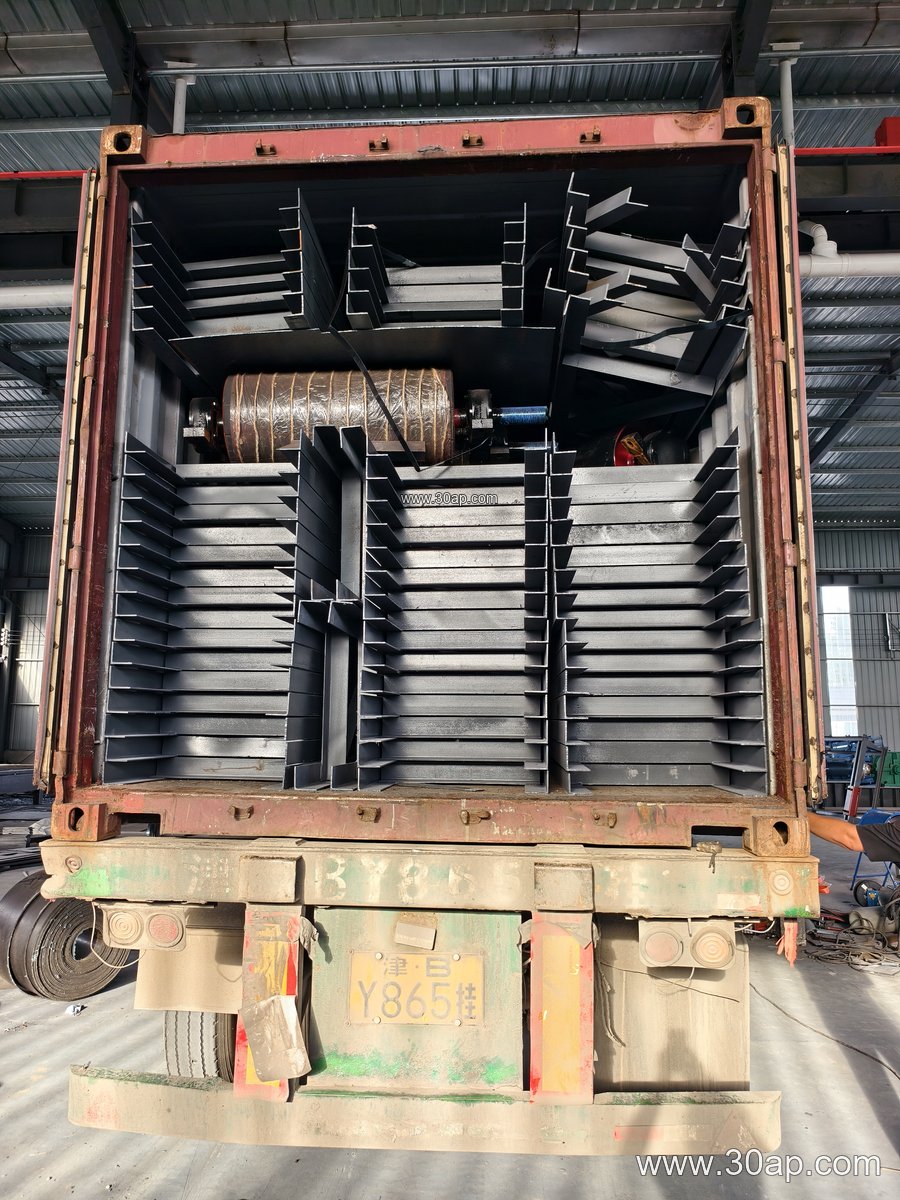
Key details a quotation should state:
- Frame material and surface treatment, such as hot-dip galvanized or painted
- Trough angle, commonly 20, 30, 35, or 45 degrees, with adjustable versions able to move between these angles
- Belt width the frame is designed for, for example B800, B1000, or B1200
- Roller diameter the seats accept, such as Ø89, Ø108, Ø133, or Ø159
- Mounting hole spacing and crossbeam length, which follow belt width and trough angle and are confirmed per design
Forward-leaning frames, often set at about 1.5 to 2 degrees, are a separate variant used for belt training, and they should be quoted as such rather than mixed with standard trough frames.
Where These Supports Are Used
Belt conveyor support brackets appear wherever a conveyor belt carries bulk material over idlers. In a coal washing plant they hold troughing idlers under a flame retardant conveyor belt on the raw coal section. In a power plant coal yard, return brackets and V-return frames support the belt on its empty side, while transition brackets ease the belt from the tail pulley into the full trough. Aggregate operations feeding a crusher conveyor belt frequently use impact bracket arrangements at the loading point, where a heavy-duty mining conveyor belt drops rock onto the line.
Other common settings include limestone mines, sinter plants, fertilizer granulation lines, and tunnel spoil handling. In each case the bracket works together with the conveyor pulley, the idler roller set, and the belt itself, so the quotation should be read alongside those components.
Parameters Buyers Should Confirm
Because bracket dimensions follow the conveyor design, a quotation is only meaningful when the technical data match the line. The table below shows typical reference combinations; these are examples, not fixed rules, and a single belt width can accept more than one trough angle or roller diameter.
| Belt Width | Typical Trough Angle | Common Roller Diameter | Frame Note |
|---|---|---|---|
| B650 | 30 degrees | Ø89 | Light to medium duty |
| B800 | 35 degrees | Ø108 | Standard quarry or cement duty |
| B1000 | 35 or 45 degrees | Ø133 | Adjustable option available |
| B1200 | 45 degrees | Ø133 or Ø159 | Heavy-duty mining use |
| B1400 | 35 to 45 degrees | Ø159 | Transition and self-aligning frames often specified |
| B1600 and above | By design | Ø159 or Ø194 | Confirm hole spacing and beam length |
Buyers should also confirm whether the quote includes bolts, idler seats, and any adjustable brackets for transition zones, and whether the finish suits a wet or dusty environment.
Reading the Offer Before You Order
Ask for a quotation that lists each bracket type separately, states the belt width and trough angle, and names the roller diameter the seats accept. Check that return frames and V-return frames are quoted as distinct items, since they are not interchangeable with trough brackets. For a long overland line carrying an EP conveyor belt or a steel cord conveyor belt, request spare frames for the highest-wear transition and loading areas. A clear, itemized conveyor bracket quotation reduces the risk of mismatched parts arriving on site and keeps maintenance planning simple.