What a Port Conveyor Belt Does
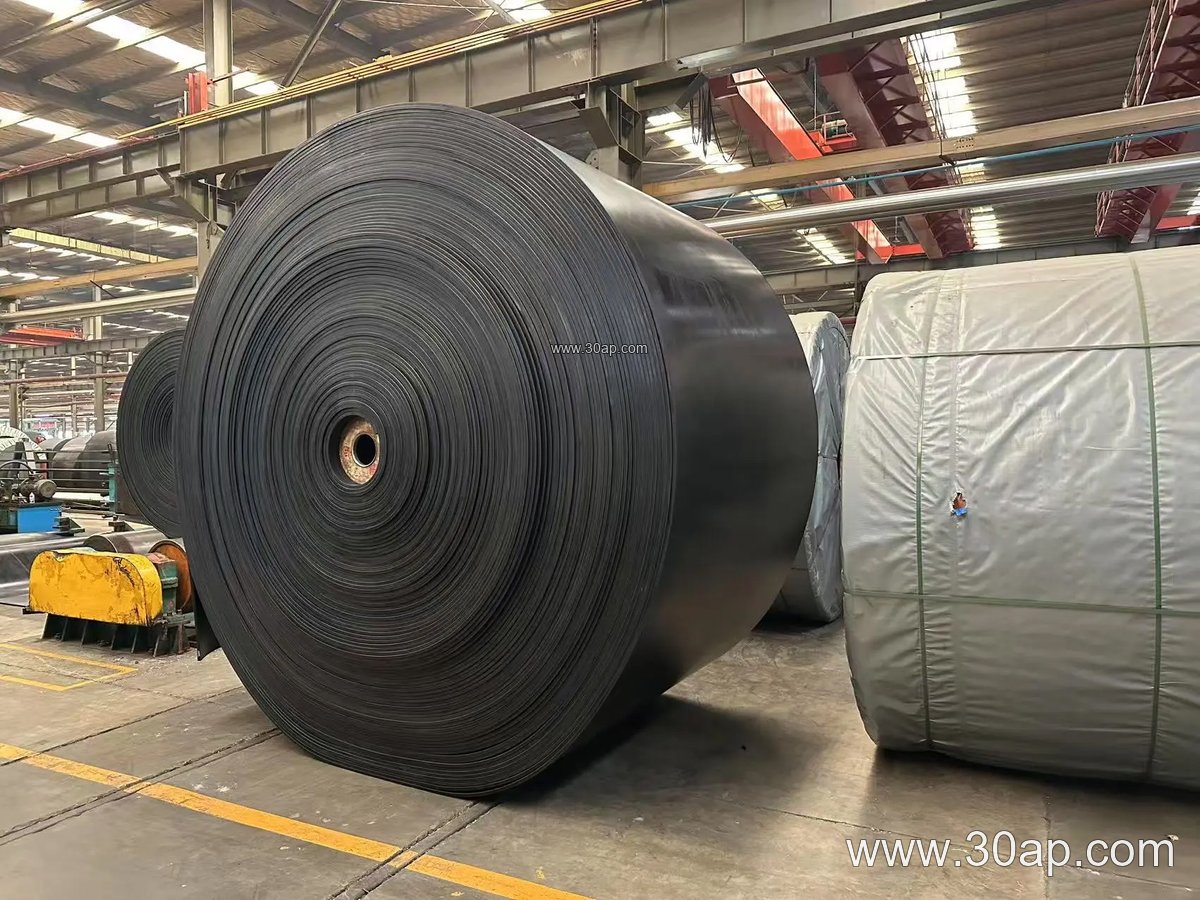
A port conveyor belt is the heavy-duty carrying element in the bulk handling systems that move coal, iron ore, cement clinker, grain, fertiliser and general cargo between ship loaders, stackers, reclaimers and storage yards. Unlike a short in-plant conveyor, the belt in a terminal often runs several hundred metres per flight, handles sharp and abrasive cargo, and works in salt-laden air. That combination makes the belt a major maintenance item and a key factor in berth productivity. Buyers usually refer to the product simply as a port conveyor belt, though the same item may be specified as a bulk material conveyor belt or a ship loading conveyor belt depending on the duty.
Construction and Core Options
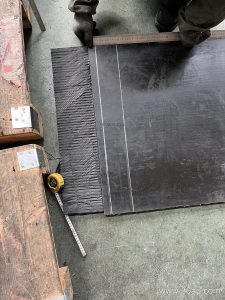
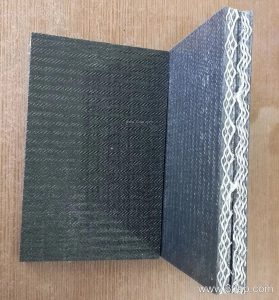
The belt is a composite: a tension-carrying carcass, top and bottom rubber covers, and edge protection. The carcass choice drives strength, elongation and splice method.
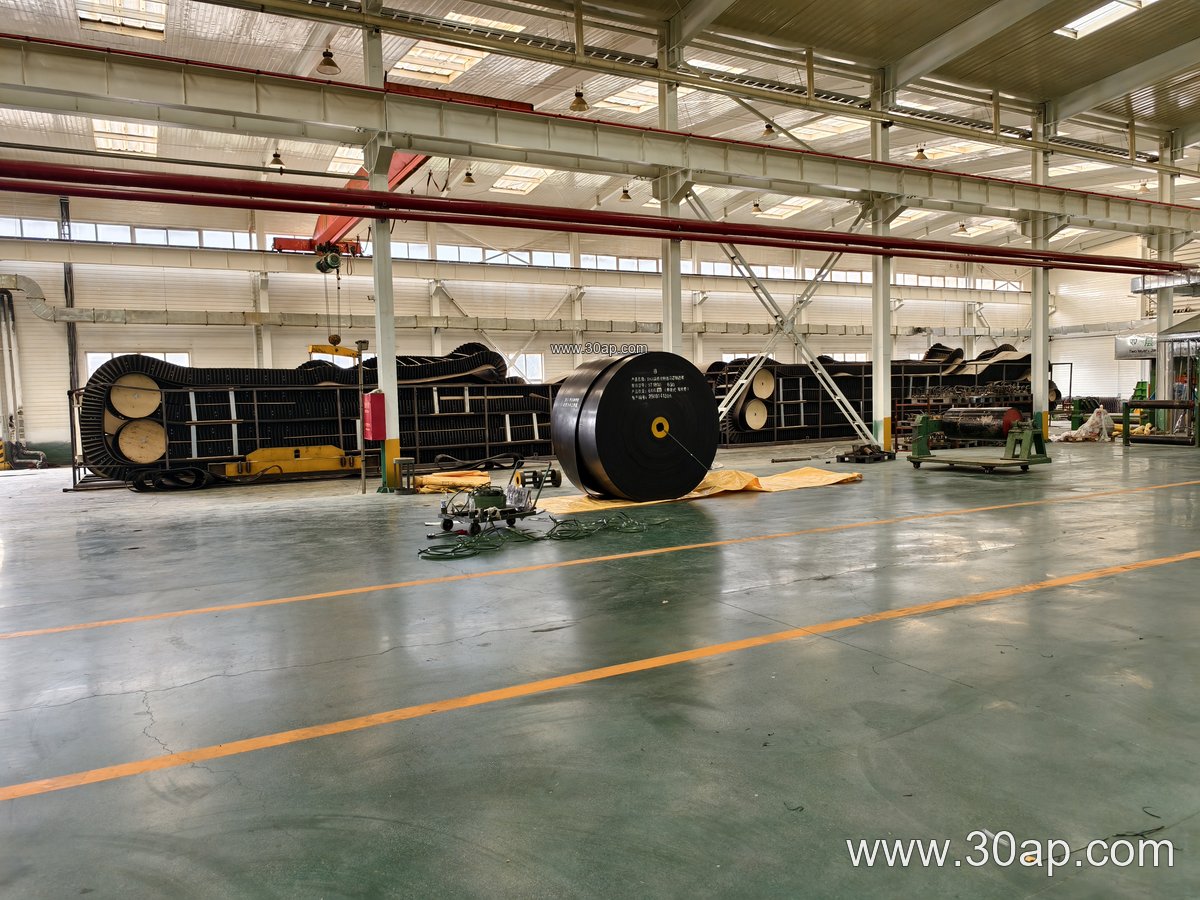
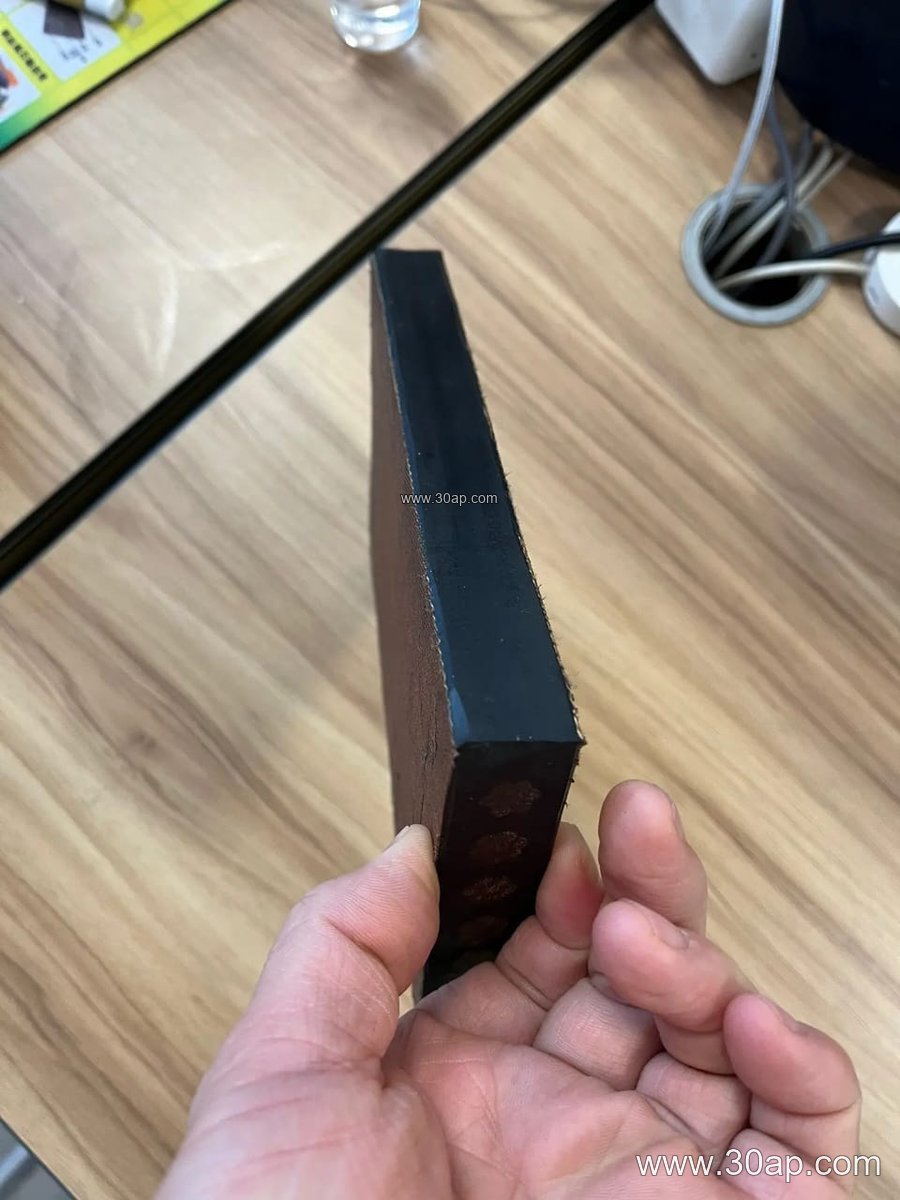
- EP conveyor belt — polyester/nylon fabric core, common in yard and jetty conveyors where moderate tension and good troughability are needed.
- NN conveyor belt — nylon/nylon fabric core, offering high elongation and impact absorption for transfer points.
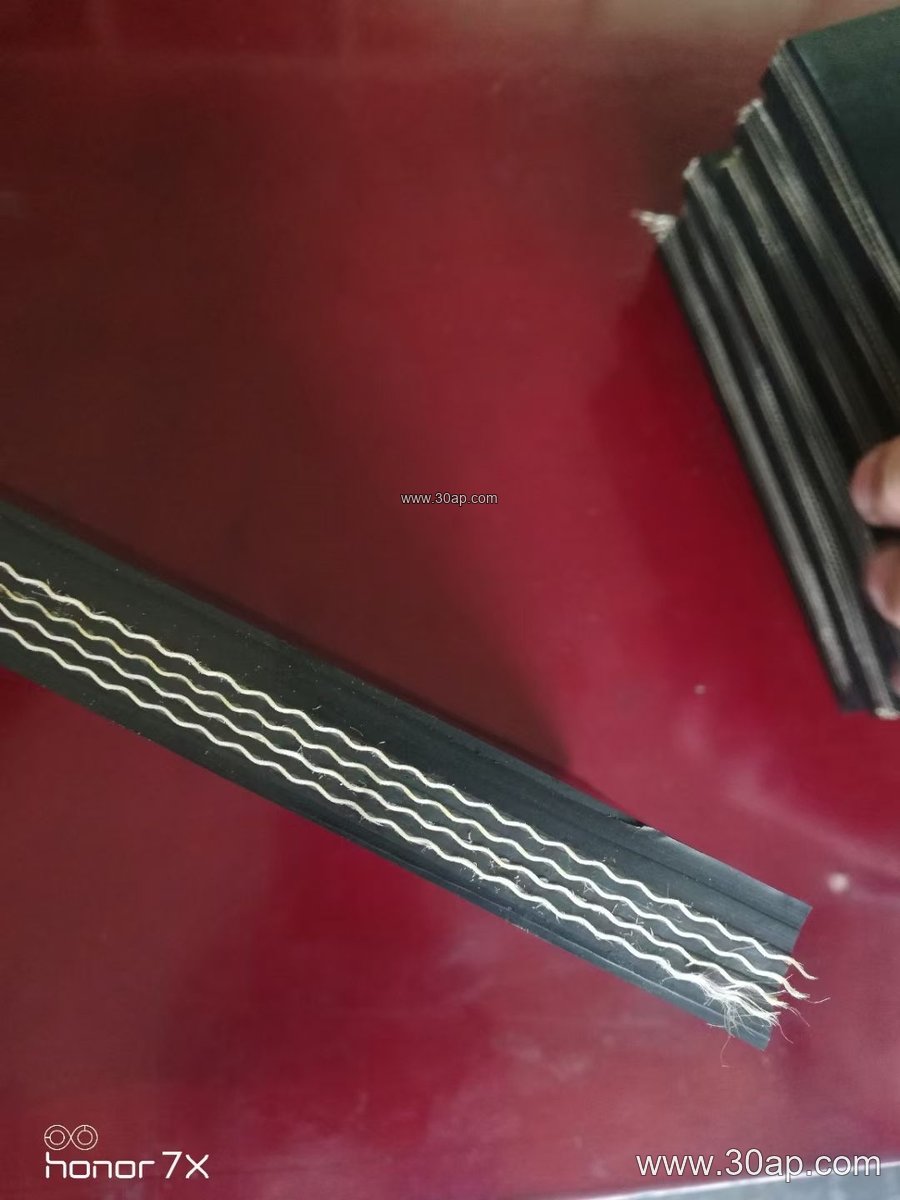
- Steel cord conveyor belt — used on long, high-tension flights such as ship loader booms and main trunk lines.
- PVC and PVG conveyor belts — solid-woven or fabric cores with PVC covers, often chosen for flame-retardant underground and enclosed gallery duties.
The cover compound is matched to the cargo. An abrasion resistant conveyor belt suits coke, sinter and crushed rock; a heat resistant conveyor belt is used for clinker and some ore transfers; an oil resistant conveyor belt handles grain and oilseed; and a flame retardant conveyor belt or anti-static conveyor belt is specified for coal and enclosed spaces. A chevron conveyor belt or corrugated sidewall conveyor belt may appear on steep incline sections, while a pipe conveyor belt is used where dust control and route flexibility matter. These are alternatives for specific sections, not substitutes for the main trunk belt.
Typical Specifications
The table below shows reference values that appear in terminal specifications. Actual values are confirmed by design, since load, speed, incline and safety factor all influence the final selection.
| Parameter | Common reference range |
|---|---|
| Fabric core grade | EP200, EP315, EP400, EP500, EP630, EP800, EP1000, EP1250 |
| Steel cord grade | ST1000, ST1250, ST1600, ST2000, ST2500 |
| Belt width | B800, B1000, B1200, B1400, B1600, B1800, B2000 |
| Cover thickness (top + bottom) | 4+2, 5+2, 6+2, 8+3 mm |
| Carcass plies (fabric) | 2 to 6 plies |
Width and pulley diameter are selected together from tension and troughing requirements; a given width does not lock the belt to one pulley size. The drive pulley, tail pulley and bend pulleys each have their own duty, and the conveyor pulley specification should be read alongside the belt data rather than derived from width alone.
Where It Is Used
Terminals serving coal, iron ore, copper concentrate, limestone, clinker and general bulk cargo rely on these belts on jetty heads, quay cranes, stacker-reclaimer booms, yard conveyors and train loading stations. Similar constructions appear in mines, cement plants, power stations and aggregate quarries, so a terminal buyer can often compare duty profiles across industries. In dusty coal terminals the flame retardant and anti-static properties are usually mandatory; in fertiliser and chemical berths an acid resistant or chemical resistant cover may be requested.
Buyer Checklist
- State the cargo, lump size, temperature and any oil or chemical exposure.
- Confirm the design tension so the carcass grade and splice type are correct.
- Check cover thickness against abrasion and impact at transfer chutes.
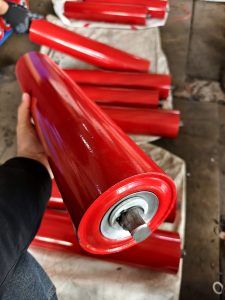
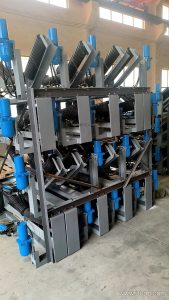
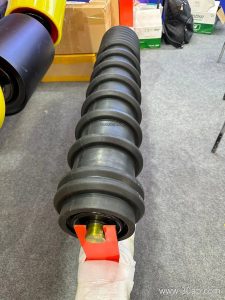
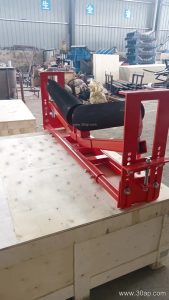
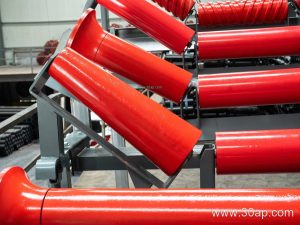
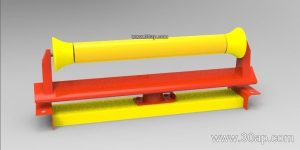
- Review pulley, idler roller and conveyor bracket data together with the belt.
- Ask for the recommended storage, splicing and inspection routine.
Well-chosen belts, matched pulleys and correctly aligned idlers keep a terminal running. Buyers who compare carcass, cover and width against real duty conditions usually get longer service life than those who order by width alone. For more on belt, pulley and idler matching, see www.example.com/port-conveyor-belt and the related pages on conveyor pulley and idler roller selection.