What a Conveyor Bracket Assembly Does
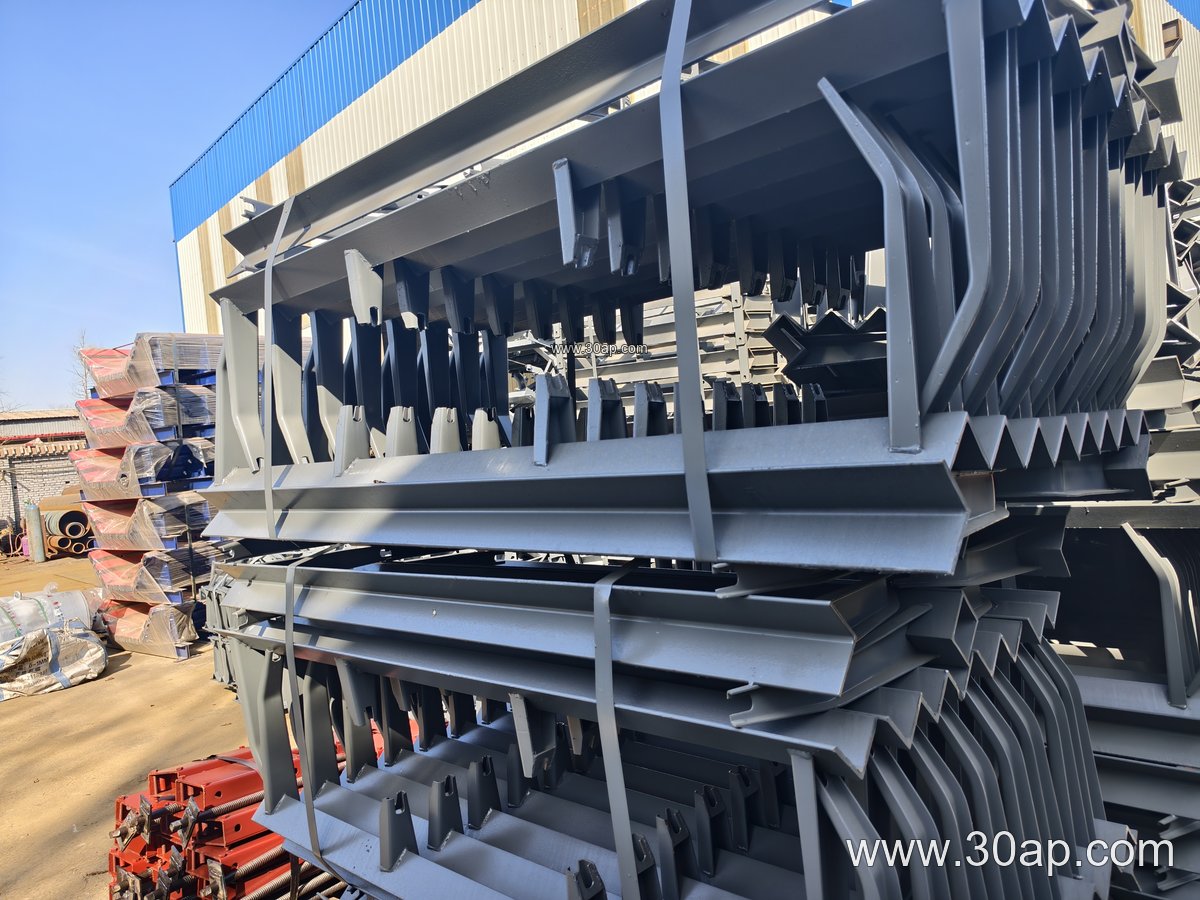
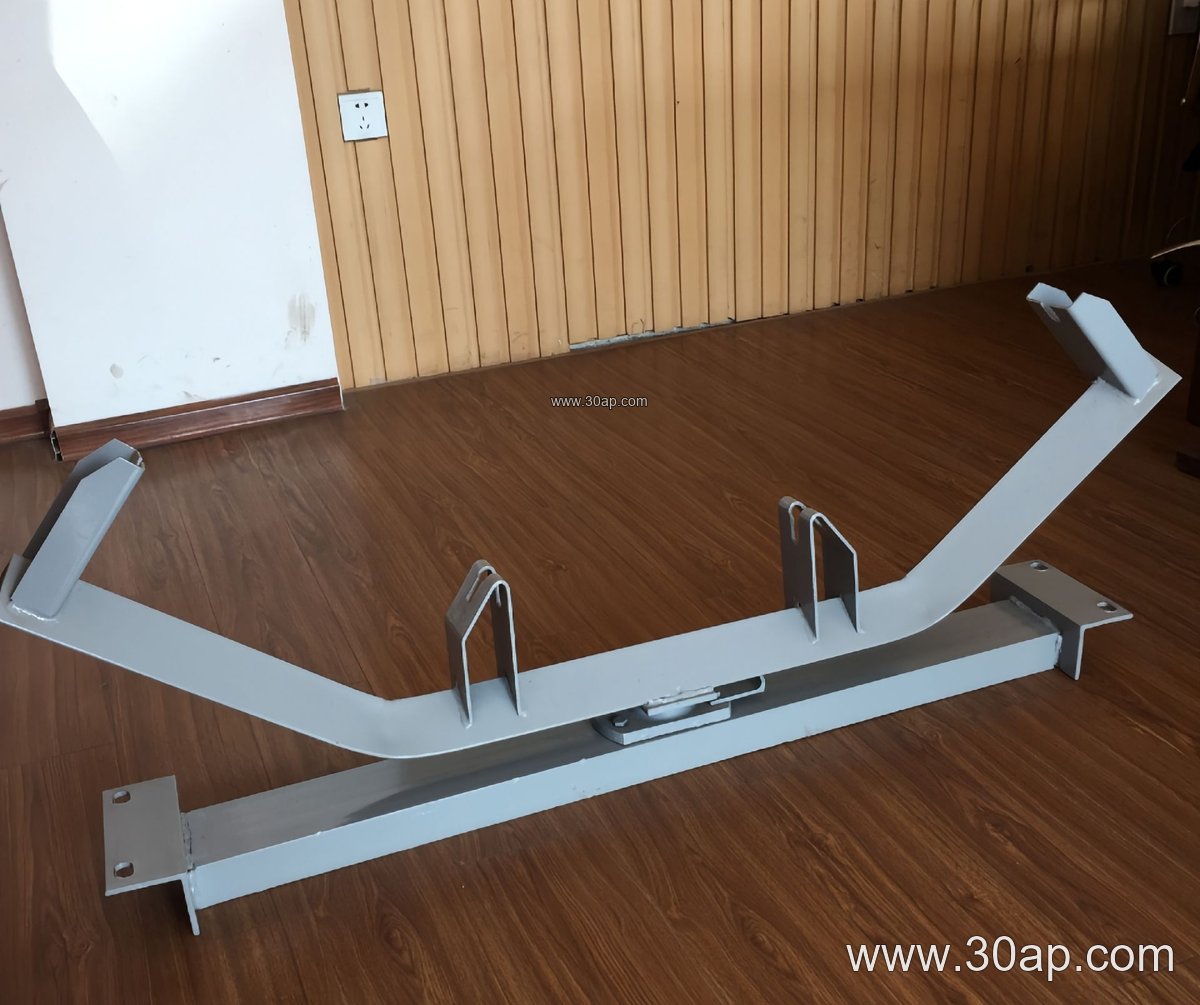
A conveyor bracket assembly is the structural unit that holds the idlers in position under and over the belt. It is not a single piece of steel but a small system: a crossbeam, mounting plates, angle or channel sections, bolt holes for the idler shafts, and often an adjustable hinge that sets the trough angle. In a quarry or a cement plant, the brackets are the parts that quietly decide whether the belt tracks straight or wanders, and whether the idlers last their full service life. For an overview of how brackets fit the wider line, see conveyor bracket assembly.
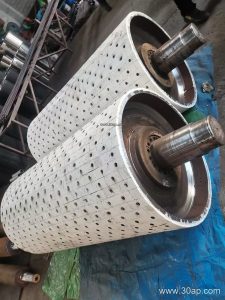
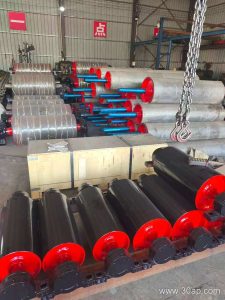
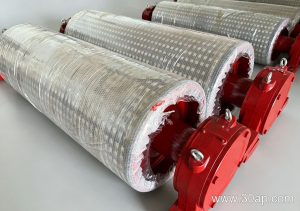
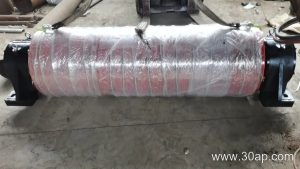
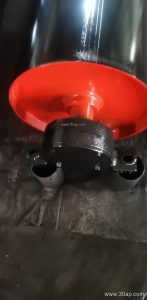
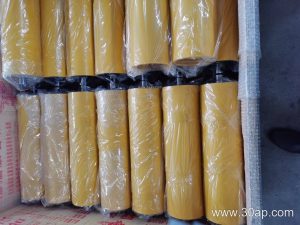
The assembly works together with the conveyor belt, the conveyor pulley at each end, and the idler roller set it carries. A properly aligned bracket keeps the load centred, spreads the weight evenly across the rollers, and allows the belt to flex naturally as it passes over each station.
How the Assembly Is Built
Most brackets are fabricated from angle steel, channel steel, or folded steel plate. The choice depends on load and environment rather than fashion. Heavy iron ore or underground coal mining lines usually call for thicker channel sections, while lighter sand and gravel stations can use folded plate. The main structural points are:
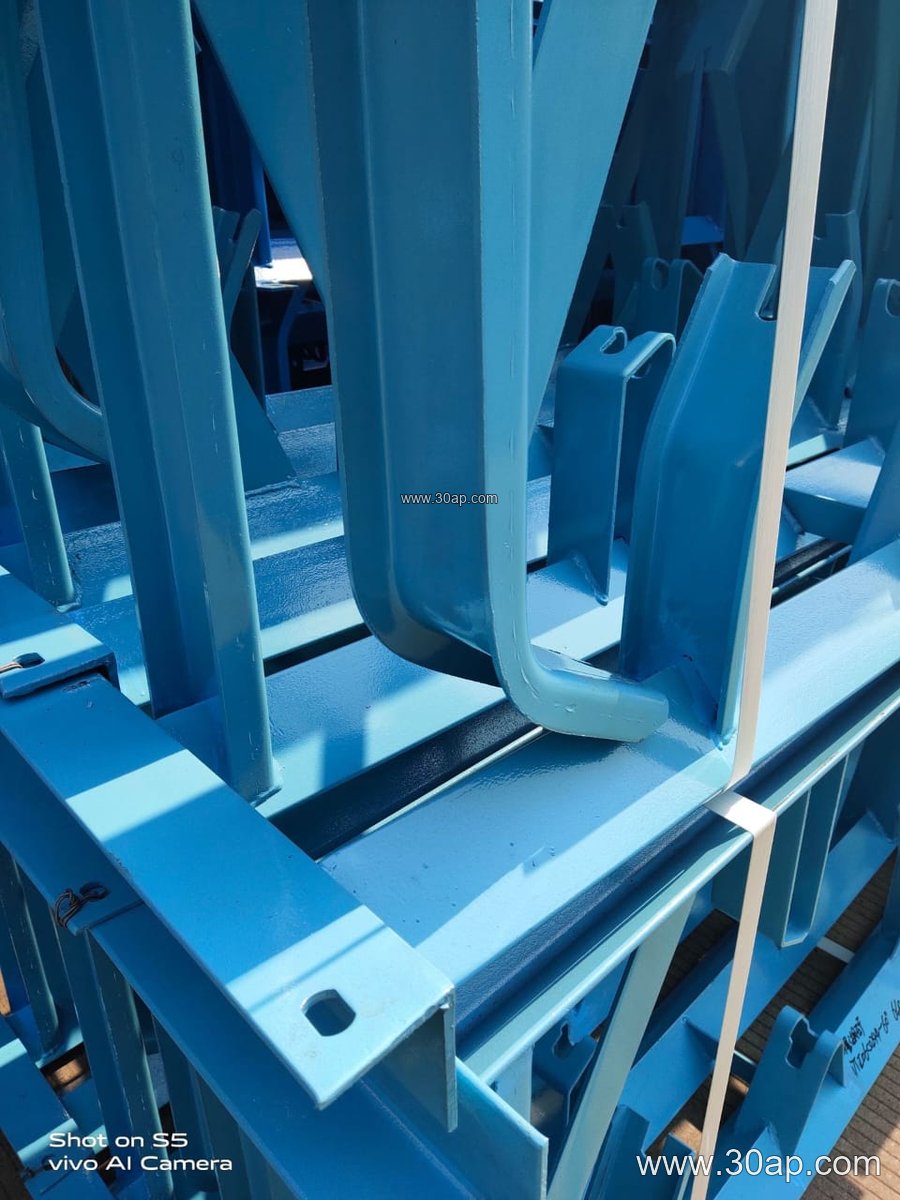
- The crossbeam, sized to the belt width and the trough angle it must hold.
- The end plates or gussets that bolt to the conveyor frame.
- Slotted or multi-hole mounts that allow field adjustment of the idler position.
- Hinge points on adjustable brackets, which let maintenance crews change the trough angle without replacing the frame.
Because bolt spacing and beam length change with belt width and trough angle, no single hole pattern fits every line. A B800 station and a B1400 station may share a design family but not a dimension.
Common Types and Where They Sit
The troughing bracket assembly carries the loaded side of the belt. It is usually set at 20, 30, 35, or 45 degrees, depending on how much the material should be cupped. Return brackets support the empty side, and V-return or flat-return designs are chosen according to belt sag and cleanliness requirements. Impact brackets sit below the loading point and are built heavier to absorb falling rock. Self-aligning brackets are used where belts tend to drift.
Adjustable brackets are a practical compromise: one frame can be set to different trough angles during commissioning. Fixed brackets are simpler and stiffer, and are common where the angle is decided at the design stage. A 1.5 to 2 degree forward tilt is sometimes built into the idler mounts to help centre the belt.
Typical Service Conditions
Bracket assemblies appear wherever bulk material moves. In a limestone mine, they sit under a 1200mm wide belt carrying crushed rock. In a power plant coal yard, they support idlers beneath a flame retardant conveyor belt on the coal handling line. In a sand and aggregate plant, lighter brackets carry a 650mm or 800mm belt through screening stations. In a fertiliser or grain silo, corrosion resistance and clean surfaces matter more than raw strength.
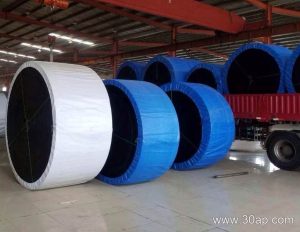
Matching the bracket to the belt is important. A heavy-duty mining conveyor belt with a thick cover needs robust roller support; a pipe conveyor belt or a corrugated sidewall conveyor belt may need different frame geometry altogether. The bracket must also suit the pulley layout, because a drive pulley and a tail pulley impose different tensions on the same frame.
Selection Notes for Buyers
Buyers should confirm four things before ordering: the belt width, the required trough angle, the idler diameter, and the frame connection style. A common combination might be B800 with 35 degrees and Ø108 idlers, or B1200 with 45 degrees and Ø133 idlers, but these are examples only; the correct match follows the conveyor design, not a fixed rule. Larger lines may use Ø159 or Ø194 rollers with B1800 or B2000 belts.
Ask for the mounting hole spacing and beam length as project-specific data. Also confirm the surface treatment, since wet washing plants and coastal ports need better protection than a dry indoor transfer station. Finally, check that replacement idlers will fit the bracket slots, because a well-made assembly is only useful if the rollers drop in without re-drilling.
Maintenance and Long-Term Value
Inspect brackets for loose bolts, bent beams, and ovalised holes. A bracket that has shifted by a few millimetres can wear a belt edge quickly. Keep spare mounting hardware on hand, and check alignment after any idler change. Treated as part of the structure rather than an accessory, the bracket assembly is one of the cheapest ways to extend belt and roller life in any bulk handling operation.