What a Bend Rubber Lagged Pulley Does
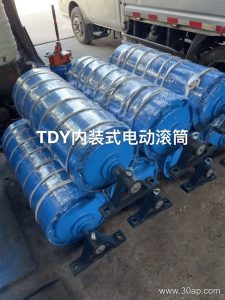
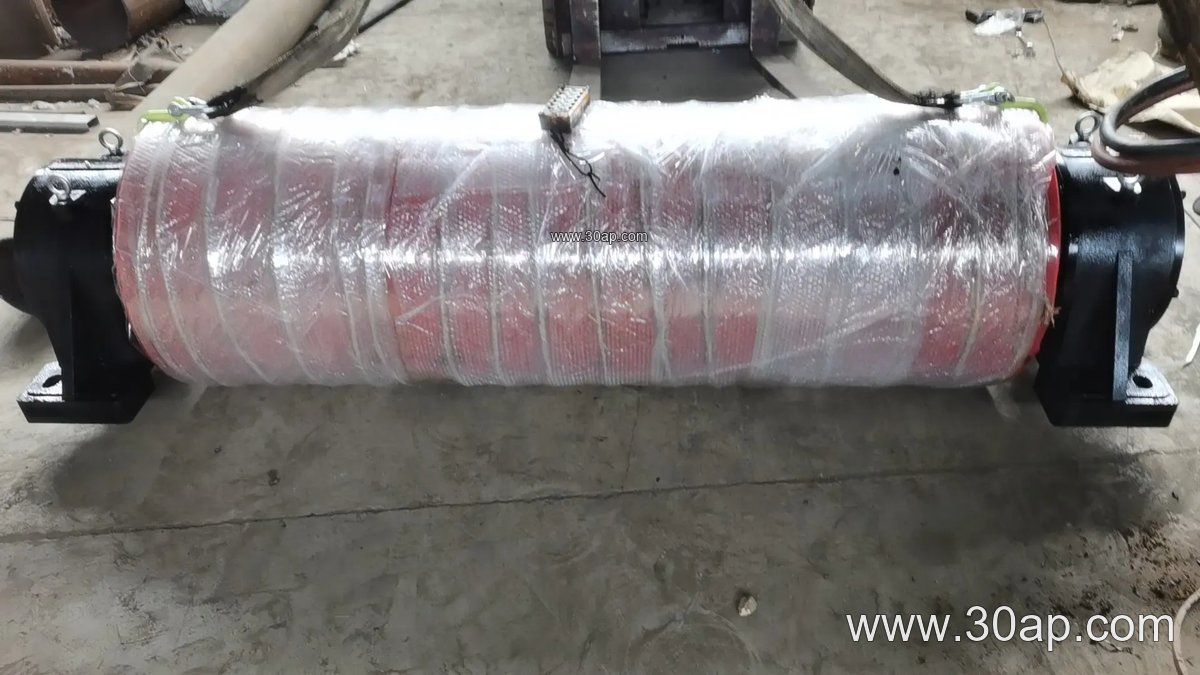
A bend rubber lagged pulley is a direction-changing roller on a conveyor system, typically positioned where the belt needs to route around an obstacle or transition between sections. Unlike a drive pulley that transmits power or a tail pulley that maintains belt tension at the loading end, this pulley’s primary job is to guide the belt along its path while minimizing slip and wear. The rubber lagging—a layer of vulcanized or bonded rubber on the pulley shell—improves grip and protects both the belt and the pulley surface in abrasive or wet conditions.
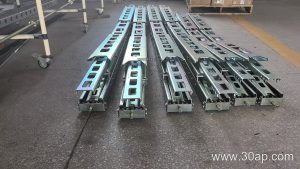
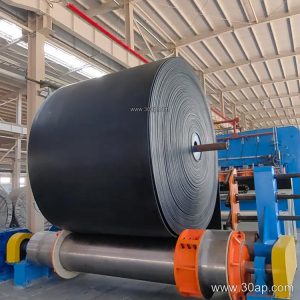
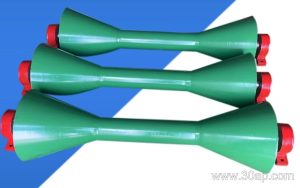
In aggregate, mining, and cement plants, bend pulleys are often found on conveyor pulley assemblies that handle bulk material conveyor belt systems. They work alongside idler roller sets and conveyor bracket supports to keep the belt tracking smoothly through curves and elevation changes.
Construction and Lagging Options
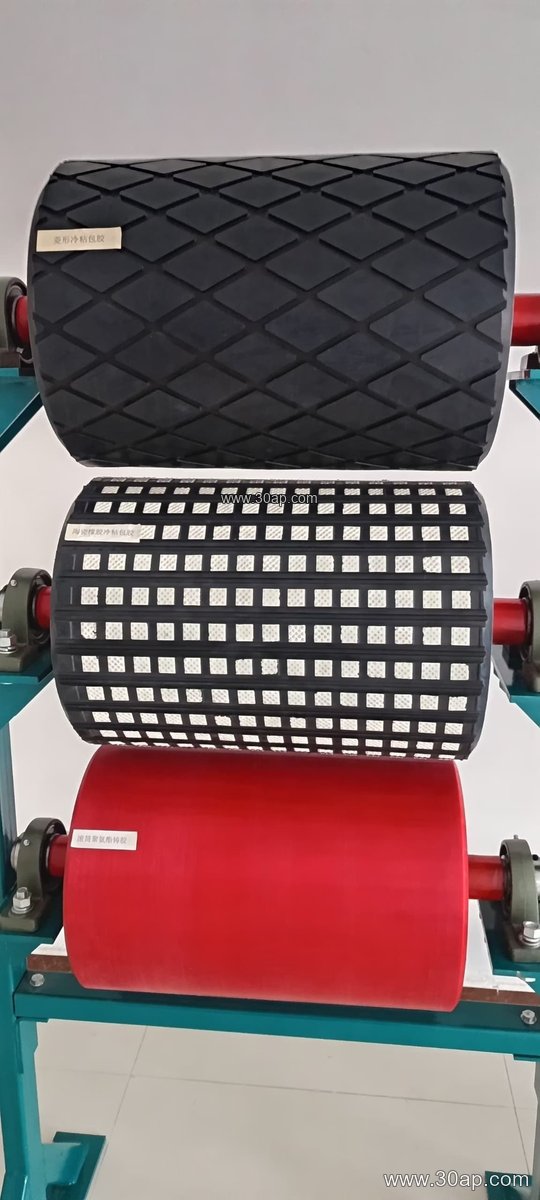
The pulley body is usually a welded steel drum with machined end discs and a shaft sized to the torque and load of the application. Rubber lagging is applied in several forms: plain flat rubber, diamond pattern, or herringbone. For bend pulleys, a diamond or plain lagging is common because the goal is consistent contact rather than high traction for power transmission. Thickness typically ranges from 8 mm to 20 mm, with 10 mm or 12 mm often used in moderate-duty service.
Lagging can be cold-bonded or hot-vulcanized. Hot vulcanization offers a stronger bond and is preferred in wet or dusty environments such as wash plants or coal handling facilities. The pulley face width usually exceeds the belt width by 100–200 mm to allow for belt misalignment; for example, a B1200 belt might use a pulley face around 1400 mm.
Where It Fits in the Conveyor Layout
Bend pulleys are not interchangeable with drive or tail pulleys. A drive pulley is the power source, a tail pulley is at the loading point and often acts as a tensioner, while a bend pulley simply redirects the belt. In a typical overland conveyor, a bend pulley may be placed before the drive to increase wrap angle, or after a transfer point to route the belt around structural columns. In underground coal mining, bend pulleys help navigate tight galleries, while in port ship-loading systems they guide the belt through boom and tripper structures.
Key Parameters for Buyers
When specifying a bend rubber lagged pulley, consider belt width, pulley diameter, shaft diameter, lagging type and thickness, and bearing size. The table below lists common reference ranges—not mandatory pairings.
| Parameter | Common Range / Example |
|---|---|
| Belt width (B) | B500 to B2000 (e.g., B800, B1200, B1600) |
| Pulley diameter (Ø) | Ø250 to Ø1250 (e.g., Ø500, Ø800, Ø1000) |
| Pulley face width | Usually belt width + 100–200 mm |
| Lagging thickness | 8, 10, 12, 15, 20 mm |
| Lagging pattern | Plain, diamond, herringbone |
| Shaft diameter | Ø50 to Ø200 (determined by torque and load) |
Diameter and shaft size must be calculated from actual belt tension, speed, and load—never assume a fixed shaft diameter from belt width alone. A B1200 belt might use a Ø800 pulley in one plant and a Ø1000 pulley in another, depending on space and belt wrap requirements.
Application Notes and Maintenance
Bend pulleys are used in quarry conveyor lines, coal preparation plants, power plant coal handling, and cement clinker transport. In abrasive conditions, such as handling abrasion resistant conveyor belt with high silica content, the lagging should be checked for wear every few months. Worn lagging reduces grip and can cause belt slippage or tracking problems. Ensure the pulley is aligned with the conveyor centerline and that conveyor belt tension is correct; a loose belt will slip on any pulley, lagged or not.
For systems using flame retardant conveyor belt in underground coal mines, the lagging material should also be fire-resistant to match safety requirements. Always confirm lagging compound compatibility with the belt cover grade and the ambient conditions—oil, heat, or cold can affect rubber performance.
Buyer Checklist
- Confirm belt width and required pulley face width.
- Specify lagging pattern and thickness based on grip and wear needs.
- Provide actual belt tension and speed for shaft and bearing sizing.
- Check that the pulley diameter fits the available space and belt wrap angle.
- Match lagging material to environment (e.g., oil resistant, fire retardant).
Whether you are upgrading a bend pulley in a sand and gravel plant or specifying one for a new iron ore conveyor, the same engineering principles apply. Focus on the pulley’s role as a direction changer—not a drive or tail—and select lagging and dimensions that suit the belt and the load.