What a Conveyor Parts Pulley Does on the Line
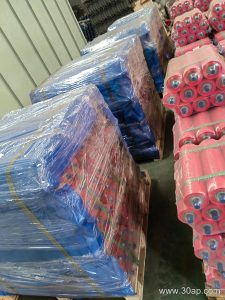
A conveyor parts pulley is the rotating drum that carries and guides the conveyor belt at key points along a conveyor structure. It is not a single universal component: the drive pulley transmits torque, the tail pulley returns the belt, and bend pulleys redirect it around tensioning or take-up sections. Each position places different demands on the drum, shaft, bearings, and lagging, so buyers should specify the duty rather than order a generic roller.
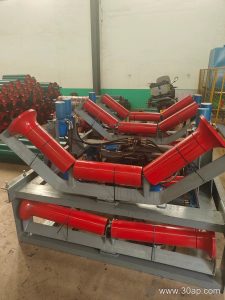
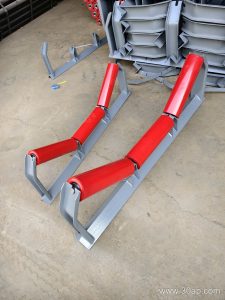
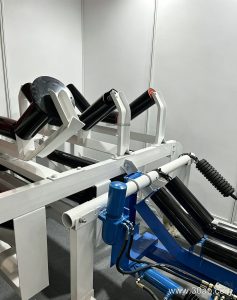
In a quarry, limestone mine, or sand and aggregate line, the head pulley often works with an abrasion resistant conveyor belt moving sharp rock. In a coal preparation plant or power plant coal yard, a flame retardant conveyor belt may run alongside the same style of drum, but the lagging and bearing protection need to suit dust and moisture. The pulley does not work alone; it interacts with the conveyor belt, idler roller frames, and conveyor bracket assemblies to keep tracking stable.
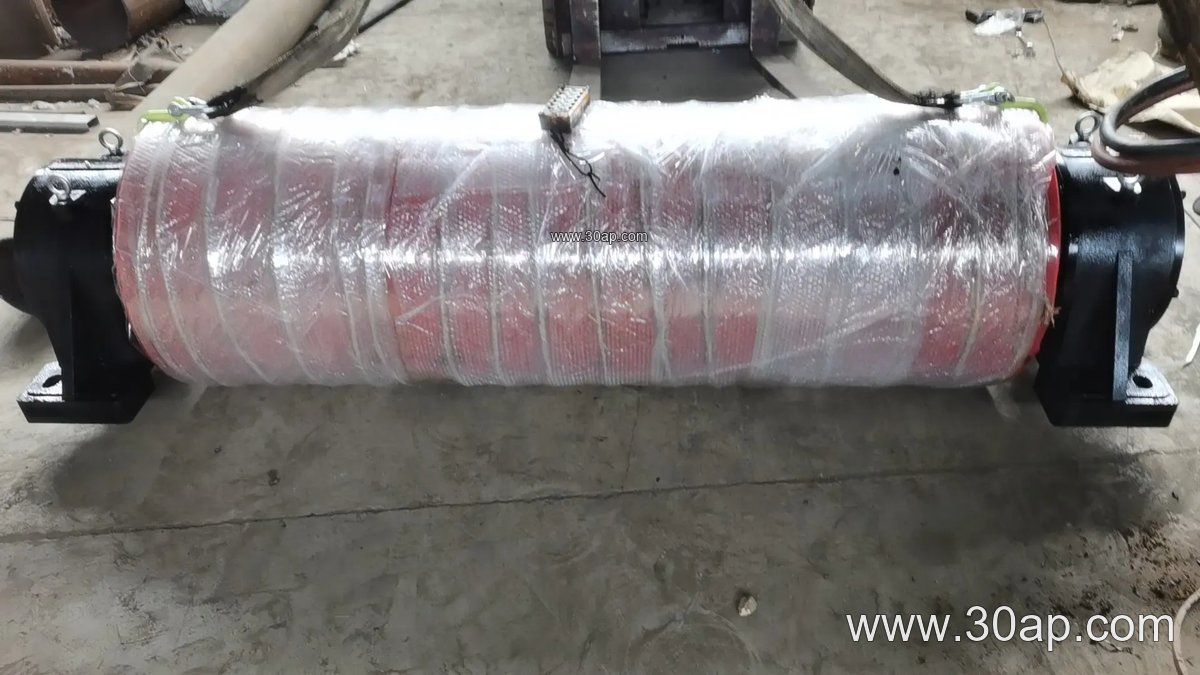
Construction and Surface Options
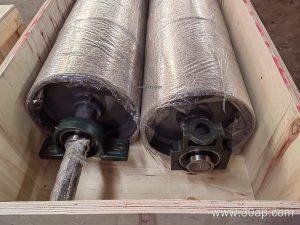
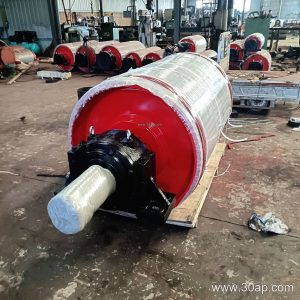
A typical drum is built from a rolled steel shell, welded end discs, a through shaft or stub shafts, bearing housings, and a lagging surface. Common shell diameters include Ø200, Ø250, Ø315, Ø400, Ø500, Ø630, Ø800, Ø1000, Ø1250, and larger sizes up to Ø1800 for heavy-duty stations. Shaft diameters commonly range from Ø50 to Ø200, but the final shaft size should be determined by torque and load, not by belt width alone.
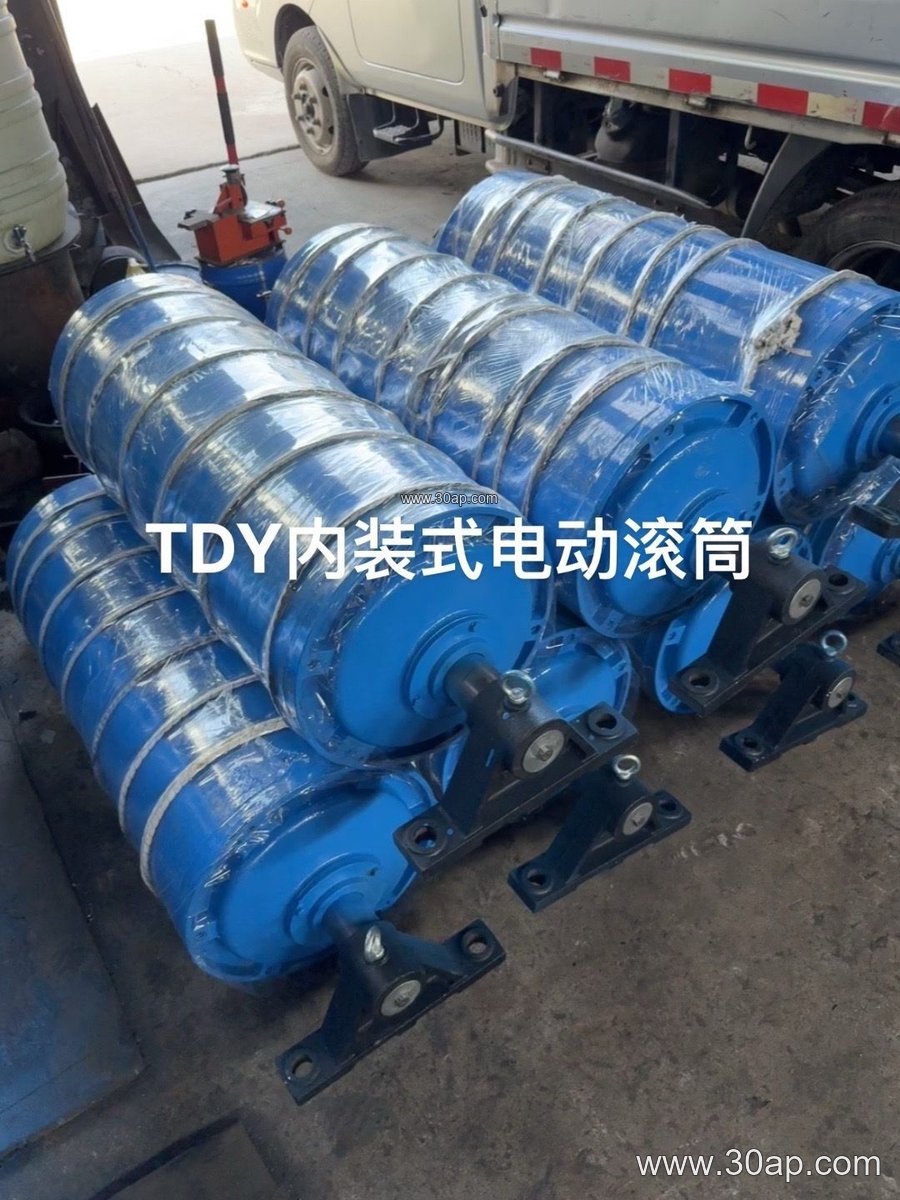
Surface treatment matters as much as shell thickness. Plain finish suits light duty and cleaning-friendly positions. Rubber lagging, applied by cold bonding or hot vulcanizing, improves grip and cushions impact. Diamond or herringbone grooving helps shed water and fines, while ceramic lagging is chosen where slip and wear are severe. Lagging thickness is often 8, 10, 12, 15, or 20 mm depending on the application.
| Belt width reference | Typical pulley face width | Example combination |
|---|---|---|
| B400 | About 500 mm | B400 with Ø250 drum |
| B500 | About 600 mm | B500 with Ø315 drum |
| B650 | About 750 mm | B650 with Ø400 drum |
| B800 | About 950 mm | B800 × Ø500 |
| B1000 | About 1150 mm | B1000 with Ø630 drum |
| B1200 | About 1400 mm | B1200 × Ø1000 |
| B1400 | About 1600 mm | B1400 × Ø800 |
| B1600 | About 1800 mm | B1600 with Ø1000 drum |
| B1800 | About 2000 mm | B1800 with Ø1250 drum |
These are reference pairings, not fixed rules. A wider belt can run on more than one drum diameter, and the choice depends on belt tension, wrap angle, and space available at the station.
Where the Drum Fits in the Conveyor Layout
Drive pulleys are usually located at the discharge end and are sized for the required torque and belt wrap. Tail pulleys sit at the loading end and may be plain or lagged. Bend pulleys appear in tensioning arrangements, while take-up pulleys maintain belt tension as the system stretches. A snub pulley can increase wrap angle on the drive drum without moving the whole station.
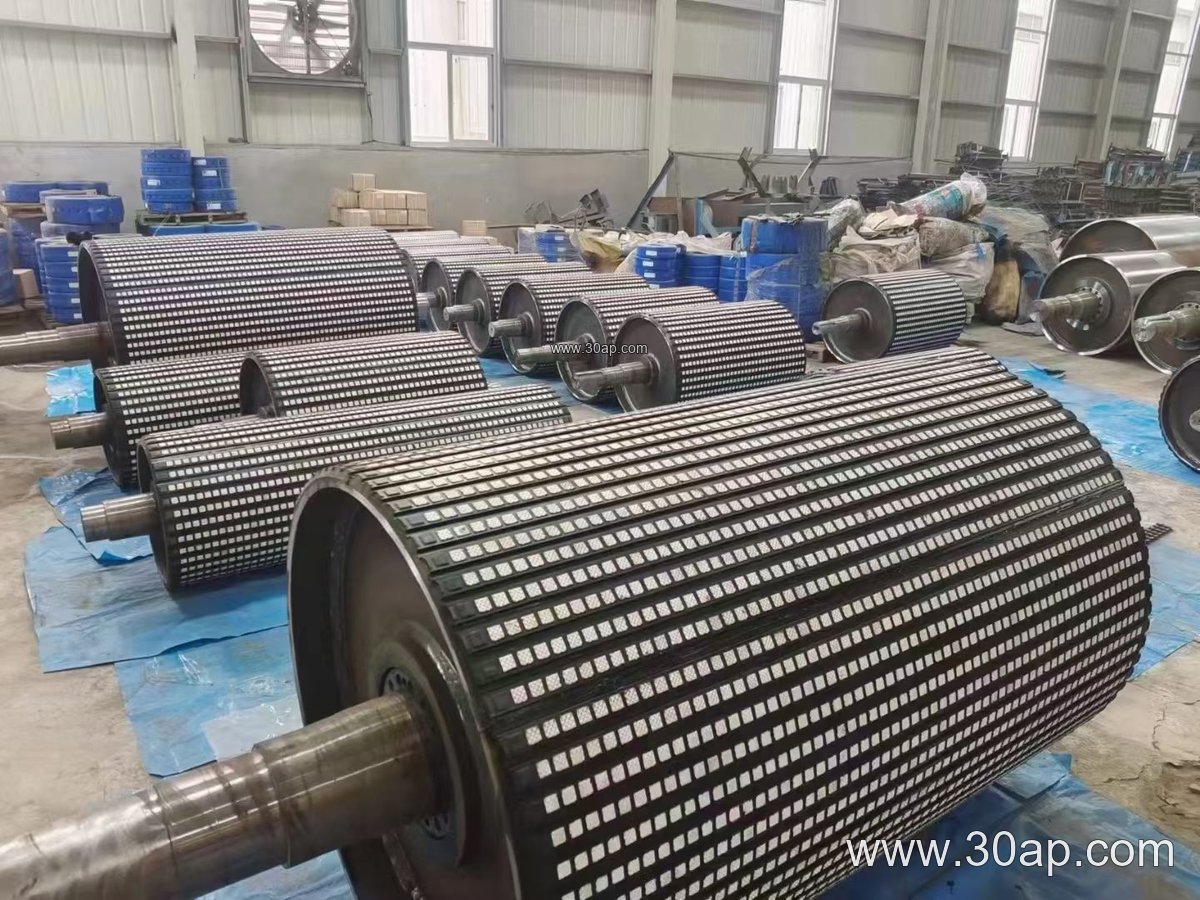
In a copper ore or iron ore concentrator, a heavy-duty mining conveyor belt may run over a large head pulley with hot vulcanized rubber lagging. In a cement plant clinker line, heat resistant conveyor belt grades may require attention to bearing temperature and lagging compound. Port bulk terminals handling wide belts such as 1800 mm or 2000 mm often use large-diameter drums to reduce bending stress in the belt carcass.
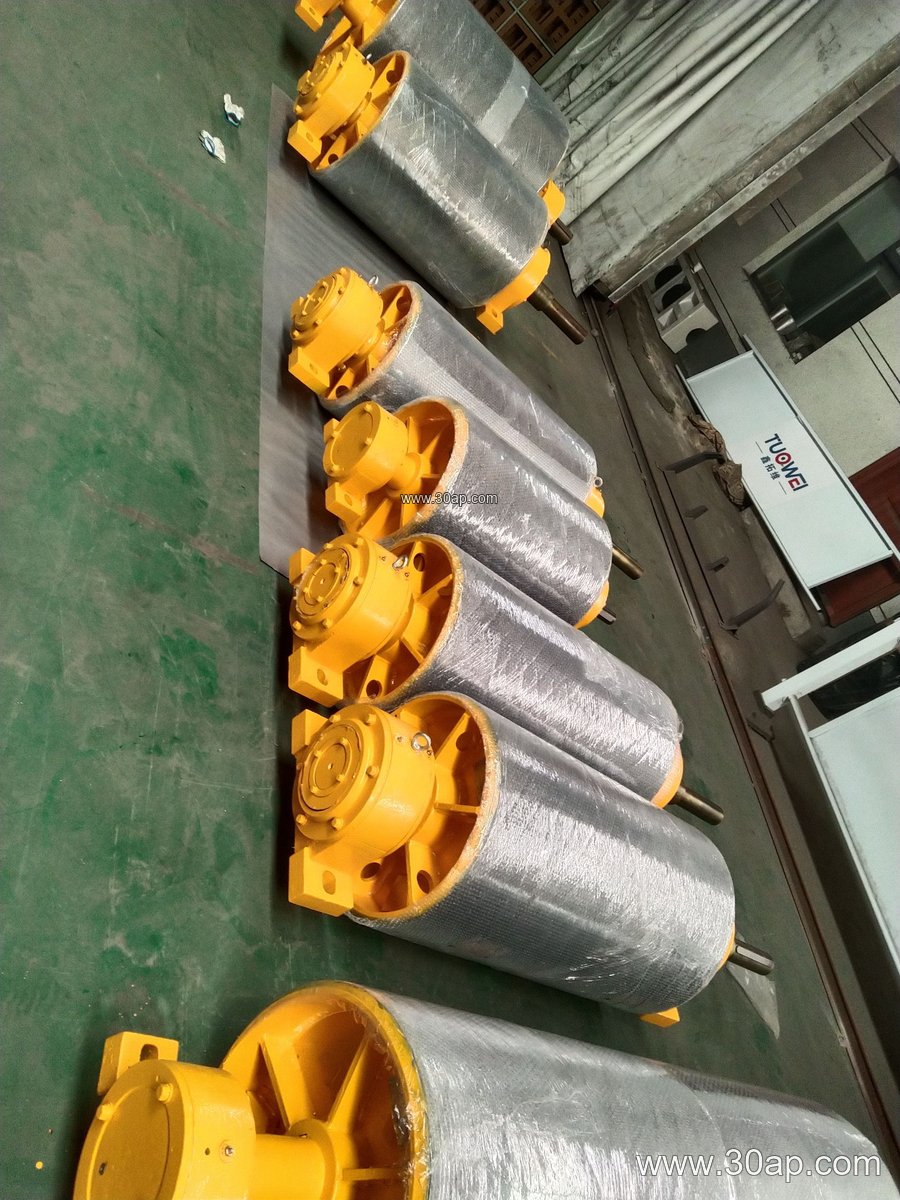
Belt construction also influences drum selection. An EP conveyor belt or multi-ply fabric core conveyor belt flexes differently from a steel cord conveyor belt, and a pipe conveyor belt or corrugated sidewall conveyor belt may need special pulley geometry. When the belt is an endless conveyor belt, the drum diameter should be checked against the belt’s minimum bend radius.
Buyer Checklist Before Ordering
- Confirm the function: drive, tail, bend, take-up, or snub position.
- Provide belt width, belt type, and expected belt tension so the drum face and shaft can be matched.
- State the material handled, such as coal, clinker, limestone, or ore, to guide lagging choice.
- Specify environmental conditions: dust, water, heat, oil, or flame risk.
- Check bearing type, housing style, and whether a conveyor bracket or base frame is included.
- Ask for balancing and runout tolerances, especially for large diameters.
Maintenance is straightforward when planned. Inspect lagging for wear and glazing, check bearing temperature and lubrication, and verify that the drum remains square to the belt centerline. Misalignment often shows up as edge wear on the conveyor belt or uneven loading on the idler roller sets nearby. Replacing lagging before the shell wears through is usually cheaper than replacing the whole drum.
For a balanced conveyor system, the conveyor parts pulley should be selected together with the belt specification, not after it. A drum sized for one grade of abrasion resistant conveyor belt may be undersized for a heavier fabric core or steel cord construction. Getting the drum, belt, and supporting structure right at the design stage keeps the line running in mines, cement works, power stations, and aggregate plants.