What a Parallel Idler Bracket Does
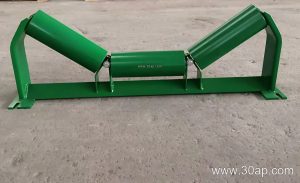
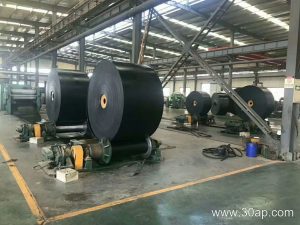
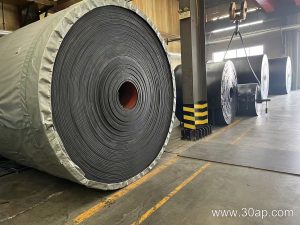
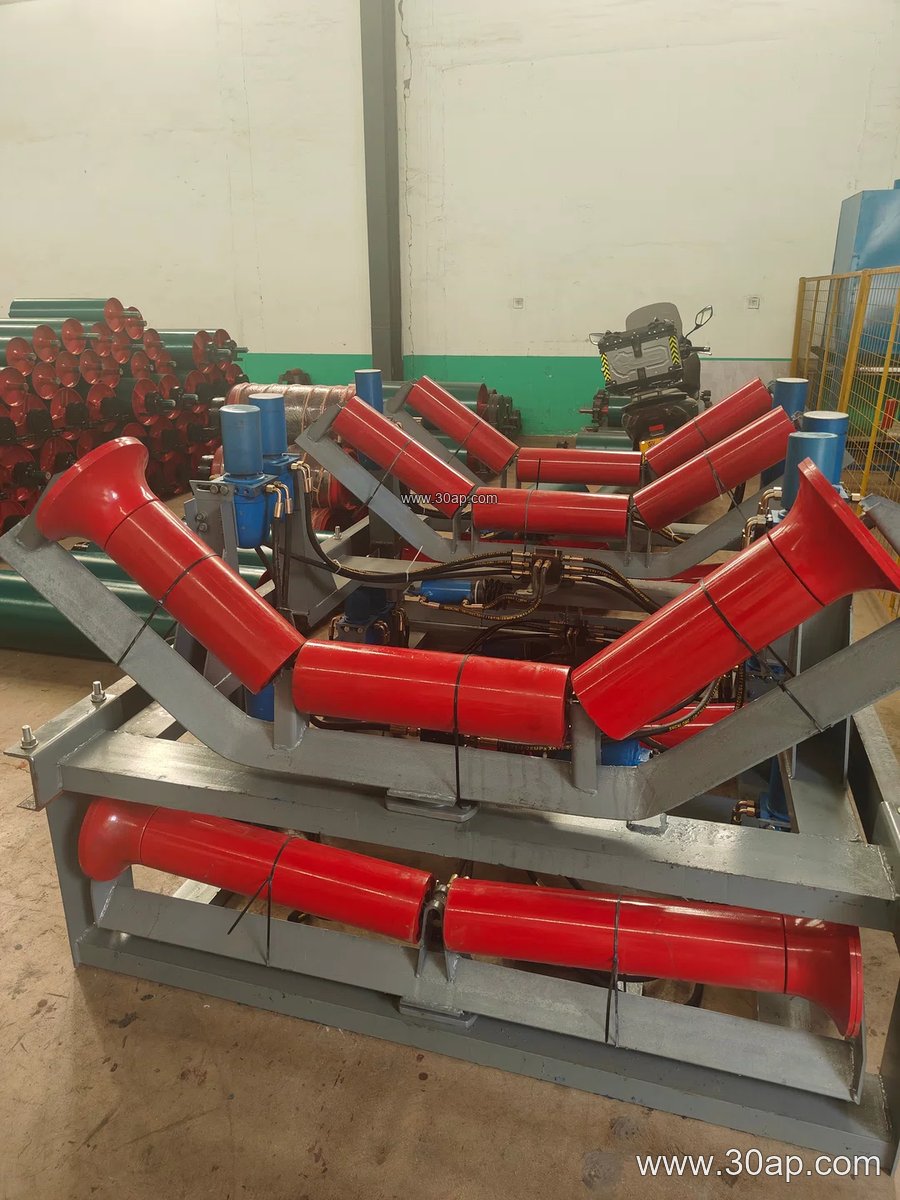
A parallel idler bracket is the structural component that holds the idler rollers in a conveyor system, keeping them parallel to each other and at the correct angle to support the conveyor belt. Often called a conveyor bracket or idler support bracket, it is typically mounted on the conveyor frame and serves as the interface between the rollers and the structure. In quarry and aggregate operations, these brackets help maintain belt alignment and reduce material spillage, especially when paired with a heavy-duty conveyor belt.
Construction and Materials
Parallel idler brackets are commonly fabricated from angle steel, channel steel, or bent steel plate. The choice of material depends on the load and environmental conditions. For instance, in coal mining or cement plants, brackets may be made from thicker steel to withstand dust and impact. The bracket design often includes slotted holes or adjustable features to accommodate different idler roller diameters and belt widths. A typical bracket might be specified as B800, 35 degrees, with a Ø108 roller, but these values are determined by the overall conveyor design, not fixed rules.
Where They Are Used
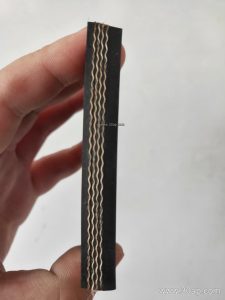
These brackets are found in a wide range of bulk material handling operations. In a limestone mine, they support the carrying side of the conveyor, helping to maintain the trough shape. In a power plant coal yard, they are used on both the carrying and return sides to keep the belt stable. The parallel arrangement ensures that the idler rollers rotate smoothly and the belt does not drift. For high-abrasion applications, such as handling iron ore or copper ore, abrasion resistant conveyor belts are often used together with robust brackets to extend service life.
Key Selection Factors
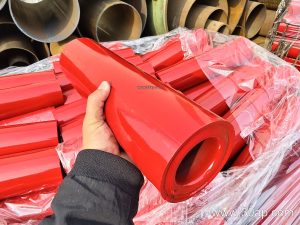
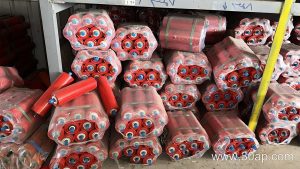
When selecting a parallel idler bracket, consider the belt width, trough angle, and roller diameter. Common belt widths include B500, B650, B800, B1000, B1200, and B1400, while trough angles are typically 20, 30, 35, or 45 degrees. Roller diameters such as Ø89, Ø108, Ø133, and Ø159 are standard. The bracket must match the idler roller size and the frame mounting holes. Adjustable brackets allow fine-tuning of the trough angle, which is useful in applications where belt loading varies. For flame retardant conveyor belts in underground mining, brackets should be compatible with the fire safety requirements of the entire system.
Installation and Maintenance Tips
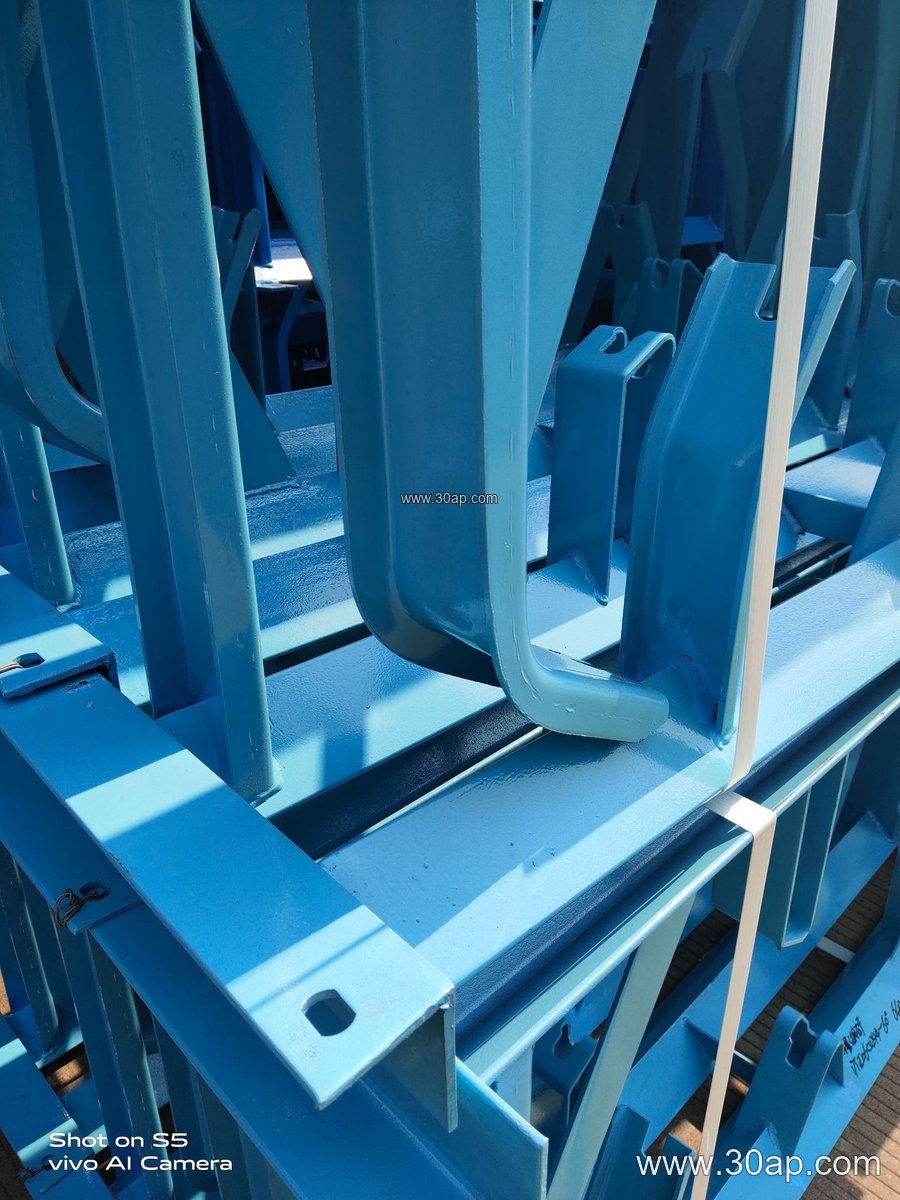
Proper installation is critical for optimal performance. Ensure that the brackets are aligned and securely bolted to the conveyor frame. Regularly inspect for wear, especially in high-impact areas like crusher discharge points. Using a parallel idler bracket with a corrugated sidewall conveyor belt or chevron conveyor belt can help contain material and reduce spillage. In dusty environments, such as a cement plant, keep brackets clean to prevent material buildup that could affect idler rotation.
Compatibility with Conveyor Components
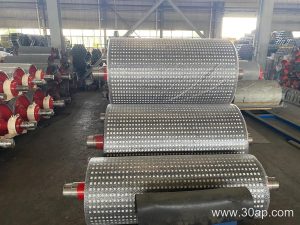
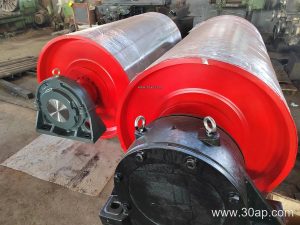
Parallel idler brackets work in harmony with conveyor pulleys, such as drive and tail pulleys, to maintain belt tension and tracking. They are also used with various idler types, including impact and return rollers. When specifying, consider the entire conveyor system, including the conveyor belt type (e.g., EP conveyor belt, steel cord conveyor belt) and the load requirements. The bracket’s design should facilitate easy replacement of idler rollers without disturbing the belt.
Summary
Selecting the right parallel idler bracket involves understanding the application, belt width, and roller size. By choosing a bracket that matches the conveyor’s specifications and environmental conditions, you can ensure reliable support and extend the life of your conveyor system. For more information on conveyor brackets and related components, visit our website.