What a Tail Bend Pulley Does
A tail bend pulley is a directional change pulley mounted near the tail end of a conveyor. It is not the tail pulley itself, and it should not be confused with a drive pulley. Its job is to guide the returning belt into the tail pulley at the correct angle, maintain wrap, and help control belt tracking in the low-tension zone. In aggregate plants, cement clinker lines, coal handling systems, and power plant fuel yards, this component often works quietly behind the scenes while the conveyor belt does the heavy lifting.
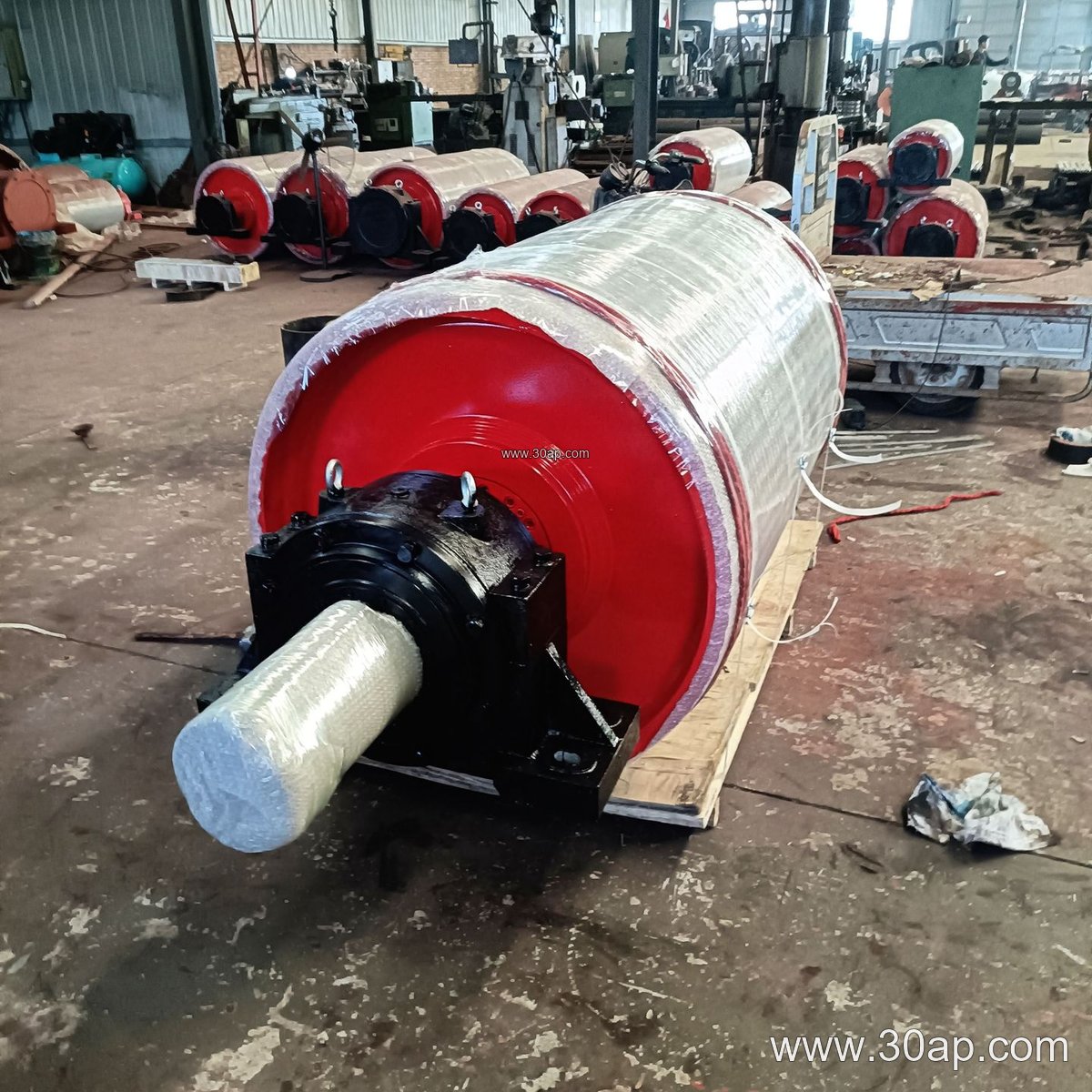
Construction and Surface Options
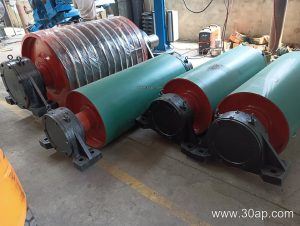
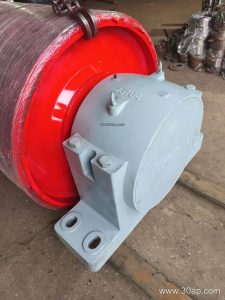
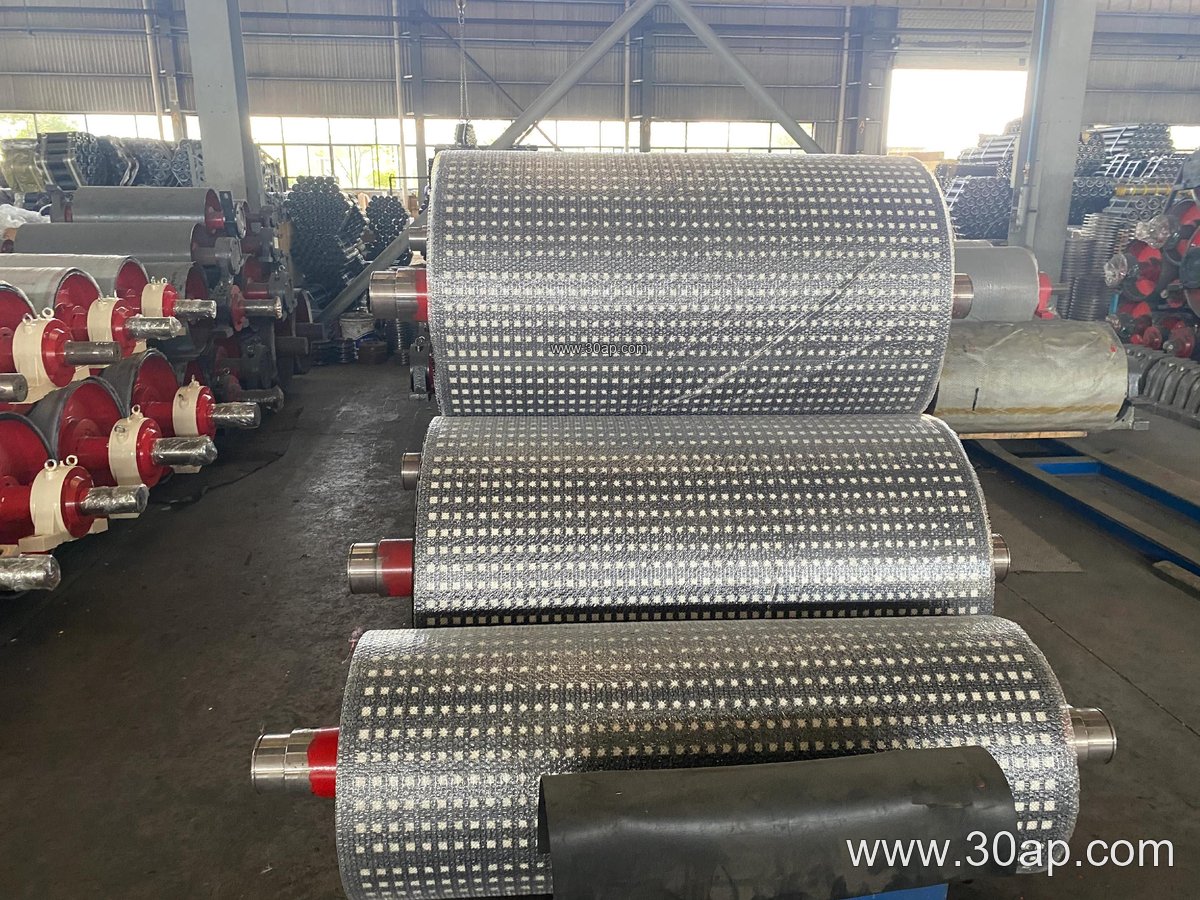
The pulley body is typically a welded steel drum with a machined face, supported by a shaft and bearing housings. Surface treatment depends on the belt and the environment. A plain finish may suit light-duty return-side guidance, while rubber lagging or diamond grooving improves grip and sheds fines. Common lagging thicknesses are 8, 10, 12, 15, and 20 mm, chosen according to belt speed, load, and the presence of water or dust. For abrasive quarry or iron ore service, ceramic lagging can extend service life, but it must be matched to the belt cover grade.
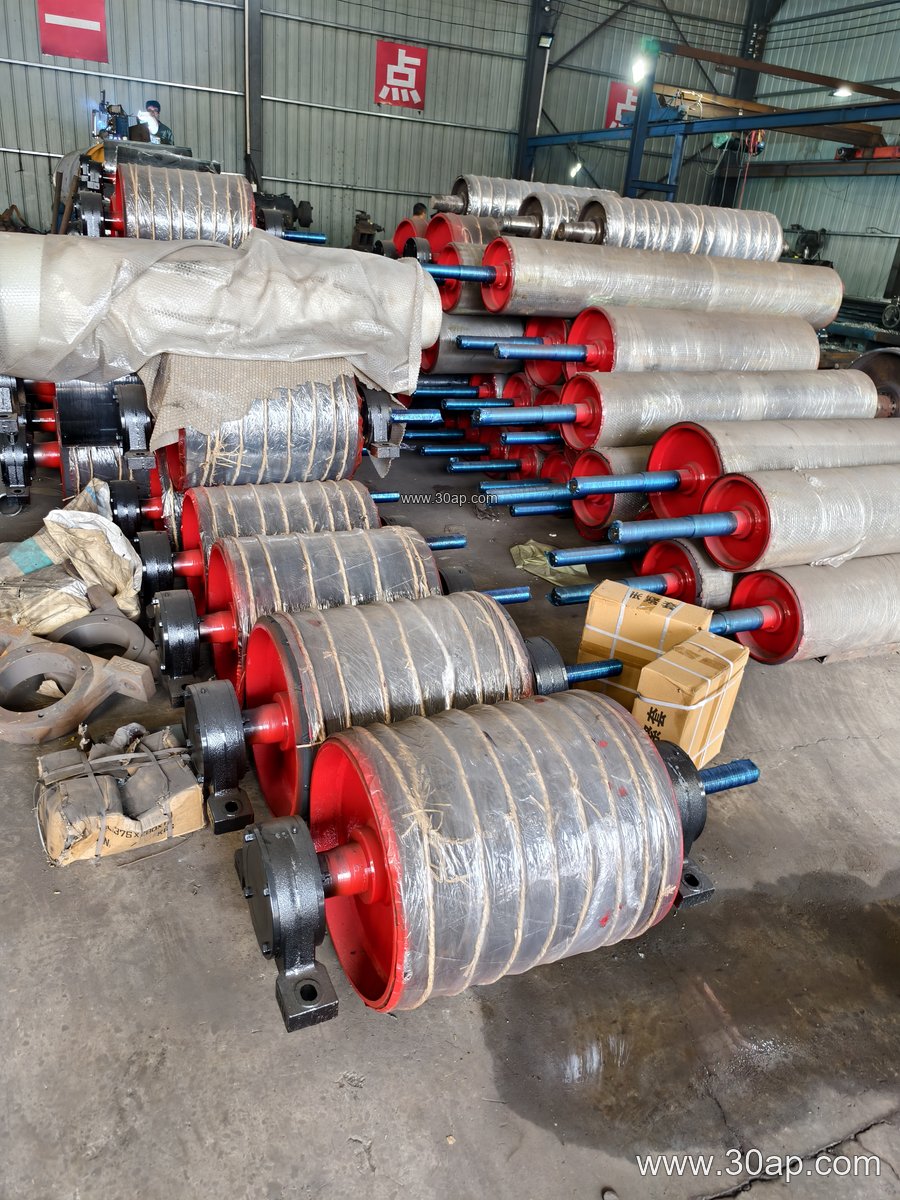
Where It Fits in the Conveyor Layout
This pulley is usually installed after the tail pulley on the return strand, sometimes as part of a tensioning arrangement. In a coal mining conveyor or a limestone crushing line, it helps route the belt around structural obstacles and keeps the belt centered before it enters the loading zone. It is not interchangeable with a take-up pulley or a snub pulley, although all three may appear in the same tail area. A conveyor bracket or frame must be designed to accept the bearing housings and allow adjustment without distorting the belt path.
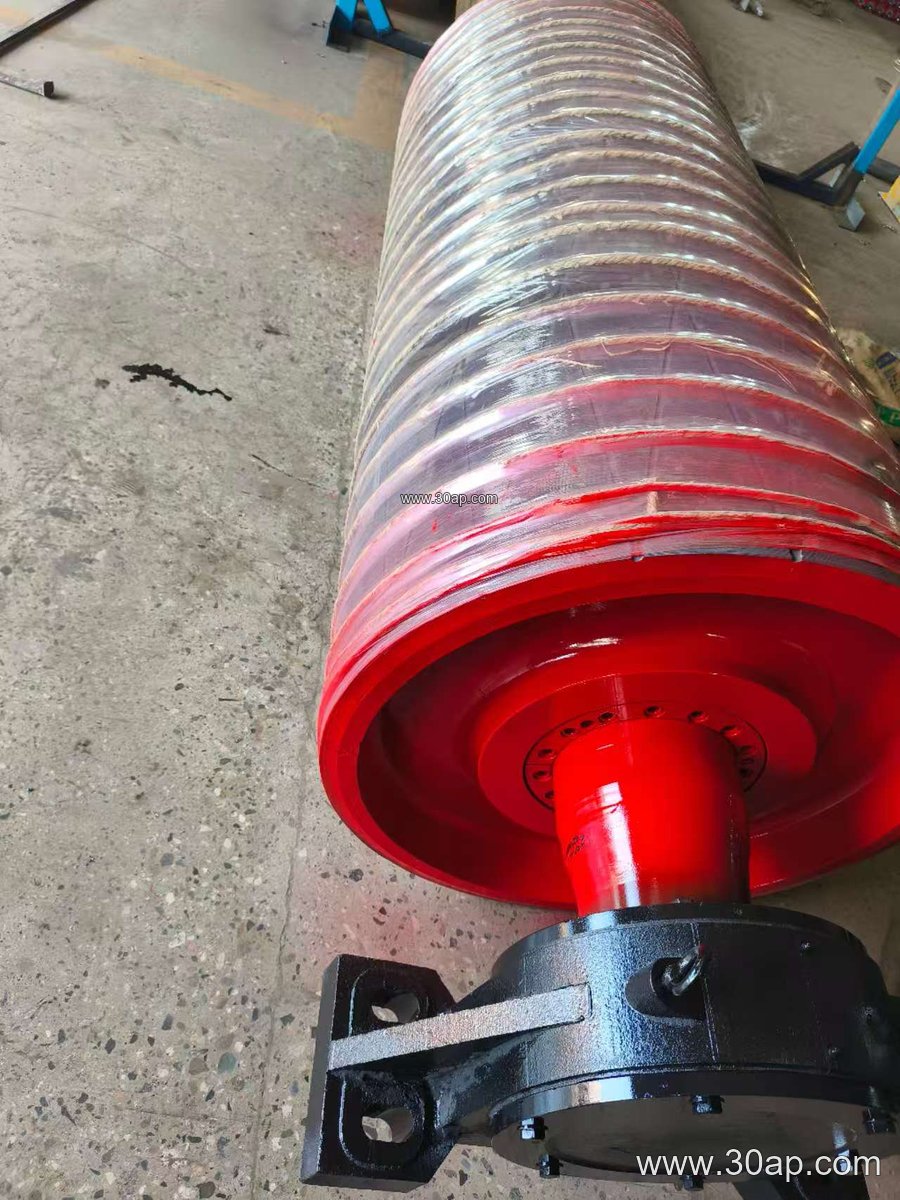
Matching Belt Width and Pulley Dimensions
Pulley face width is normally wider than the belt to allow for misalignment. For reference, a B800 belt often pairs with a pulley face around 950 mm, and a B1200 belt with roughly 1400 mm. Diameter is selected from belt tension, wrap angle, and shaft load, not from belt width alone. Typical diameters include Ø320, Ø400, Ø500, Ø630, and Ø800, while larger drives may use Ø1000 or beyond. A combination such as B1000 × Ø500 is common in medium-duty service, but it is not a fixed rule. Shaft diameter is determined by torque and bearing life; values like Ø80, Ø100, or Ø120 appear in many designs, but they should never be guessed from belt width.
Buyer Checklist
- Confirm the pulley’s function in the layout: tail bend, take-up, or snub. Each has a different load profile.
- Specify belt type and tension. A steel cord conveyor belt or a high-strength EP conveyor belt may require a larger shaft and bearing.
- Choose lagging according to material: rubber for general grip, ceramic for abrasive ore, plain for light return service.
- Check face width against belt width and allow for tracking adjustment.
- Verify bearing housing fit with the existing conveyor bracket or support structure.
- Consider environmental factors such as heat, oil, or flame resistance if the belt is a heat resistant conveyor belt or a flame retardant conveyor belt.
Maintenance and Interaction with the Belt
Inspect lagging wear, bearing temperature, and shaft alignment during scheduled shutdowns. A worn tail bend pulley can cause belt edge damage and mistracking, especially on long overland conveyors in sand and gravel plants or port bulk terminals. Keep the pulley face clean and ensure that the return strand is supported by idler rollers before and after the pulley. When replacing lagging, match the surface pattern to the existing belt cover; a smooth rubber surface may be sufficient for a fabric core conveyor belt, while a chevron or corrugated sidewall belt may need a different approach to avoid edge contact. For coal mining conveyor belts, flame retardant properties of the belt and the pulley lagging should be considered together.
Summary
The tail bend pulley is a small but critical component in the conveyor’s return path. Selecting it by function, belt tension, and environmental conditions rather than by a single size chart will keep the conveyor running smoothly in quarry, cement, power, and mining operations. Always confirm dimensions with the conveyor designer and the pulley manufacturer before ordering.