What an Underground Mining Conveyor Idler Does
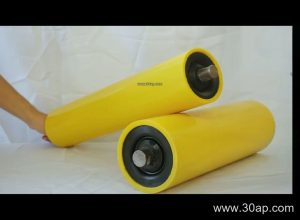
In a tunnel or shaft, the belt line is the lifeline. An underground mining conveyor idler is the rotating support that carries the conveyor belt and the material on it, keeping friction low and the belt tracking along the structure. Unlike a surface installation, the underground environment adds dust, moisture, limited access and strict fire safety expectations. That is why the idler roller is not a generic part in this setting; its sealing, bearing choice and roller surface all matter to uptime.
The same assembly is often called a belt conveyor idler or simply a conveyor roller. These are accurate equivalent names for the same product. They are not to be confused with a conveyor pulley at the drive, tail or bend position, which transmits power or changes belt direction.
Construction Details That Matter Below Ground
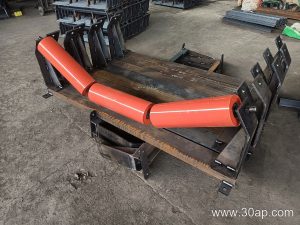
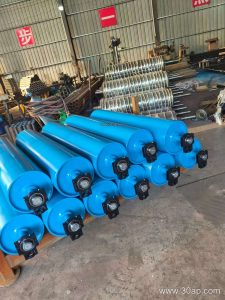
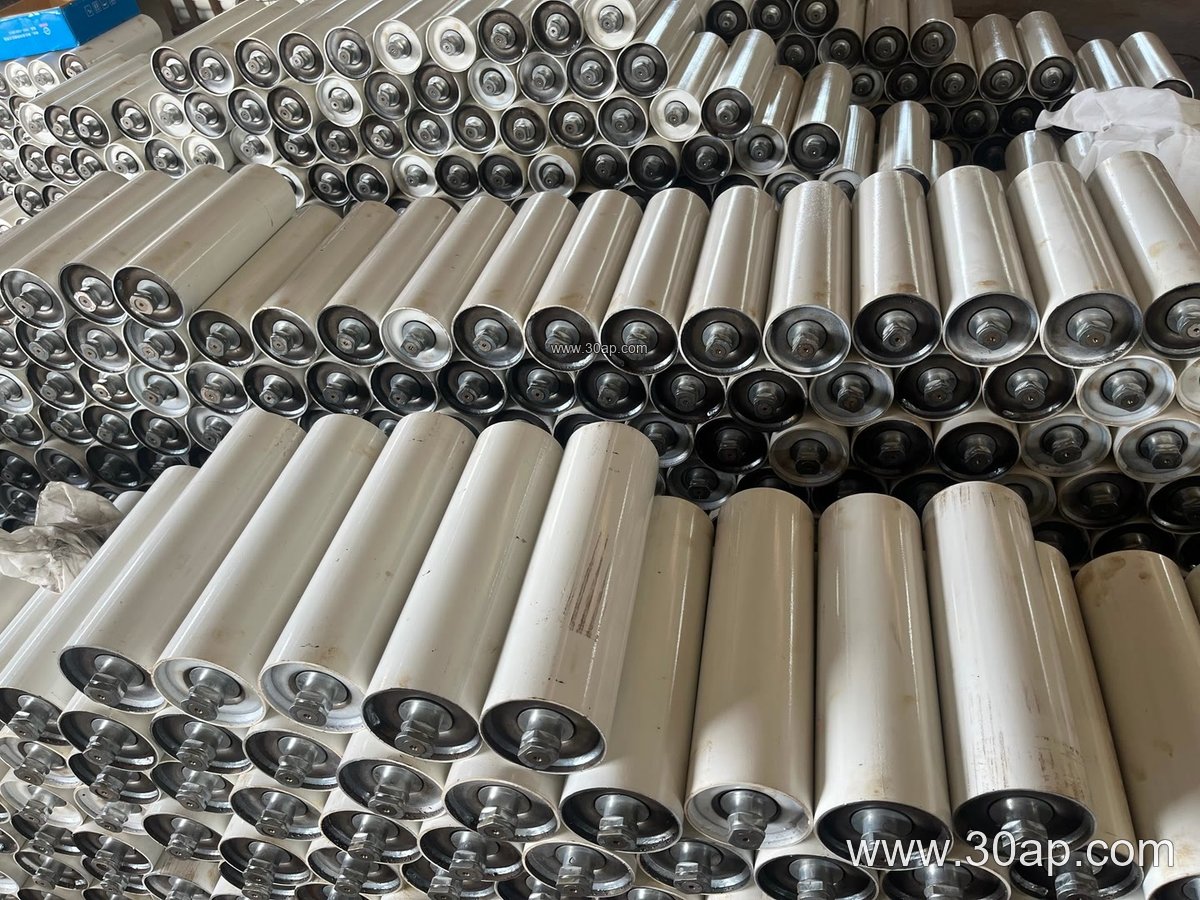
A typical idler roller is built around a steel tube, with bearing housings pressed into each end. The shaft passes through the bearings and is locked to a conveyor bracket or frame. Sealing is the quiet hero: a multi-stage labyrinth seal with grease retention keeps fine rock dust and water away from the bearing. Common bearing sizes include 6204, 6205, 6305, 6306, 6308 and 6310, matched to load and shaft design rather than to one fixed roller diameter.
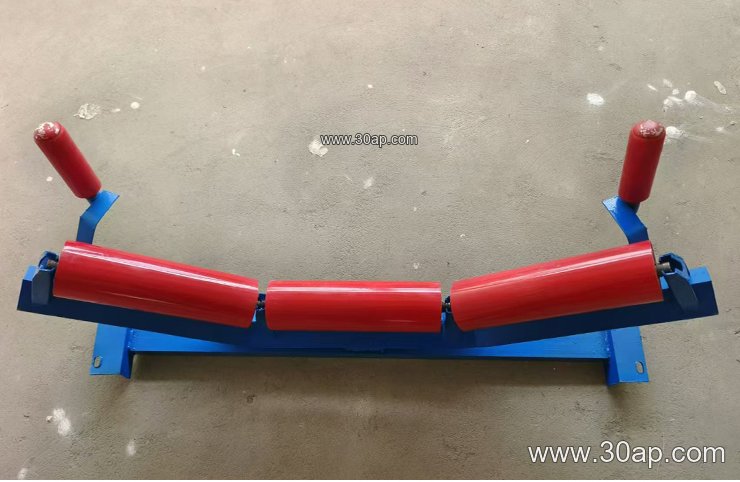
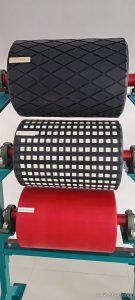
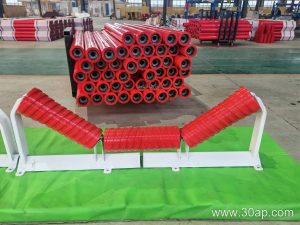
Roller surfaces vary with duty. Steel tubes suit general carrying runs. Rubber rings are used on impact idlers where lumpy ore drops onto the belt. Nylon and ceramic covers appear where sticky material or extra wear resistance is needed. The roller length follows belt width, trough angle and the idler set form, so a three-roll troughing set for B800 may use rolls around 315 mm long, while B1200 commonly sits near 465 mm. These are reference examples, not fixed pairings.
Where These Idlers Are Installed
Underground coal mining conveyor belts and hard rock operations use troughing idlers on the carrying side to shape the belt into a trough, usually at 20, 30, 35 or 45 degrees. Return idlers support the empty belt underneath, often as flat or V-shaped rolls. Transition idlers ease the belt from the tail pulley into the trough, and self-aligning idlers correct minor misalignment on long drifts.
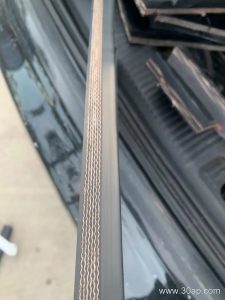
In a coal mine, flame retardant conveyor belt and anti-static properties are usually specified together with fire resistant conveyor belt behavior, and the idler must not undermine that safety chain. In a quarry or aggregate line feeding a crusher, impact idlers with rubber rings protect both the belt and the roller from sharp rock. In a cement plant or power plant coal yard, dust sealing and abrasion resistant surfaces extend service life. For long haulage with a steel cord conveyor belt or a heavy-duty EP conveyor belt, idler spacing and roll diameter are set by the belt tension and load calculation, not by habit.
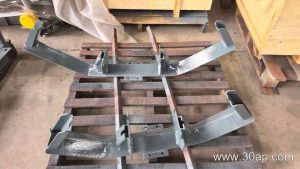
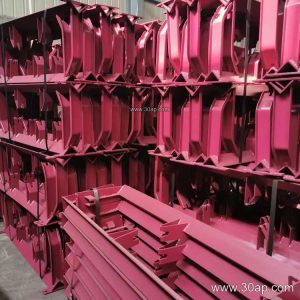
Related equipment in the same line includes the conveyor belt itself, the drive and tail conveyor pulley, and the conveyor bracket that holds each idler set. More reference on belt and roller matching can be found at mysite.com/conveyor-idler and mysite.com/conveyor-belt.
Common Reference Values
The table below lists typical ranges used during early selection. Final values should follow the conveyor design.
| Parameter | Common reference values |
|---|---|
| Roller diameter | Ø63, Ø76, Ø89, Ø102, Ø108, Ø127, Ø133, Ø159, Ø178, Ø194, Ø219 mm |
| Belt width | B400, B500, B650, B800, B1000, B1200, B1400, B1600, B1800, B2000, B2200, B2400 |
| Trough angle | 20°, 30°, 35°, 45° |
| Idler set form | single roll, two-roll, three-roll troughing |
| Roll surface | steel tube, nylon, ceramic, rubber ring |
| Bearing | 6204, 6205, 6305, 6306, 6308, 6310 |
What a Buyer Should Check
- Sealing and bearing class. Ask how the labyrinth and grease path handle dust and wash-down water.
- Roller surface and wall thickness. Impact zones near a crusher or transfer point may need rubber rings or a thicker tube.
- Idler spacing. It follows belt sag limits and load, and it changes with belt width and material weight.
- Fire and static behavior. In coal service, confirm how the roller and belt work together with the flame retardant conveyor belt specification.
- Interchangeability. Shaft ends, bracket fixing and roll length must match the existing frame before ordering spares.
For abrasive ore duties, pairing the right idler with a high abrasion resistant conveyor belt reduces both belt edge wear and roller seizure. In cold shafts, a cold resistant conveyor belt may be specified alongside sealed idlers that tolerate freeze-thaw cycling. A simple check before replacement avoids most downtime: measure roll length, shaft end shape and bracket hole spacing, then confirm the trough angle and belt width. A correctly chosen underground mining conveyor idler is a small component, but it keeps the whole haulage chain turning.