What an NN Conveyor Belt Is
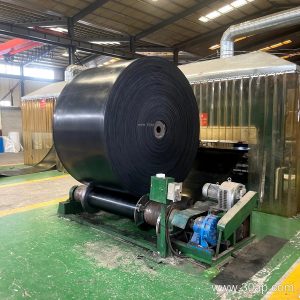
An NN conveyor belt is a fabric-core belt built on nylon warp and nylon weft canvas. The double-N designation refers to both yarn directions being polyamide, which gives the carcass high tensile strength, strong fatigue resistance and good flexibility. In English catalogs you will also see it called a nylon conveyor belt or an NN fabric core conveyor belt. It belongs to the wider family of Fabric Core Conveyor Belts, sitting alongside EP (polyester-nylon) constructions and well below Steel Cord Conveyor Belts in raw tension capability.
Because nylon stretches more than polyester under the same load, NN belts need a little more take-up travel at start-up. That is a design detail rather than a defect, and it is one reason engineers sometimes prefer EP where length stability matters most.
How the Belt Is Built
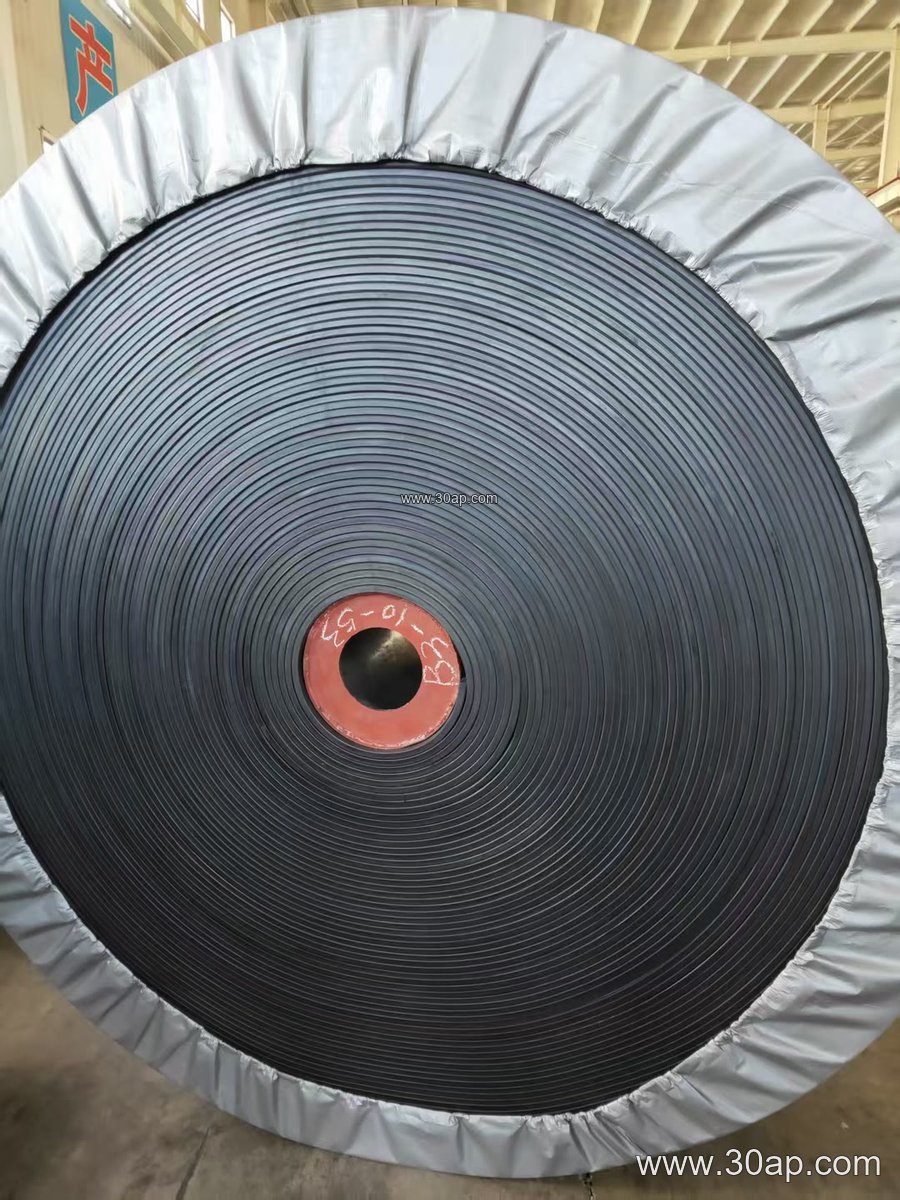
A typical NN Conveyor Belt stacks several nylon plies, bonds them with skim rubber, and adds top and bottom cover compounds. Common constructions use 2 to 6 plies. Cover thickness is usually quoted as a pair, for example 4+2 mm or 6+2 mm, meaning top cover plus bottom cover.
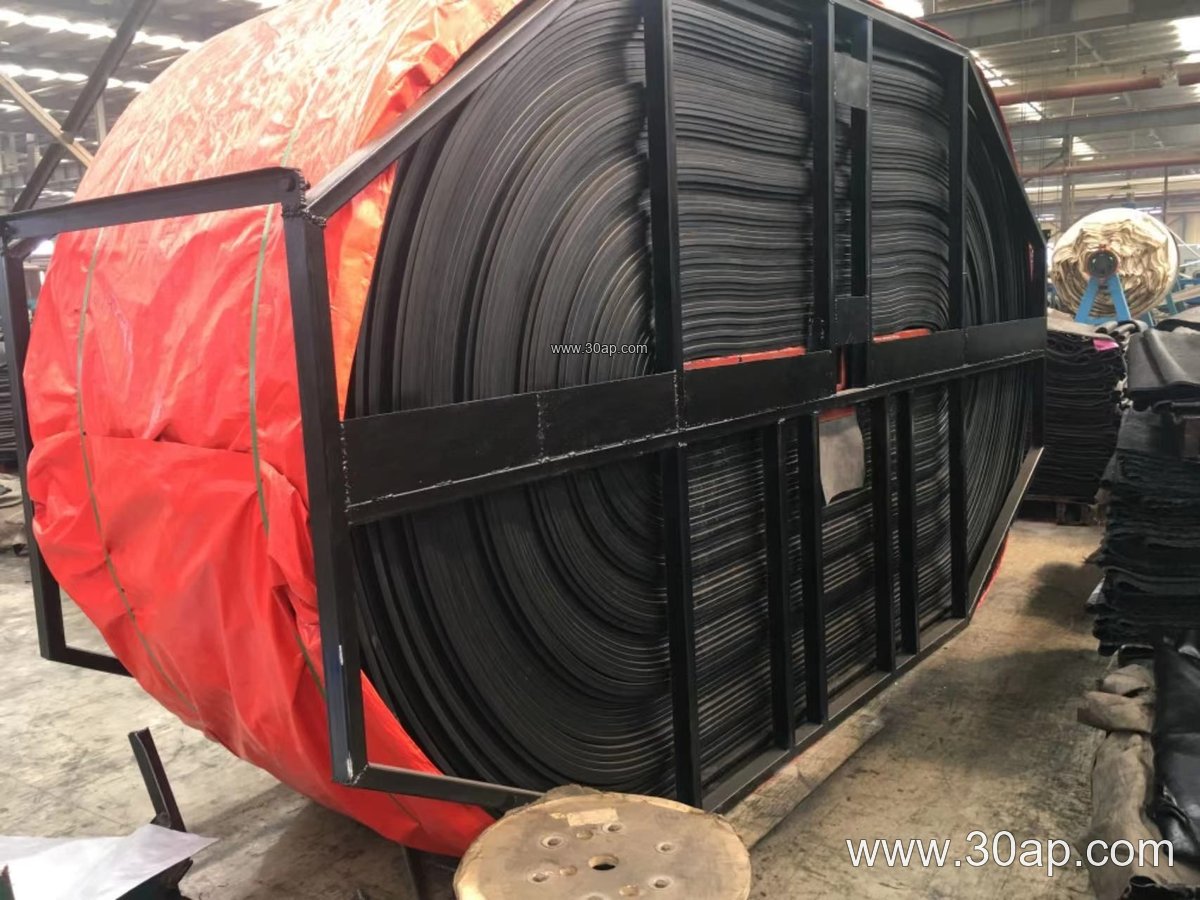
- Carcass: multiple nylon fabric plies, pressed and vulcanized
- Cover: abrasion resistant, heat resistant, oil resistant or flame retardant compound as required
- Edges: cut edge or sealed edge depending on the manufacturer
Strength grades follow the NN100, NN200, NN300 and NN400 pattern, where the number is related to the breaking strength of the carcass. Higher grades use more or heavier plies rather than a different polymer.
Where It Fits in the Plant
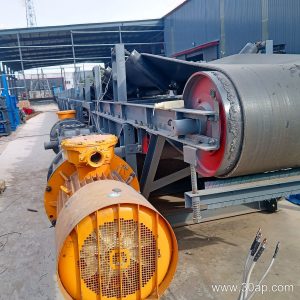
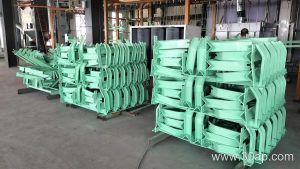
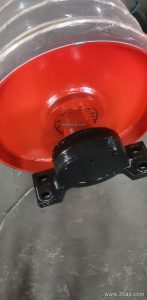
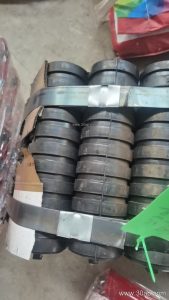
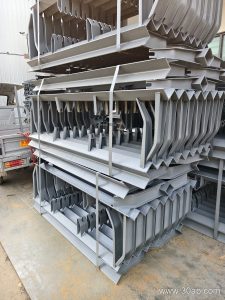
You will see this belt in cement plants moving clinker and limestone, in power plants handling coal, in sand and gravel quarries, and in metallurgical works feeding ore. It also appears in port bulk terminals and crushing circuits. On a typical conveyor structure, the belt runs over idler rollers, wraps the head and tail conveyor pulleys, and is held in line by conveyor brackets and frames.
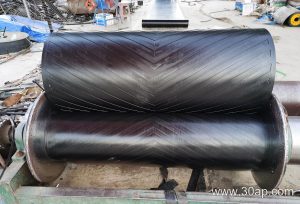
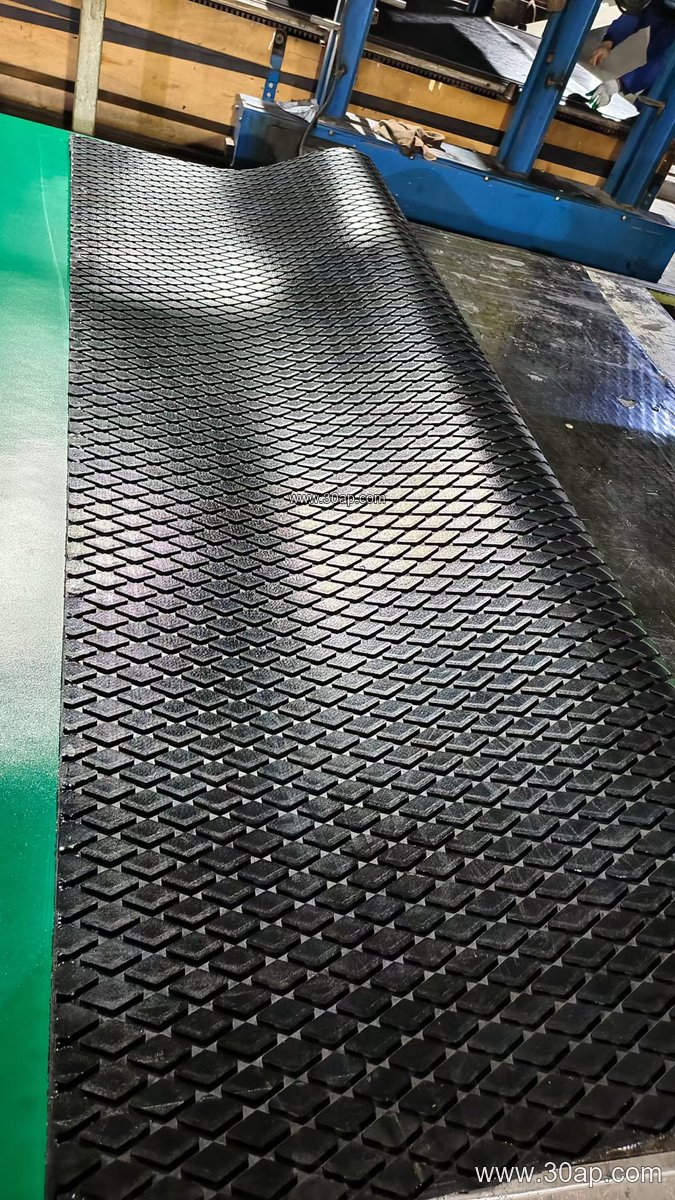
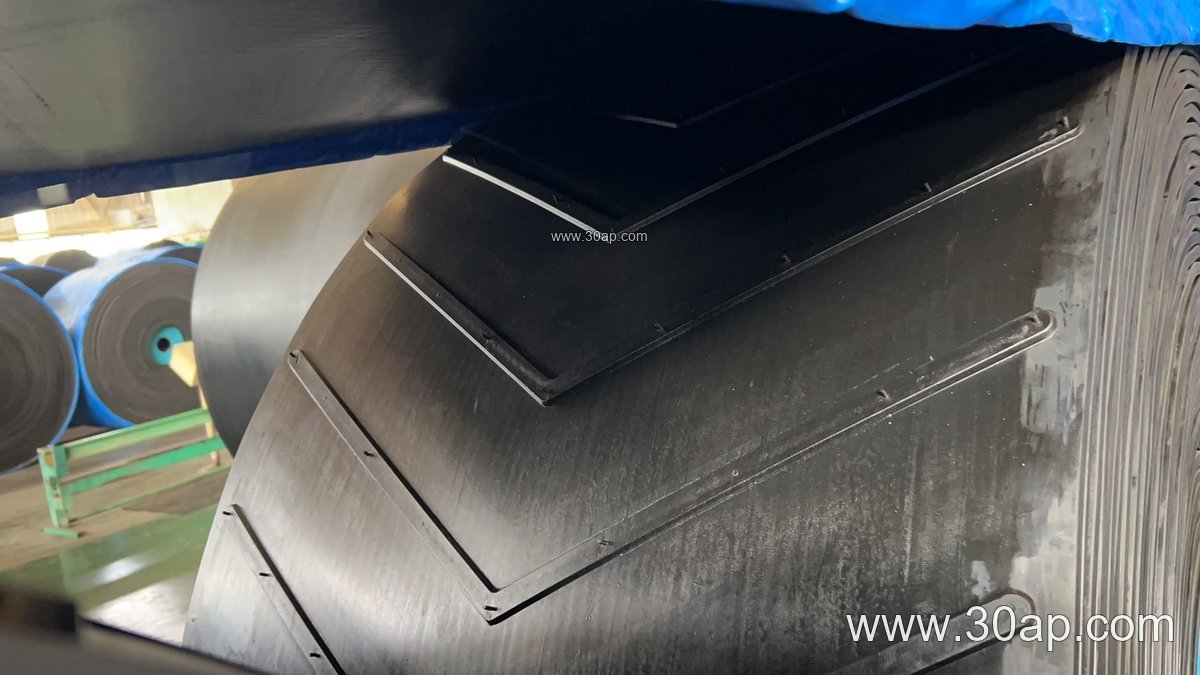
For heavy, sharp rock, a high abrasion resistant cover is often specified. Underground coal duty usually calls for a flame retardant grade, sometimes with anti-static properties. Hot clinker or sinter may need a heat resistant cover. When the route climbs steeply, a Chevron Conveyor Belt or a corrugated sidewall design can replace a smooth belt, but those are different products and should not be treated as substitutes for the NN carcass itself.
Common Reference Data
The values below are typical reference points only. Actual supply is confirmed by the manufacturer against the conveyor design.
| Parameter | Common range |
|---|---|
| Strength grade | NN100, NN200, NN300, NN400 |
| Belt width | B500, B650, B800, B1000, B1200, B1400, B1600 |
| Cover thickness | 3+1.5, 4+2, 5+2, 6+2, 8+3 mm |
| Ply count | 2 to 6 plies, sometimes more |
| Cover type | abrasion, heat, oil, flame retardant, cold resistant |
Width and pulley diameter are matched by conveyor design, not by a fixed rule. A 1000mm belt may run on different pulley sizes in different installations.
Buyer Checklist
- State the material, lump size and temperature so the cover compound can be chosen correctly.
- Give the required tensile grade and ply count, plus belt width and cover thickness.
- Confirm whether flame retardant or anti-static performance is needed for the site.
- Ask about splice method, since nylon carcass belts are usually hot spliced or mechanically fastened.
- Check that the take-up length suits the elastic stretch of a nylon carcass.
With the right grade and cover, an NN Conveyor Belt handles abrasive bulk material reliably across mining, cement, power and quarry operations. Matching it to proper idler roller spacing, well-aligned conveyor pulleys and sound conveyor brackets matters as much as the belt itself.