What a 1250mm Drive Pulley Does
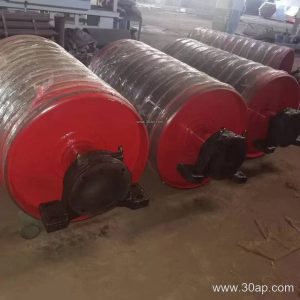
The 1250mm drive pulley is the power-transmitting drum at the head of a conveyor. It grips the belt, pulls the loaded strand, and sets the pace for everything downstream. In a quarry or a cement plant, this head pulley often works alongside a tail pulley and a series of bend pulleys, but only the drive pulley carries the motor torque into the belt. The 1250mm figure refers to the drum diameter, a size that appears in bulk material handling where belt widths are generous and starting torques are high.
Because the drive pulley is the interface between gearbox and conveyor belt, its design must match the belt’s tension and the duty cycle. A 1250mm drum offers a large contact arc, which helps transfer power without excessive slip, especially when the belt is a heavy-duty mining conveyor belt or a steel cord conveyor belt carrying ore from a primary crusher.
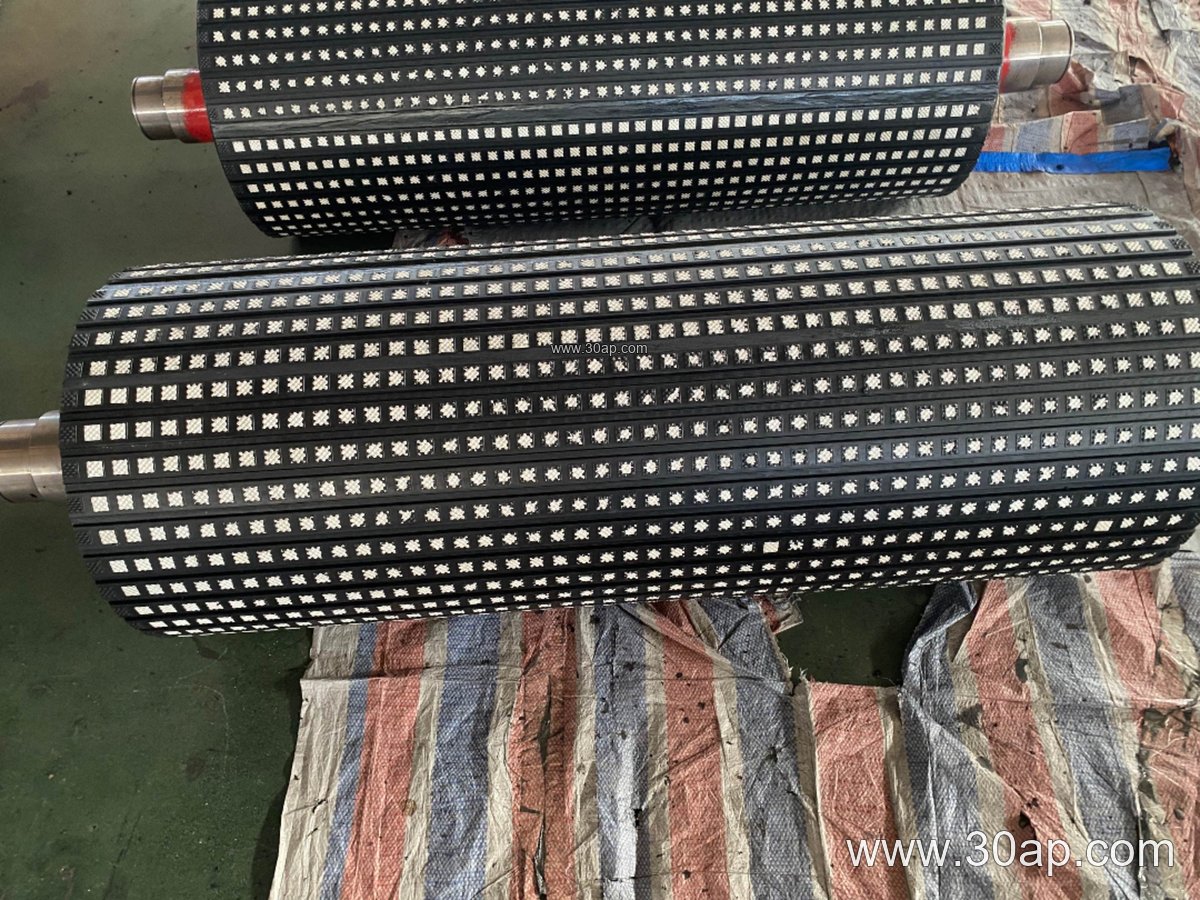
Construction and Surface Options
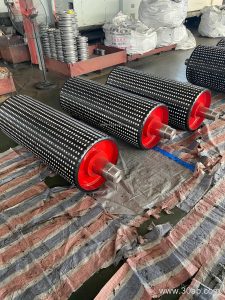
A 1250mm drive pulley is typically built as a welded steel drum with a shaft, hub, and end discs. The shell is machined for balance, and the surface is prepared for lagging. Common surface forms include plain steel, hot-vulcanized rubber, cold-bonded rubber, diamond grooved lagging, herringbone lagging, and ceramic lagging. Lagging thickness often falls in the 8 to 20 mm range, with 10 mm and 12 mm being common for general service and 15 mm or 20 mm used where abrasion is severe.
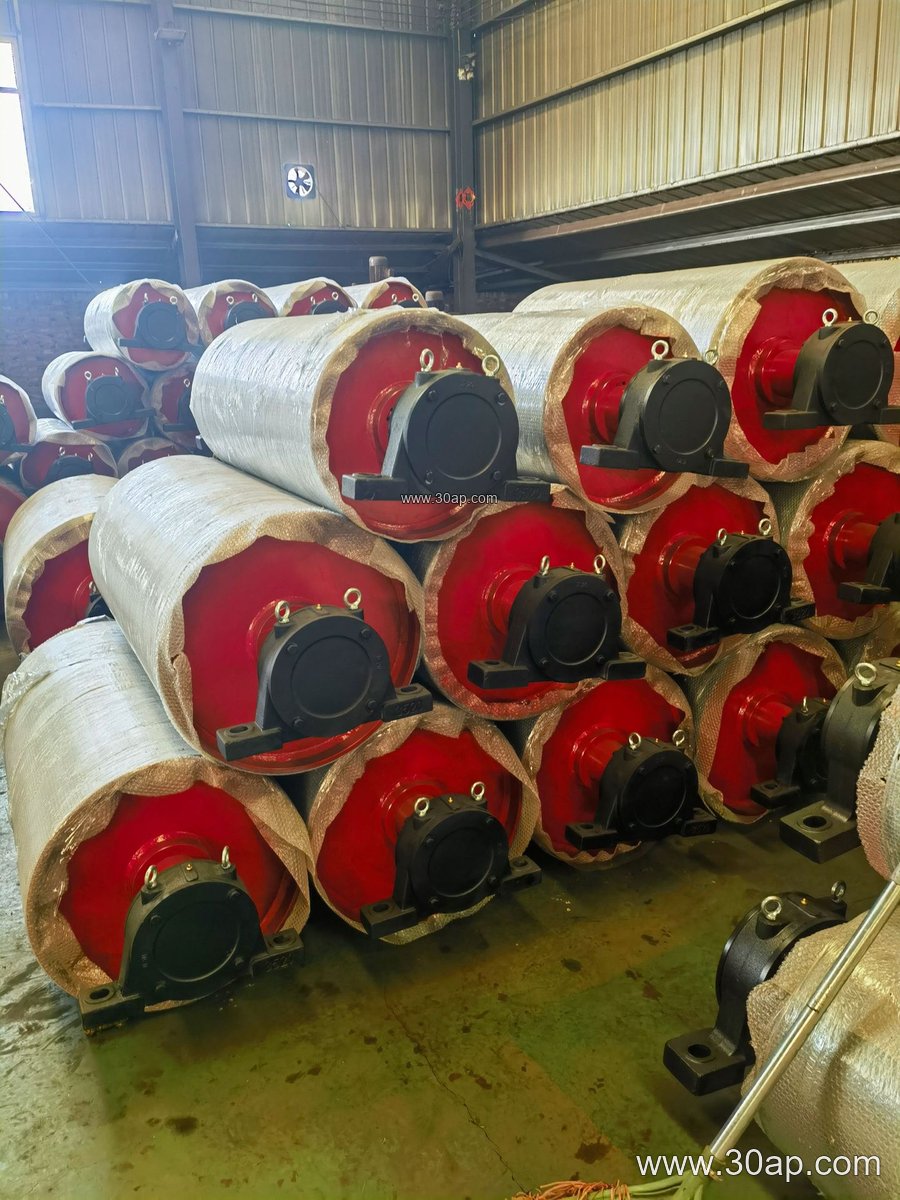
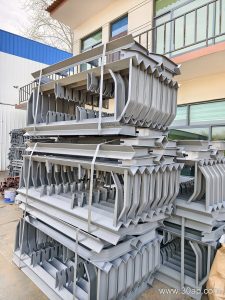
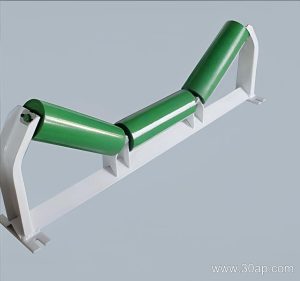
The pulley is not a standalone item. It sits in a conveyor bracket or frame, supported by bearings, and is often paired with an idler roller set that supports the belt on the carry side. The drive pulley’s shell width is usually wider than the belt to allow for tracking tolerance. For example, a belt width of 1200 mm might run on a pulley face around 1400 mm, but the exact dimensions are determined by the conveyor designer, not by a fixed rule.
Where It Fits in the Plant
You will see a 1250mm drive pulley in primary crushing circuits at a limestone quarry, in coal handling systems at a power plant, and in sinter plants at a steel works. It is also at home in a sand and aggregate line where a quarry conveyor belt moves blasted rock to a screen. In each case, the pulley’s job is the same: transmit torque, maintain belt tension, and resist wear from the material environment.
In a coal mining conveyor system, a flame retardant conveyor belt may run over a 1250mm drive pulley with rubber lagging to reduce slip. In a cement plant, a heat resistant conveyor belt might be used on the clinker line, and the drive pulley’s lagging must tolerate warm fines without hardening. The pulley itself does not change the belt’s properties, but the combination of drum diameter, lagging, and belt type affects traction and belt life.
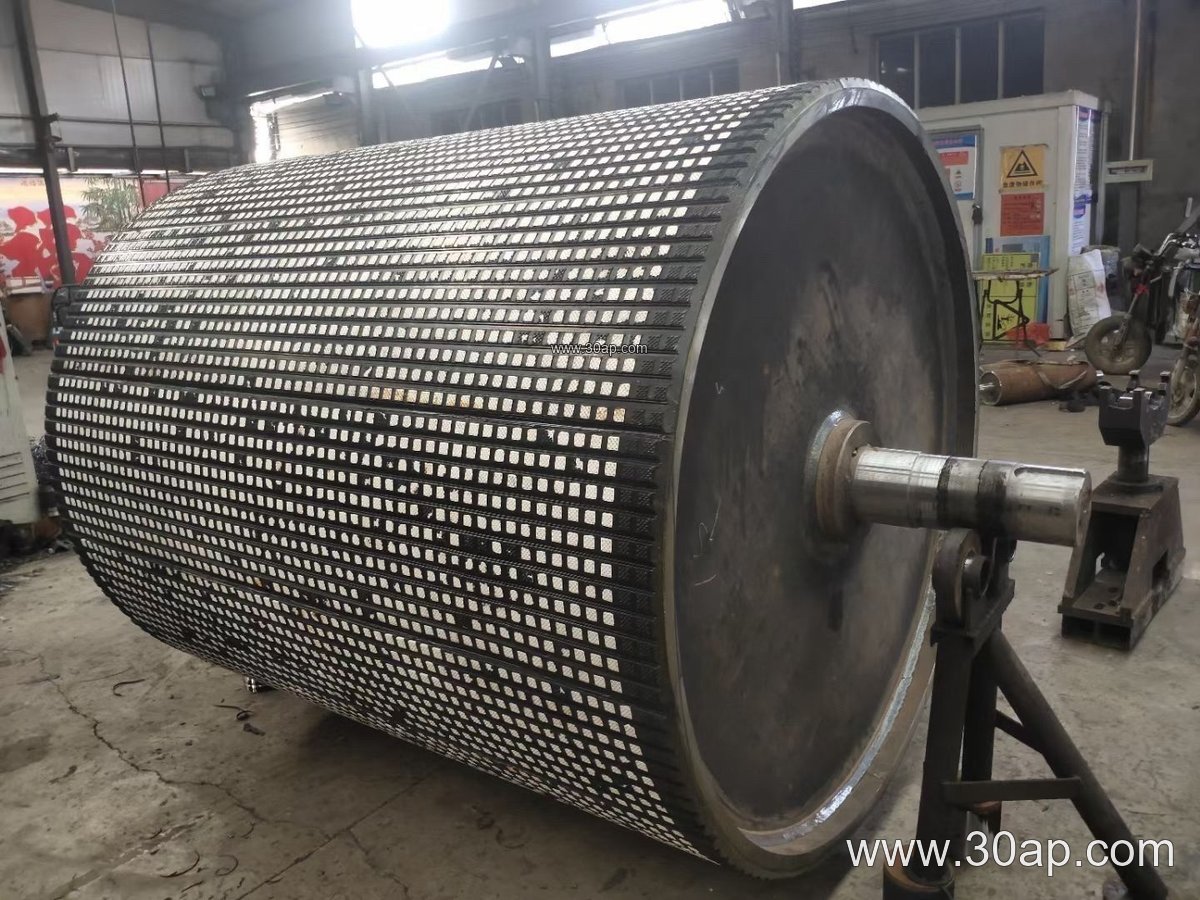
Matching the Pulley to the Belt and Load
Belt width and pulley diameter are related but not locked together. A 1250mm drive pulley can be specified for a 1200mm wide conveyor belt, a 1400mm belt, or even a 1600mm belt, depending on the required wrap angle and tension. The shaft diameter is separate again: it is sized from torque and bending load, often landing in the Ø120 to Ø200 range for this class of pulley, but that is a design outcome, not a rule of thumb.
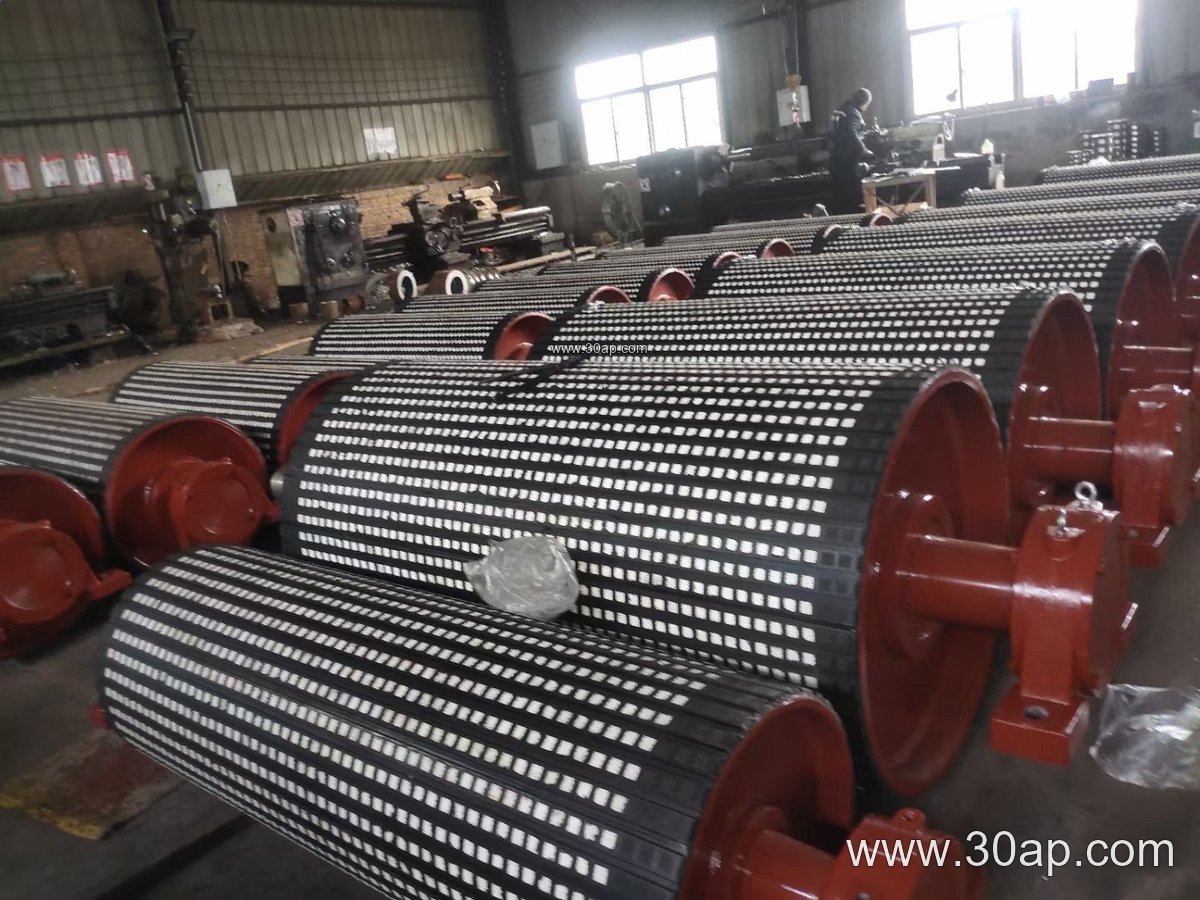
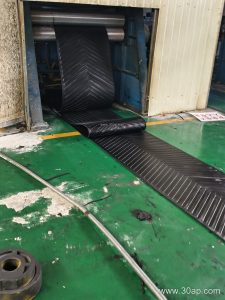
Buyers should confirm the belt type and duty. An EP conveyor belt, an NN conveyor belt, or a fabric core conveyor belt will have different modulus and tension requirements than a steel cord conveyor belt. If the conveyor handles abrasive ore, a high abrasion resistant conveyor belt paired with a ceramic lagged drive pulley may be appropriate. For underground coal mining, a PVG conveyor belt or a flame retardant conveyor belt is common, and the pulley lagging should be selected to avoid static buildup.
Key Dimensions at a Glance
Use the table below as a reference for common size relationships, not as a fixed specification for every conveyor. The 1250mm drive pulley is highlighted where relevant.
| Item | Common Range / Example |
|---|---|
| Drive pulley diameter | Ø800, Ø1000, Ø1250, Ø1400 mm |
| Belt width (B) | B1000, B1200, B1400, B1600 mm |
| Pulley face width | Typically wider than belt, e.g. B1200 belt ~1400 mm face |
| Shaft diameter | Ø100, Ø120, Ø140, Ø160, Ø180, Ø200 mm (by torque) |
| Lagging thickness | 8, 10, 12, 15, 20 mm |
| Surface form | Plain, rubber lagged, diamond, herringbone, ceramic |
Buyer Checklist
- Confirm the drive pulley position: head end, inline, or with a bend pulley for wrap angle.
- State the conveyor belt type and width, not just the pulley diameter.
- Specify lagging type and thickness based on material abrasion and slip risk.
- Check shaft size and bearing housing against the conveyor bracket drawing.
- Ask for dynamic balance and runout tolerances if the pulley will run at high speed.
For a 1250mm drive pulley, the most common mistake is treating the diameter as a universal match for one belt width. In practice, the pulley, belt, idler roller, and bracket form a system, and the drive pulley must be sized for the tension and torque of that system.