What an Ore Conveyor Belt Does
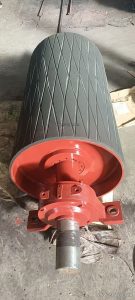
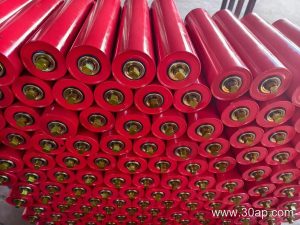
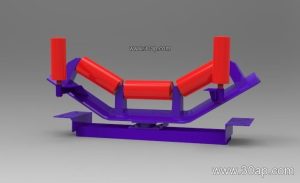
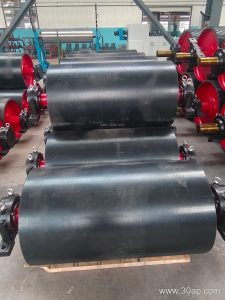
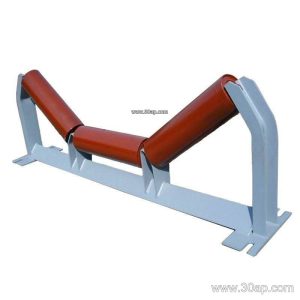
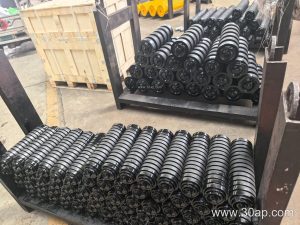
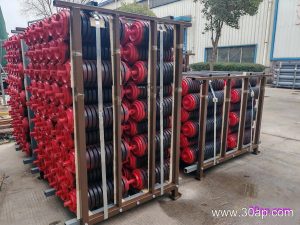
An ore conveyor belt is the load-carrying element of a bulk handling line that moves crushed rock, concentrate, and screened ore between the pit, stockpile, crusher, and loadout point. In a mine, cement plant, quarry, or power station, the belt works together with idler rollers, conveyor pulleys, and a fabricated conveyor bracket frame to keep material flowing at a steady rate. The belt is not a simple rubber strip; it is an engineered composite of cover rubber and a tension-bearing carcass, and its construction decides how much load it can carry and how long it lasts.
Construction and Carcass Choice
Most ore duty falls to two carcass families. Fabric core belts use woven plies, and the EP type (polyester warp, nylon weft) is common because it stretches less than pure nylon under load. Steel cord belts use brass-plated wires for very long runs and high tension. A multi-ply fabric core arrangement is typical for medium-duty transfer lines. Cover rubber is selected for the dominant wear mode: abrasion resistant grades for sharp, dry ore, heat resistant grades near sinter or clinker, oil resistant grades around lubricated equipment, and flame retardant or fire resistant grades in underground coal mining and other enclosed galleries. Anti-static properties are often requested where dust and gas may accumulate.
Common Reference Data
The following values are typical reference ranges, not fixed rules. Final construction is confirmed by the conveyor design.
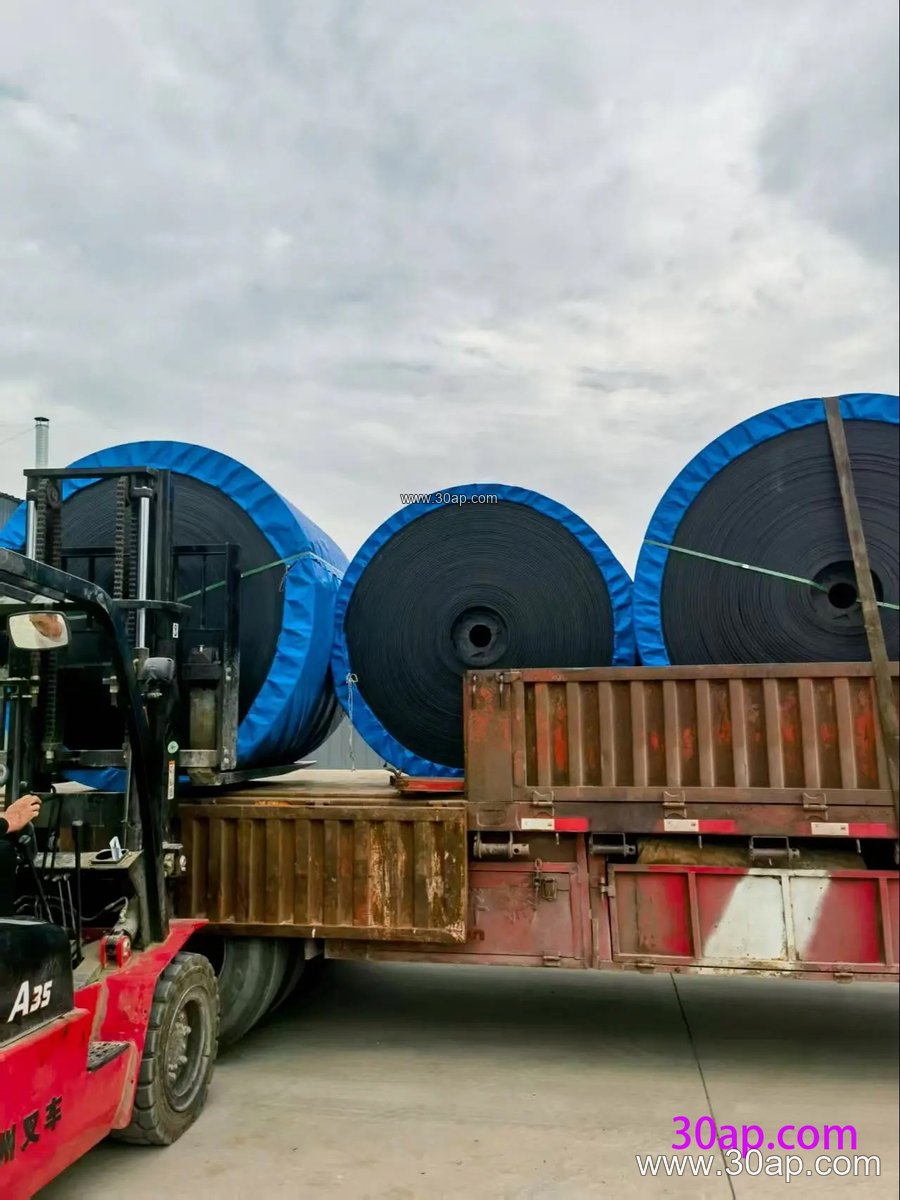
- Fabric grades: EP200 to EP2000, NN100 to NN400
- Steel cord grades: ST1000 to ST3150
- Belt widths: B500, B650, B800, B1000, B1200, B1400, B1600, B1800, B2000
- Cover thickness examples: 3+1.5, 4+2, 5+2, 6+2, 8+3 mm
- Carcass plies: usually 2 to 6 layers
A wide belt such as a 1200mm or 1500mm unit carries more tonnage per hour, but it also needs matched pulley face width and properly sized idler rollers. Belt width and pulley diameter are separate design decisions, and one width does not dictate one shaft size.
Where It Fits in the Plant
In iron ore and copper ore operations, the belt often runs from a primary crusher to a transfer tower, then to a stacker. In a sand and gravel yard, an aggregate conveyor belt links screening decks and stockpiles. A cement plant uses similar belts for limestone, clinker, and gypsum, while a steel plant moves sinter and coke. Port and ship loading systems rely on heavy-duty mining conveyor belt grades with high tensile strength. In underground coal mining, PVG or PVC belts with flame retardant properties are frequently specified, and the same gallery may need an underground coal mining conveyor belt that resists both fire and abrasion.
Special Profiles and Their Place
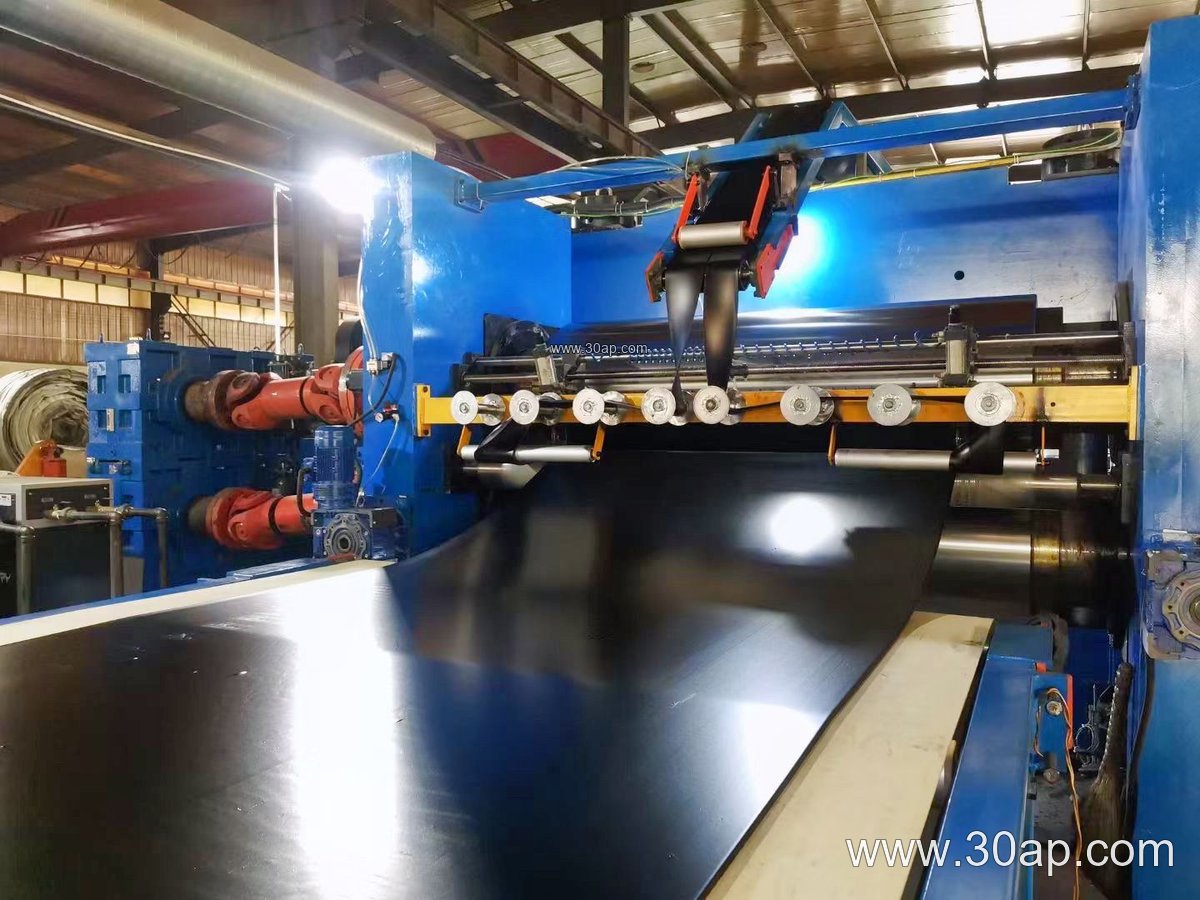
Steep inclines sometimes call for a chevron conveyor belt or a corrugated sidewall belt with cleats to stop material from sliding back. A skirted conveyor belt contains spillage at transfer points. A pipe conveyor belt encloses the load for dust control and curved routes. These are alternatives for specific geometry, not replacements for a standard troughed ore belt on a long flat run. An endless conveyor belt, spliced in the workshop, reduces joint downtime on critical lines. For very cold sites, a cold resistant cover helps avoid cracking; for acidic slurries, an acid resistant or chemical resistant cover may be needed.
Buyer Checklist
Before ordering, confirm the material size, bulk density, moisture, and temperature range. Check the required tensile grade against the actual slope and start-up load, and review the pulley and idler roller layout so the belt bends without over-stressing the carcass. Ask for the cover grade in writing, including whether flame retardant and anti-static performance is required. A reputable supplier of rubber conveyor belt and related components should be able to match the belt to your conveyor pulley arrangement rather than quote a single universal specification.
For more on matching belts, rollers, and pulleys, visit www.beltconveyorparts.com for ore conveyor belt guidance and conveyor component references.