What a Return Idler Bracket Does on a Conveyor
A return idler bracket is the structural component that holds the return idlers in place beneath the conveyor belt. While the carrying side gets most of the attention, the return side quietly does the essential job of supporting the belt on its empty journey back to the tail pulley. Without a properly designed bracket, return idlers can shift, misalign, or fail prematurely, leading to belt tracking problems and downtime. In industries ranging from coal mining to cement plants, this seemingly simple part plays a critical role in keeping material flowing.
Also known as a return roller bracket or bottom idler support, this component is typically mounted to the conveyor frame stringers. It must withstand vibration, dust, and the constant load of the belt and any clinging material. Whether you are running a heavy-duty mining conveyor belt or a lighter aggregate conveyor belt, the bracket must be matched to the application.
Construction and Mounting Options
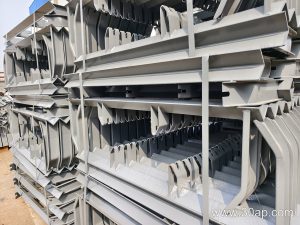
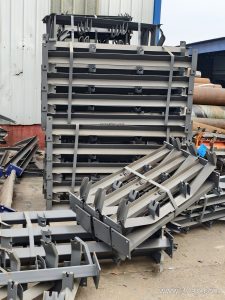
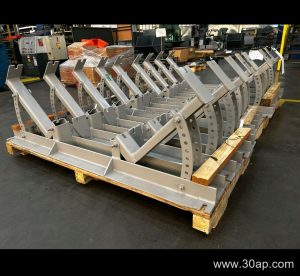
Return idler brackets are commonly fabricated from angle steel, channel steel, or bent steel plate. The choice of material and thickness depends on the belt width, the weight of the return idlers, and the operating environment. For example, a bracket for a B1200 conveyor carrying a steel cord conveyor belt in an iron ore mine will be more robust than one for a B650 system handling sand in a quarry.
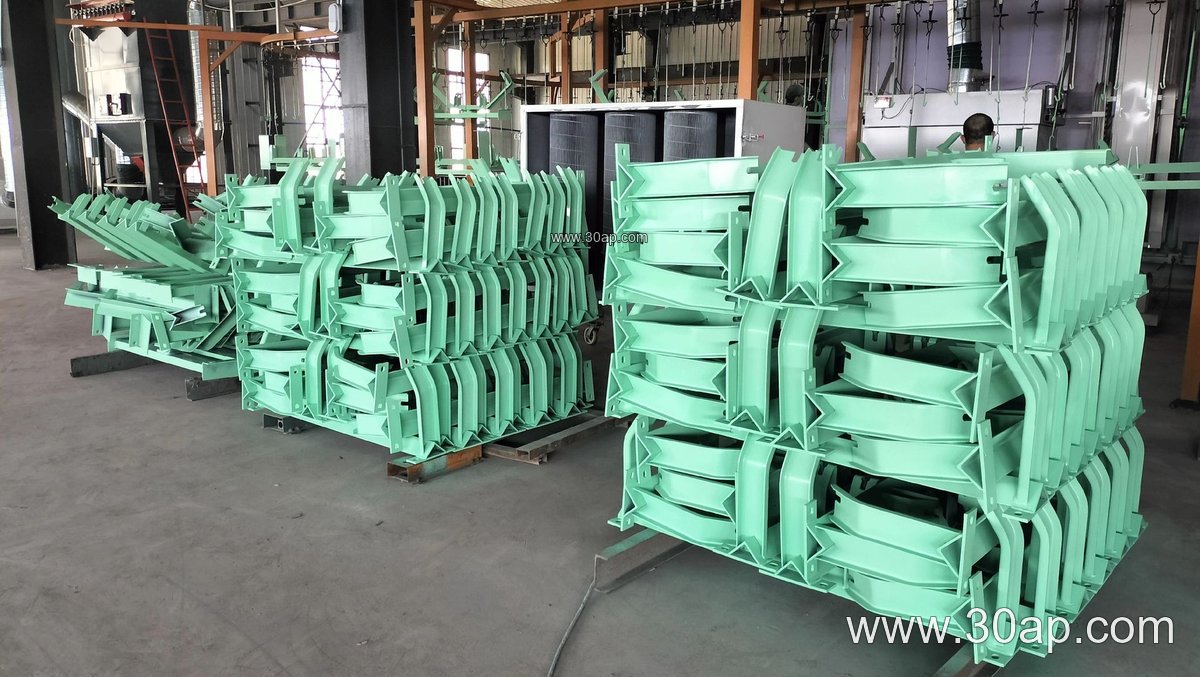
Mounting styles vary. Fixed brackets hold the return idler at a set height and angle, while adjustable brackets allow fine-tuning of the idler position to optimize belt contact and tracking. Some designs include slots or multiple bolt holes to accommodate different idler diameters, such as Ø108 or Ø133. The bracket must also provide secure locking of the idler shaft to prevent rotation or walking.
Selecting the Right Bracket for Your Conveyor
When choosing a return idler bracket, several factors come into play. The belt width is a primary consideration: brackets are available for B500 up to B2200 and beyond. The bracket must match the frame width and the return idler configuration, whether it is a single flat roll or a V-return arrangement.
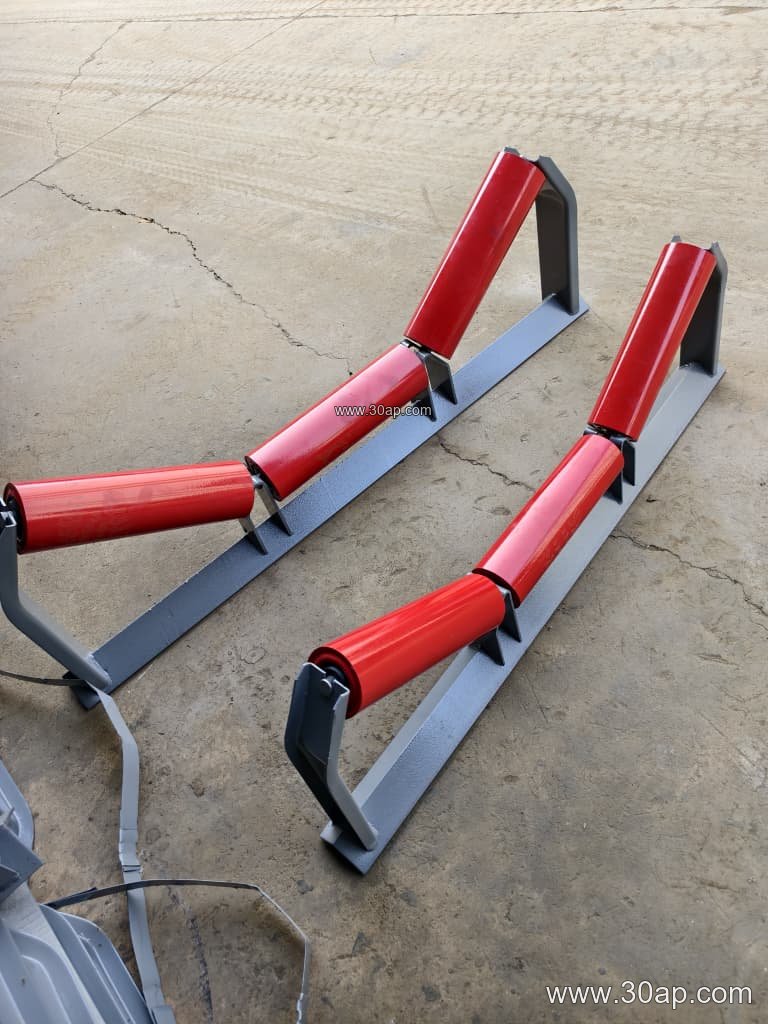
The return idler diameter also matters. Common diameters include Ø89, Ø108, Ø133, Ø159, and Ø194. The bracket’s mounting holes and shaft supports must be compatible with the chosen idler. Additionally, the bracket should be designed to handle the belt speed and load. In high-tonnage operations, such as a coal mining conveyor belt system, reinforced brackets with thicker steel may be necessary.
Environmental factors such as corrosion, abrasion, and temperature extremes can influence the choice of coating or material. For instance, in a fertilizer plant or a port handling salt, a galvanized or painted bracket may extend service life. It is always best to consult the conveyor designer or bracket manufacturer to ensure compatibility with the specific conveyor pulley and idler roller arrangement.
Installation and Maintenance Tips
Proper installation is key to maximizing bracket life. The bracket should be aligned squarely with the conveyor centerline and securely bolted to the frame. Misalignment can cause the return idler to sit unevenly, leading to belt edge damage and premature wear. During maintenance, inspect brackets for loose bolts, bent steel, or corrosion. Replace any bracket that shows signs of fatigue, as a failed bracket can drop an idler and cause extensive belt damage.
Regular cleaning of accumulated material around the bracket helps prevent corrosion and ensures proper idler rotation. In dusty environments like a cement plant or a crushing circuit, this simple practice can significantly extend the service interval.
Where Return Idler Brackets Are Used
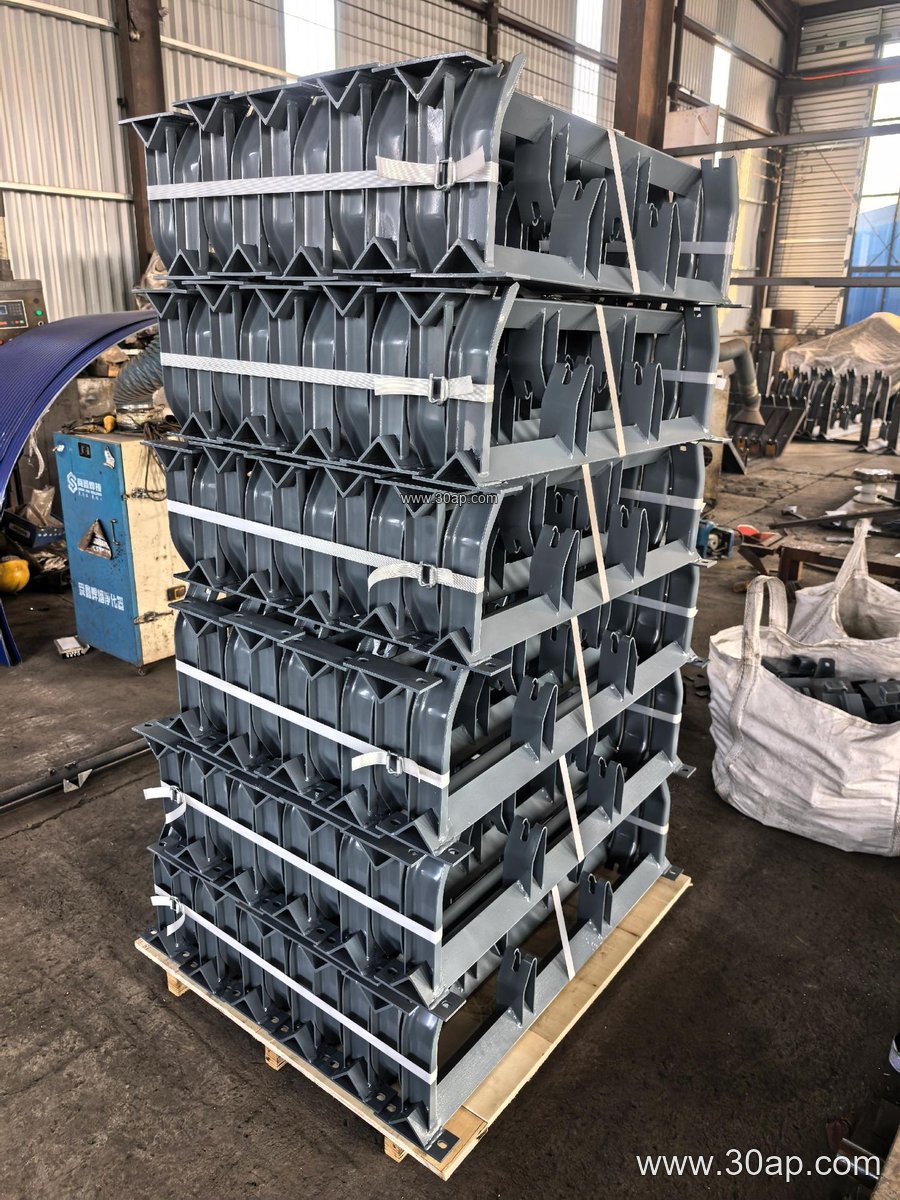
You will find return idler brackets in virtually any belt conveyor system. In a coal preparation plant, they support the return side of a flame retardant conveyor belt. In a power plant, they handle the return of a heat resistant conveyor belt carrying coal. In a quarry, they keep an abrasion resistant conveyor belt running smoothly. Even in food processing, where a food grade conveyor belt is used, stainless steel brackets may be employed for hygiene.
The bracket works in concert with the conveyor pulley, the idler roller, and the belt itself. A well-designed bracket system contributes to overall conveyor efficiency and safety. For more information on selecting brackets and related components, visit our website at beltconveyorparts.com or check our range of conveyor brackets at idlerbracket.com. Our experts can help you match the right bracket to your conveyor belt specifications.
Remember that return idler brackets are not interchangeable with drive or tail pulley brackets; each serves a distinct purpose. Always specify the correct part for the application to avoid costly mistakes.