What a Mining Equipment Idler Does on the Line
A mining equipment idler is the rotating roller assembly that supports and guides the conveyor belt along its route. In a quarry, a coal preparation plant, or a crushing and screening circuit, these rollers carry the weight of rock, ore, and aggregate while keeping the belt tracking in a stable path. The idler itself is a simple product, but its role is central: it reduces friction, protects the belt from sagging between supports, and helps maintain a steady material flow. When people talk about an idler roller or a troughing roller, they usually mean the same family of components that sit under or over the belt.
Construction Details That Matter Underground and Above Ground
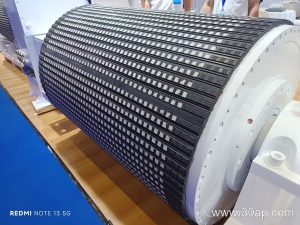
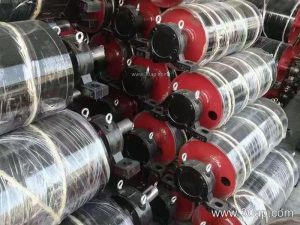
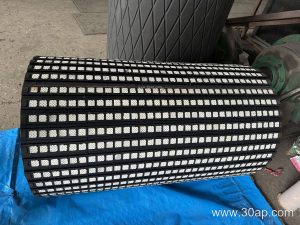
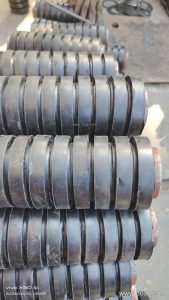
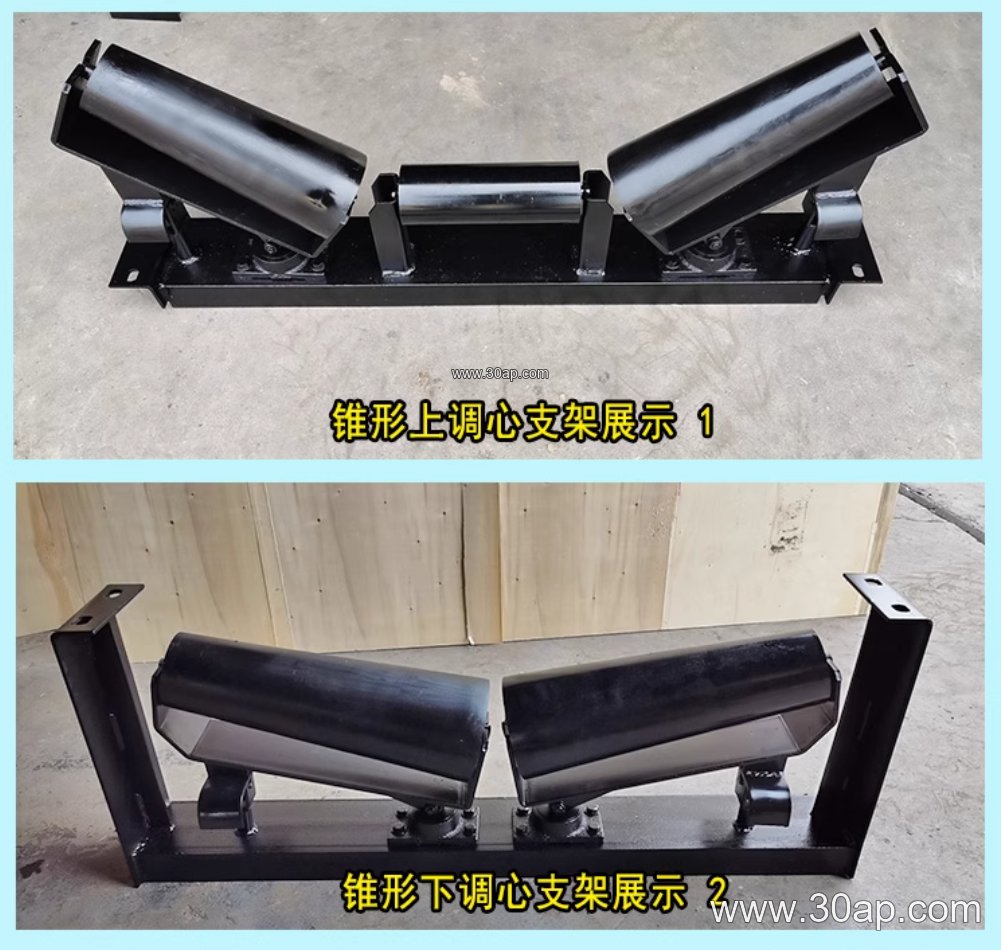
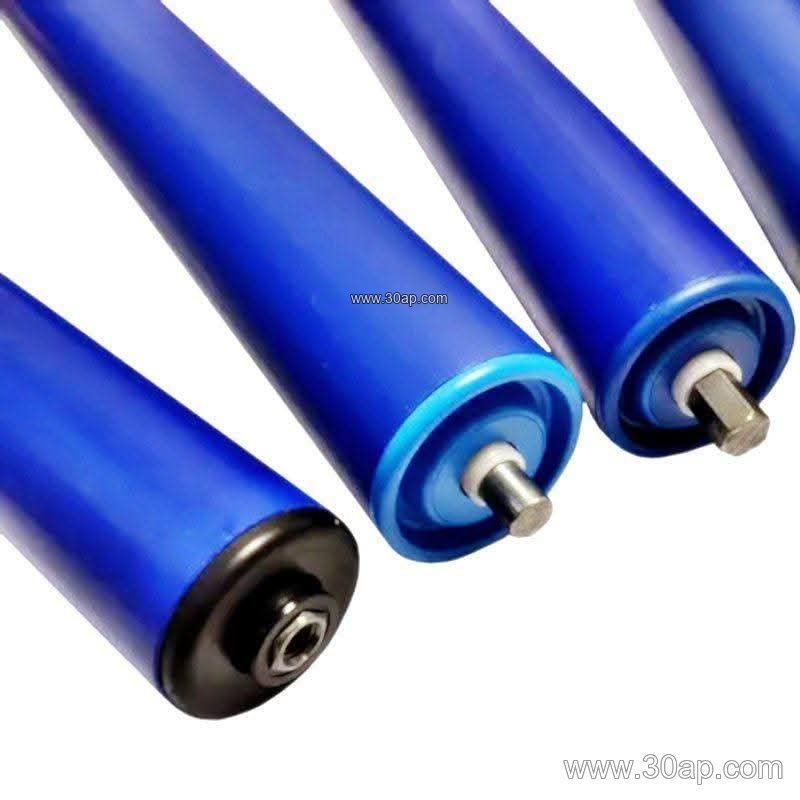
A typical idler roller consists of a steel tube shell, a shaft, bearing housings, and a sealing arrangement. The shell may be plain steel, nylon-coated, ceramic-covered, or fitted with rubber rings for impact absorption. Bearings such as 6204, 6205, 6305, 6306, 6308, and 6310 appear in common designs, but the bearing choice is matched to load and speed rather than to a single roller diameter. Sealing is critical in dusty conditions; a labyrinth seal or a multi-stage lip seal helps keep fine particles out of the bearing cavity. In a coal mining conveyor system, flame retardant and anti-static properties are often specified for the belt, and the idler components are selected to suit the same environment.
Common Idler Types and Where They Sit
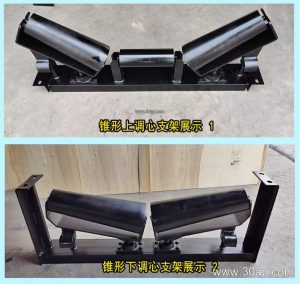
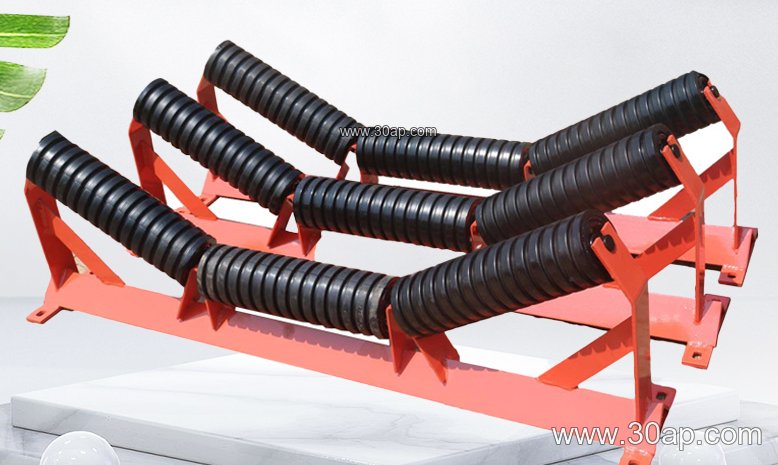
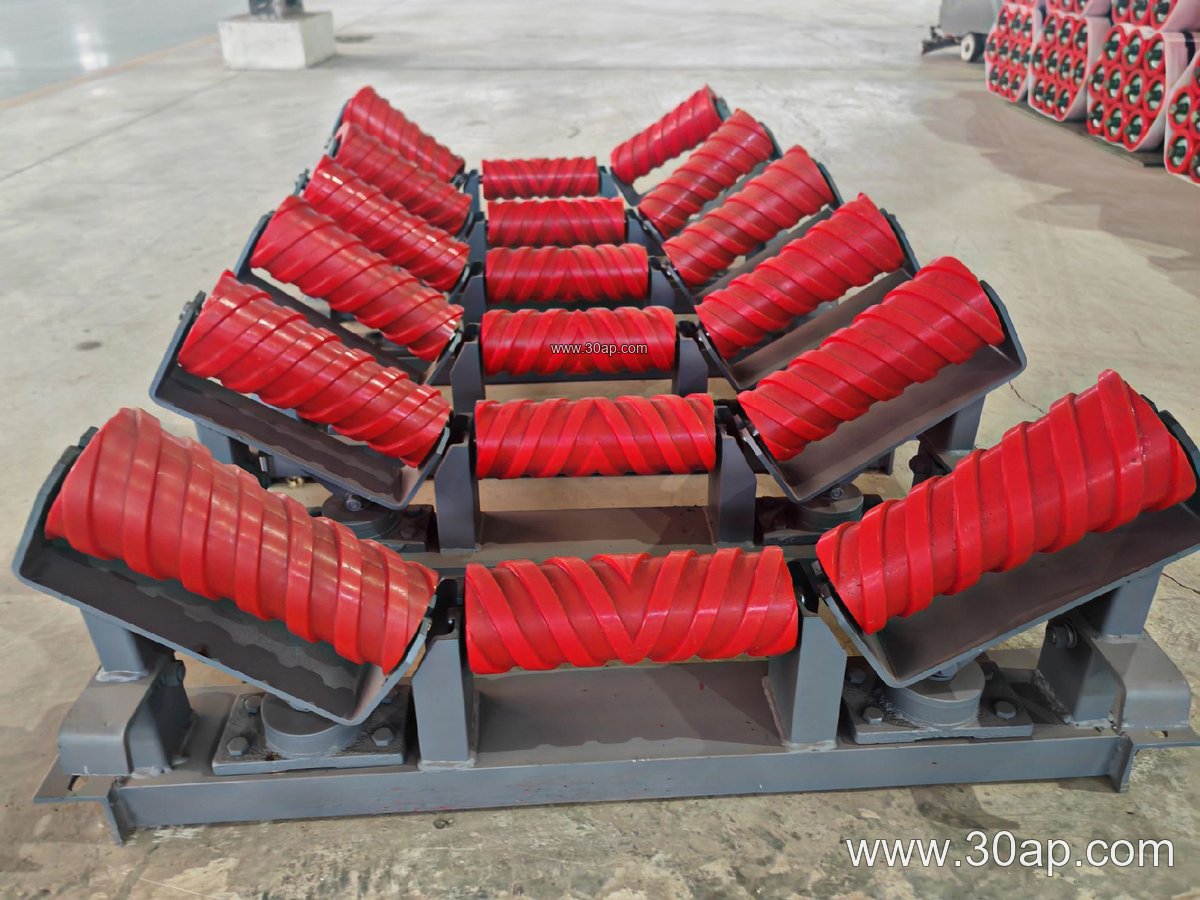
The carrying side usually uses troughing idlers arranged in two or three rolls. A three-roll troughing set is common on wider belts, while a single-roll flat idler may appear on the return side. Transition idlers help the belt change from a flat profile at the pulley to a troughed profile without stressing the edges. Impact idlers with rubber rings are placed at loading points to absorb the force of falling material. On the return strand, a plain flat return idler or a V-return idler keeps the belt supported and helps with tracking. Self-aligning idlers, including friction and tapered designs, are used where belt wander is a concern.
Trough Angle and Belt Width
Trough angles of 20, 30, 35, and 45 degrees are common. A deeper trough suits fine, high-volume material, while a shallower angle may be preferred for lumpy rock. Belt widths range from B400 up to B2400 in many plants. Roll length changes with belt width and trough angle; for example, a three-roll troughing set might use rolls around 200 mm long on a B500 belt, 315 mm on B800, 465 mm on B1200, and 600 mm on B1600. These are typical examples, not fixed rules, and the side roll and center roll can differ. The table below shows a few reference combinations for planning discussions.
| Reference Item | Common Example | Note |
|---|---|---|
| Belt width | B500, B650, B800, B1000, B1200, B1400, B1600 | Selected by material flow and layout |
| Roll diameter | Ø63, Ø76, Ø89, Ø102, Ø108, Ø127, Ø133, Ø159, Ø178 | Larger diameters suit heavier loads |
| Trough angle | 20°, 30°, 35°, 45° | Depends on material and belt stiffness |
| Bearing example | 6204, 6205, 6305, 6306, 6308, 6310 | Matched to load and speed |
Where Mining Equipment Idlers Are Used
You will find these rollers in limestone mines feeding a crusher, in iron ore and copper ore handling lines, and in sand and aggregate plants where abrasive dust is constant. A cement plant uses them on clinker and raw meal conveyors, while a power plant coal yard relies on them to keep the coal feed moving. In a steel plant, sinter and coke conveyors use similar idler sets. The belt itself may be a heavy-duty mining conveyor belt, an abrasion resistant conveyor belt, or a heat resistant conveyor belt near hot material. In underground coal mining, flame retardant conveyor belt and anti-static conveyor belt specifications are common, and the idler layout is planned for limited space and difficult maintenance access.
Buyer Checklist Before Ordering
- Confirm belt width and trough angle so the roller length and frame fit the existing conveyor bracket.
- Check the load at the loading point; impact idlers with rubber rings may be needed under the chute.
- Review the sealing and bearing arrangement for the dust and moisture level at the site.
- Match the roller surface to the job: plain steel for general service, rubber for impact, ceramic or nylon where wear is severe.
- Ask for the shaft and bearing details as a set, not as a single fixed number tied only to belt width.
- Consider the return side separately; a V-return or flat return idler may suit better than a troughing set.
At www.tuogunchang.com, buyers often compare idler roller options together with conveyor pulley and conveyor bracket details. The same is true at www.tuogunchang.com for plants that need a Mining Conveyor Belt matched to a new idler layout. A well-chosen idler set reduces belt wear, lowers downtime, and keeps material moving from the quarry face to the stockpile or loadout.