What the ST1600 Designation Means
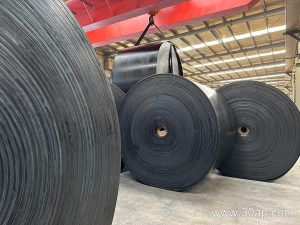
The ST1600 designation identifies a steel cord conveyor belt with a nominal tensile strength of 1600 N/mm per unit of belt width. It belongs to the ST series of Steel Cord Conveyor Belt products, where the number after the letters expresses breaking strength rather than a model year or a factory code. Within that family, ST1000 Conveyor Belt and ST1250 Conveyor Belt sit below it, while ST2000 Conveyor Belt and ST2500 Conveyor Belt sit above. The ST1600 position makes it a practical middle-to-high strength choice for main haulage lines that carry dense, abrasive bulk material over long distances.
Because the load-bearing element is steel cord rather than woven fabric, this belt tolerates far higher tension than an EP Conveyor Belt or NN Conveyor Belt of comparable thickness. That difference matters when a single flight replaces several transfer points, or when a conveyor must climb steeply out of a pit.
Construction and Internal Build
A typical ST1600 belt is built around parallel steel cords embedded in a bonding rubber layer, with a top cover and a bottom cover protecting the carcass from wear and moisture. The cords run longitudinally and carry the tension; the covers do the abrasion, impact, and environmental work. Buyers will usually see the cover specified as a pair of gauges, such as 6+2 mm or 8+3 mm, meaning top cover plus bottom cover. Thicker top covers suit crusher discharge and primary haulage, while a lighter bottom cover is common when the return side runs over idler roller sets in clean conditions.
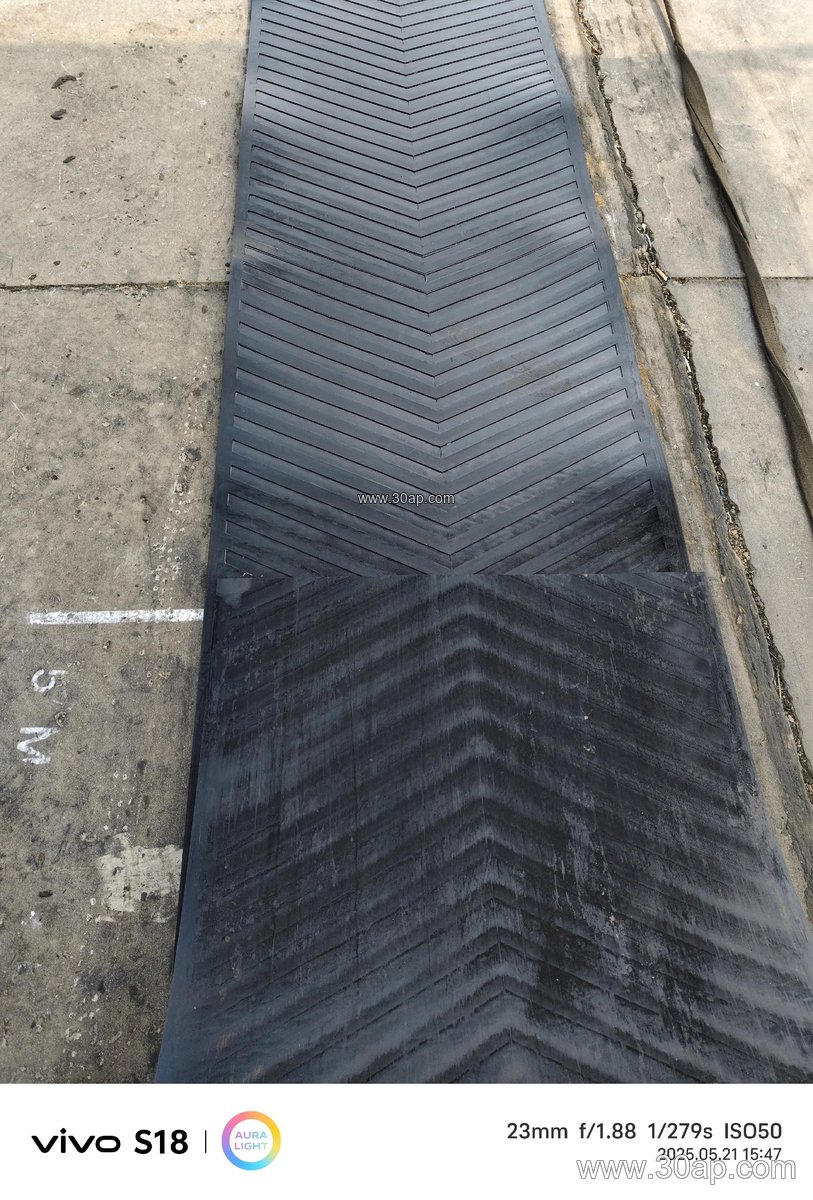
Steel cord belts are not the only heavy-duty option. A Multi-Ply Fabric Core Conveyor Belt remains a sensible choice for shorter, lower-tension runs, and a Flame Retardant Conveyor Belt or Fire Resistant Conveyor Belt grade is often specified for underground coal mining conveyors where the belt must resist ignition. Those are comparisons, not substitutes: the ST1600 keeps its place wherever the tension demand exceeds what fabric plies can reasonably deliver.
Where This Belt Fits in the Field
Long overland lines at mines, coal preparation plants, cement works, power stations, and large quarry or aggregate operations are the natural home of a Steel Cord Conveyor Belt at this strength level. It also appears in iron ore and copper ore handling, port ship loading systems, and heavy-duty bulk material circuits where a single conveyor moves thousands of tonnes per shift.
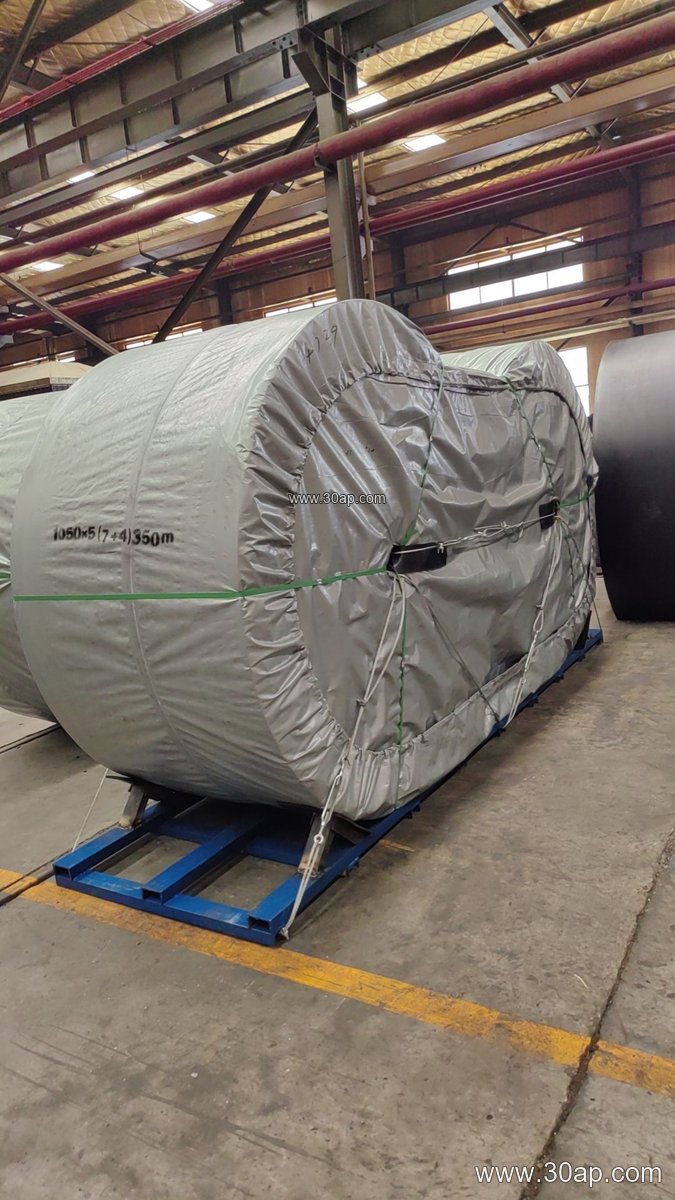
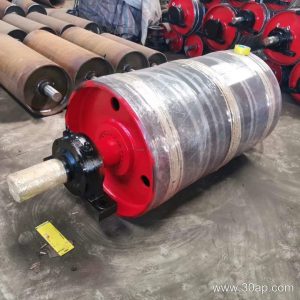
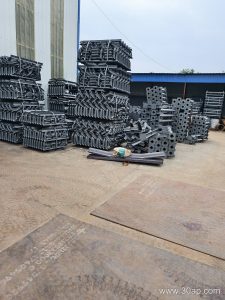
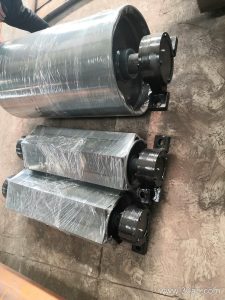
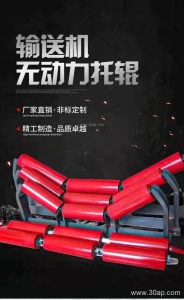
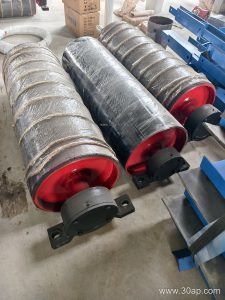
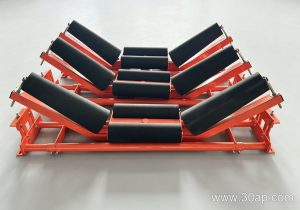
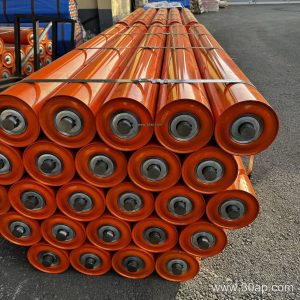
In these layouts the belt does not work alone. The conveyor pulley at the drive end, the tail pulley, idler roller groups on the carrying and return sides, and the conveyor bracket that holds the rollers all interact with the belt. A well-aligned pulley and freely turning idlers protect the cord carcass; a seized roller or a mis-set conveyor bracket can damage even a high-strength belt quickly. For dusty or wet duty, an Abrasion Resistant Conveyor Belt cover compound is often requested, and a Heat Resistant Conveyor Belt variant may be needed after a kiln or clinker cooler.
Common Reference Dimensions
Values below are typical reference points, not fixed supply commitments. Actual construction follows the conveyor design, the duty, and the manufacturer’s own build.
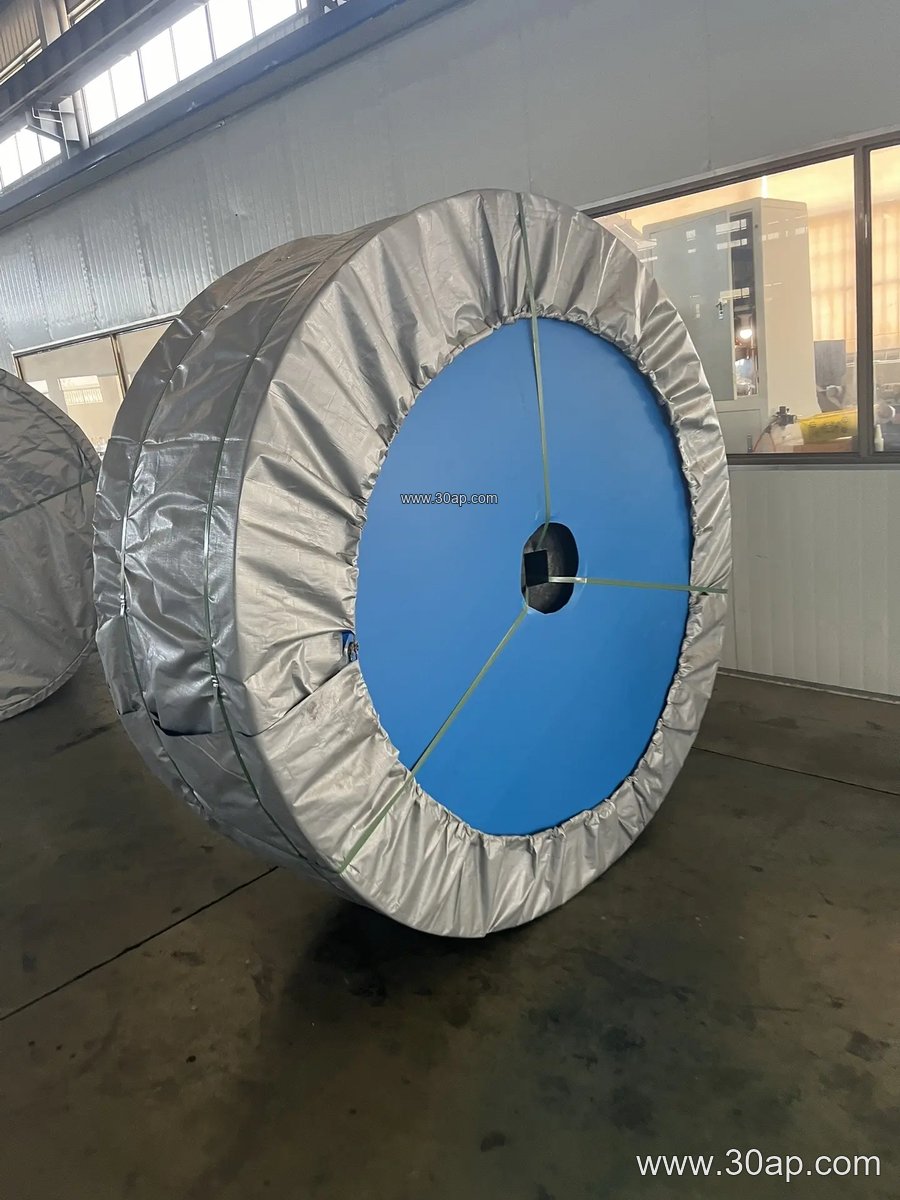
- Strength grades in the ST family: ST1000, ST1250, ST1600, ST2000, ST2500, ST3150
- Belt widths commonly quoted: B800, B1000, B1200, B1400, B1600, B1800, B2000
- Cover gauge examples: 4+2 mm, 5+2 mm, 6+2 mm, 8+3 mm
- Typical service: main haulage, long overland conveying, steep incline transport
Belt width and pulley diameter are separate design decisions. A 1200mm or 1400mm belt may run on a range of pulley sizes depending on tension, wrap angle, and cord pitch, so width alone should never be used to fix a shaft diameter. The conveyor designer sets those values together.
Selection and Maintenance Notes for Buyers
What to confirm before ordering
Provide the required tensile strength, belt width, cover gauges, and the working environment: temperature range, oil or chemical exposure, flame-retardant requirement, and whether the line runs underground. State the pulley diameters and the transition distance so the belt’s cord pitch and flexibility can be checked against the layout. Confirm whether the belt is supplied as an Endless Conveyor Belt or as open length for splicing on site.
Keeping it running
Track cover wear at the loading point, check splice integrity after the first weeks of service, and keep idlers turning freely. Impact Resistant Conveyor Belt covers or impact beds under the chute reduce cord damage from large lumps. Store spare belt in a dry, shaded place and rotate stock.
For matching components such as idler roller assemblies, conveyor pulley units, and conveyor bracket sets, review the full conveyor bill of materials alongside the belt specification so that the whole system is designed as one. More detail is available at www.huaxiangconveyor.com on ST1600 Conveyor Belt selection and at www.huaxiangconveyor.com for related conveyor components.