What a Carrying Trough Idler Does
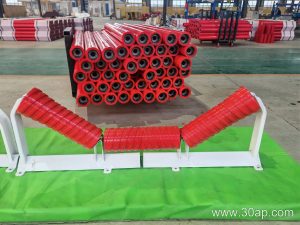
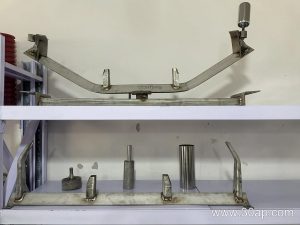
A carrying trough idler is the upper idler assembly that supports the loaded side of a conveyor belt and shapes it into a trough. Three-roll troughing sets are the most common arrangement on bulk handling lines, and the trough angle keeps material centred as the belt travels. In a quarry or a sand and gravel plant, this idler group carries the weight of rock and aggregate directly, so its rolls, shaft and bearings need to match the duty rather than simply the belt width.
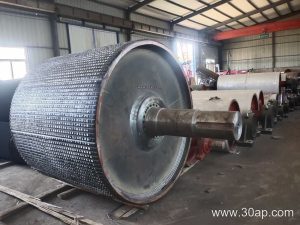
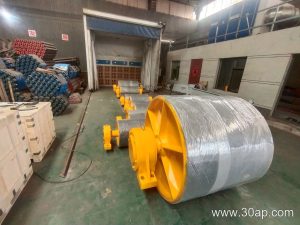
The assembly works together with the conveyor belt, the conveyor pulley at the head and tail, and the conveyor bracket that fixes each set to the frame. A poorly matched troughing set shows up quickly as belt wander, spillage or premature roll failure.
Construction and Roll Options
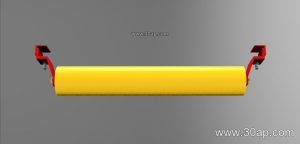
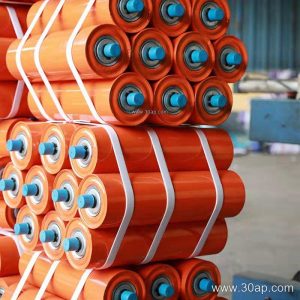
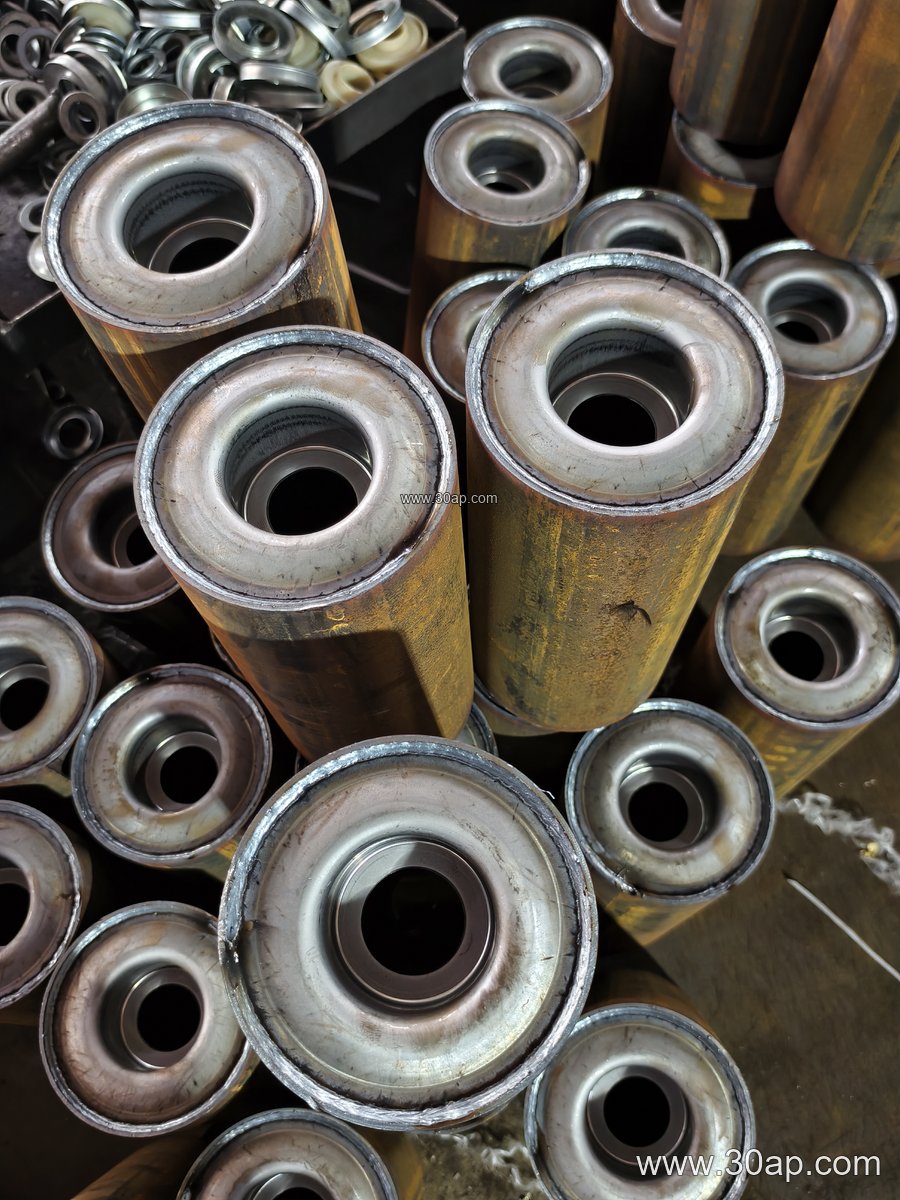
A typical carrying idler uses a steel tube shell, a through shaft, sealed ball bearings and a pressed or cast bearing housing. Roll surfaces vary by application: plain steel for general service, nylon for reduced weight and noise, ceramic lagging where sticky material builds up, and rubber rings where impact is severe. Bearing sizes commonly include 6204, 6205, 6305, 6306, 6308 and 6310; the correct bearing depends on load and roll diameter, not on belt width alone.
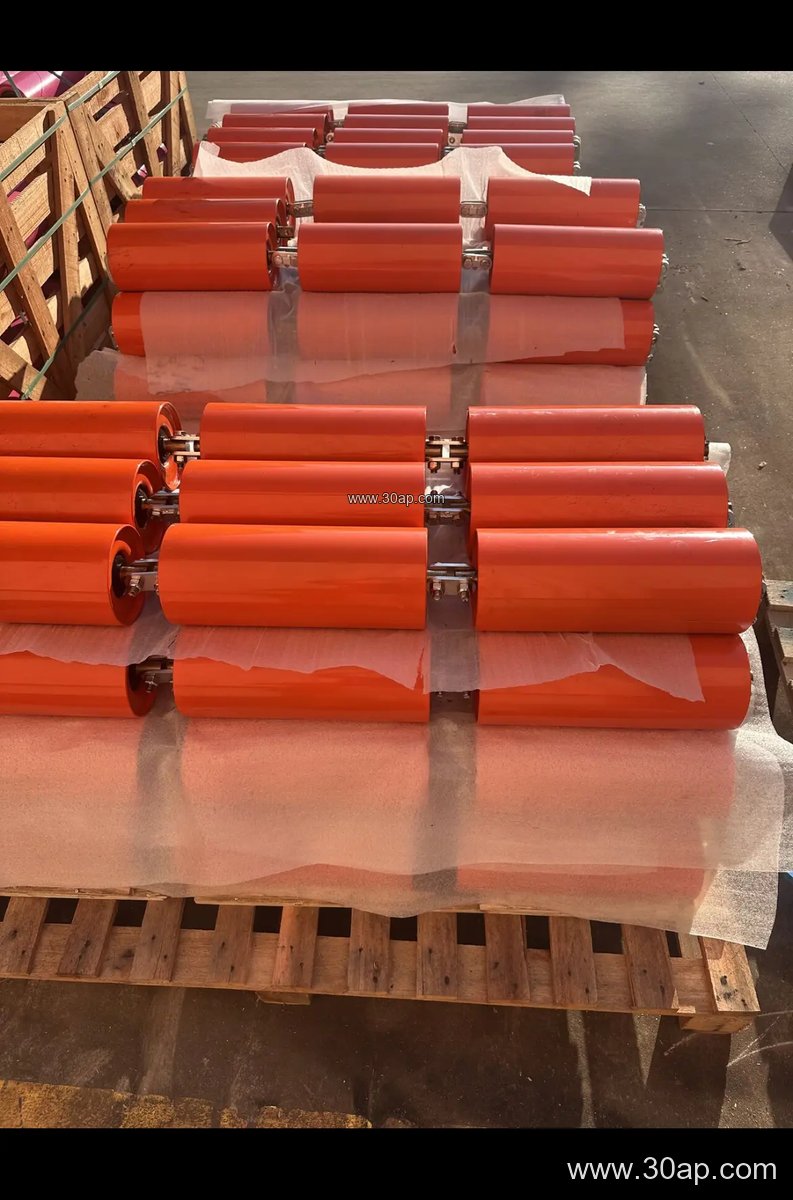
- Roll diameter options commonly range from Ø63 to Ø219 mm
- Trough angles are usually 20, 30, 35 or 45 degrees
- Sets may be single-roll, two-roll or three-roll troughing
- Forward tilt of about 1.5 to 2 degrees is used on some training arrangements
Roll length follows belt width, trough angle and set form. For reference, a three-roll troughing set might use rolls around 200 mm for B500, 250 mm for B650, 315 mm for B800, 380 mm for B1000, 465 mm for B1200, 530 mm for B1400 and 600 mm for B1600. These are common examples only; side rolls and centre rolls can differ, and final dimensions are set by design.
Where Carrying Idlers Are Used
In a coal washing plant or a power station coal yard, troughing idlers handle a steady stream of fuel and must resist abrasion and, in some cases, flame spread. In a limestone quarry or crushing and screening circuit, impact at the load point is the main concern, and rubber-ring impact idlers are often placed just after the feed chute before standard troughing sets take over. Cement plants and steel sinter lines use similar arrangements where dust and heat shorten bearing life.
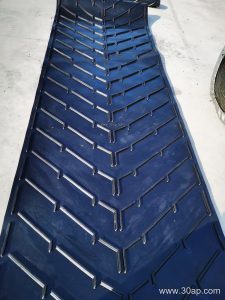
The belt itself matters too. A heavy-duty mining conveyor belt or an abrasion resistant conveyor belt tracks differently from a lightweight fabric core belt, and troughing geometry should suit the belt’s stiffness. Where a pipe conveyor belt or corrugated sidewall belt is used, the idler layout is a different design question entirely.
Specification Reference
The table below groups typical reference values. Treat them as starting points for discussion with a supplier, not as fixed combinations.
| Parameter | Common Reference Values |
|---|---|
| Roll diameter | Ø63, Ø76, Ø89, Ø102, Ø108, Ø127, Ø133, Ø159, Ø178, Ø194, Ø219 mm |
| Belt width | B400, B500, B650, B800, B1000, B1200, B1400, B1600, B1800, B2000, B2200, B2400 |
| Trough angle | 20°, 30°, 35°, 45° |
| Roll surface | Steel tube, nylon, ceramic, rubber ring |
| Bearing | 6204, 6205, 6305, 6306, 6308, 6310 |
Buyer Checklist
Before ordering, confirm the belt width, the trough angle and the number of rolls per set. Check the material being carried: an oil resistant conveyor belt or heat resistant conveyor belt may call for different roll surfaces and clearances. Ask about sealing because fine dust from a crusher or a coal handling system is the usual cause of seized bearings. Confirm the shaft end fixing matches the existing conveyor bracket, and verify that the roll diameter suits the belt speed and load.
Spare parts planning also helps. Keeping a small stock of complete troughing sets, rather than individual rolls, reduces downtime on a busy aggregate line. Finally, compare the proposed carrying trough idler with the return idlers on the same conveyor; they serve different duties and should not be swapped.