What Makes an Extra-Wide Conveyor Belt Different
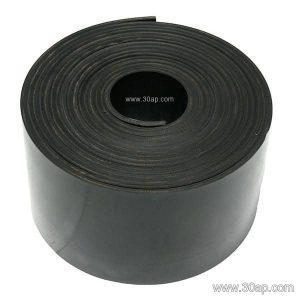
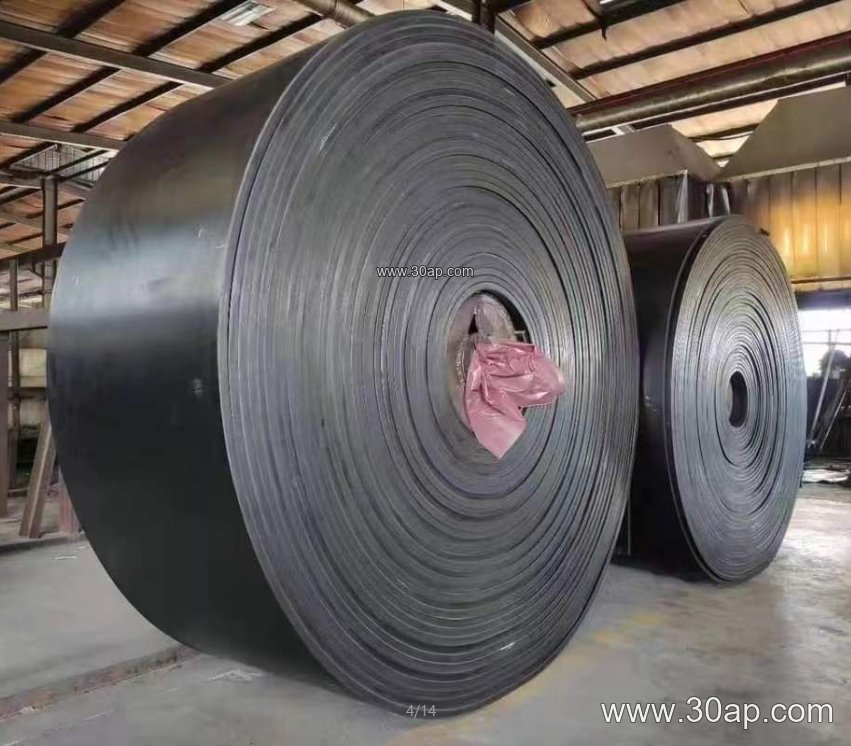
An extra-wide conveyor belt is a heavy-duty belt built with a unusually large width, typically beyond the common 1200 mm or 1400 mm range, to handle high volumes of bulk material in a single pass. In mining, coal preparation, cement plants, power stations, and large quarry operations, these belts reduce the number of transfer points and allow wider, more stable material beds. The product is also known as a wide conveyor belt, and the two terms describe the same category: a fabric or steel-cord belt engineered for wide-belt conveyor systems.
Widths such as 1600 mm, 1800 mm, 2000 mm, and 2200 mm are common in heavy-duty installations, while 2400 mm and above appear in special projects. The belt must match the conveyor frame, pulley face, and idler roller spacing, so the width is always selected together with the whole conveyor design, not as a stand-alone figure.
Construction and Material Options
Most extra-wide belts use either a fabric core or a steel cord core. Fabric-core versions include EP conveyor belt (polyester-nylon) and NN conveyor belt (nylon-nylon), often supplied as a multi-ply fabric core conveyor belt with 2 to 6 plies. Steel cord conveyor belt is chosen when tensile strength and low elongation matter, for example on long overland lines or high-tonnage primary crushing circuits.
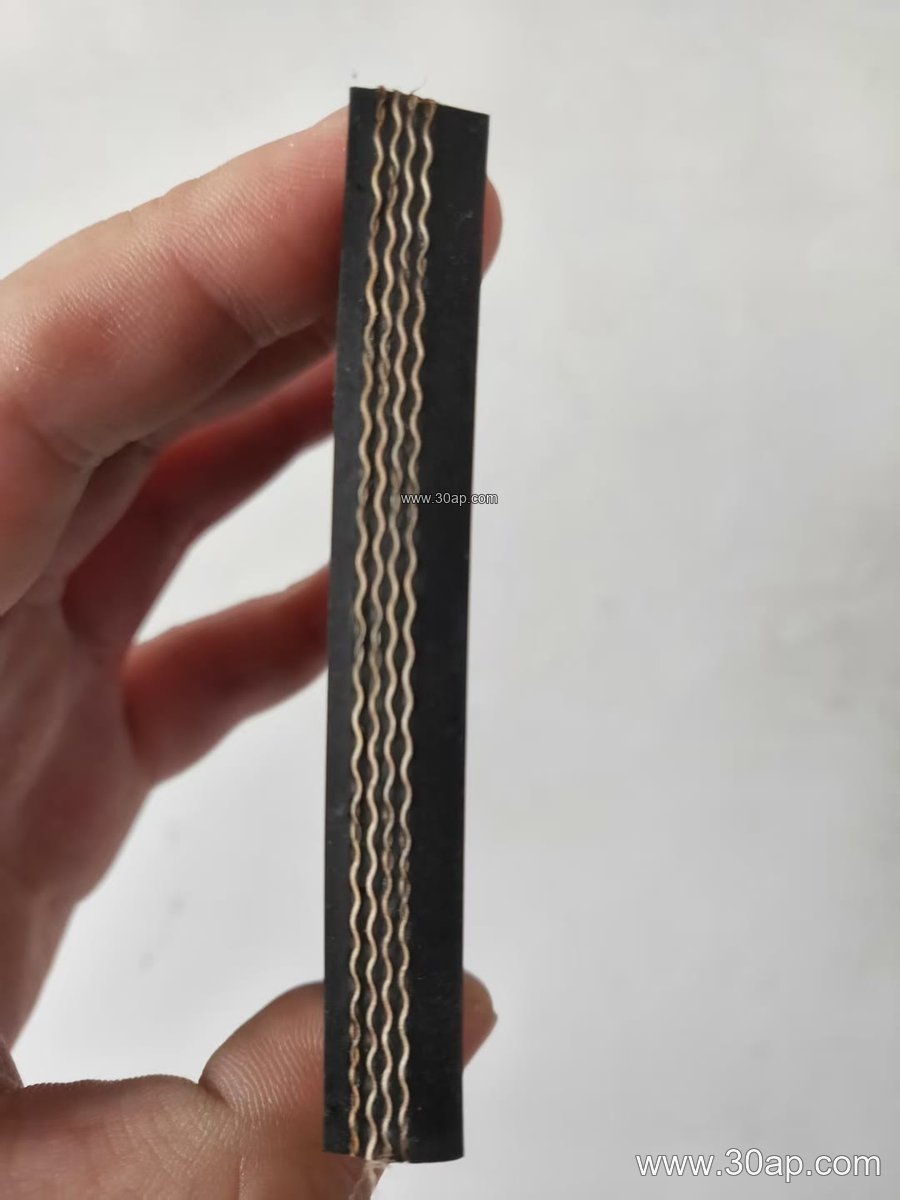
Cover compounds are matched to the cargo and the environment. Abrasion resistant conveyor belt handles crushed rock and aggregate; heat resistant conveyor belt suits cement clinker and sinter; flame retardant conveyor belt and fire resistant conveyor belt are specified for coal mining conveyor belt and underground coal mining conveyor belt applications; oil resistant conveyor belt and chemical resistant conveyor belt cover oily or aggressive loads. Cold resistant and anti-static grades are available for cold climates and dusty, explosive-risk areas. Food grade conveyor belt is a separate line for hygienic duties.
Typical Specifications at a Glance
The table below shows common reference values for extra-wide belts. Actual values are confirmed by the belt manufacturer and the conveyor designer.
| Property | Common reference range |
|---|---|
| Belt width | 1600 mm, 1800 mm, 2000 mm, 2200 mm, 2400 mm |
| Fabric core grades | EP200, EP315, EP400, EP500, EP630, EP800, EP1000, EP1250 |
| Steel cord grades | ST1000, ST1250, ST1600, ST2000, ST2500 |
| Number of fabric plies | 2 to 6, depending on strength class |
| Cover thickness (top + bottom) | 4+2 mm, 5+2 mm, 6+2 mm, 8+3 mm |
| Special constructions | Chevron conveyor belt, skirted conveyor belt, corrugated sidewall conveyor belt |
For example, an EP1000 1800mm conveyor belt may be used in a cement plant transfer house, while an EP1250 2000mm belt might appear in a large quarry. These are illustrative combinations; belt width and strength class are always matched to the calculated tension and load.
Where Extra-Wide Belts Are Used
Wide belts are common in primary crushing and screening plants, where a rock conveyor belt or crusher conveyor belt must accept a broad, uncontrolled feed. In coal mining, a flame retardant conveyor belt with anti-static properties is typical for underground mining conveyor belt duties. Power plants use heat resistant grades for coal and ash handling, and steel plants use heat and abrasion resistant belts for sinter and coke. Ports and ship loading conveyors use wide belts to move bulk material conveyor belt loads at high rate. Sand making plants, stone crushing lines, and recycling facilities also benefit when a single wide belt replaces two narrower units.
Selection and Maintenance Notes for Buyers
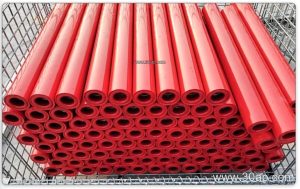
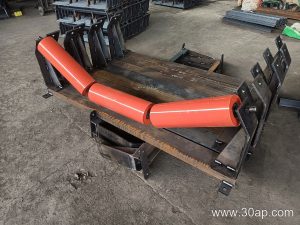
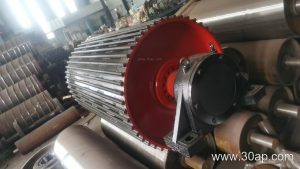
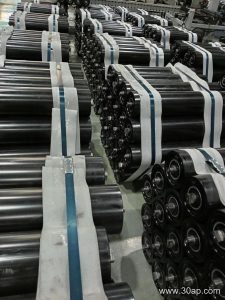
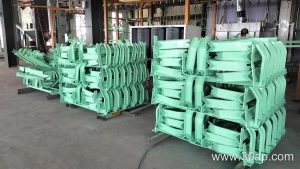
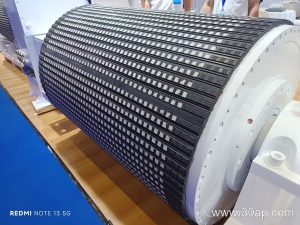
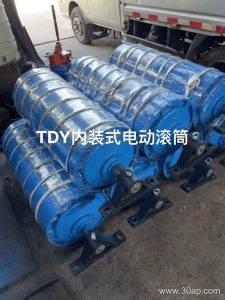
Buyers should confirm the belt width against the pulley face width and the conveyor frame, and check that the idler roller and conveyor pulley supplied by the conveyor maker match the belt load. A wider belt does not automatically require a larger pulley diameter, and shaft size is determined by the pulley design, not by belt width alone. The conveyor bracket and take-up arrangement must also suit the extra width.
Ask for the cover grade, ply count, and tensile strength in writing. For steep inclines, a chevron conveyor belt or corrugated sidewall conveyor belt may be a better fit than a plain wide belt. During operation, check belt tracking, edge wear, and splice condition regularly; wide belts are less tolerant of misalignment. Keep spare idler rollers and pulley lagging on hand to avoid long downtime. A properly specified extra-wide conveyor belt will deliver steady throughput in mines, cement works, power stations, and aggregate plants for many years.