What a 1500mm Conveyor Belt Is
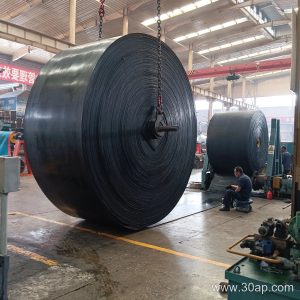
A 1500mm conveyor belt is a 1500mm wide conveyor belt — the same product described as a 1.5 m wide belt or a 1500mm wide conveyor belt. The width is the headline figure, but it is only one part of the specification. A belt this wide is usually chosen for high-volume bulk handling, where a narrower belt would need to run faster or be duplicated to carry the same tonnage. It is common in mines, coal preparation plants, cement works, power stations, ports, and large sand and aggregate yards.
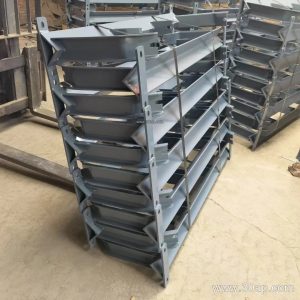
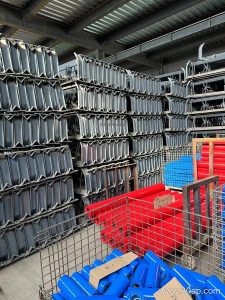
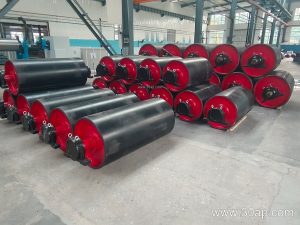
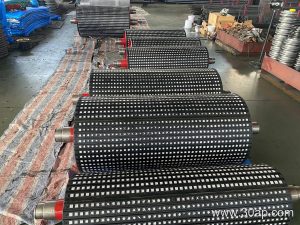
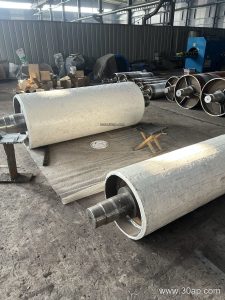
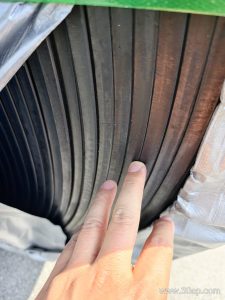
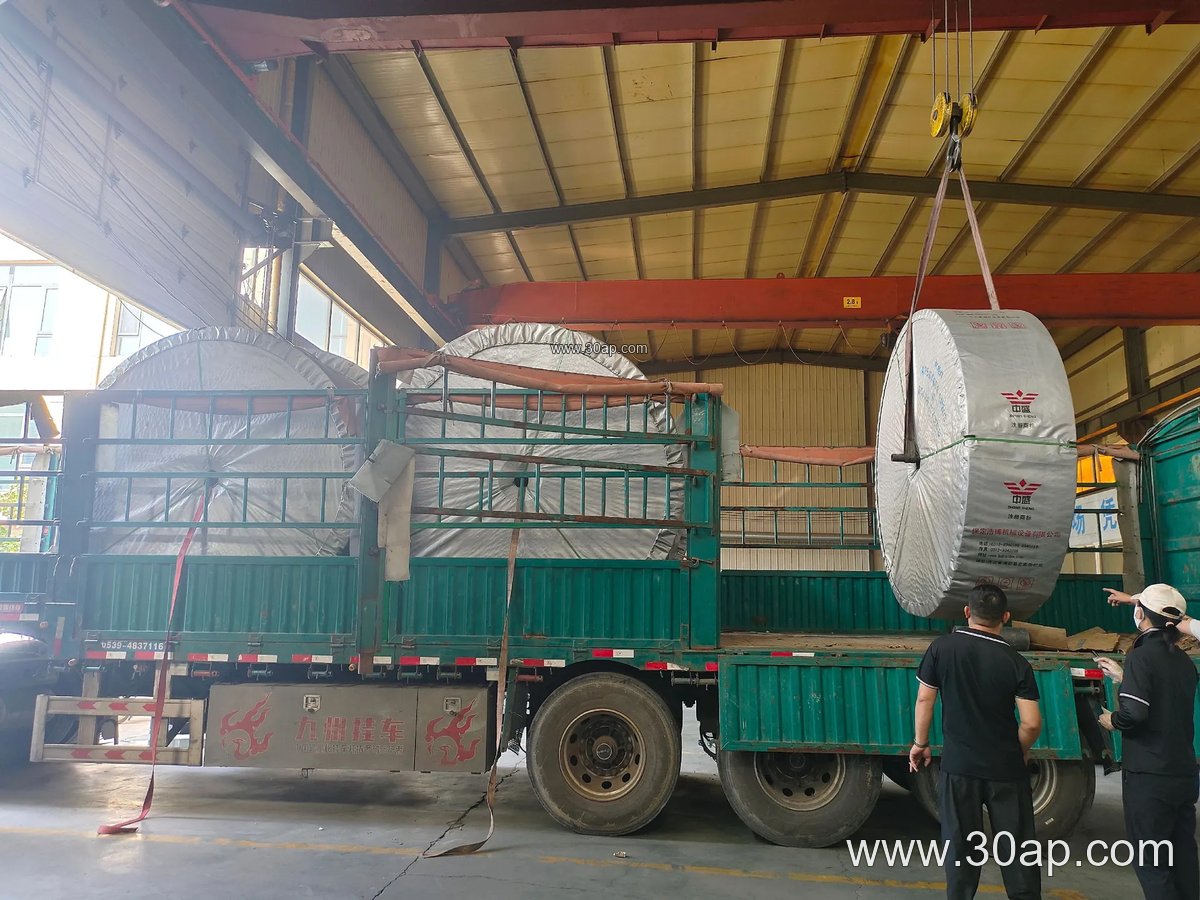
Because of its width, the belt needs compatible conveyor structure. The conveyor pulley, idler roller, and conveyor bracket must be sized for the load, and the whole conveyor frame must be stiff enough to keep the belt tracking properly. The belt itself is supplied as an open length for splicing or, where handling permits, as an endless conveyor belt.
Construction and Common Specifications
Most belts at this width are fabric-cored or steel-cord reinforced. Fabric constructions include EP conveyor belt (polyester warp, nylon weft) and NN conveyor belt (nylon warp and weft). Steel cord conveyor belt is used where very high strength and low stretch are needed over long distances. Cover rubber grade is chosen for the duty: abrasion resistant conveyor belt for crushed rock, heat resistant conveyor belt for clinker and sinter, flame retardant conveyor belt and anti-static conveyor belt for underground coal mining, and oil resistant conveyor belt for oily feedstock.
The table below lists typical reference values. They are not fixed combinations and should be confirmed with the belt manufacturer for each project.
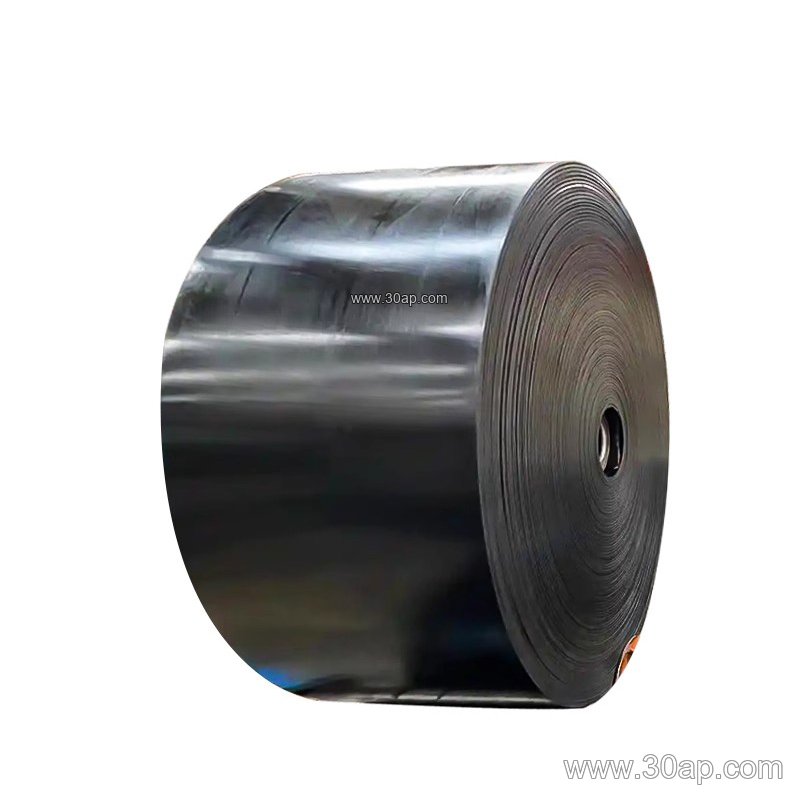
- Width: 1500mm (B1500)
- Fabric core types: EP or NN, usually 2 to 6 plies
- EP strength grades: EP200, EP315, EP400, EP500, EP630, EP800, EP1000, EP1250
- Steel cord grades: ST1000, ST1250, ST1600, ST2000
- Cover thickness examples: 4+2 mm, 5+2 mm, 6+2 mm, 8+3 mm
- Special forms: chevron conveyor belt, corrugated sidewall conveyor belt, skirted conveyor belt
Where It Fits in the Plant
In a crushing circuit, a 1500mm belt often sits on the main discharge from the primary crusher, where lump size and impact are significant. An impact resistant conveyor belt or a heavy-duty conveyor belt with thicker top cover is a sensible choice there. In a coal mining conveyor belt system, flame retardant and anti-static properties are usually required, and PVG conveyor belt is widely used underground. On the surface, a quarry conveyor belt or aggregate conveyor belt may use EP or steel cord construction depending on length and lift.
Wider belts also appear at ship loading and port terminals, and in cement plants carrying clinker or raw meal. In these duties, a heat resistant conveyor belt or an abrasion resistant conveyor belt protects the carcass from rapid wear.
Selection Points for Buyers
Do not choose the belt from width alone. The belt tension, load, trough angle, and pulley diameters all interact. A 1500mm belt can run on a range of pulley sizes depending on the carcass and the conveyor design, so the pulley diameter should come from the conveyor calculation, not from the belt width. The same applies to shaft sizes and idler spacing. Ask the belt supplier for the recommended minimum pulley diameter for the selected carcass.
Other points worth checking:
- Required tensile strength per unit width and the safety factor used in the design.
- Cover grade and thickness for the actual material — wet, abrasive, hot, or oily.
- Splice method: vulcanized splice is usual for high-tension belts; mechanical fasteners suit some short or temporary installations.
- Belt tracking: wide belts need accurate idler alignment and adequate take-up travel.
- Environmental conditions such as cold, chemicals, or fire risk, which may call for cold resistant, acid resistant, or flame retardant grades.
Installation and Maintenance Notes
Store the belt on a dry, flat surface and avoid sharp bends. During installation, keep the belt clean and align the splice carefully; a skewed splice on a 1500mm belt causes persistent mistracking. Check the conveyor pulley lagging and the idler roller condition regularly, since worn idlers can damage a wide belt along one edge. Maintain the conveyor bracket and frame bolts so the structure stays square. Record cover wear and inspect the carcass at the splice, especially in high-abrasion service such as iron ore, copper ore, or gold mining operations.
Where the duty changes, for example from dry aggregate to wet, sticky material, review the belt grade rather than simply replacing with the same item. A skirted conveyor belt or corrugated sidewall conveyor belt may solve material spillage on steep sections better than a plain belt with higher cleats.