What the EP1250 Conveyor Belt Is
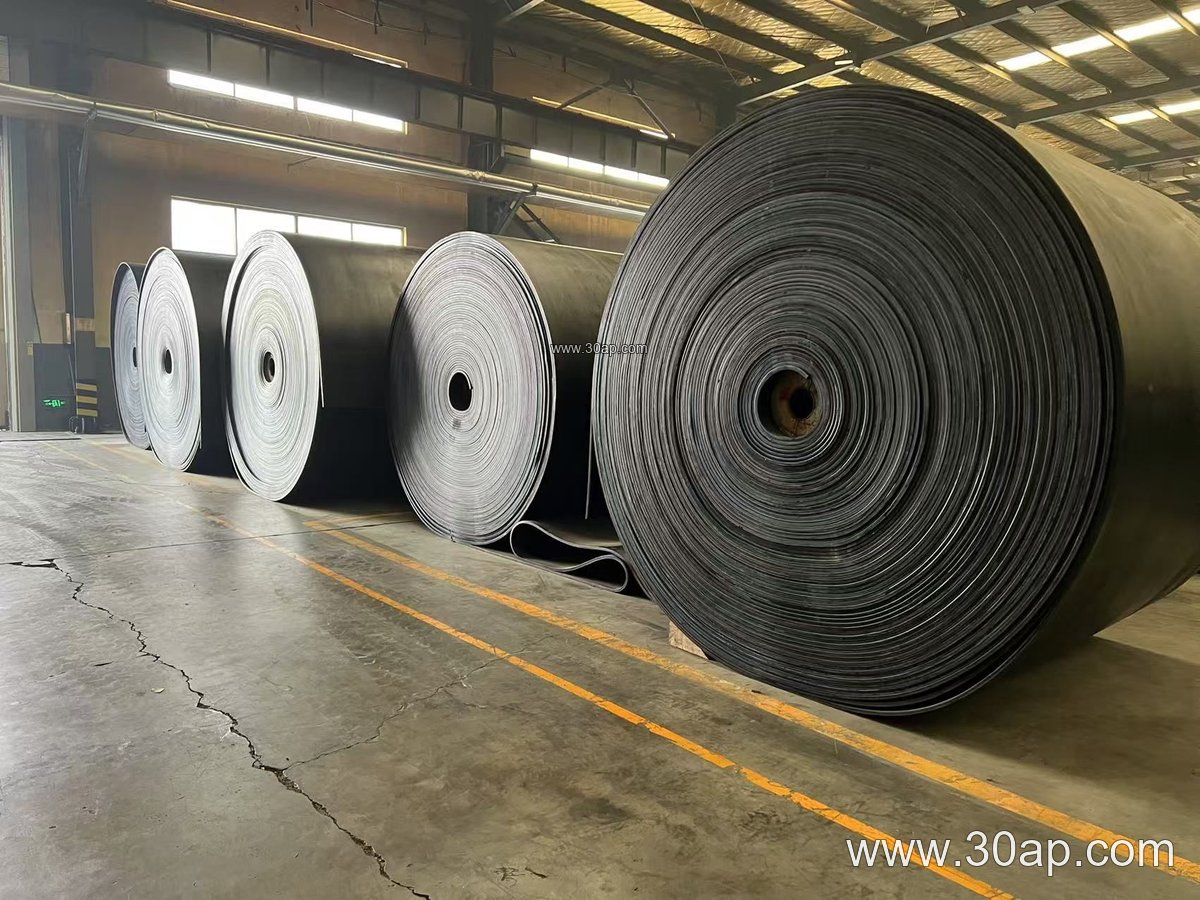
The EP1250 Conveyor Belt is a multi-ply fabric core belt built around polyester (E) and polyamide/nylon (P) warp and weft yarns. The designation EP1250 refers to the belt’s nominal tensile strength grade, commonly expressed as 1250 N/mm per ply for the fabric construction. In practical terms, it sits in the upper-middle range of the EP family, above EP1000 and below EP1600, which makes it a frequent choice for main haulage lines where abrasion, impact and long center distances all matter.
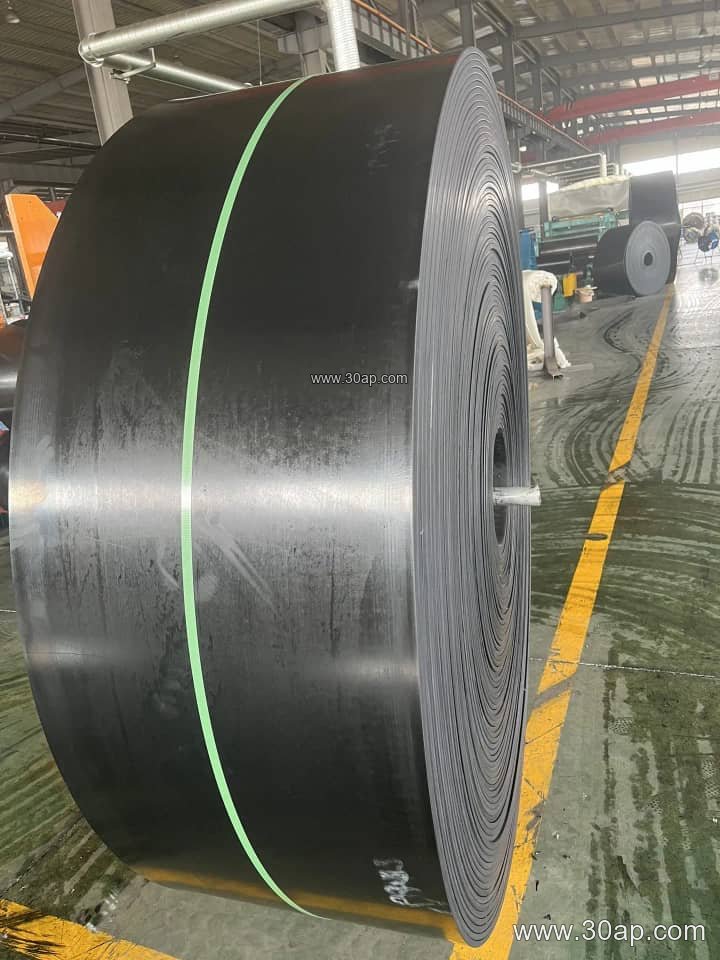
Because the carcass is a fabric core rather than steel cord, this belt offers good flexibility, reasonable troughability and easier splicing than a comparably rated steel cord belt. It is often supplied as an EP rubber conveyor belt with rubber covers on both the carrying and pulley sides, and buyers may also see it listed as an EP Fabric Core Conveyor Belt. These are the same product family under different naming conventions.
Construction and Typical Specifications
The carcass usually consists of two to six plies of EP fabric, bonded with rubber and protected by top and bottom covers. Cover thickness and rubber grade are chosen according to the duty: a standard abrasion resistant conveyor belt for sand and gravel, a heat resistant conveyor belt for clinker or sinter, a flame retardant conveyor belt for underground coal mining, or an oil resistant conveyor belt where lubricants or oily feedstock are present.
The table below shows common reference values. Actual figures are confirmed by the manufacturer and by the conveyor design, and they are not universal supply commitments.
| Parameter | Common reference range |
|---|---|
| Strength grade | EP1250 (approx. 1250 N/mm per ply) |
| Number of plies | 2 to 6, often 3 to 5 for this grade |
| Belt width | B500, B650, B800, B1000, B1200, B1400, B1600, B1800, B2000 |
| Cover thickness | 3+1.5, 4+2, 5+2, 6+2, 8+3 mm |
| Surface options | Plain, chevron, corrugated sidewall, skirted |
| Special grades | Abrasion, heat, oil, flame, cold, anti-static |
A belt width such as 1200 mm or 1400 mm does not dictate one pulley diameter; pulley sizing depends on the belt’s rated tension, ply count, cover thickness and the conveyor’s service factor. Shaft diameter is likewise a pulley design decision, not something inferred from belt width alone.
Where It Fits in the Plant
The EP1250 grade is commonly seen in mines, quarries, cement plants, power plants, steel works, ports and sand and gravel yards. It handles bulk material conveyor belt duties such as crushed rock, ore, clinker, coal, aggregate and sinter. In a quarry conveyor belt line it may run from the crusher discharge to the screening tower; in a coal mining conveyor belt system it can serve as a main gate or panel belt when flame resistance is required. A copper ore conveyor belt or iron ore conveyor belt duty usually calls for a high abrasion resistant conveyor belt cover, while a cement plant conveyor belt moving hot clinker needs heat resistance.
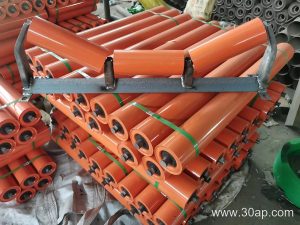
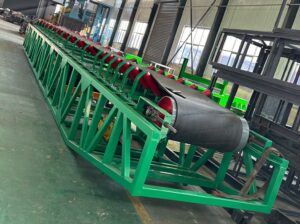
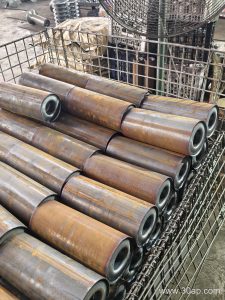
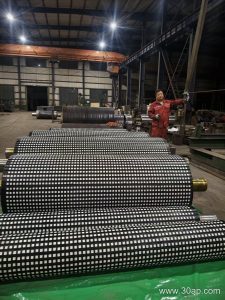
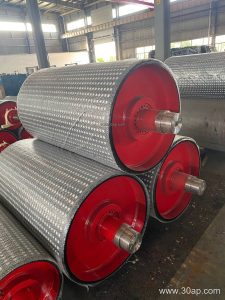
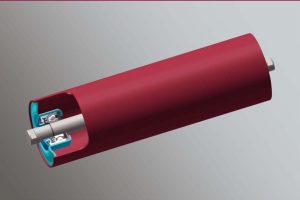
The belt works together with conveyor pulleys, idler rollers and conveyor brackets. Drive, tail and bend pulleys each have a distinct role and are not interchangeable; the drive pulley transmits torque, the tail pulley returns the belt, and bend pulleys guide the path. Idler rollers support the belt on the carrying and return sides, and the bracket type affects alignment and maintenance access. Getting these components right protects the belt carcass and extends service life.
Choosing Between EP1250 and Other Grades
For lighter duty, an EP630 Conveyor Belt or EP800 Conveyor Belt may be sufficient. Where tension rises beyond the practical EP range, a steel cord conveyor belt such as ST1250 or ST1600 becomes relevant. NN conveyor belts are another fabric option, but their elongation behavior differs from EP and should be checked against take-up travel. Where the route needs steep inclines, a chevron conveyor belt or corrugated sidewall conveyor belt helps contain material; where dust and spillage are concerns, a skirted conveyor belt may be preferred. These are comparisons, not replacements for the EP1250 main subject.
Buyer Checklist
- Confirm the required strength grade, ply count and cover thickness against the conveyor’s calculated tension and duty.
- State the material being carried, lump size, temperature, oil or chemical exposure, and whether flame resistance is needed.
- Specify belt width, splice method (vulcanized or mechanical), and whether an endless conveyor belt is required.
- Check pulley diameters and idler spacing with the belt manufacturer, since these affect carcass fatigue.
- Plan storage, handling and splice equipment before delivery; long belts need proper rolls and lifting gear.
- Ask about cover rubber grade and any anti-static or fire resistant conveyor belt requirement for underground service.
For more on matching belts with pulleys and rollers, see the selection notes at www.cnbelt.com and www.cnconveyorbelt.com, where conveyor belt, idler roller and conveyor pulley data can be reviewed together. A well-matched EP1250 installation in a mine, cement plant or power plant will usually outlast a cheaper belt run beyond its design tension.