What a High Wear-Resistant Ceramic Pulley Is
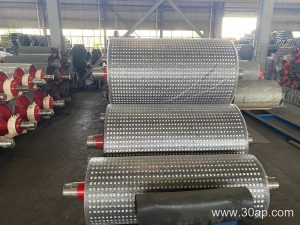
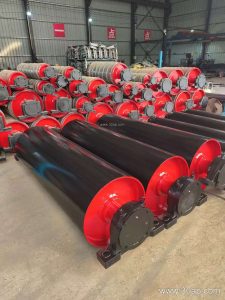
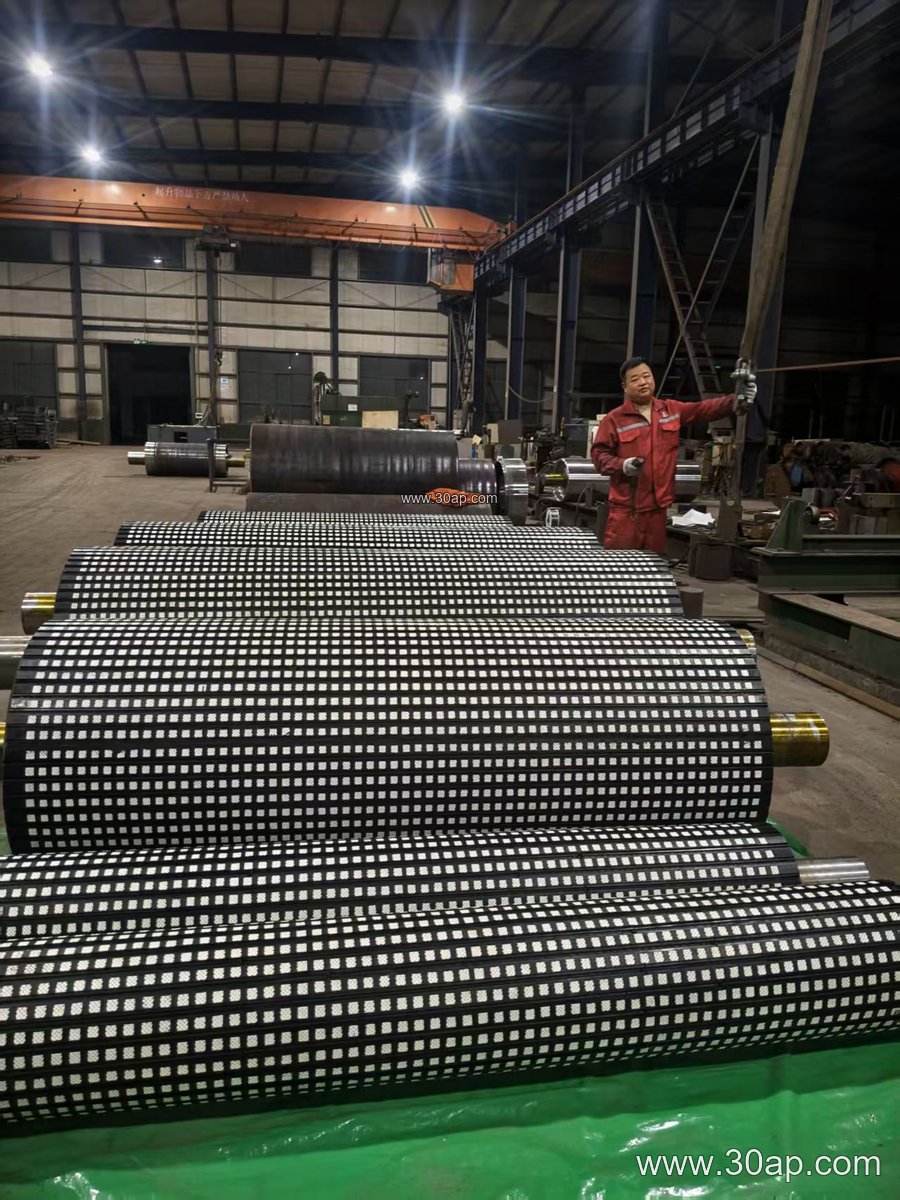
A high wear-resistant ceramic pulley is a conveyor pulley whose shell is protected by ceramic tiles bonded into a rubber or epoxy layer. The ceramic elements sit proud of the bonding surface and create a hard, grippy texture that resists abrasion from the belt and from carried material. In practice, this conveyor pulley is often specified where slip and shell wear occur together, such as the drive position on a heavily loaded incline. The same product is also known as a ceramic lagged pulley or ceramic-coated pulley, and those names describe the same item.
The ceramic layer is not a decoration. It changes how the pulley interacts with the belt: friction rises, tracking can improve, and the shell lasts longer under gritty conditions. That matters in a quarry, a cement plant, a power plant coal yard, or a sand and aggregate line where fines and moisture combine to attack ordinary rubber lagging.
How the Ceramic Surface Is Built
Most ceramic pulleys start with a carbon steel shell, machined and balanced, then fitted with a lagging layer. Ceramic tiles are embedded in that layer in a pattern, usually with small gaps between tiles so the rubber can flex and grip. Common surface forms include ceramic lagging with plain tiles for general grip and ceramic lagging with grooved or dimpled patterns for wet or muddy duty. Bonding quality matters more than tile thickness alone, because a poorly bonded tile can lift and damage the belt.
Belt cleaners and skirt rubber should be checked after installation, since a hard ceramic face wears steel scraper blades faster than plain rubber. The pulley itself usually needs no special maintenance beyond normal bearing checks, but the ceramic face should be inspected for missing tiles during scheduled shutdowns.
Where This Pulley Fits in the Conveyor
The high wear-resistant ceramic pulley is most often used as a drive pulley, where torque transmission depends on friction between shell and belt. It can also serve as a tail pulley in dusty return positions, or as a bend pulley where the belt wraps at an angle and slip would cause polishing and heat. Drive, tail and bend pulleys are not interchangeable duties, so the ceramic face should be selected for the specific position rather than treated as a universal upgrade.
For comparison, a plain bend pulley with rubber lagging may be adequate on a clean, low-tension run, while a ceramic-faced drive pulley earns its cost on a wet, abrasive incline. Mining conveyor belts, crusher conveyor belts and heavy-duty mining conveyor belts are typical partners for this pulley, and a flame retardant conveyor belt or abrasion resistant conveyor belt may run over the same shell depending on the site rules.
Common Size Combinations and Surface Options
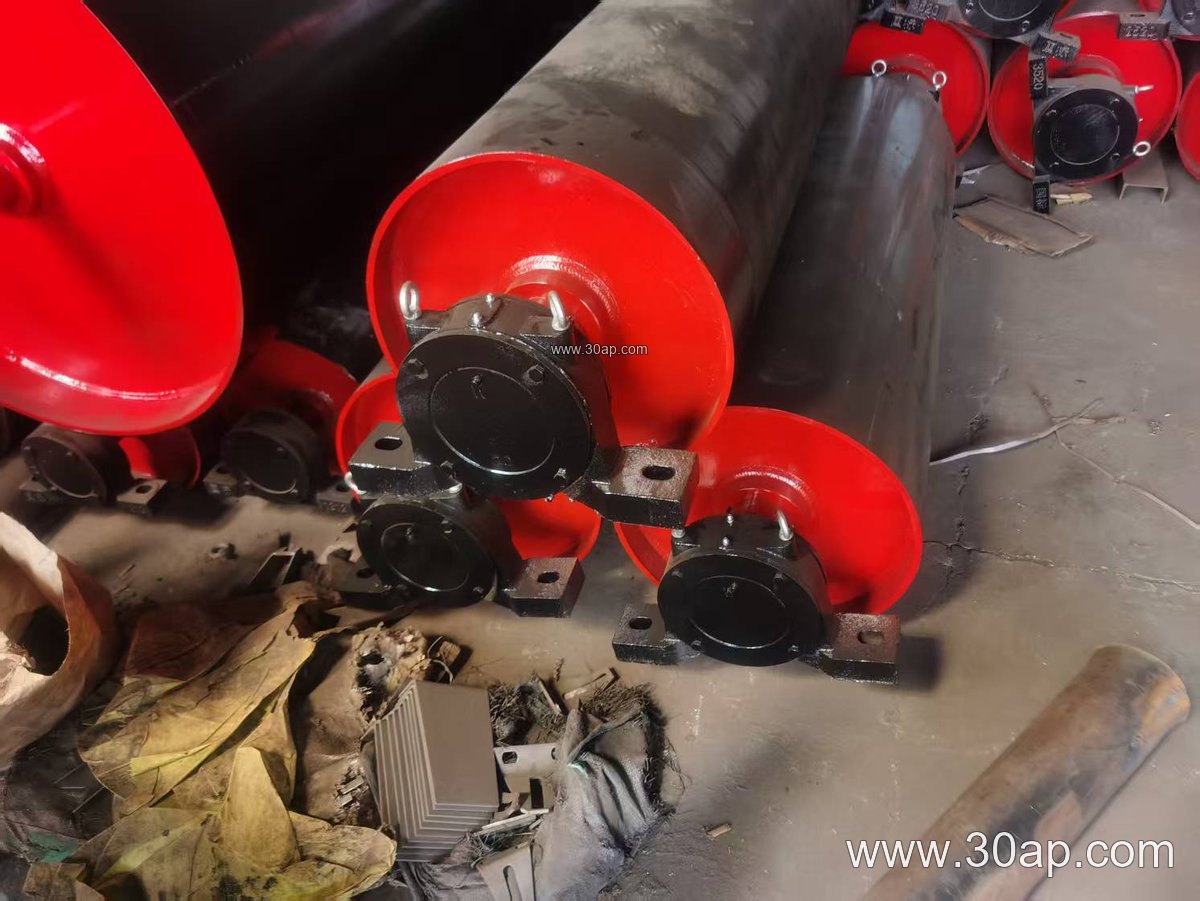
Dimensions are always set by the conveyor design, not by a single rule. The table below shows common reference combinations; final diameter, face width, shaft and lagging thickness are confirmed against belt tension, torque and load.
| Belt width reference | Typical pulley diameter | Typical face width | Lagging note |
|---|---|---|---|
| B500 | Ø250 to Ø400 | about 600 mm | ceramic tiles, 8 to 12 mm layer |
| B650 | Ø315 to Ø500 | about 750 mm | ceramic tiles, 10 to 15 mm layer |
| B800 | Ø400 to Ø630 | about 950 mm | ceramic tiles, 10 to 15 mm layer |
| B1000 | Ø500 to Ø800 | about 1150 mm | ceramic tiles, 12 to 20 mm layer |
| B1200 | Ø630 to Ø1000 | about 1400 mm | ceramic tiles, 12 to 20 mm layer |
| B1400 | Ø800 to Ø1250 | about 1600 mm | ceramic tiles, 15 to 20 mm layer |
| B1600 | Ø1000 to Ø1400 | about 1800 mm | ceramic tiles, 15 to 20 mm layer |
Shaft diameters such as Ø80, Ø100, Ø120 or Ø160 are chosen from torque and bearing load, not from belt width alone. A B1200 x Ø1000 ceramic drive pulley and a B800 x Ø500 ceramic tail pulley are both plausible, but they belong to different duty levels.
Buyer Checklist
- State the pulley position clearly: drive, tail, bend, take-up or snub.
- Give belt width, belt type and belt tension so the shell and shaft can be sized.
- Describe the material: wet fines, sharp rock, coal dust or clinker all change the lagging choice.
- Ask how the ceramic tiles are bonded and whether tiles are replaceable.
- Confirm face width, lagging thickness and balancing before dispatch.
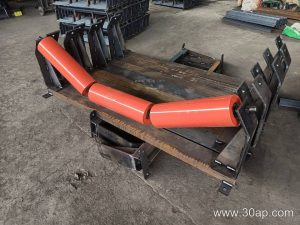
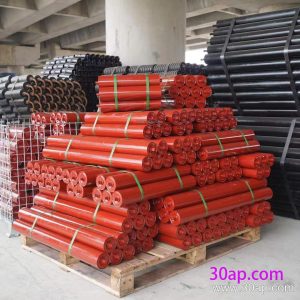
Pair the pulley with matching conveyor brackets and idler rollers, and check that the belt path is clear. For abrasive ore duties, an abrasion resistant conveyor belt or a steel cord conveyor belt may be running on the same conveyor, so the ceramic face should suit the belt cover rather than fight it.
Related Equipment and Further Reading
Ceramic pulleys work alongside conveyor belts, idler rollers, conveyor brackets and the wider conveyor pulley assembly. For belt selection, buyers often review rubber conveyor belt, EP conveyor belt, NN conveyor belt and fabric core conveyor belt options, or step up to steel cord conveyor belt for long runs. Our site covers these product families in more detail.