What a Ceramic Lagged Bend Pulley Does
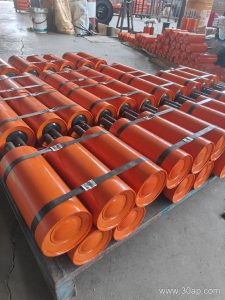
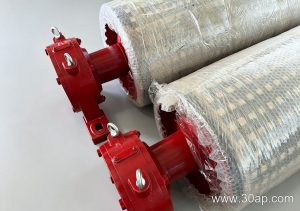
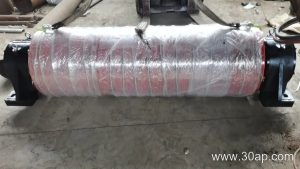
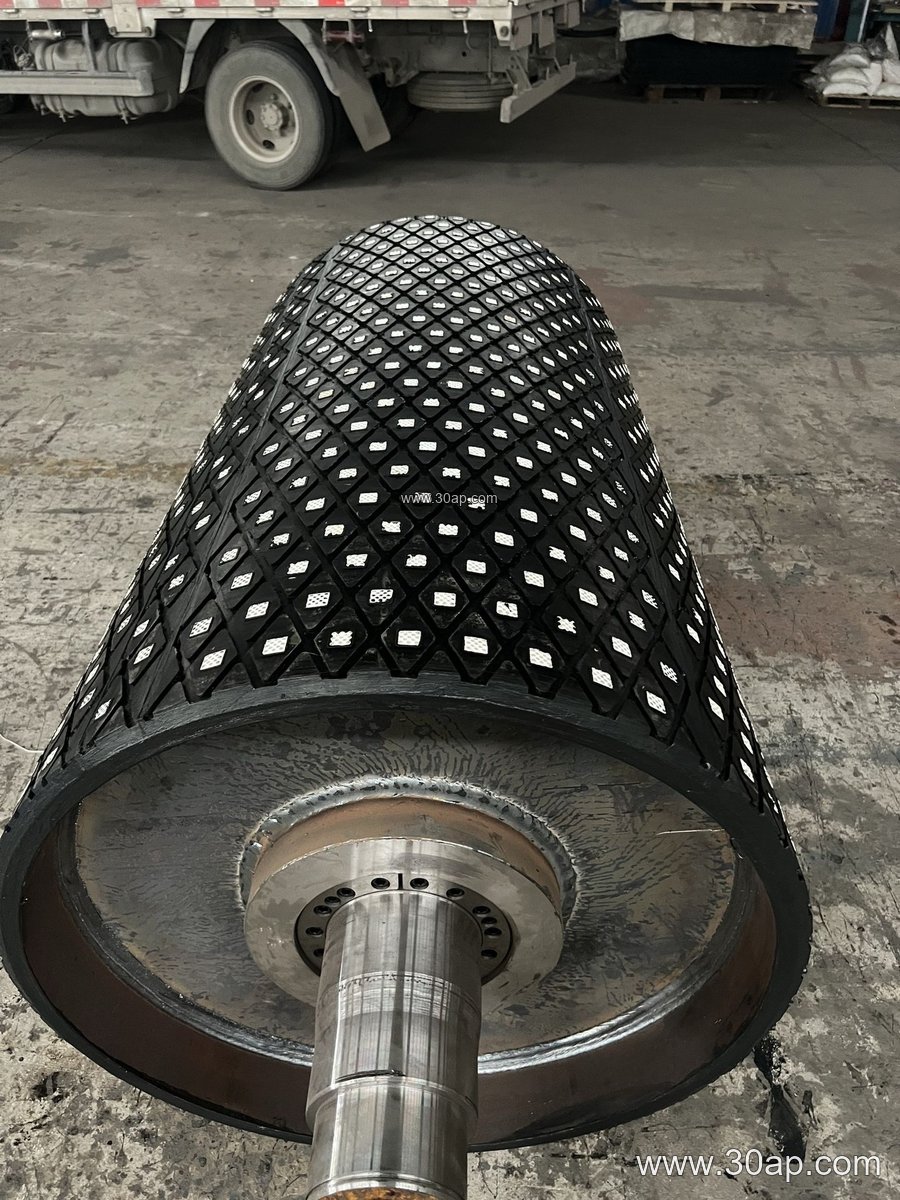
A ceramic lagged bend pulley is a direction-changing conveyor pulley whose shell is covered with ceramic tiles set in a rubber or epoxy matrix. It sits on the return run or at a transition point where the conveyor belt needs to change direction without driving the system. Unlike a drive pulley or a tail pulley, this bend pulley does not transmit main drive torque; its job is to guide the belt, maintain wrap angle on other pulleys, and keep the return strand aligned. In quarry, cement, and power plant belt systems, this ceramic-lagged redirect pulley is often chosen where sliding contact and fine abrasive dust would quickly wear a plain steel shell.
Construction and Surface Details
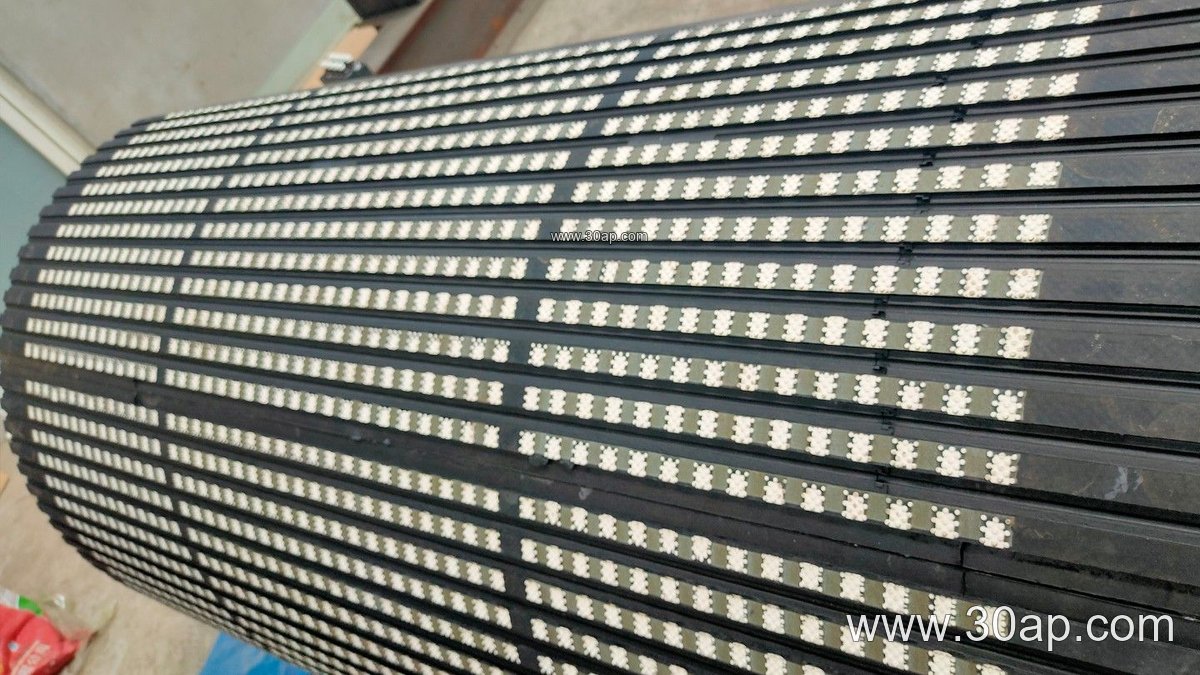
The pulley body is usually a welded steel drum with machined end discs and a shaft sized by torque and load, not by belt width alone. Common shaft diameters include Ø80, Ø100, Ø120, Ø140, and Ø160, with larger sizes for heavy-duty circuits. The ceramic lagging consists of small alumina tiles bonded to the drum surface in a pattern that leaves drainage channels between them. This surface form improves grip on the return side and resists grooving from grit. Typical lagging thickness ranges from 8 mm to 20 mm, and the tile pattern can be flat or slightly profiled depending on the application.
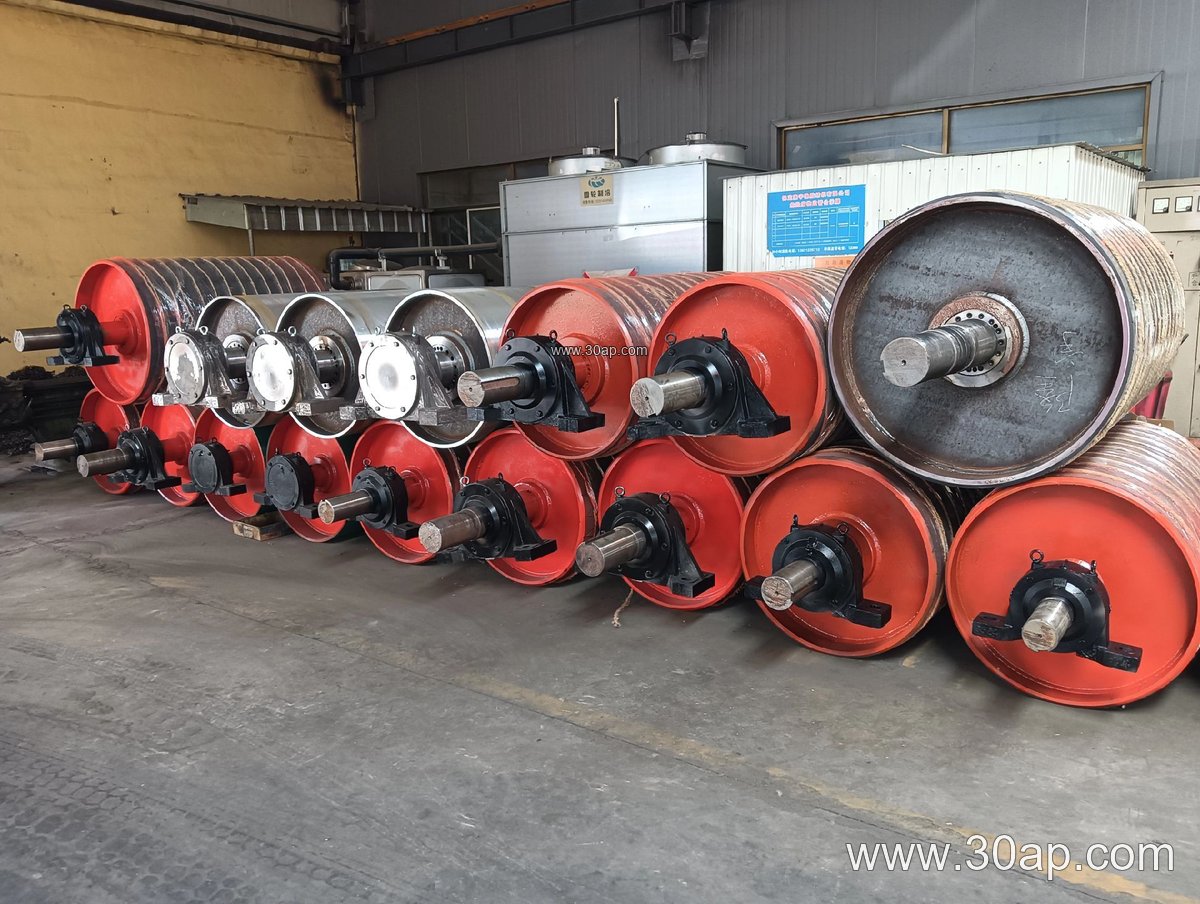
Common dimensional references
The table below shows typical combinations seen in bulk material handling; final dimensions are confirmed by design.
| Belt width | Pulley face width (approx.) | Common diameter range |
|---|---|---|
| B500 | 600 mm | Ø250 – Ø400 |
| B650 | 750 mm | Ø315 – Ø500 |
| B800 | 950 mm | Ø400 – Ø630 |
| B1000 | 1150 mm | Ø500 – Ø800 |
| B1200 | 1400 mm | Ø630 – Ø1000 |
| B1400 | 1600 mm | Ø800 – Ø1250 |
These are reference ranges, not fixed pairings. A B1200 system may use a Ø1000 bend pulley in one plant and a Ø800 in another, depending on wrap angle and space.
Where It Fits in the Conveyor Layout
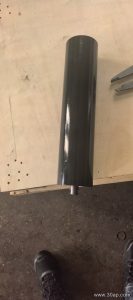
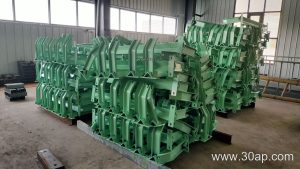
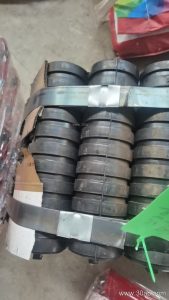
Ceramic lagged bend pulleys are common in limestone quarries, coal washing plants, and cement clinker lines. They are frequently installed after the head pulley on the return strand, or before the tail pulley to increase belt wrap on a drive pulley. In a typical aggregate conveyor, a bend pulley works with the conveyor belt, idler rollers, and conveyor brackets to keep the return run stable. Because the ceramic surface handles abrasive fines better than plain rubber, it is also seen in iron ore and copper ore plants where dust is persistent. It is not a substitute for a drive pulley or a tail pulley; those positions have different load and traction requirements.
Buyer Checklist
- Confirm the pulley’s role: bend, take-up, or snub. Drive and tail pulleys are separate specifications.
- Match face width to belt width with sufficient margin; for example, B800 often uses about 950 mm face width.
- Specify shaft diameter from torque and bearing load, not from belt width alone.
- Choose lagging thickness and tile pattern for the abrasion level; 10–15 mm is common in moderately abrasive service.
- Check compatibility with the conveyor belt type, such as EP conveyor belt or steel cord conveyor belt, and with the idler roller spacing.
For abrasive bulk handling, a ceramic lagged bend pulley can extend service life compared with plain steel, but it must be sized correctly and maintained alongside the rest of the conveyor pulley assembly.