What a Parallel Idler Bracket Does
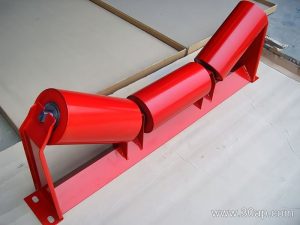
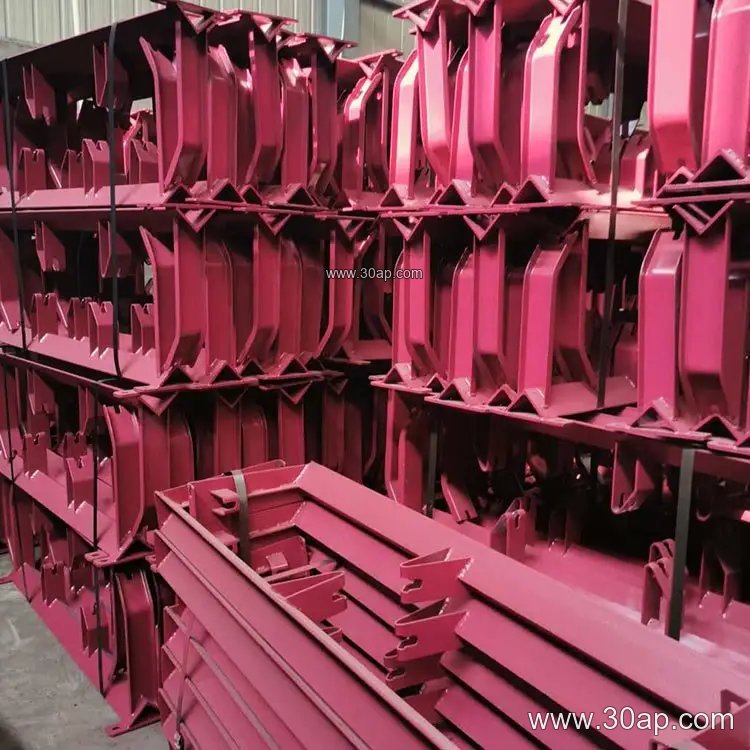
A parallel idler bracket is the structural component that holds the idler rollers in a fixed parallel orientation relative to the conveyor frame. Unlike angled troughing brackets that create a trough profile, this bracket keeps the idler axis horizontal and parallel to the belt surface. It is commonly used on the return side of a conveyor, where the belt needs flat support, and sometimes on the carrying side for specific flat-belt applications. The bracket itself is typically fabricated from angle steel, channel steel, or bent steel plate, and it mounts directly to the conveyor stringer or frame rail.
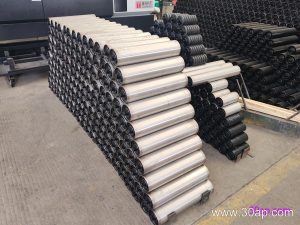
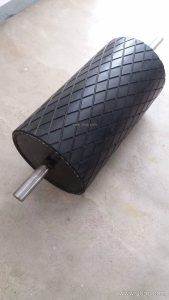
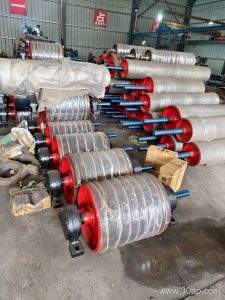
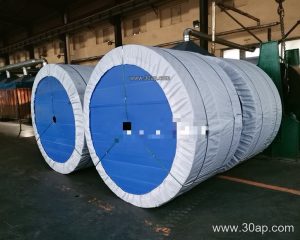
In a typical bulk material handling system, the parallel idler bracket works together with the conveyor belt, idler roller, and conveyor pulley to maintain belt stability. The bracket must be rigid enough to resist the load from the belt and material, yet simple enough to allow quick roller replacement during maintenance.
Construction and Mounting Details
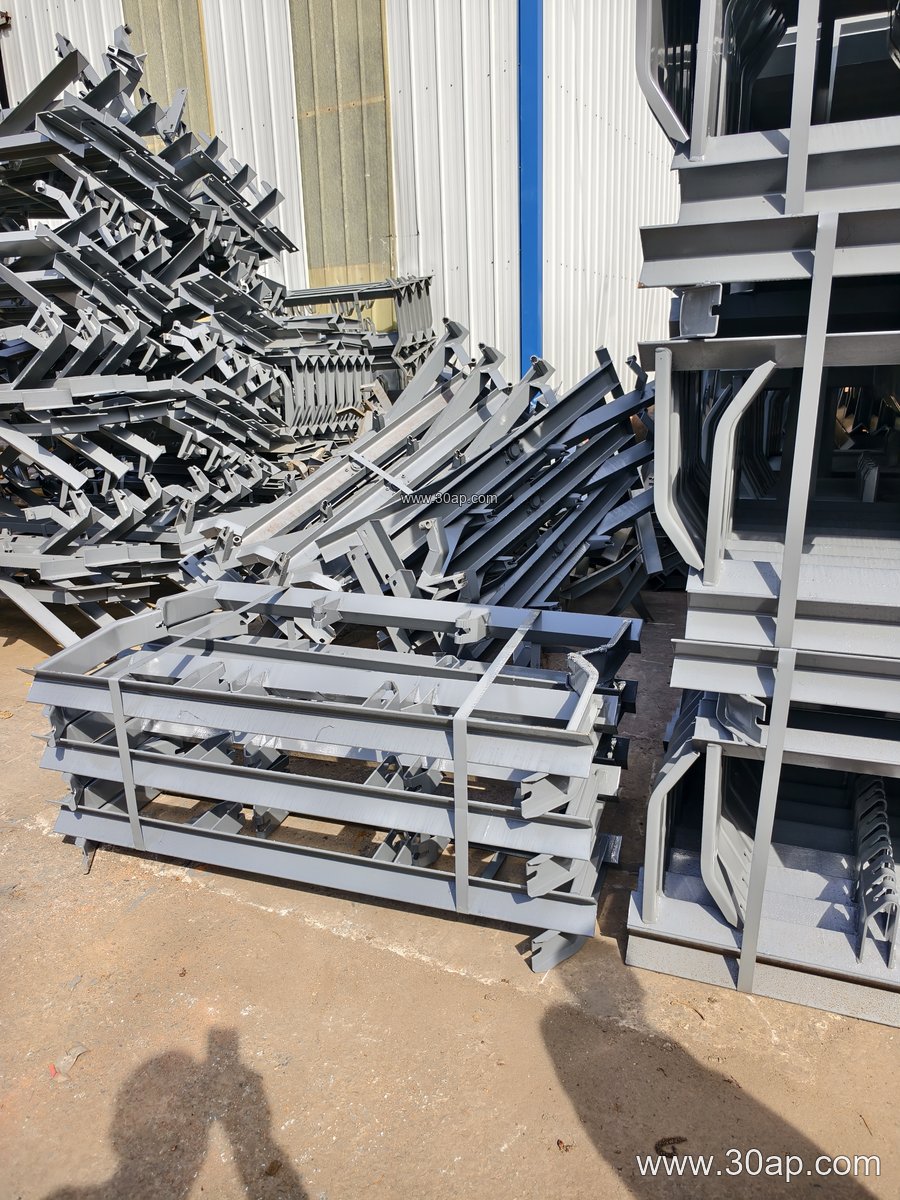
Most parallel idler brackets are made from welded steel components. The mounting slots or holes are positioned to match the conveyor frame spacing, and the bracket height is set so the idler roller sits at the correct elevation for proper belt contact. The design may include a single mounting position or an adjustable slot that allows fine-tuning of the roller height. For return-side applications, the bracket is often a simple flat plate or channel with a pair of hooks or slots that accept the idler shaft.
When selecting a parallel idler bracket, the belt width and idler diameter are key reference points. A bracket for a B800 belt with Ø108 idlers will have different dimensions from one designed for a B1200 belt with Ø133 idlers. However, these are not fixed combinations—the actual bracket dimensions depend on the conveyor design, frame type, and required clearance. Installation hole spacing and crossbeam length are determined by the belt width and trough angle (if any), and should always be confirmed against the conveyor manufacturer’s drawing.
Where Parallel Idler Brackets Are Used
These brackets are common in quarry conveyor lines, cement plant raw material handling, and power plant coal conveying systems. In a sand and gravel plant, parallel brackets support the return belt after the head pulley, helping to keep the belt tracking straight and reducing sag. In a coal mining conveyor, they may be used on the return run where a flat belt profile is acceptable. The bracket also appears in aggregate conveyor systems and bulk material conveyor lines that handle stone, ore, or other heavy loads.
For abrasive materials such as iron ore or copper ore, the bracket should be robust enough to handle vibration and occasional impact. In such cases, a heavy-duty parallel bracket made from thicker channel steel may be preferred. The choice of bracket material and thickness should match the overall conveyor duty level.
Selection and Compatibility Notes
When choosing a parallel idler bracket, consider the belt width, the idler roller diameter, and the mounting arrangement on the conveyor frame. Common belt widths include B500, B650, B800, B1000, B1200, B1400, B1600, B1800, B2000, B2200, but the bracket size must be matched to the specific frame design. Idler diameters such as Ø89, Ø108, Ø133, Ø159, and Ø194 are typical, and the bracket’s shaft slot must accommodate the chosen shaft size. Do not assume that a given belt width automatically dictates a particular idler diameter or bracket dimension—always verify with the conveyor layout.
Parallel brackets are often used alongside other bracket types such as troughing brackets, transition brackets, and V-return brackets, but each has its own function. A parallel bracket should not be substituted for a troughing bracket where a trough profile is required, nor should it replace a bend pulley or tail pulley. For conveyors using a rubber conveyor belt or an EP conveyor belt, the parallel bracket helps maintain a stable belt path on flat sections. In dusty or wet conditions, such as in a limestone mine or a coal washing plant, regular inspection of the bracket for corrosion or deformation is recommended.
Maintenance and Practical Tips
Check the parallel idler bracket periodically for loose bolts, bent mounting ears, or worn slots. A worn bracket can cause the idler roller to sit unevenly, leading to belt misalignment and edge damage. When replacing an idler roller, ensure the new roller fits the bracket slots correctly and that the bracket is clean and free of debris. For conveyors handling abrasive materials like quarry rock or sinter, consider using brackets with reinforced mounting points.
In summary, the parallel idler bracket is a straightforward but important component in conveyor support systems. Matching it correctly to the belt width, idler diameter, and frame design will help maintain smooth operation and reduce maintenance downtime.