What a 650mm Conveyor Belt Is
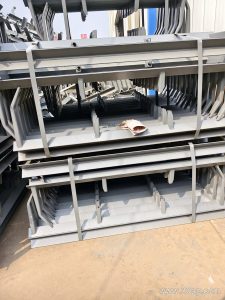
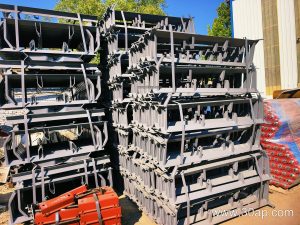
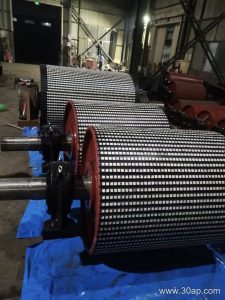
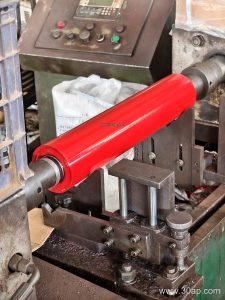
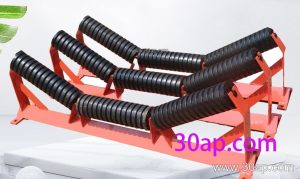
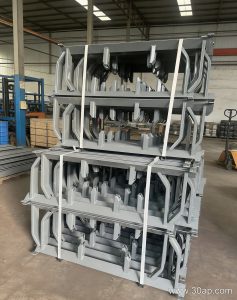
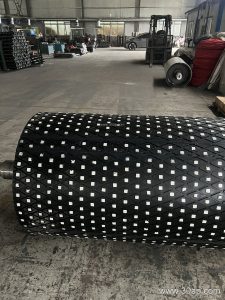
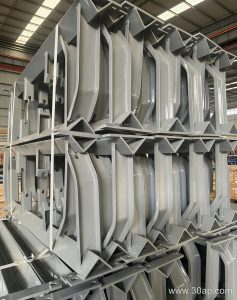
A 650mm conveyor belt is a belt with a nominal width of 650 mm, usually written as B650. It sits in the light-to-medium width range, above narrow 500 mm and 600 mm belts and below 800 mm and 1000 mm belts. This width is common on secondary and tertiary lines in mines, quarries, cement plants, power plants, and sand and gravel yards, where tonnage is moderate and space on the structure is limited. The belt is only one part of the machine: it runs over idler rollers, turns on a drive pulley and a tail pulley, and is held in line by conveyor brackets and frames.
Width alone does not define a belt. A 650mm conveyor belt can be built with different carcasses, cover grades, and surface forms, and each choice changes what the belt can carry and where it can operate.
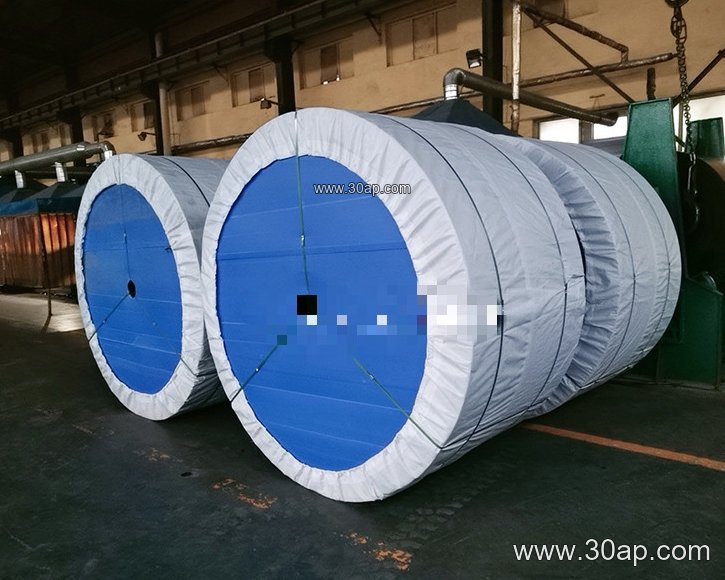
Construction and Common Specifications
Most belts at this width use a fabric core. EP conveyor belt (polyester warp, nylon weft) and NN conveyor belt (nylon warp and weft) are the usual choices, with 2 to 5 plies depending on the load. Steel cord conveyor belt is less common at 650 mm because very high tension is rarely needed at this width, though it can appear on long single-flight runs. PVC and PVG belts are selected for underground coal mining conveyor duty where flame resistance is required.
Cover rubber is specified as top and bottom thickness. Typical combinations include 3+1.5 mm, 4+2 mm, 5+2 mm, and 6+2 mm. The top cover protects against abrasion and impact; the bottom cover protects against wear on idler rollers and pulleys. Strength grades such as EP200, EP400, EP630, and EP800 are common at this width. Values below are reference ranges, not fixed supply promises.
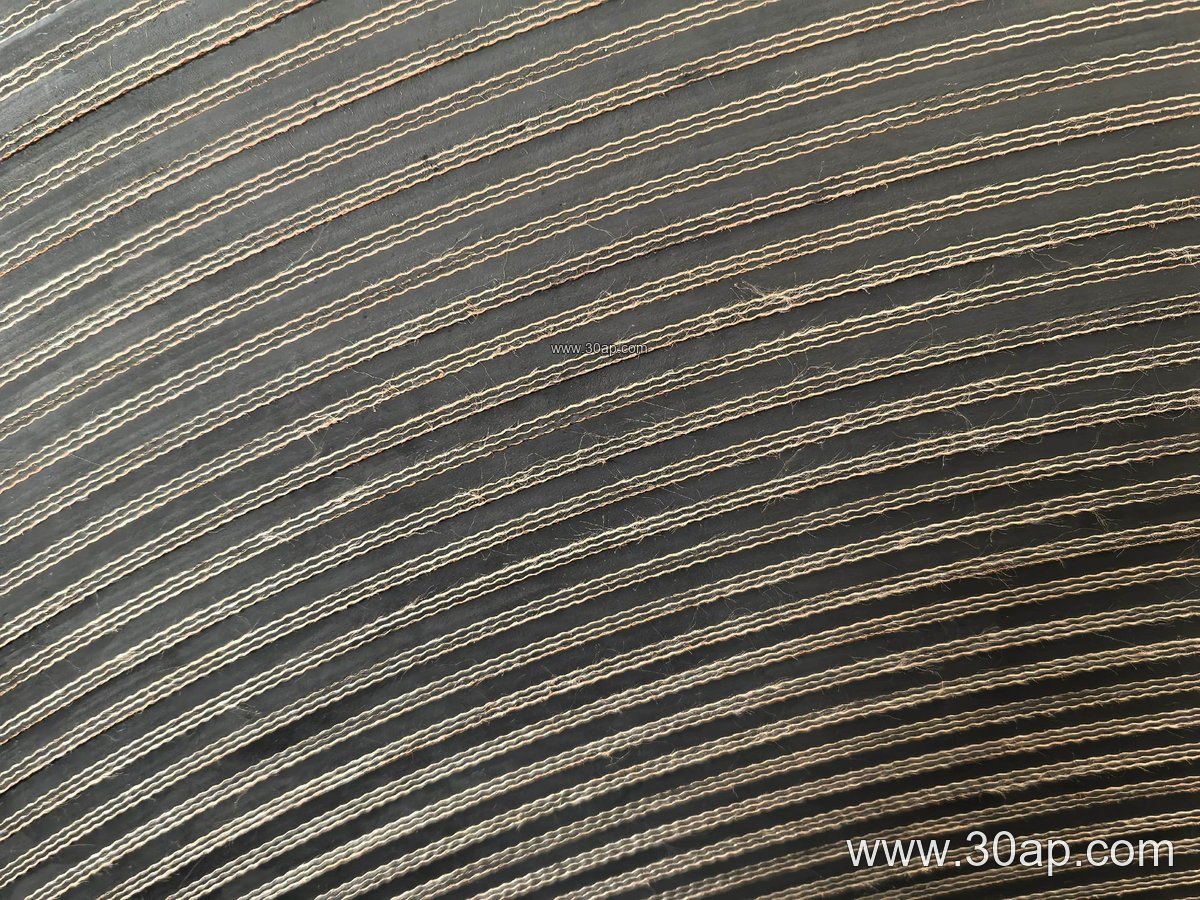
| Parameter | Common Range | Notes |
|---|---|---|
| Belt width | 650 mm (B650) | Nominal, measured across the belt |
| Carcass | EP or NN fabric, 2–5 plies | Steel cord for high tension only |
| Strength grade | EP200–EP800 | Higher grades for longer or steeper runs |
| Top/bottom cover | 3+1.5 to 6+2 mm | Impact and abrasion zones need more rubber |
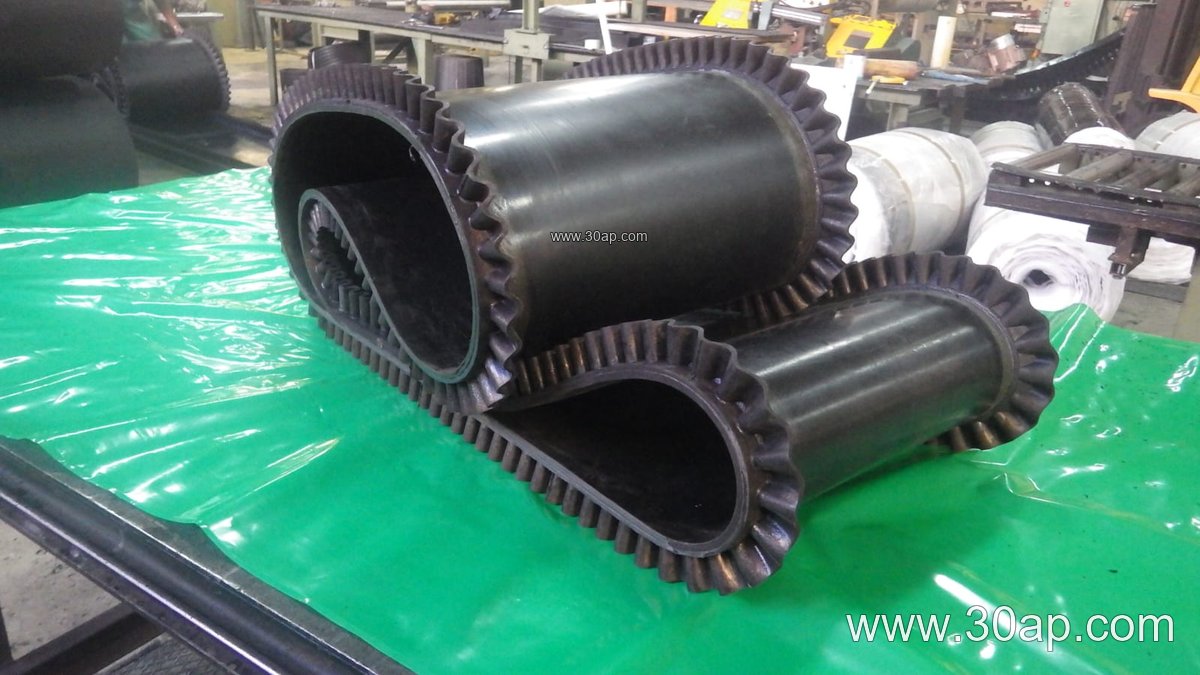
| Surface form | Plain, chevron, corrugated sidewall, skirted | Patterned belts for inclined sections |
Where It Fits in the Plant
The 650 mm width is often found on transfer belts between a crusher and a screen, on cement plant clinker and additive lines, on coal handling systems in power plants, and on aggregate conveyor routes in quarries. A 650mm conveyor belt carrying abrasive stone may need an abrasion resistant conveyor belt with a thicker top cover, while a line moving hot clinker or sinter calls for a heat resistant conveyor belt. In coal mining, a flame retardant conveyor belt or fire resistant conveyor belt is normally required, and anti-static properties may be specified alongside it.
Other conditions shape the choice. Oil resistant conveyor belt is used where lubricant or oil-bearing material contacts the surface. Cold resistant conveyor belt suits outdoor yards in freezing weather. Acid resistant and chemical resistant grades appear in fertilizer and chemical handling. Food grade conveyor belt is a different branch and is rarely used in heavy bulk lines. Chevron conveyor belt and corrugated sidewall conveyor belt are selected when the incline is too steep for a plain belt, because the cleats or sidewalls stop material from sliding back.
Selection and Maintenance Notes
Buyers should match the belt to the actual duty, not to a single number. Check the material size and drop height, the belt speed, the trough angle, the incline, and the ambient temperature. Confirm the pulley diameters and the idler roller spacing with the conveyor designer so the belt flexes properly at each turn. A 650 mm belt can run on a range of pulley sizes; there is no single shaft diameter fixed by belt width.
Maintenance matters as much as the original specification. Keep the belt tracking straight, check cover wear at loading points, and replace worn idler rollers before they damage the bottom cover. Inspect splices and edges regularly. A spare belt kept on site shortens downtime in a busy quarry or coal yard.
For more conveyor belt, idler roller, and pulley options, visit www.beltconveyorparts.com or explore the range at www.beltconveyorparts.com/products. A well-matched 650mm conveyor belt keeps a modest-width line running steadily in mines, cement works, power stations, and aggregate plants.