What the Ø180 Conveyor Idler Is
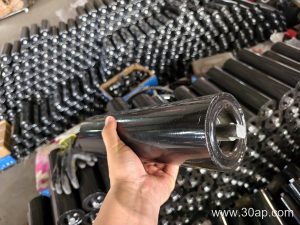
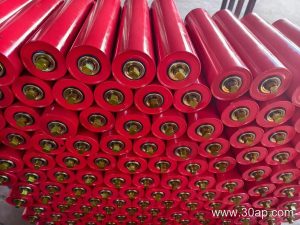
The Ø180 conveyor idler is a load-bearing roller with a nominal shell diameter of roughly 178 to 180 mm, a size that sits in the heavy end of the standard idler range. It is one of the rotating elements that support the conveyor belt along the carrying and return runs, and it appears most often where belt widths, lump sizes and tonnages are large enough that smaller rollers would wear too quickly. Because it is a carrying component rather than a drive component, it is not interchangeable with a drive pulley, tail pulley or bend pulley; those parts transmit power or change belt direction, while an idler simply rolls beneath the belt.
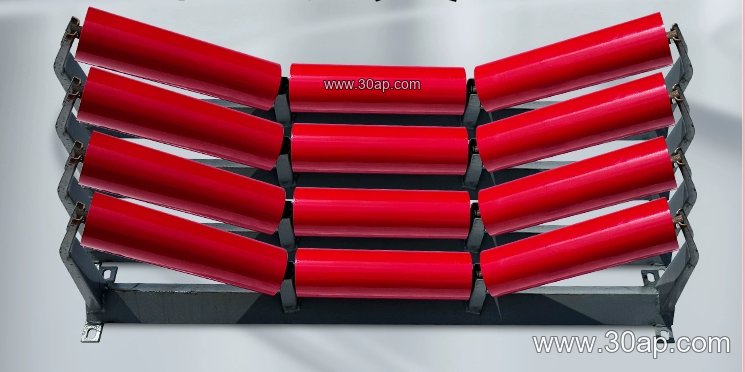
In a typical troughing set, three of these rollers form the trough that shapes the belt into a carrying channel. On the return side the same shell diameter may be used in a flat or V-return arrangement.
How the Roller Is Built
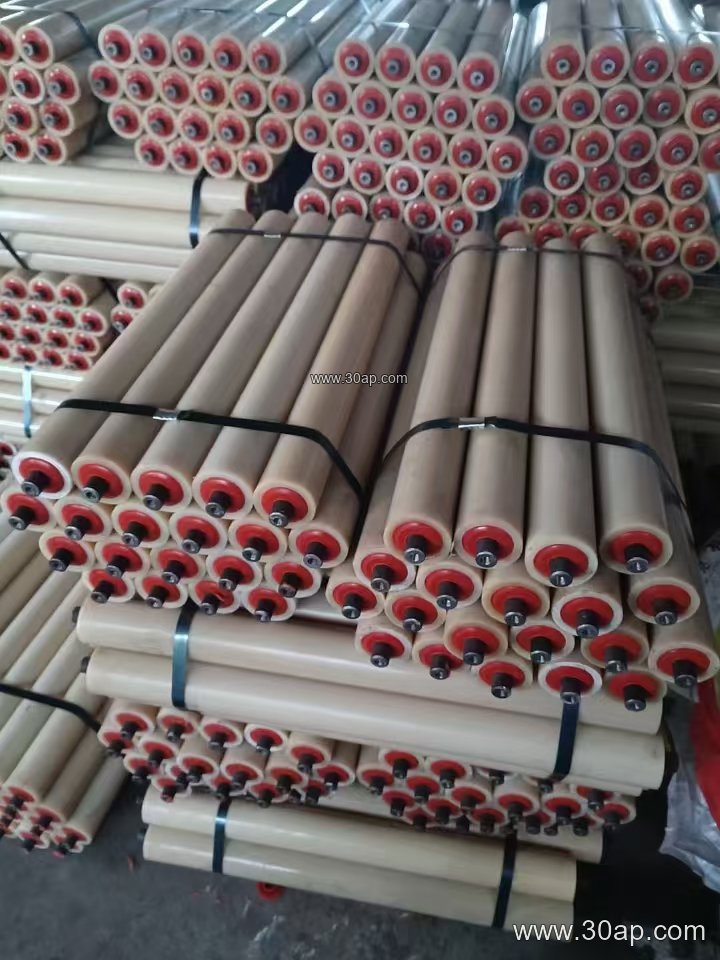
A Ø180 conveyor idler normally consists of a steel tube shell, a shaft, bearing housings at each end, sealed bearings and a protective finish. The shell is usually machined for concentricity so the belt runs without vibration. Bearing selection follows load and speed rather than diameter alone, so common bearing numbers such as 6205, 6305, 6306 or 6308 may be found depending on the design; there is no fixed rule that one shell size must take one bearing size.
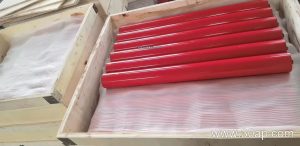
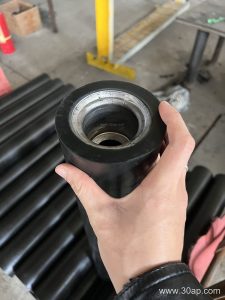
Sealing is the detail that decides service life in dusty plants. Labyrinth seals, contact seals and grease retention features keep fines out of the bearing cavity. Roller surface options include plain steel tube, nylon, ceramic and rubber rings. Rubber rings are often chosen for impact zones under a crusher or transfer point, while plain steel suits clean, high-speed runs.
Common reference values
The table below shows typical reference values only; actual dimensions are confirmed by the conveyor design.
- Nominal diameter: Ø180 mm (often listed as Ø178)
- Common belt widths served: B1000, B1200, B1400, B1600, B1800
- Trough angles: 20°, 30°, 35°, 45°
- Roller length examples for three-roll troughing: about 380 mm at B1000, 465 mm at B1200, 530 mm at B1400, 600 mm at B1600, 670 mm at B1800
- Bearing options seen in this class: 6305, 6306, 6308, 6310
- Surface forms: steel, nylon, ceramic, rubber ring
Side rollers and centre rollers in the same set can have different lengths, so the figures above are examples rather than fixed pairings.
Where It Fits in a Plant
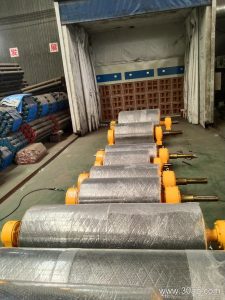
This diameter is common in quarry and aggregate lines, where a quarry conveyor belt carries crushed rock from the primary crusher to the screens. It also appears in cement plants handling clinker and raw meal, and in power plant coal yards where a coal conveyor belt runs long distances at high tonnage. In these settings the idler works alongside the conveyor pulley at the head and tail, the conveyor bracket that fixes the frame, and the belt itself.
Because the load per roller rises with belt width and material weight, a Ø180 idler is frequently specified for high-abrasion duties. A high abrasion resistant conveyor belt paired with robust rollers reduces the cost per tonne moved. In dusty transfer houses, good sealing matters more than a thicker shell.
Selection Points for Buyers
Buyers should treat the diameter as one input among several. Belt width, trough angle, spacing, belt speed, lump size and ambient conditions all shape the choice. A wider belt does not automatically require a larger roller, and a given belt width does not lock the plant into one pulley diameter. The right approach is to match the idler set to the calculated load and to the belt’s minimum pulley and roller diameter recommendations.
Ask suppliers about shell wall thickness, shaft material, seal type, bearing brand and lubrication. For hot duties such as clinker or sinter, confirm whether a heat resistant conveyor belt and heat-tolerant lubrication are needed. For flammable dust areas, a flame retardant conveyor belt and anti-static components belong in the same conversation.
Maintenance and Replacement
Seized or misaligned idlers damage the belt edge and increase power draw. Walk the line regularly, listen for squealing bearings and check for belt tracking drift. Replace rollers in matched sets where possible so the trough stays even. Keep spare shells, shafts and seals on hand for critical lines, and record the roller length and bearing number of each position so reordering is simple.
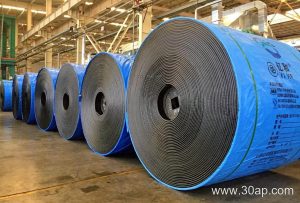
Used with the correct conveyor belt specification and a well-aligned frame, the Ø180 conveyor idler gives long service in demanding bulk handling work.