What the EP100 Conveyor Belt Is
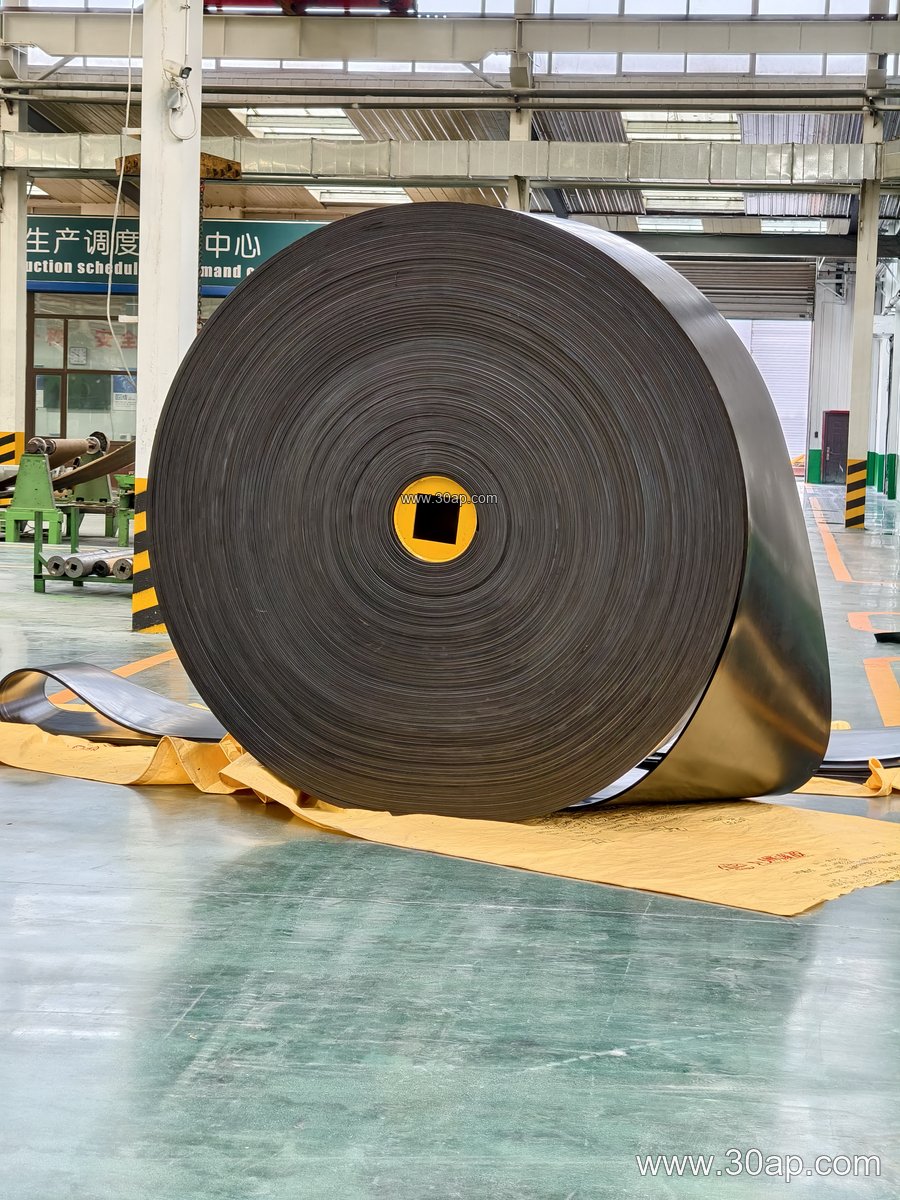
An EP100 Conveyor Belt is a fabric-core rubber belt built around polyester (E) and nylon (P) warp and weft yarns. The designation “100” refers to the nominal tensile strength of the carcass, commonly expressed as 100 N/mm per ply. This belt sits at the lighter end of the EP range, which also includes EP200, EP300, EP400 and higher grades up to EP2000. It is often chosen for short to medium-length conveyors where a robust but not overly stiff belt is needed.
As a type of EP Conveyor Belt, the EP100 shares the family’s balance of low elongation and good troughability. The polyester warp limits stretch under load, while the nylon weft improves flexibility and impact resistance. This makes it a practical option for aggregate conveyors, small cement plants, and general bulk material handling.
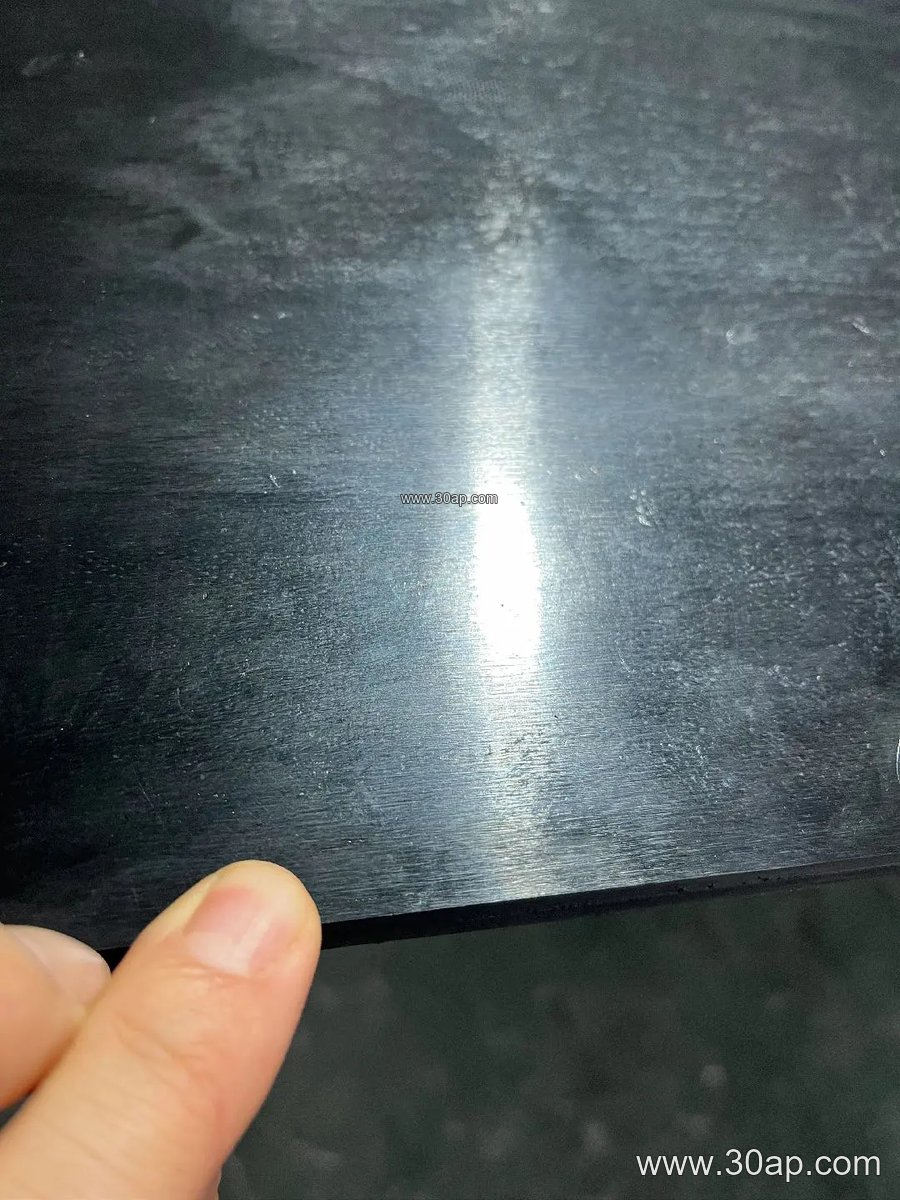
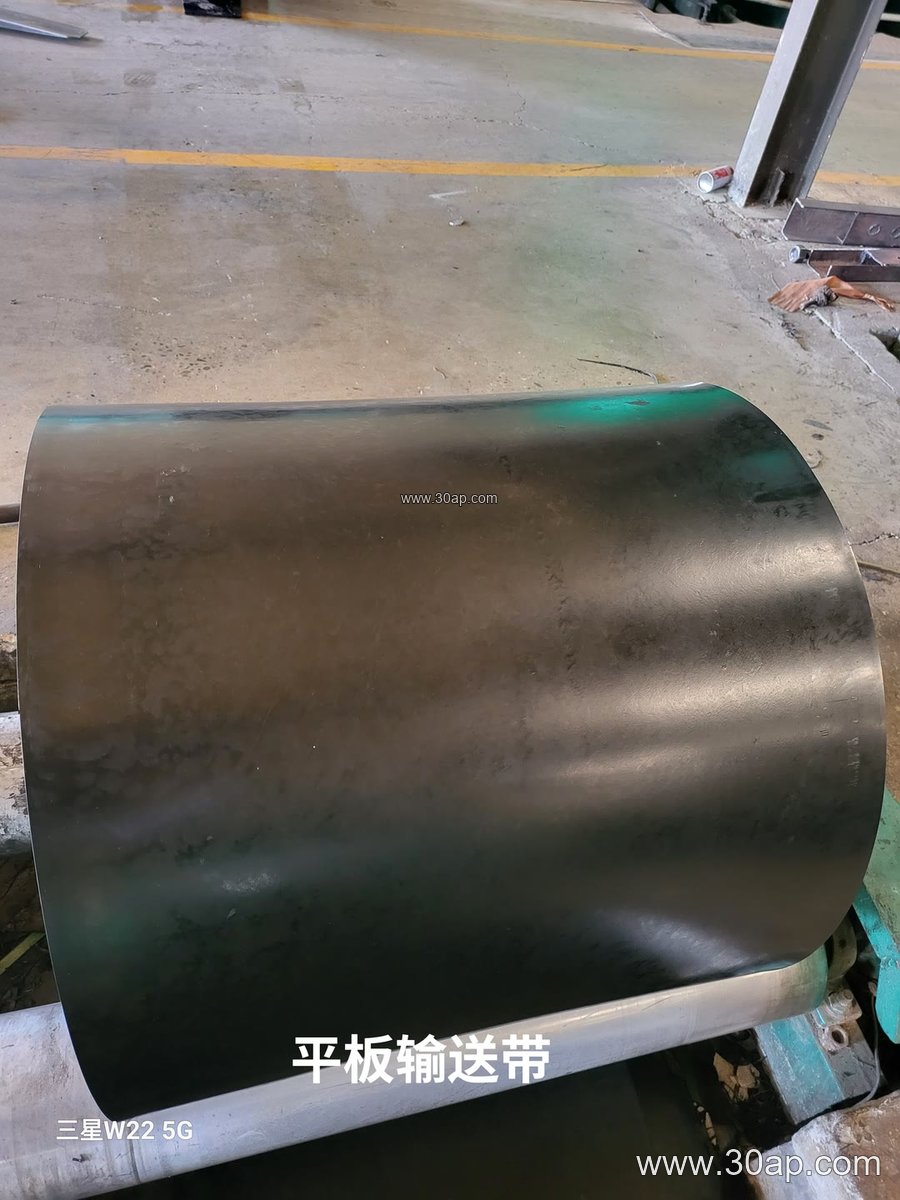
Construction and Common Specifications
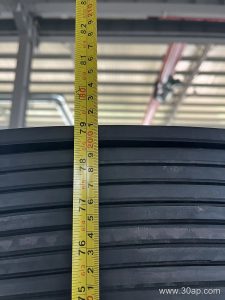
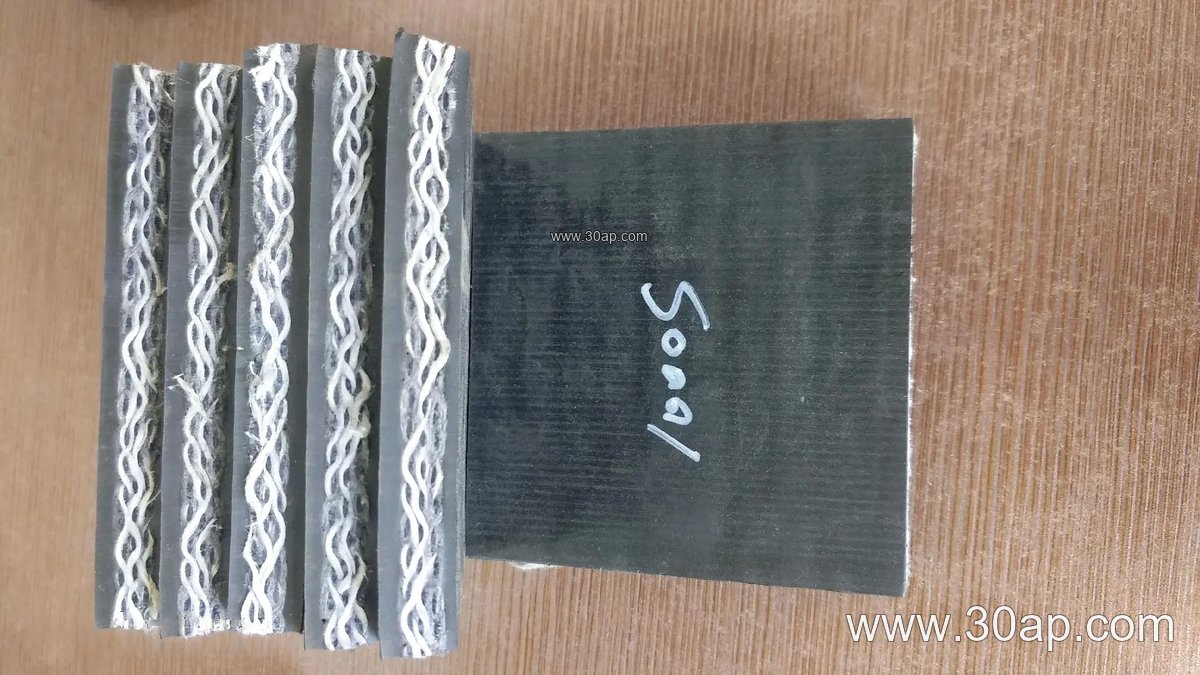
The belt typically consists of two to six plies of EP fabric, bonded with rubber skim and covered on both sides with abrasion-resistant rubber. Cover thickness is selected according to the material being carried and the loading conditions. Common cover combinations include 3+1.5 mm, 4+2 mm, 5+2 mm, 6+2 mm and 8+3 mm. A Rubber Conveyor Belt of this class may also include a breaker fabric for impact resistance in crusher feed applications.
The table below shows typical reference values. Actual specifications should be confirmed with the manufacturer based on the conveyor design.
| Parameter | Common Range / Reference |
|---|---|
| Belt type | EP100 (polyester-nylon fabric core) |
| Nominal strength | 100 N/mm per ply |
| Number of plies | 2 to 6 (often 3 or 4 for EP100) |
| Belt width | 500, 650, 800, 1000, 1200, 1400 mm (others by request) |
| Top cover thickness | 3 to 8 mm typical |
| Bottom cover thickness | 1.5 to 3 mm typical |
| Surface form | Smooth, or patterned (chevron, skirted) for special needs |
Widths such as 500mm Conveyor Belt and 650mm Conveyor Belt are common in small quarry and sand plant lines, while 800mm Conveyor Belt and 1000mm Conveyor Belt are frequently used in cement and coal handling. For higher tension applications, EP200 Conveyor Belt or EP315 Conveyor Belt may be more appropriate, but that does not make EP100 unsuitable for its intended range.
Where It Fits in the Plant
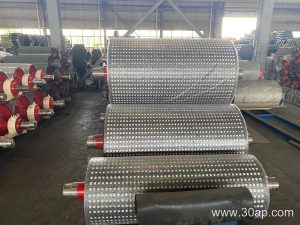
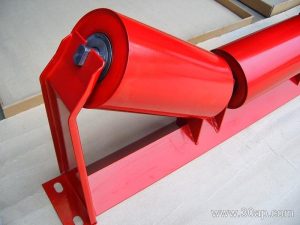
EP100 belts are often found on feeder conveyors, transfer points, and short stackers in quarry, sand and gravel, and small mining operations. They work alongside conveyor pulleys, idler rollers and conveyor brackets to form a complete conveyor system. In a coal mining conveyor or underground mining conveyor, flame retardant and anti-static versions of the EP belt may be specified to meet site safety requirements. Similarly, a cement plant conveyor or power plant conveyor may use heat resistant or oil resistant cover compounds where local conditions demand it.
Beyond mining, the EP100 belt can serve in recycling lines, ship loading conveyors and general bulk material conveyors. It is not a substitute for a Steel Cord Conveyor Belt or a high-strength EP1000 Conveyor Belt, but it offers a cost-effective solution for lower-tension duties.
Selection and Maintenance Notes
- Match belt strength to the calculated maximum tension, not just to the motor power. A belt that is too weak will stretch and fail; one that is too strong may be unnecessarily stiff.
- Check pulley diameters and trough angles with the belt manufacturer. A given belt width does not dictate a single pulley diameter, and shaft size must be calculated from the actual load.
- Consider cover grade for the environment: abrasion resistant for sharp rock, oil resistant for recycled materials, heat resistant near clinker or hot ash.
- Keep idler rollers and pulleys aligned to prevent edge damage and premature wear. Inspect splices regularly, especially on high-cycle conveyors.
- For underground coal mining, confirm that the selected belt meets the required flame retardant and anti-static properties for the site.
When ordering an EP100 Conveyor Belt, provide the belt width, number of plies, cover thickness, and any special surface requirements such as chevron or corrugated sidewall. This helps the supplier deliver a belt that fits the conveyor frame, pulley faces, and loading conditions without over- or under-specifying.