What Makes a Ceramic Lagged Pulley Different
An anti-slip ceramic lagged pulley is a conveyor pulley whose shell is covered with ceramic tiles set in a rubber or polymer matrix. This ceramic lagging creates a high-friction surface that grips the conveyor belt firmly, reducing slippage even when the belt is wet, muddy, or carrying heavy loads. In industries such as mining, cement plants, and power stations, this pulley is often the drive pulley, but it can also serve as a tail or bend pulley where extra traction is needed. The ceramic lagging is especially valued in applications involving abrasive materials like iron ore, coal, or clinker, where standard rubber lagging might wear quickly.
Construction and Key Components
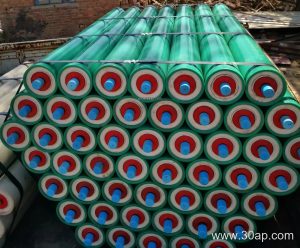
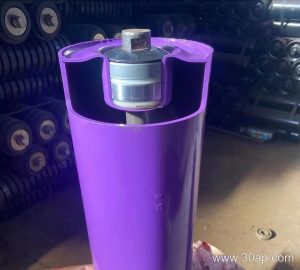
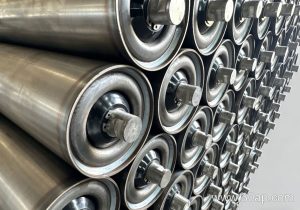
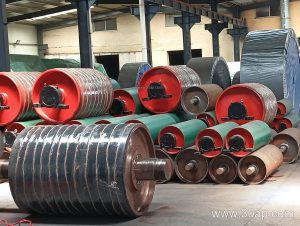
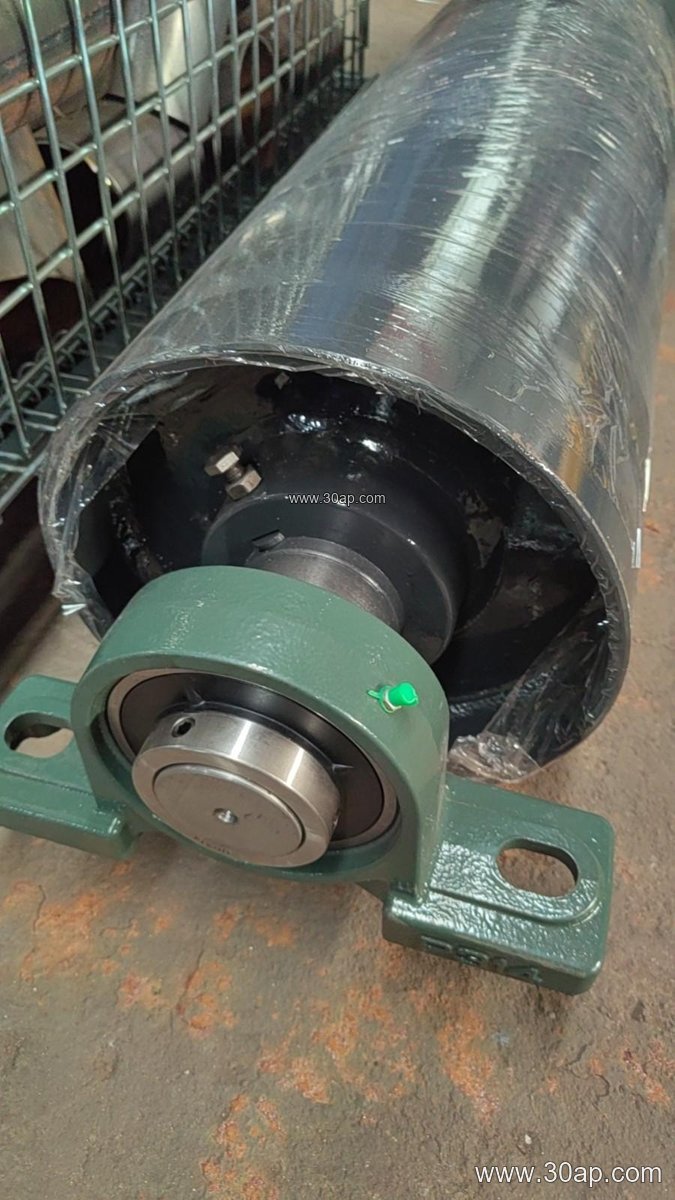
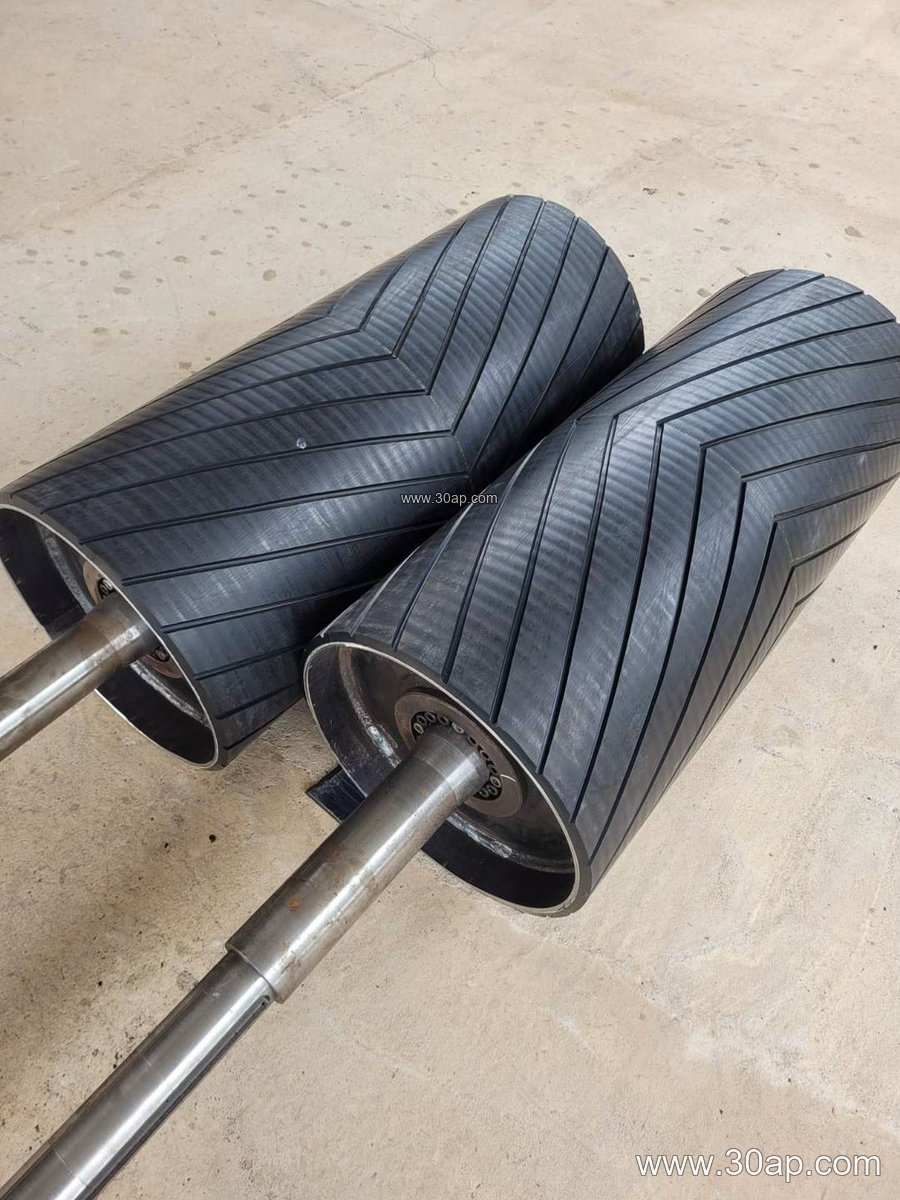
The pulley body is typically a welded steel drum with end discs and a shaft. The ceramic lagging consists of small alumina tiles embedded in a rubber backing. These tiles have raised dimples or grooves that channel water and debris away from the contact surface, maintaining grip. The rubber matrix provides flexibility and shock absorption, while the ceramics deliver hardness and wear resistance. Common lagging thicknesses are 8 mm, 10 mm, 12 mm, 15 mm, and 20 mm, chosen based on belt tension and load. The pulley face width usually exceeds the belt width by about 100–200 mm; for example, a B1200 belt might use a pulley face of around 1400 mm. Diameters range from Ø200 to Ø1800, and shaft diameters from Ø50 to Ø200, determined by torque and load requirements. The ceramic lagging can be supplied in plain sheet form or with diamond or herringbone patterns, though the ceramic tiles themselves often provide the necessary texture.
Where It Is Used and Why
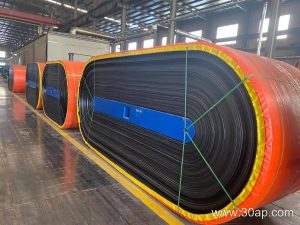
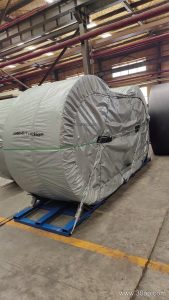
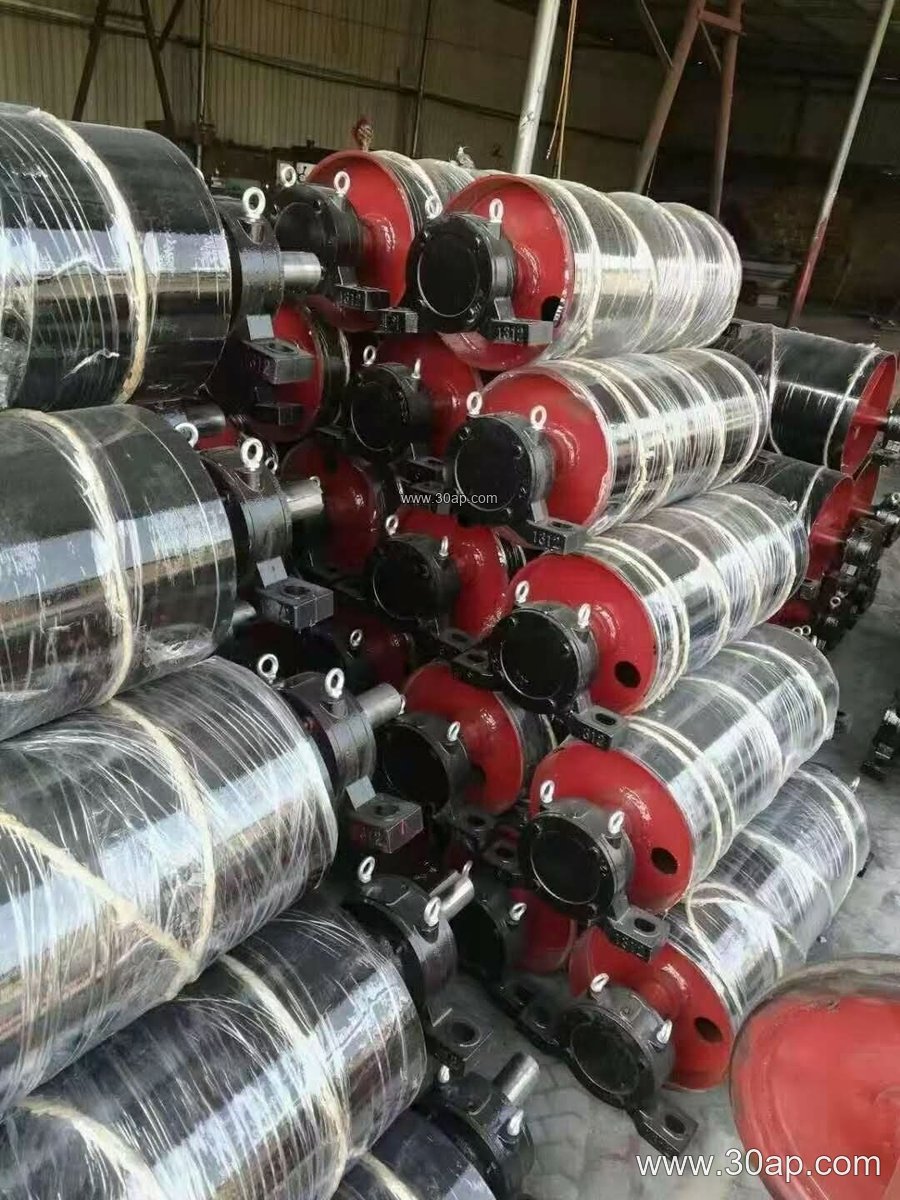
This pulley shines in bulk material handling where slip is a constant risk. In a coal washing plant, a ceramic lagged drive pulley keeps the belt moving even when coal dust and water coat the surface. In a limestone quarry, it drives the primary conveyor without frequent retensioning. The high friction also reduces belt wear caused by micro-slippage, extending the life of the conveyor belt. When paired with a heavy-duty mining conveyor belt or an abrasion resistant conveyor belt, the system handles sharp, jagged rock with less downtime. The pulley is not limited to drive positions; a bend pulley with ceramic lagging can improve tracking on long overland conveyors, and a tail pulley with ceramic lagging helps prevent material buildup from causing misalignment.
Selection and Sizing Considerations
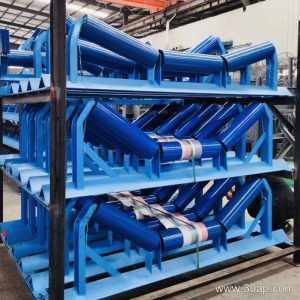
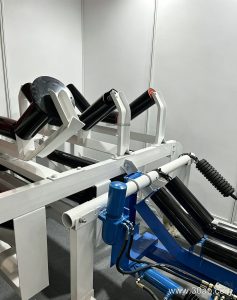
Choosing the right anti-slip ceramic lagged pulley involves more than matching belt width to pulley diameter. The table below shows common combinations, but these are reference points, not fixed rules. The actual diameter and shaft size depend on belt tension, speed, and the load carried by the conveyor bracket and idler roller frames.
| Belt Width (mm) | Typical Pulley Face (mm) | Common Diameter Range (mm) | Example Combination |
|---|---|---|---|
| B500 | 600 | Ø250–Ø400 | B500 × Ø315 |
| B800 | 950 | Ø400–Ø630 | B800 × Ø500 |
| B1000 | 1150 | Ø500–Ø800 | B1000 × Ø630 |
| B1200 | 1400 | Ø630–Ø1000 | B1200 × Ø800 |
| B1400 | 1600 | Ø800–Ø1250 | B1400 × Ø1000 |
| B1600 | 1800 | Ø1000–Ø1400 | B1600 × Ø1250 |
These are indicative only. A larger diameter may be needed for high-tension applications, and shaft size must be calculated from actual torque. Ceramic lagging is often specified for drive pulleys handling wet or oily conditions, but it can also be used on a bend pulley where belt slip would cause tracking issues. For extremely abrasive cargo, pairing the pulley with a rubber conveyor belt or an EP conveyor belt is common, while heat resistant conveyor belt may be used in cement kiln areas. Always consider the entire conveyor system, including the conveyor bracket and idler roller alignment, to avoid premature lagging wear.
Maintenance and Buyer Tips
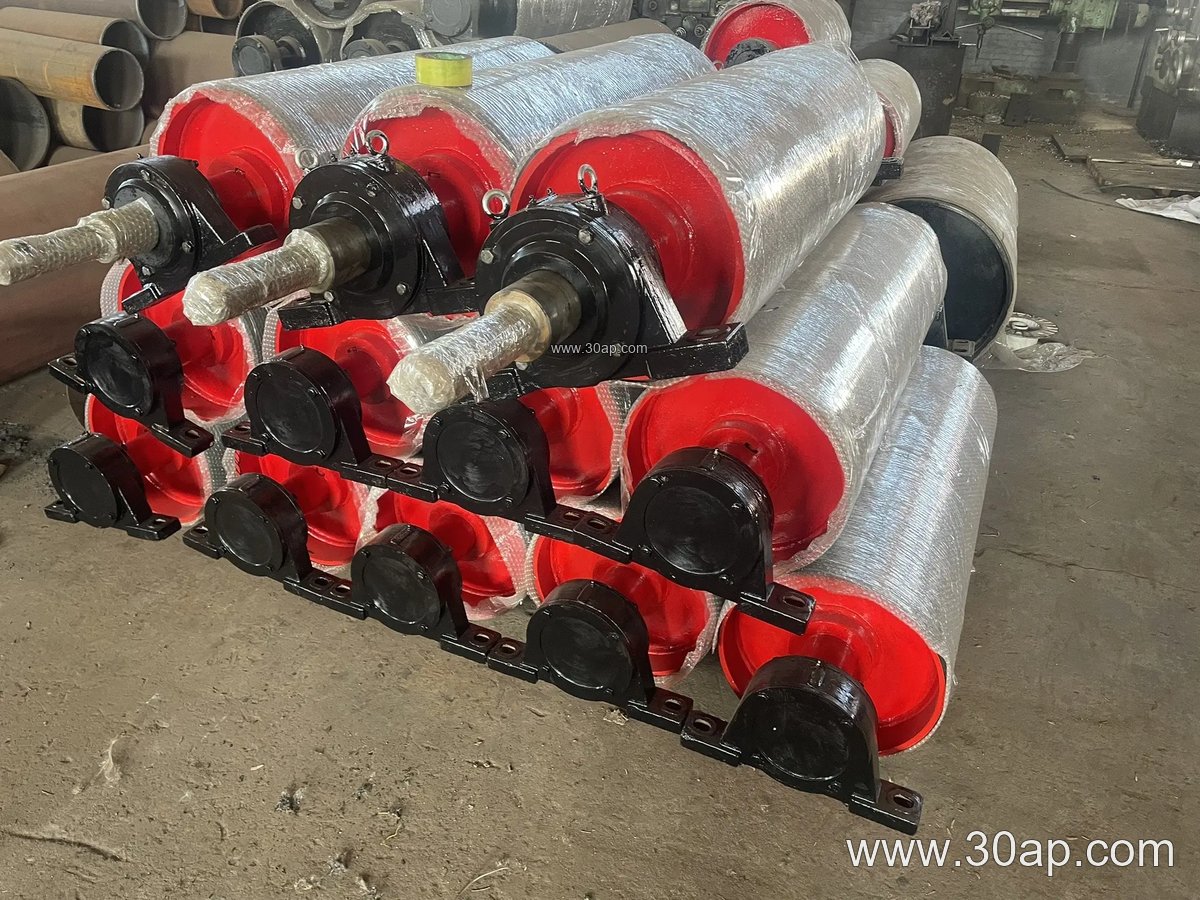
Ceramic lagged pulleys are durable but not indestructible. Inspect the tiles for cracks or missing pieces, especially after heavy impact events. Keep the belt cleaner and the pulley surface free of sticky material; buildup can reduce friction and cause slip. When replacing lagging, choose a thickness that matches the original design—thicker is not always better if it changes the pulley diameter significantly. Buyers should request the pulley drawing with face width, diameter, shaft size, and lagging pattern. Confirm that the ceramic tiles are embedded evenly and that the rubber matrix is vulcanized or bonded securely. For high-demand operations, consider specifying a ceramic lagged pulley for the drive position and standard rubber lagging for non-critical bend pulleys to balance cost and performance.
Whether you run a quarry conveyor belt or a coal mining conveyor belt, an anti-slip ceramic lagged pulley can reduce slippage and extend belt life. For more information on compatible conveyor components such as conveyor pulleys, idler rollers, and conveyor brackets, visit our site at www.example.com/conveyor-pulley.