What a Wear-Resistant Lagged Pulley Is
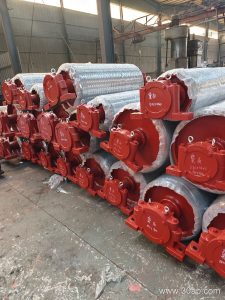
A wear-resistant lagged pulley is a conveyor pulley whose shell is covered with a durable rubber or ceramic lagging to protect the drum and improve grip on the conveyor belt. This type of pulley is commonly used as a drive pulley, tail pulley, or bend pulley in bulk material handling systems where abrasion, impact, and slipping are constant concerns. Unlike a standard smooth pulley, the lagged version extends service life and maintains reliable traction, especially in industries such as mining, coal preparation, cement plants, and power generation.
Construction and Surface Options
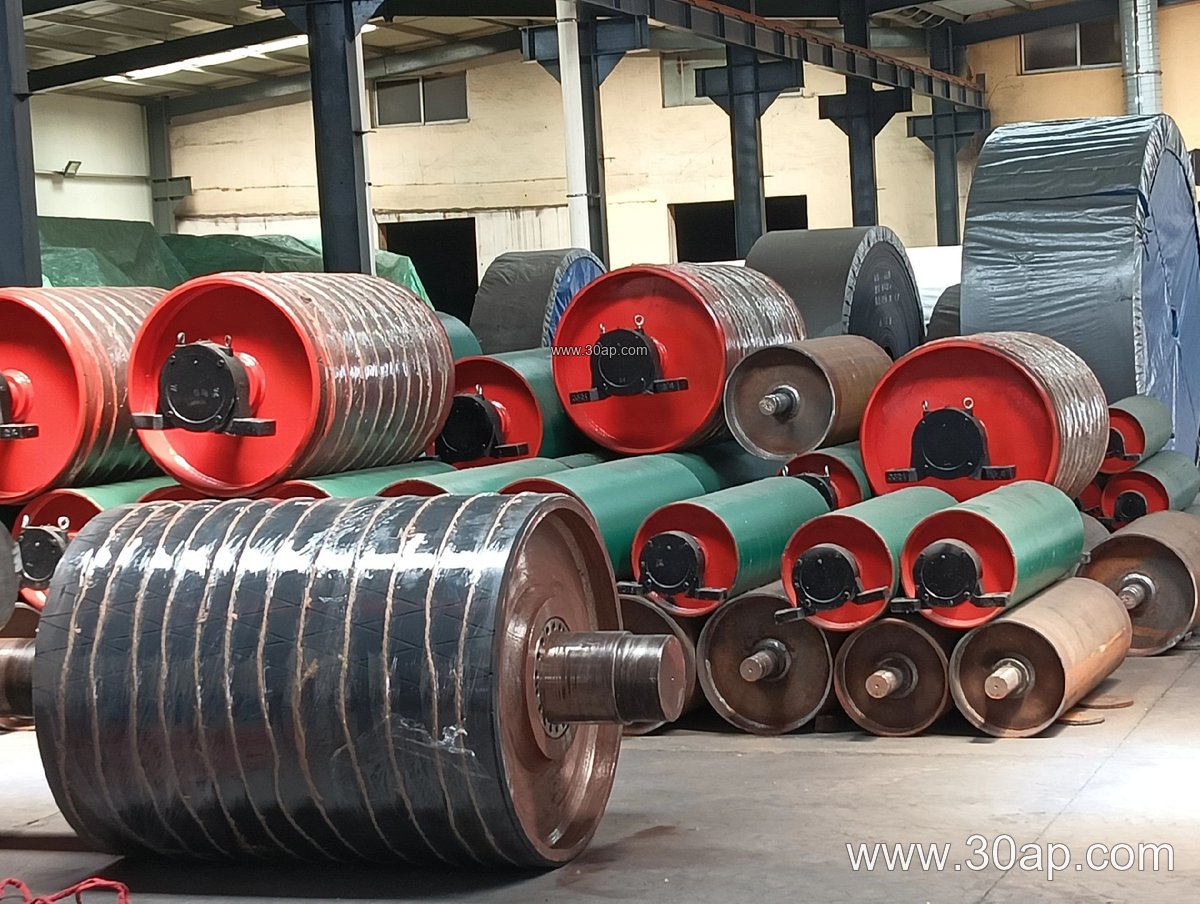
The base pulley is typically fabricated from steel tube with welded end discs and a shaft. The lagging is applied in several forms to suit different operating conditions:
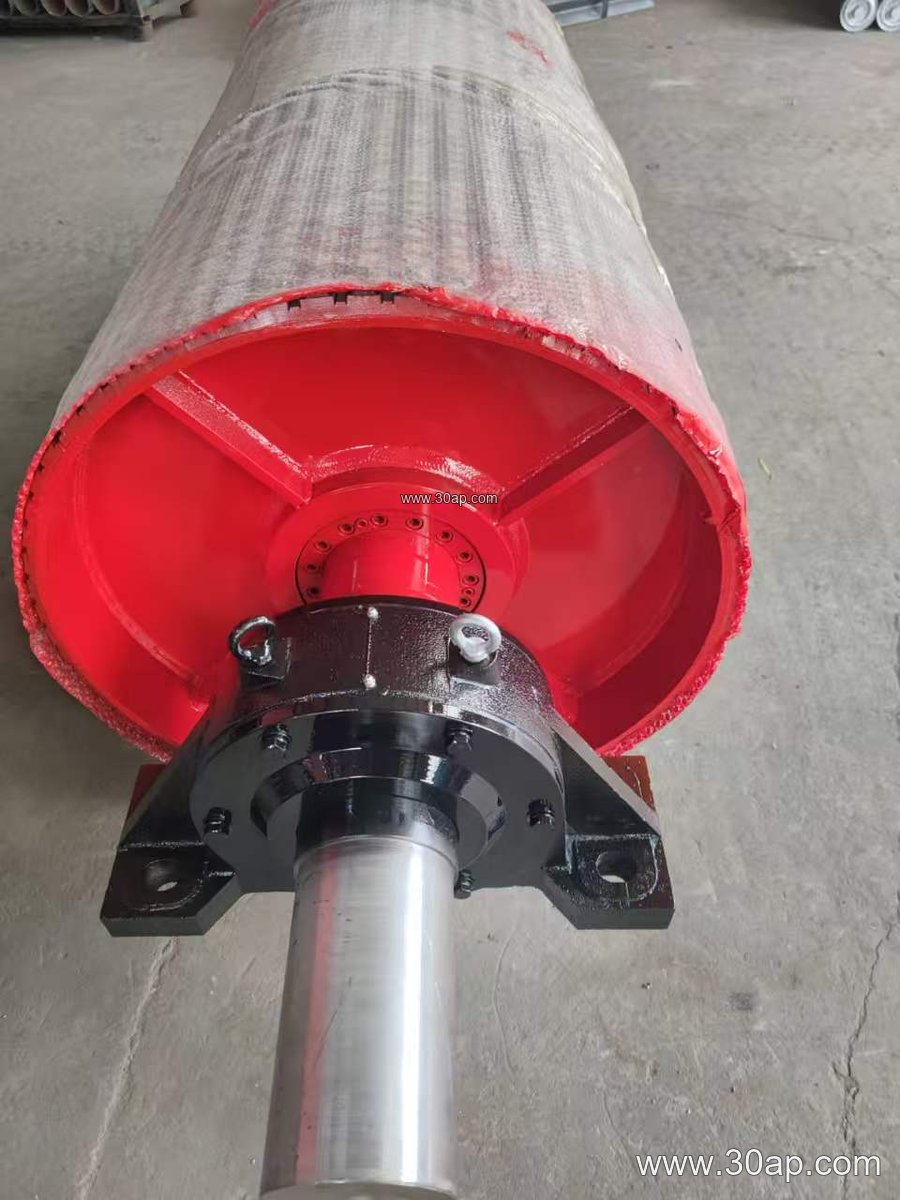
- Rubber lagging – available as cold-bonded or hot-vulcanized sheets, often with diamond or herringbone patterns for improved grip.
- Ceramic lagging – embedded ceramic tiles provide exceptional wear resistance and are ideal for high-tension drive pulleys.
- Plain rubber lagging – used on non-drive pulleys to protect the belt and shell from wear.
Common lagging thicknesses include 8 mm, 10 mm, 12 mm, 15 mm, and 20 mm, selected according to the pulley’s role and the abrasiveness of the material handled. The pulley face width is usually slightly wider than the belt width to ensure full contact; for example, a B800 belt often pairs with a pulley face of about 950 mm, but the exact combination depends on the conveyor design. Diameters range from Ø200 to Ø1800, and shaft diameters from Ø50 to Ø200, determined by torque and load calculations rather than belt width alone.
Where It Is Used
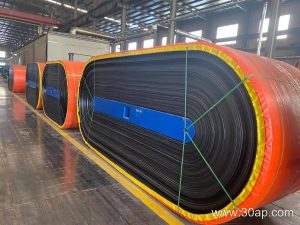
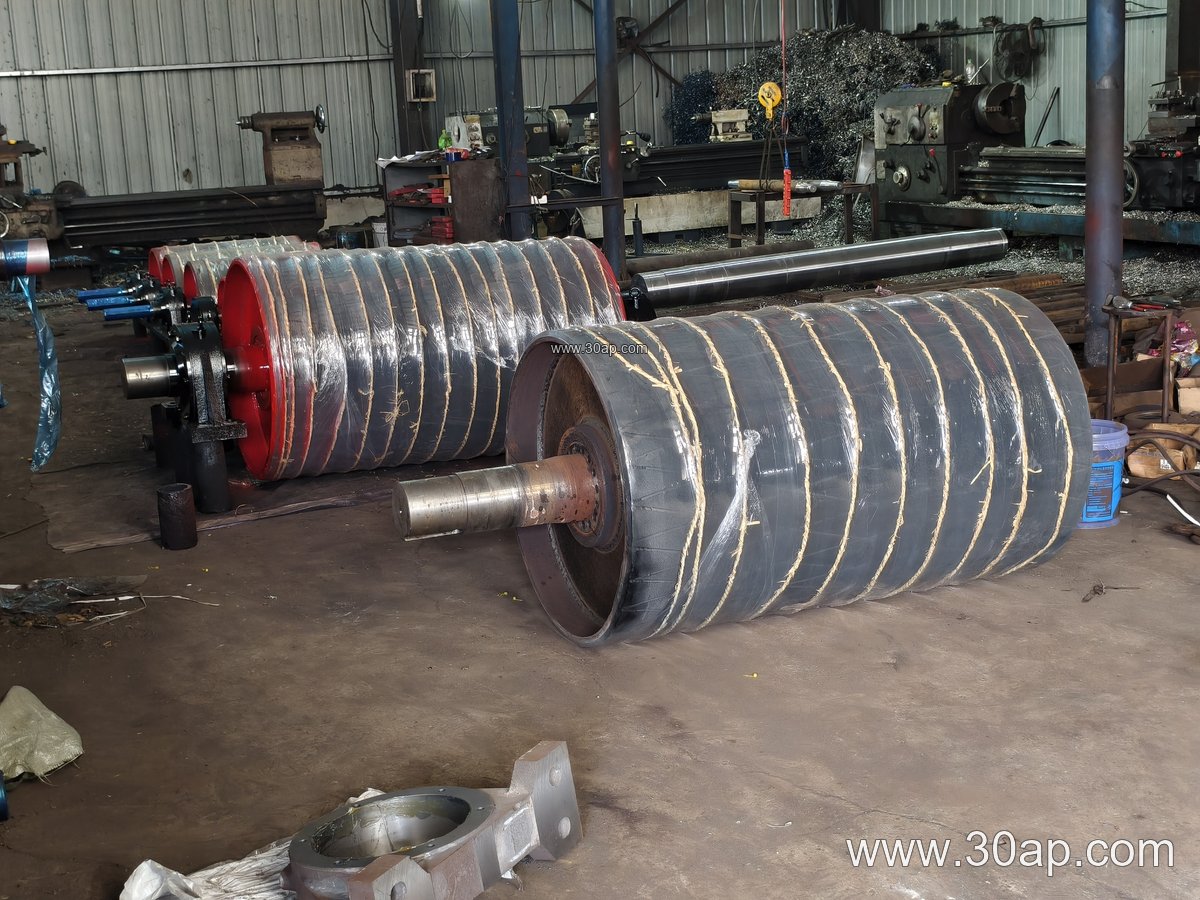
These pulleys are found in quarry and aggregate lines, iron ore and copper ore handling, coal mining conveyors, and cement clinker transport. In a typical stone crushing plant, a wear-resistant lagged drive pulley ensures the conveyor belt does not slip under heavy load, while a lagged tail pulley helps self-clean and reduces material buildup. The same principle applies in port bulk terminals and steel plant sinter lines, where continuous operation demands robust components. When paired with a heavy-duty conveyor belt such as an EP200 or steel cord ST1600, the lagged pulley contributes to a reliable, low-maintenance conveyor system.
Selection and Maintenance Tips
Choosing the right lagged pulley involves matching the lagging material to the environment. For highly abrasive materials like iron ore or cement clinker, ceramic lagging or thick rubber (15–20 mm) is often preferred. In coal mining, flame-retardant rubber lagging may be required to meet safety standards; this is why many underground coal mining conveyor belts use flame retardant grades, and the pulley lagging should be compatible. Regular inspection of lagging wear, belt tracking, and pulley alignment helps prevent premature failure. Remember that drive, tail, and bend pulleys are not interchangeable—each position has specific demands, and a wear-resistant lagged pulley should be specified for its intended role. For any conveyor system, consult the pulley manufacturer with details of belt width, belt tension, and material characteristics to ensure optimal performance.