What an HDPE Idler Is
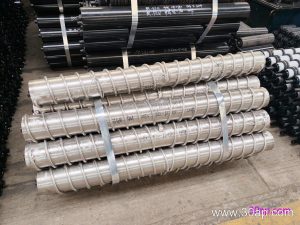
An HDPE idler is a conveyor idler roller whose shell is made from high-density polyethylene rather than steel tubing. It sits under the belt on a conveyor frame and carries the weight of the loaded belt while letting it travel with low friction. In a typical conveyor line, an HDPE idler works together with the conveyor belt, the conveyor pulley at the drive and tail ends, and the conveyor bracket that fixes the roller in position. The plastic shell gives the roller a different character from a conventional steel idler roller, and that difference matters most in wet, sticky, or corrosive service.
Because the shell is a polymer, the roller is lighter than a comparable steel unit. That helps during manual handling and reduces the rotating mass on the frame. It also means the buyer should pay attention to load rating rather than assume the HDPE idler can replace a heavy-duty steel roller in every position.
How the Roller Is Built
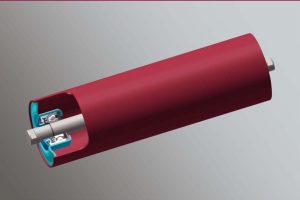
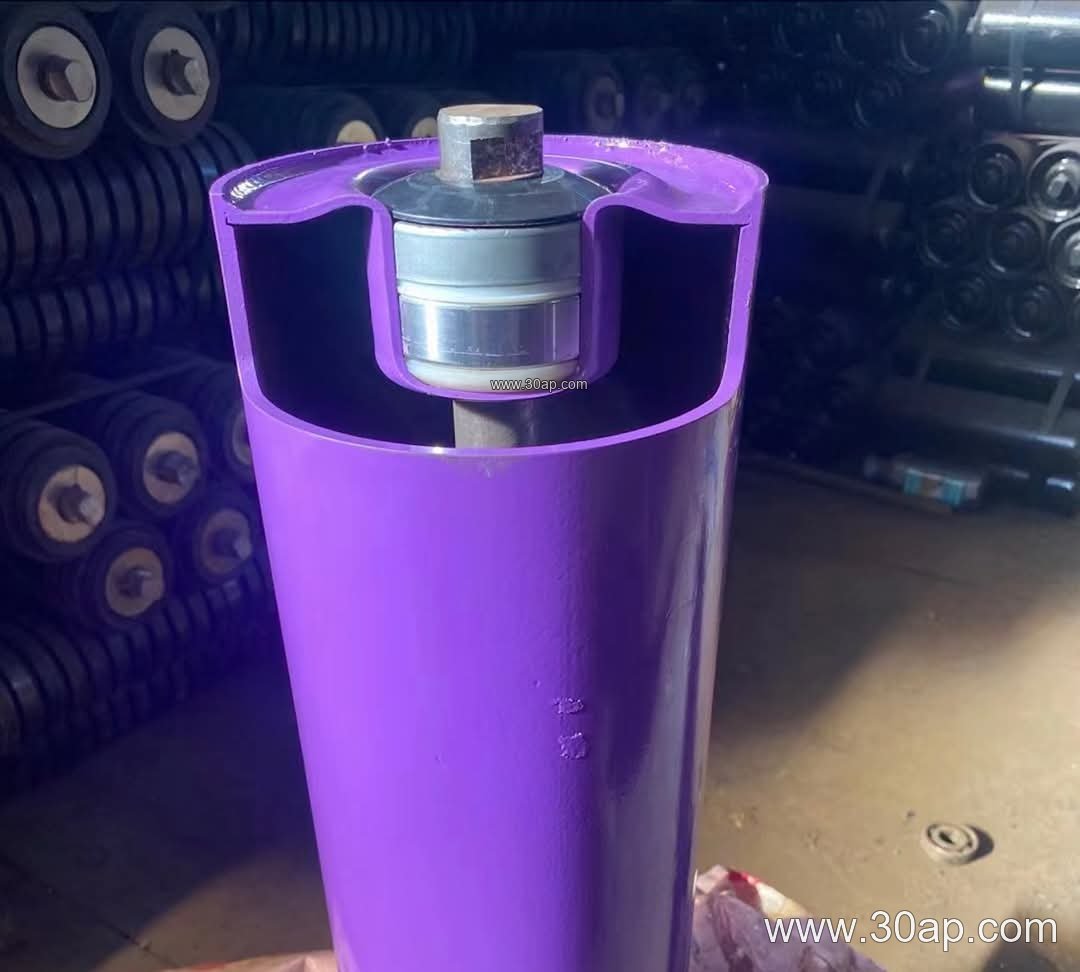
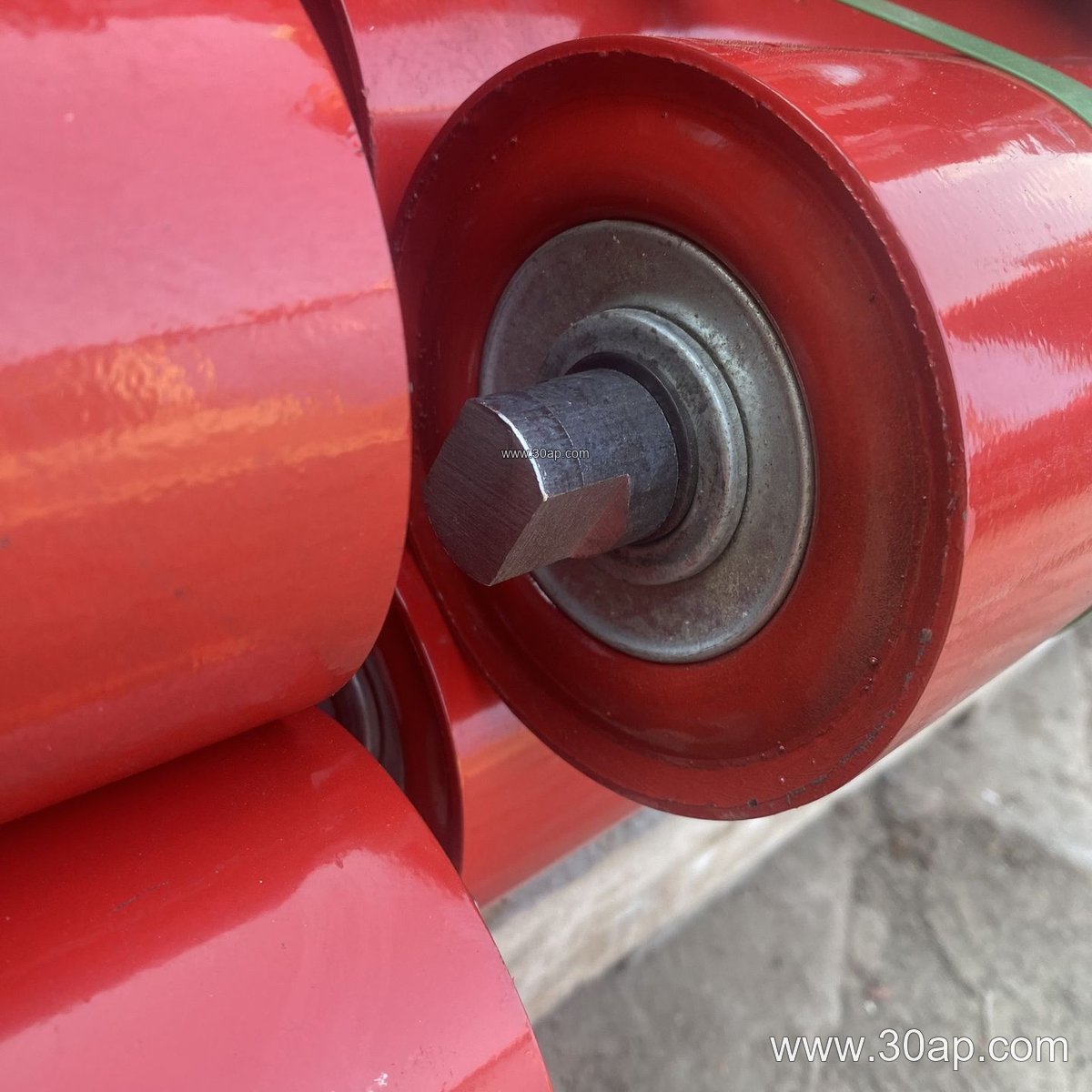
The typical construction is an HDPE tube fitted over a steel shaft, with bearings seated at each end and sealed against dust and water. The shell surface is smooth, so material tends to release from it instead of building up. Sealing quality is the detail that most affects service life, because fine dust from a crusher or a coal handling line will find any gap in the end cap.
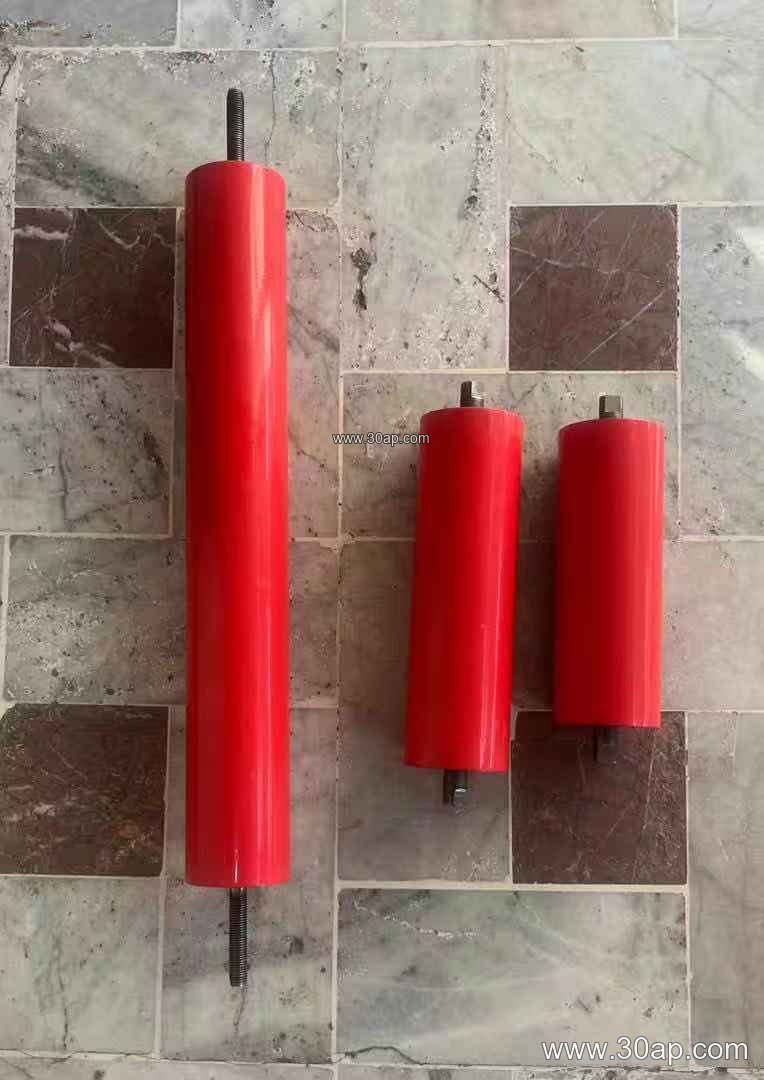
Common bearing sizes used in idler production include 6204, 6205, 6305, 6306, 6308 and 6310. Bearing selection should follow the shaft and load design, not be fixed to one roller diameter. Roller diameters commonly seen in conveyor work include Ø63, Ø76, Ø89, Ø102, Ø108, Ø127, Ø133, Ø159, Ø178, Ø194 and Ø219 mm. Belt widths range from B400 to B2400, and the roller length is set by the belt width, trough angle and idler arrangement rather than by a single formula.
Common reference values
The figures below are typical examples for orientation only. Side rollers and centre rollers in the same trough set can differ, and final dimensions are confirmed by design.
| Item | Common reference values |
|---|---|
| Shell material | HDPE tube over steel shaft |
| Roller diameter | Ø63, Ø89, Ø108, Ø127, Ø159 mm and other sizes |
| Belt width | B500, B650, B800, B1000, B1200, B1400, B1600, B1800, B2000 |
| Trough angle | 20°, 30°, 35°, 45° |
| Bearing | 6204, 6205, 6305, 6306, 6308, 6310 |
| Roller length, three-roll trough, examples | about 200 mm at B500, 250 mm at B650, 315 mm at B800, 380 mm at B1000, 465 mm at B1200, 530 mm at B1400, 600 mm at B1600, 670 mm at B1800, 750 mm at B2000 |
Where HDPE Idlers Fit Best
The material’s advantages show up in a limestone quarry where rain and wash water keep the belt damp, and in a fertilizer plant where fine product clings to steel surfaces. In these places a smooth polymer shell can reduce build-up and lower the cleaning burden. An HDPE idler is also a reasonable choice on a conveyor handling damp sand or aggregate in a concrete mixing plant, where corrosion shortens the life of painted steel rollers.
For a coal handling system feeding a power plant, a flame retardant conveyor belt is often specified, and the idler selection should follow the same fire-safety thinking for the whole conveyor line. In dusty crushing and screening circuits, sealed end caps matter more than the shell material alone. Where impact from large lumps is severe, a rubber-disc impact idler is usually the better choice at the load point, while the HDPE idler serves the carrying run further along.
Selection Points for Buyers
- Load and speed: confirm the allowable load per roller at the actual belt speed. Plastic shells have limits that differ from steel.
- Environment: check temperature range, chemical exposure and UV conditions. HDPE suits many wet and corrosive duties but is not a universal answer for hot material.
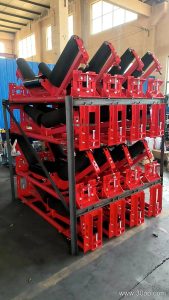
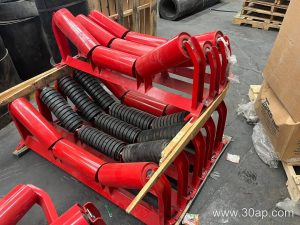
- Belt interface: match roller diameter and trough angle to the belt so the belt is supported without pinching. A 30° or 35° trough is common, but the choice depends on material behaviour.
- Sealing: ask how the bearing housing is protected. In a cement plant or a stone crushing line, dust ingress is the usual cause of early failure.
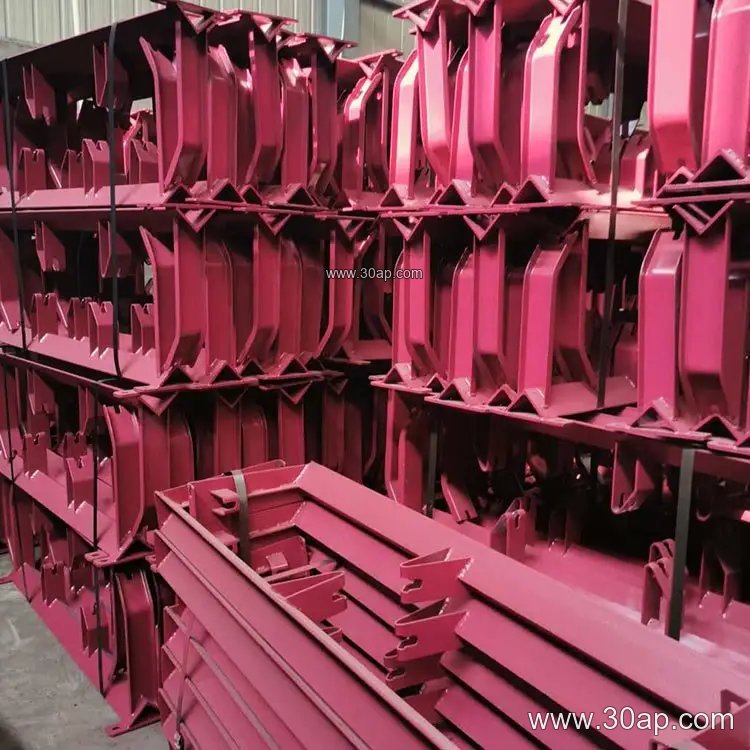
- Frame compatibility: verify shaft ends and the conveyor bracket type before ordering, and check that replacement rollers fit the existing frame.
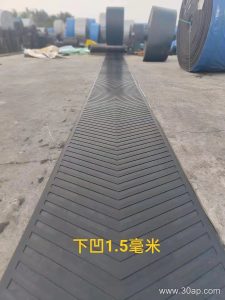
When a conveyor moves abrasive ore, a high abrasion resistant conveyor belt may be paired with the roller line, and the idler should be rated for the same duty. On inclined sections, a chevron conveyor belt or a corrugated sidewall conveyor belt changes the load pattern on the rollers, so the layout should be reviewed together rather than in isolation.
Installation and Maintenance
Alignment is the first check after installation. A roller that sits out of square will cause belt wander and edge wear, and no shell material can compensate for a misaligned frame. Rotate each roller by hand before start-up to confirm free movement, then observe the belt through a full load cycle.
During service, listen for noisy bearings and watch for a stopped roller, since a seized idler will rub the belt and shorten its life. Keep the return run clear of spilled material, and inspect end caps after wash-downs or heavy rain. Replacing a worn HDPE idler is usually quick because of the lower weight, which is a practical benefit in a long conveyor gallery at a port or a tunnel spoil line.
For a complete review of the conveyor, consider the belt specification, the conveyor pulley condition and the roller set as one system. A well-matched HDPE idler roller helps the belt run straight, keeps power demand sensible and reduces the maintenance load in wet and dusty plants.