What a Thick Conveyor Belt Is
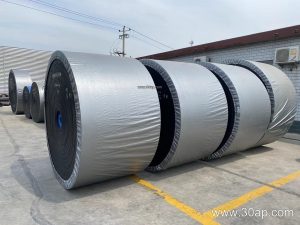
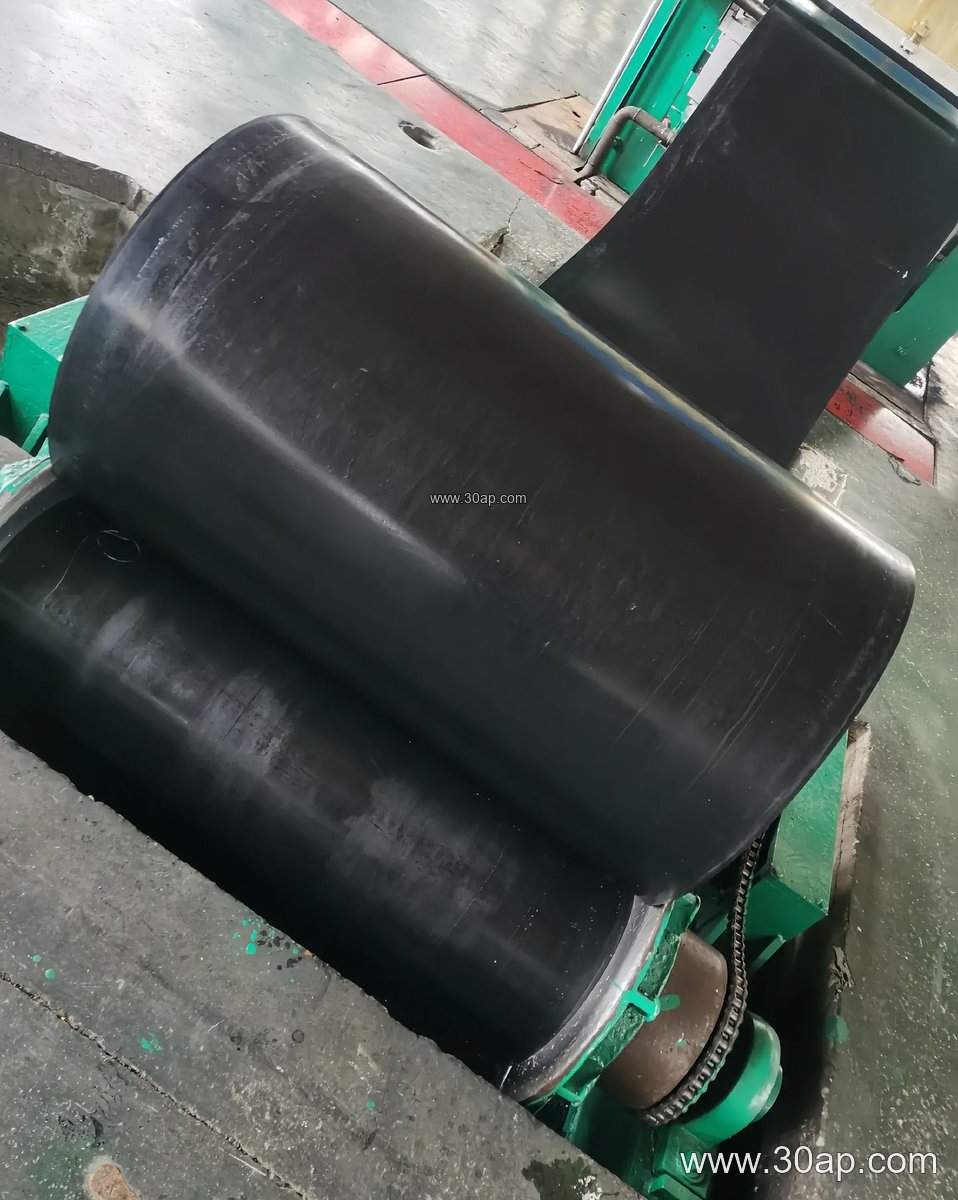
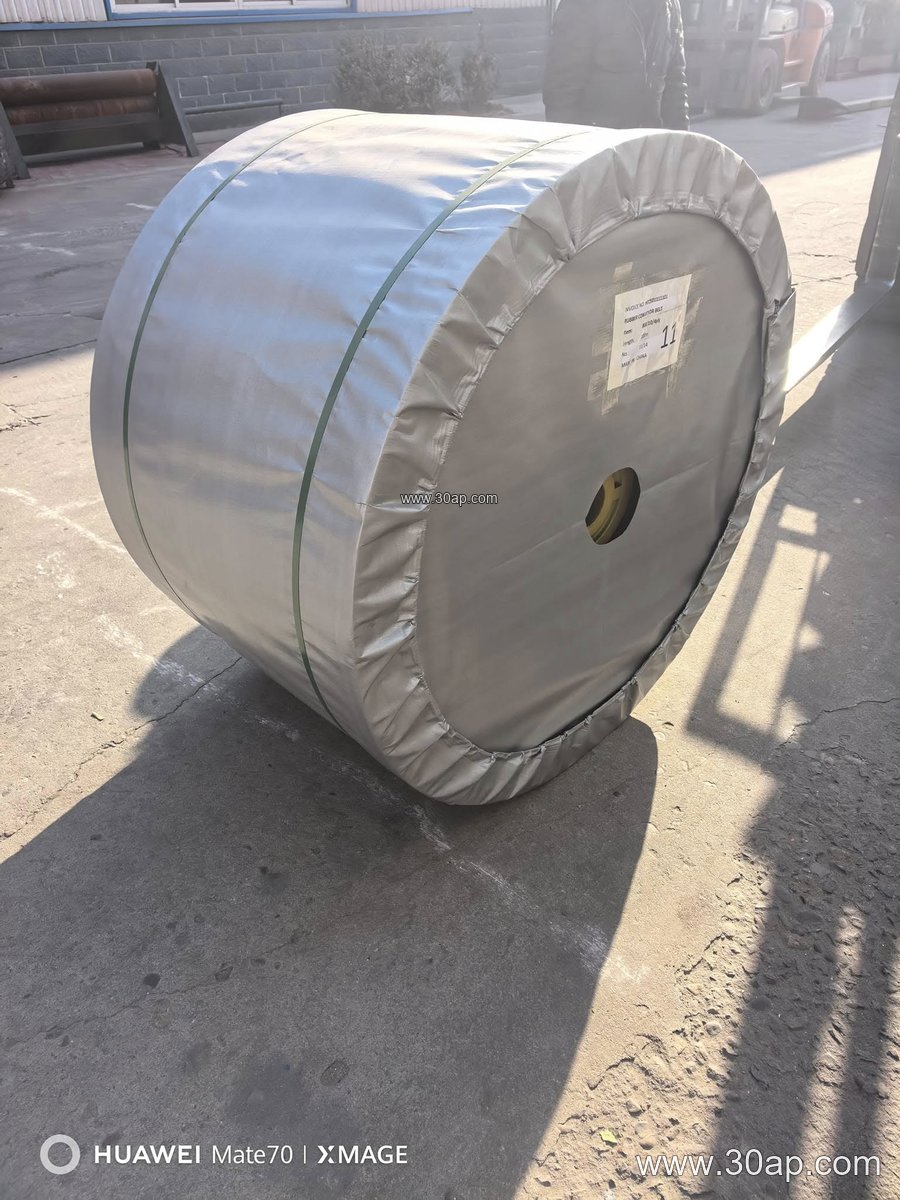
A thick conveyor belt is a heavy-gauge belting product built with a larger total thickness than standard stock belts, usually achieved through heavier cover rubber and a stronger carcass. The extra material gives the belt more resistance to cutting, gouging and impact, which matters in mines, quarries, cement plants, power stations and sand and gravel yards where sharp rock and lumpy ore are part of daily operation. Buyers often search for this product as a heavy-duty conveyor belt, and the two names describe the same family of thick-section belting.
How the Belt Is Built
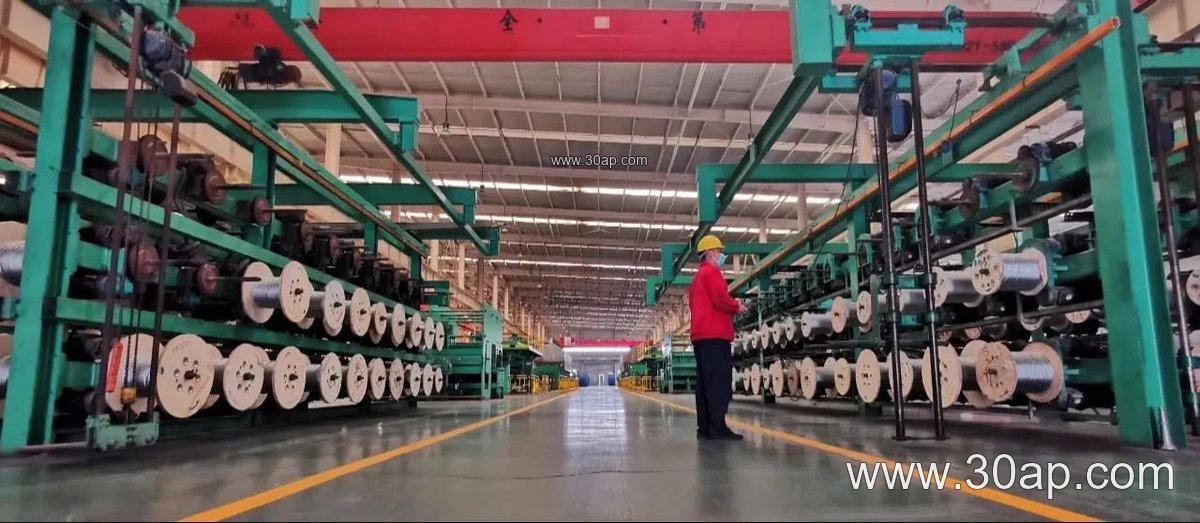
Construction starts with the carcass. A fabric core conveyor belt uses multiple plies of EP or NN fabric, while a steel cord conveyor belt uses parallel steel wires for very high tension loads. Cover rubber is applied to the top and bottom, and the total thickness is the sum of the covers plus the carcass. A typical heavy belt may use covers such as 4+2 mm, 6+2 mm or 8+3 mm, with 2 to 6 plies in the fabric version. The carcass and cover grade together determine the working strength and the duty the belt can handle.
Common Reference Values
| Item | Typical Reference Range |
|---|---|
| Fabric carcass | EP200, EP315, EP400, EP500, EP630, EP800, EP1000, EP1250 |
| Steel cord tension class | ST1000, ST1600, ST2000, ST2500 |
| Top and bottom covers | 4+2 mm, 5+2 mm, 6+2 mm, 8+3 mm |
| Belt width | B800, B1000, B1200, B1400, B1600, B1800 |
These figures are reference data, not a fixed catalogue promise. Final dimensions are confirmed by design for each conveyor.
Where Thick Belting Fits
Mining and quarry work is the classic home for this product. An abrasion resistant conveyor belt with a thick cover lasts longer under sharp stone, and a high abrasion resistant grade is often chosen at crusher discharge points. In coal mining, a flame retardant conveyor belt or fire resistant conveyor belt is normally required underground, and a PVG conveyor belt is common in underground coal mining conveyors. Cement plants use heat resistant conveyor belt grades where clinker is still warm, while ports and ship loading lines prefer a high strength conveyor belt for long runs. A cold resistant conveyor belt suits northern yards in winter, and an oil resistant conveyor belt is used where lubricants or oily scrap are present.
Matching the Belt to the Conveyor
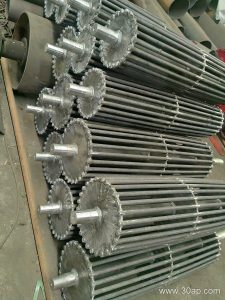
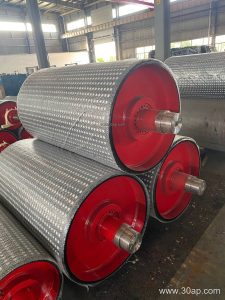
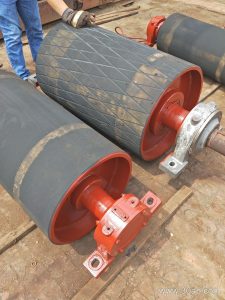
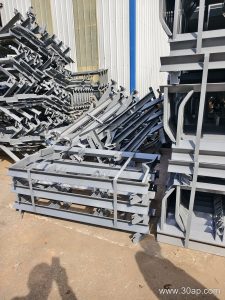
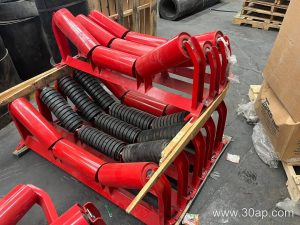
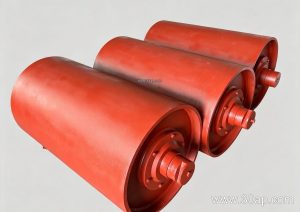
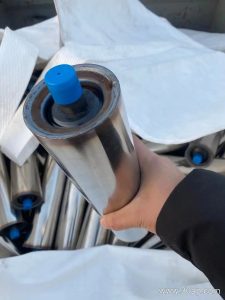
A thick belt is only part of the system. Drive pulleys, tail pulleys and bend pulleys each have a different job and are not interchangeable, so the belt specification must be checked against the actual pulley set. Idler rollers, conveyor brackets and the frame layout also affect belt training and sag. A belt that is too stiff for small pulleys can crack or track poorly, while one that is too thin may fail early at impact zones. Width, tension class, cover thickness and cover grade should be selected together, and the belt width should not be assumed to dictate one pulley diameter.
Buyer Checklist
- Confirm material type, lump size and drop height at loading points.
- State ambient and material temperature, plus any oil or chemical contact.
- Give the required tension class, belt width and cover thickness for the conveyor design.
- Ask for the carcass type, since EP, NN and steel cord versions behave differently.
- Review splice method and edge condition for the planned installation.
For a reliable quotation, describe the full duty rather than a single dimension. A thick conveyor belt from a careful specification will usually outlast a thin belt in abrasive service, but matching covers, carcass and pulley layout is what keeps a heavy-duty line running.