What a Belt Conveyor Impact Idler Does
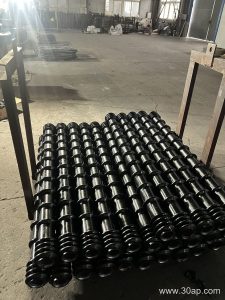
At every transfer point where material drops onto a conveyor belt, the belt takes a beating. A belt conveyor impact idler is the component placed directly under that landing zone to absorb the energy of falling rock, ore, clinker or aggregate. Instead of a rigid steel surface, the idler carries rubber rings or a rubber-covered shell that cushions the blow and spreads it across several rollers. This protects both the belt cover and the idler frame, and it keeps the belt tracking more steadily through the loading area.
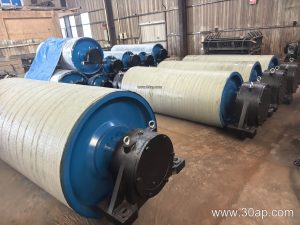
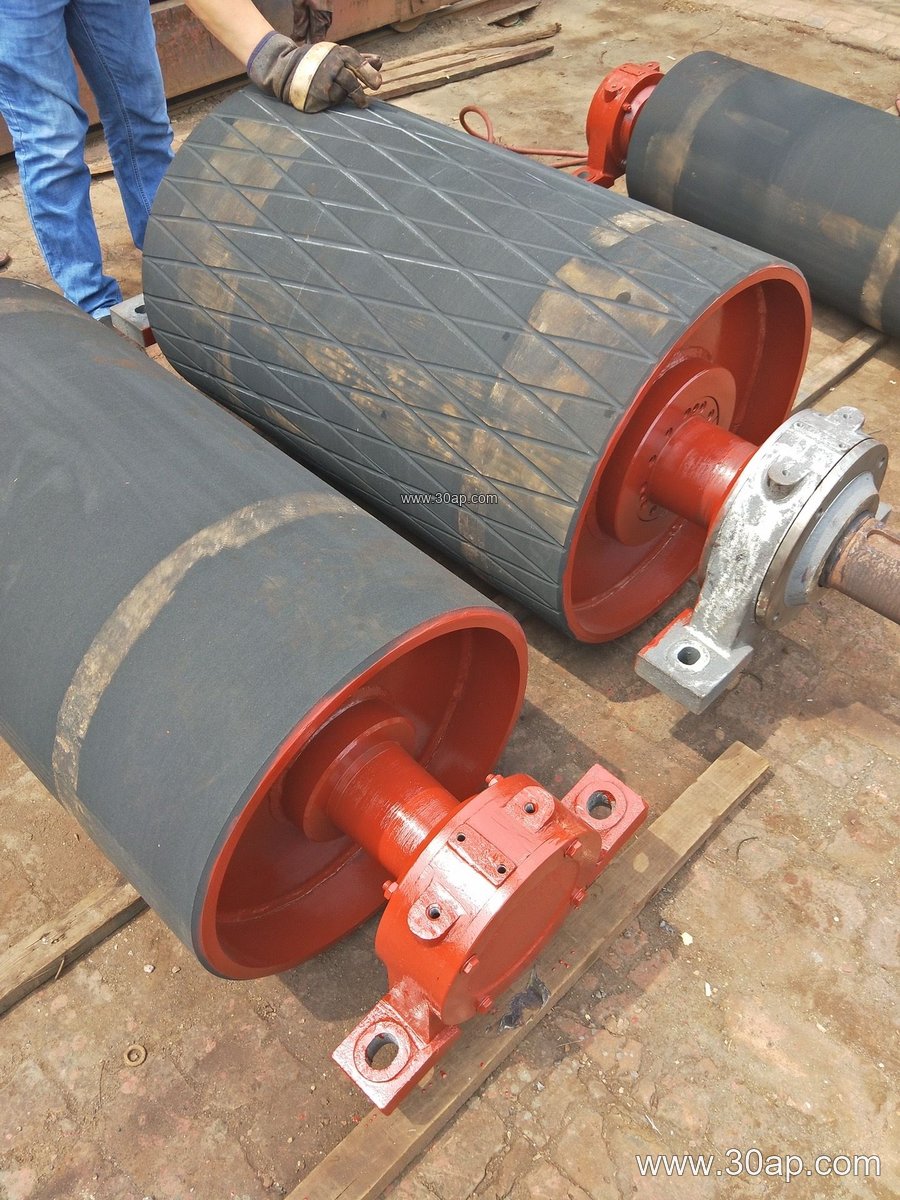
The same component is often called an impact roller or shock-absorbing idler. Those names describe the same product; they are not separate devices. It should not be confused with a drive pulley, tail pulley or bend pulley, which transmit or redirect belt tension rather than cushion falling material.
How the Idler Is Built
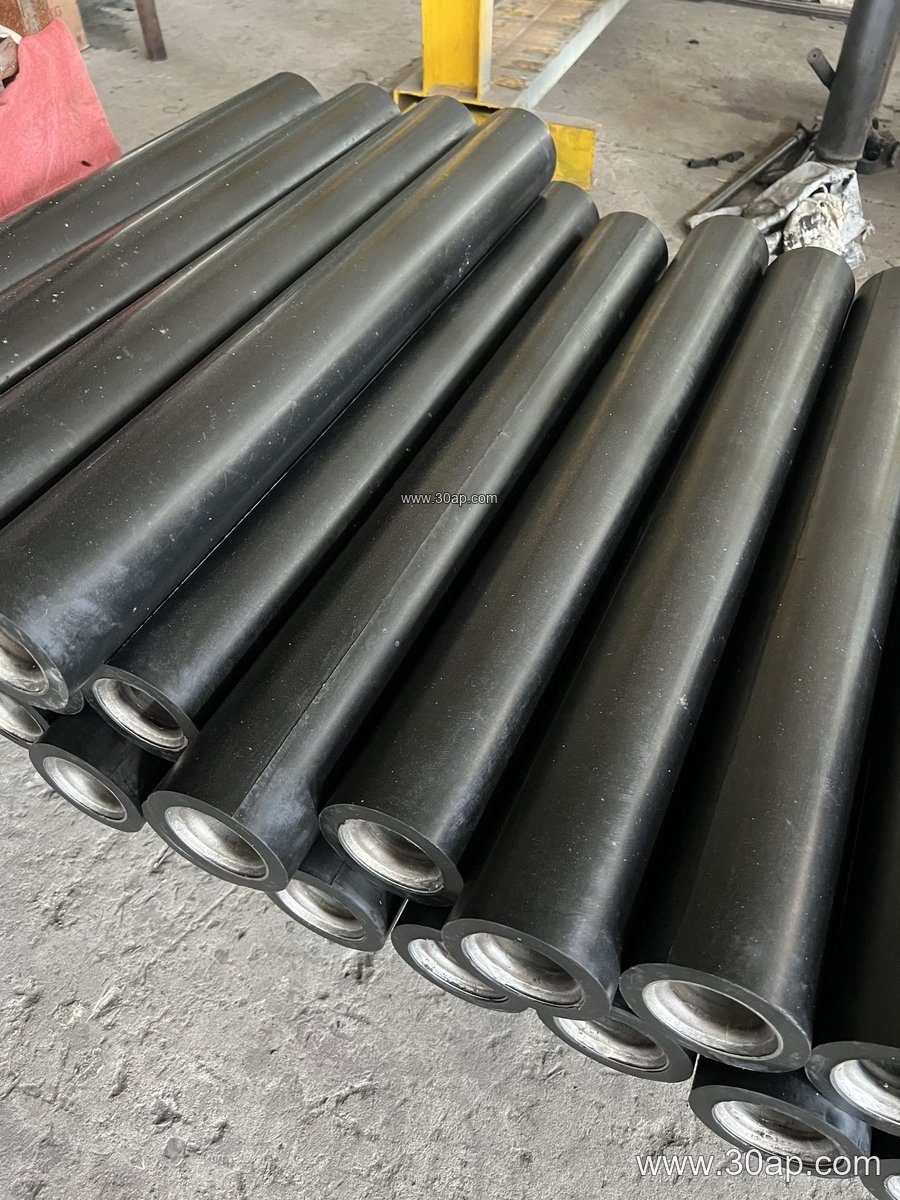
A typical unit combines a steel tube body, a shaft, sealed bearings and a set of rubber rings or discs. The rings are mounted on the shell so that the belt rests on a resilient surface rather than bare metal. Bearing housings are usually sealed against dust and water, which matters in quarry and coal handling conditions where fines are constant.
Common shell diameters for this family include Ø89, Ø108, Ø127, Ø133, Ø159 and Ø178 mm, with larger sizes used on heavy-duty installations. Bearing sizes such as 6205, 6305, 6306 and 6308 appear across the range, but no single bearing is tied to one diameter. Roll length follows belt width, trough angle and frame arrangement, so the final dimensions are set by design rather than by a fixed table.
Common reference dimensions
| Belt width | Typical three-roll trough roll length (reference) | Trough angle options |
|---|---|---|
| B500 | about 200 mm | 20°, 30°, 35° |
| B650 | about 250 mm | 20°, 30°, 35° |
| B800 | about 315 mm | 30°, 35°, 45° |
| B1000 | about 380 mm | 30°, 35°, 45° |
| B1200 | about 465 mm | 30°, 35°, 45° |
| B1400 | about 530 mm | 35°, 45° |
| B1600 | about 600 mm | 35°, 45° |
| B1800 | about 670 mm | 35°, 45° |
Side rolls and centre rolls can differ in length, and the figures above are common examples only. A 1200mm wide conveyor belt does not automatically dictate one pulley diameter or one shaft size; those values come from the full conveyor design.
Where It Fits on the Conveyor
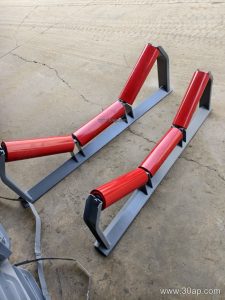
Impact idlers sit in the loading section, usually in a close-spaced group of three to five units right beneath the chute. Upstream and downstream, standard troughing idlers carry the belt. At the discharge end, a head pulley drives the belt, while a bend pulley may change its path. Return idlers support the empty strand underneath.
Typical duty locations include:
- Primary crushing stations in a quarry or limestone mine, where run-of-mine rock lands hard
- Coal handling systems at power plants and wash plants, often paired with a flame retardant conveyor belt
- Cement plant clinker and raw meal transfer points
- Iron ore and copper ore loading zones at ports and concentrators
- Aggregate and sand production lines feeding a crusher conveyor belt
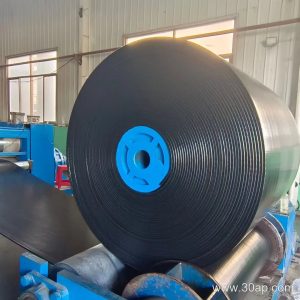
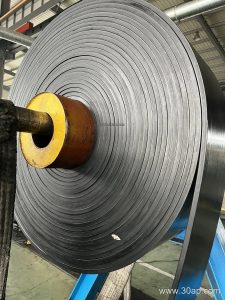
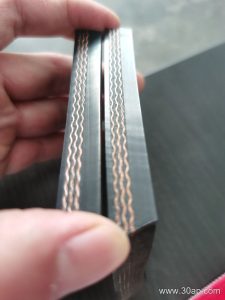
The belt itself is chosen to match the duty. A heavy-duty mining conveyor belt with a thick cover resists cutting, while an abrasion resistant conveyor belt suits sharp aggregate. In underground coal mining, a PVC or PVG conveyor belt may be specified for fire resistance. The impact idler complements these choices by reducing point loading on the carcass.
Selection Points for Buyers
Start with the drop height and lump size, since these set the impact energy. Then confirm belt width, trough angle (20°, 30°, 35° or 45°) and the frame style used on the conveyor. Check that the rubber rings are thick enough for the material and that the bearings are properly sealed. For sticky or wet loads, smooth rubber rings release material better than deeply grooved ones.
Ask for the shaft and bearing details rather than assuming them from belt width. Confirm the mounting dimensions match the existing conveyor bracket, and check whether the frame is fixed or suspended. Spacing in the impact group is also worth discussing: too wide a gap and the belt sags between rollers.
Maintenance and Everyday Care
Inspect the impact section for worn or missing rubber rings, loose rings and flat spots. A ring that has worn through exposes the steel shell and quickly damages the belt cover. Grease sealed bearings only where the design allows, and keep the loading chute aligned so material lands centrally. In dusty plants, check seals more often, and replace a damaged idler before it affects neighbouring rollers.
Matching the impact idler to the belt, the pulley layout and the loading conditions is the practical way to extend service life in mines, cement works, power stations and aggregate plants alike.